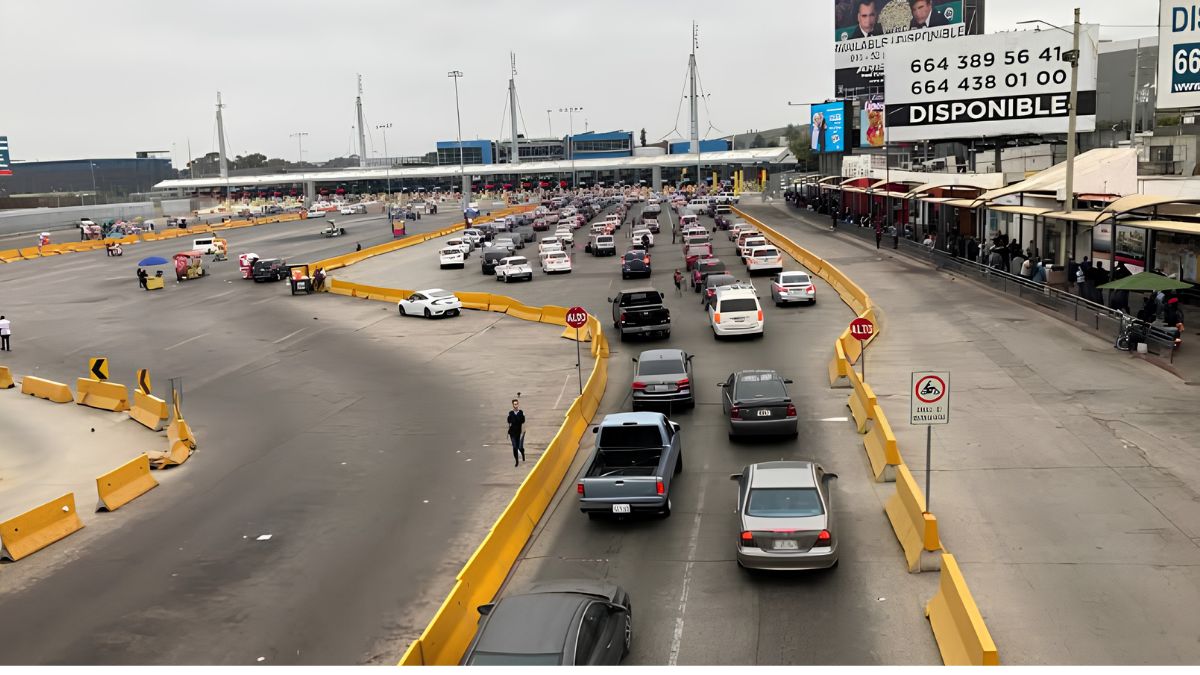

San Ysidro’s location next to the Mexico border gives its business community a commercial dynamic that is different from many other neighborhoods in San Diego. Every day, local businesses serve people with different reasons for being in the area. Some live in San Ysidro, while others are traveling between the United States and Mexico, visiting relatives, working nearby, shopping, dining or using local services.
That steady movement of people can influence what businesses sell, how they communicate with customers and when they operate. It can also affect the challenges owners face. A restaurant may see demand from both local residents and visitors. A retailer may carry products that appeal to customers with connections on both sides of the border. A service provider may need to accommodate customers who use different payment methods or prefer to communicate in different languages.
Cross-border activity is therefore not simply a feature of San Ysidro’s geography. It is part of the commercial environment in which local businesses make everyday decisions.
Location
San Ysidro’s position at the southern end of San Diego places it immediately next to Tijuana, Mexico. The San Ysidro Port of Entry is one of the major land border crossings between the United States and Mexico, making the surrounding area an important point of movement between the two countries.
According to U.S. Customs and Border Protection, ports of entry play a central role in facilitating legitimate travel and trade while carrying out border security responsibilities.
For businesses in San Ysidro, that movement creates a customer base that can extend beyond people who live in the immediate neighborhood.
The commercial impact is not always predictable. Traffic patterns can change, border conditions can affect travel times, and economic circumstances on either side of the border can influence where people choose to spend money.
Customers
Cross-border customers do not represent one single group. Their needs can vary considerably.
Some people may be traveling through San Ysidro for only a short period. Others may visit regularly because of family connections, work, shopping or other personal reasons. Some customers may live in Mexico but purchase particular goods or services in the United States, while others may be San Diego residents traveling south.
For a small business, knowing those differences can be useful.
A store that serves mostly local residents may focus on convenience and regular purchases. A business that also attracts cross-border customers might pay closer attention to products that are easy to carry, recognizable brands, bilingual communication or operating hours that correspond with travel patterns.
The important point is that businesses do not necessarily need to choose between local and cross-border customers. Many serve both.
Spending
Cross-border movement can influence where customers spend their money. However, spending patterns are affected by more than geography.
Exchange rates can matter. So can inflation, household income, travel costs and differences in product availability or pricing between markets.
When the Mexican peso and U.S. dollar exchange at different levels, the relative cost of goods can change for people shopping across the border. That does not mean every purchase becomes automatically cheaper in one country. Taxes, transportation, product availability and individual circumstances also matter.
For local businesses, these variables can make customer demand difficult to predict.
An owner may notice that certain products sell particularly well during one period and less well during another. Rather than treating those changes as permanent, experienced owners often watch customer behavior over time before making major inventory decisions.
Language
Language is another practical consideration.
Spanish and English are both widely used in the San Ysidro area, and businesses may encounter customers who prefer one language or move comfortably between both.
For a business, bilingual signs, menus, websites or employees can make communication easier. This can be especially useful when explaining prices, services, return policies or other details.
Language can also influence marketing. A business trying to reach a broad local audience may use both languages in advertising and social media.
This is less about creating a special marketing strategy and more about recognizing the reality of the customer base.
Clear communication can reduce misunderstandings and make transactions easier for both customers and employees.
Retail
Retail businesses can be particularly sensitive to cross-border shopping patterns.
Customers may compare prices, product selection and availability before deciding where to shop. A store in San Ysidro may therefore compete not only with nearby businesses but also with retailers in other parts of San Diego and businesses across the border.
That competition can encourage owners to specialize.
Instead of attempting to sell everything, a retailer may focus on products that customers regularly seek. Product selection can then become part of the reason people choose that business.
Inventory management becomes important as well. A store needs enough stock to meet demand without tying up too much money in products that move slowly.
For a small business, those decisions can have a direct effect on cash flow.
Dining
Restaurants and food businesses experience cross-border activity in their own way.
Food can be part of a travel routine, but it can also be part of a customer’s reason for visiting an area. A restaurant with a recognizable menu, convenient location or established reputation may attract both neighborhood customers and visitors.
Taste and familiarity can matter particularly in a culturally diverse market. Customers may look for foods they recognize from home, while others may be interested in trying something new.
This gives restaurant owners several possible ways to build a customer base.
However, food businesses also face practical limitations. Ingredients become more expensive, staffing needs can change and customer demand can vary by day and time. A restaurant cannot assume that every increase in cross-border traffic will translate directly into higher sales.
Services
The influence of cross-border customers is not limited to retail and restaurants.
Local service providers may also encounter customers with connections to both countries. Personal services, professional services, transportation-related businesses and other operations can all be affected by the area’s movement of people.
For these businesses, trust can be particularly important.
A customer may be more likely to return to a service provider if communication is straightforward and the business consistently delivers what it promises. Recommendations can also travel through families and social networks that extend across the border.
That means reputation can become an important business asset.
Timing
One of the less visible effects of cross-border commerce is timing.
Business owners may pay attention to when customers are most likely to be in the area. Busy periods can affect staffing, inventory and opening hours.
However, border traffic does not operate in isolation. Weather, holidays, travel demand, transportation conditions and special events can all affect how many people pass through an area.
The U.S. Department of Transportation’s Bureau of Transportation Statistics publishes border crossing data that can help provide broader context about movement between the United States and Mexico.
For an individual business, national or regional statistics do not tell the whole story. Owners still need to monitor their own sales and customer patterns.
Challenges
Cross-border customers can create opportunities, but they can also make business planning more complicated.
Demand can fluctuate. Customers may have different expectations about prices, products or service. Currency changes can affect purchasing decisions. Border conditions can influence the number of people passing through.
Small businesses generally have fewer resources to absorb sudden changes than large companies.
An owner who has only a few employees may find it difficult to adjust staffing quickly. A retailer with limited storage space may not be able to stock large quantities of every product customers request.
That is why flexibility often becomes part of the business model.
Owners may adjust inventory gradually, monitor sales more closely or communicate with customers to understand what is changing.
Opportunity
For businesses that into their customer base, cross-border activity can provide a wider market.
A local business does not necessarily need to become a large regional company to benefit. Serving a specific group well can be enough.
A restaurant might build a loyal following through food quality and consistent service. A retailer might become known for carrying particular products. A service provider might develop a reputation for being reliable and bilingual.
In each case, the business is responding to an identifiable customer need.
The opportunity comes from proximity, but the business still has to earn repeat customers.
Community
Cross-border commerce also connects San Ysidro to a larger regional economy.
The community is part of the San Diego-Tijuana metropolitan region, where people, businesses and institutions operate across an international boundary. That relationship means local economic activity cannot always be understood by looking only at one side of the border.
The San Diego Regional Economic Development Corporation provides information about the broader regional economy and the relationship between San Diego’s business community and international markets.
For San Ysidro businesses, that larger economic context can be relevant when thinking about customers, suppliers, workers and future investment.
Adaptation
The businesses most closely connected to cross-border customers have to adapt to changing circumstances.
Some adaptations are simple. A business may provide bilingual information, accept multiple payment options or adjust its inventory.
Others involve longer-term decisions. An owner might expand a service, change marketing strategies or invest in technology that makes it easier for customers to find and contact the business.
The key is not to assume that every customer behaves in the same way.
Cross-border shoppers have different reasons for making purchases. Some prioritize price, while others care more about convenience, availability or familiarity. Understanding those differences can help owners make more informed decisions.
Future
San Ysidro’s relationship with cross-border customers is likely to remain an important part of its commercial identity.
The border will continue to influence travel and trade, while technology will give customers more ways to compare businesses before visiting. Online reviews, maps, social media and digital payment systems can all shape decisions before a customer enters a store.
For local owners, this means the customer relationship increasingly begins before the transaction.
A person may see a business online, check its hours, read reviews and decide whether it is worth visiting. Once there, the quality of service determines whether that first visit becomes a repeat purchase.
That combination of digital discovery and physical commerce is becoming increasingly important for neighborhood businesses.
San Ysidro’s small businesses operate in an environment shaped by geography, culture and international movement. Cross-border customers can influence what owners stock, how employees communicate, when businesses operate and how they compete. But the border is only one part of the equation.
Local residents, operating costs, technology, regulations and broader economic conditions all matter as well. The businesses that understand these overlapping factors are better positioned to respond to changing customer needs while maintaining the local relationships that have long been important to San Ysidro’s commercial community.
FAQs
Why do cross-border customers matter in San Ysidro?
They contribute to local retail, dining and service demand.
Does the border affect local shopping?
Yes, travel, currency and product availability can influence spending.
Why is bilingual service useful?
It helps businesses communicate with a diverse customer base.
What challenges do cross-border businesses face?
Demand, staffing, costs and travel patterns can change quickly.
How do businesses adapt to cross-border customers?
They adjust products, services, hours and customer communication.