Traveling from San Ysidro to Downtown San Diego without a car is relatively straightforward, but the best option depends on where you start, what time you travel and how much flexibility you have. For many passengers, the San Diego Metropolitan Transit System’s Blue Line trolley provides the simplest connection between the two areas.
The journey also illustrates how San Ysidro fits into San Diego’s larger transportation network. The community is at the southern end of the region’s rail system, while Downtown San Diego is a major transit hub with connections to other neighborhoods, bus routes and regional services.
Planning the trip in advance can make the difference between a simple ride and an unnecessarily complicated one. Checking the latest schedules, knowing which station or stop is closest to you and allowing extra time for transfers are all useful steps.
Trolley
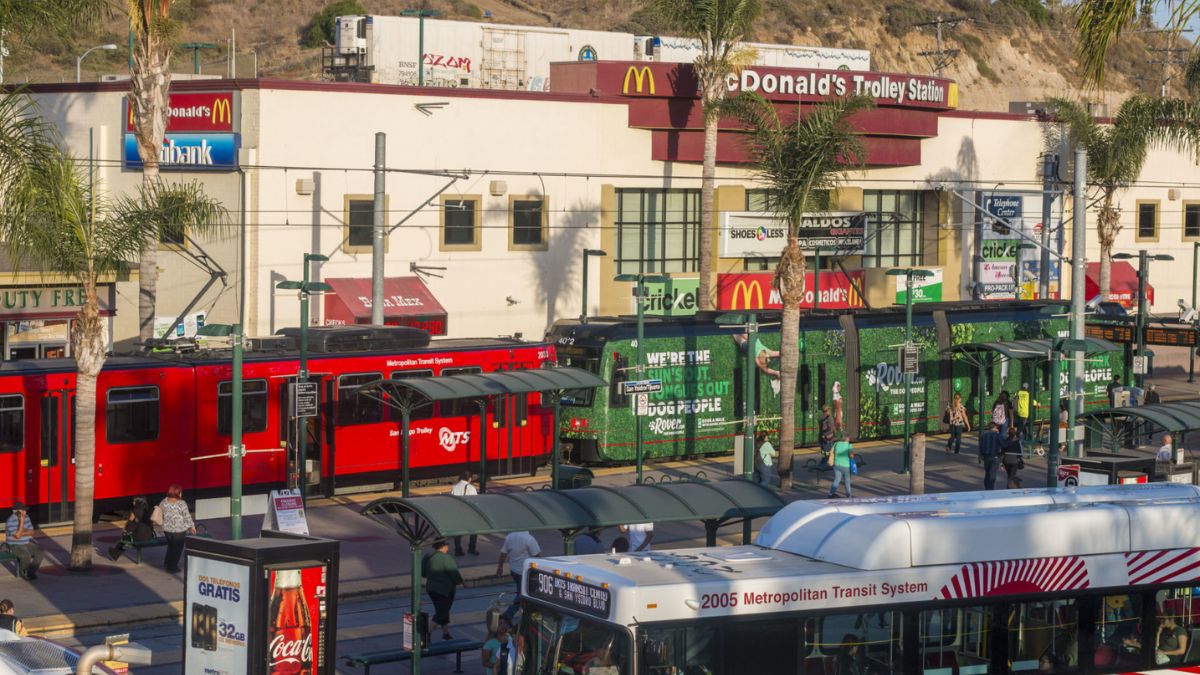
The most direct public transportation option is the MTS Blue Line.
The Blue Line connects the San Ysidro Transit Center with Downtown San Diego and continues north through several communities. Depending on your destination downtown, you can use stations such as America Plaza or Courthouse as convenient stopping points.
The route is particularly useful because passengers do not normally need to make a transfer between San Ysidro and central San Diego.
That makes it a practical choice for visitors, commuters and residents who want to avoid driving.
Before leaving, check the official MTS Blue Line information for current schedules, service notices and station information.
Stations
The starting point matters.
The San Ysidro Transit Center is the southern terminus of the Blue Line and is also an important transportation connection for the area. If you are starting elsewhere in San Ysidro, you may first need to walk, take a local bus or use another connection to reach the station.
Downtown has several trolley stops, so there is no single “downtown station” that works for every destination.
For example, someone visiting the waterfront may have a different preferred stop from someone heading toward the Civic Core or a downtown office building.
Looking at the destination before boarding is therefore useful. A few minutes spent checking the map can prevent unnecessary walking or backtracking.
Timing
Travel time depends on the exact starting point, destination and service conditions.
The Blue Line covers a substantial distance between San Ysidro and Downtown San Diego, so passengers should allow enough time for the full journey rather than assuming that the trip will take only a short period.
Peak travel periods can also make stations and vehicles busier. If you have an appointment, flight connection, work shift or event to attend, leaving some extra time is sensible.
The MTS trip planner can help passengers check routes and connections based on their specific starting point and destination.
Public transit schedules can change because of maintenance, construction, special events or other service conditions. Checking shortly before departure is therefore better than relying on an old timetable.
Fares
Passengers should also check the current fare structure before traveling.
MTS uses the PRONTO fare system for its transit services. Riders can use the PRONTO app or a PRONTO card, subject to the current fare rules and available options.
Because fare policies can change, it is best to confirm the latest information directly through the official PRONTO website.
For occasional visitors, understanding how payment works before arriving at the station can make the trip easier.
If you expect to use public transportation several times during the day, compare the available fare options rather than automatically paying for each trip separately.
Transfers
One of the advantages of the Blue Line is that the trip from San Ysidro to central San Diego generally does not require a trolley transfer.
However, you may need a transfer at one end of the trip.
For example, if your home or hotel is not close to the San Ysidro Transit Center, you may need a bus or another local connection to reach the trolley. Likewise, a downtown destination outside easy walking distance may require another MTS route.
When planning, think about the entire journey rather than only the trolley portion.
A trip that looks simple on a map can involve walking, waiting and transferring. These small pieces can add considerable time, particularly if you miss a connection.
Walking
Walking is an important part of many car-free trips.
Once you reach Downtown San Diego, several destinations are accessible on foot from trolley stations. However, downtown blocks can feel different depending on the weather, time of day and how much luggage you are carrying.
If you are visiting for sightseeing, comfortable shoes can make a noticeable difference.
It is also worth checking the walking portion before leaving. A route that looks close in distance may involve several city blocks, crossings or changes in elevation.
For travelers with mobility limitations, luggage or young children, a route with fewer walking segments may be preferable even if it takes slightly longer.
Buses
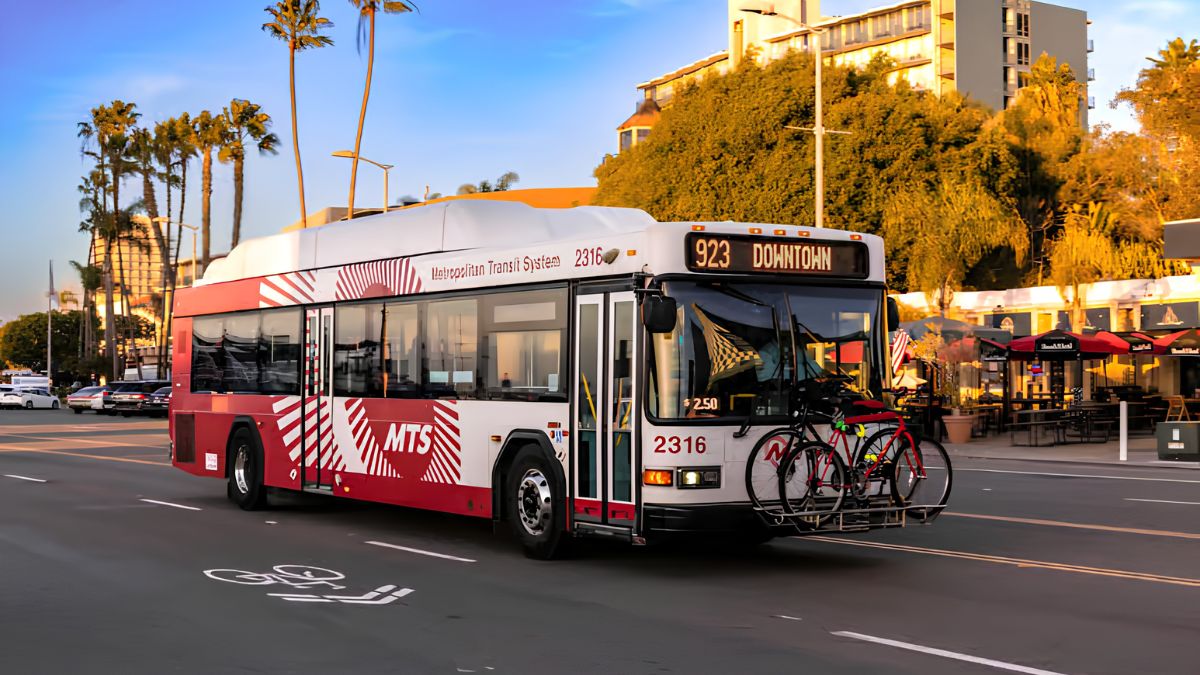
MTS buses can extend the reach of a trolley trip.
If your final destination is not near a Blue Line station, use the MTS network to identify a connecting bus. Downtown San Diego has numerous routes, so the best combination depends heavily on the exact destination.
For example, a traveler going to a neighborhood north or east of downtown may find that continuing by bus is more convenient than walking the entire distance.
The important thing is to check the transfer before starting the trip. You do not want to arrive downtown and discover that the next connecting bus has already left.
Accessibility
Public transportation can be a useful option for passengers who cannot or do not want to drive, but accessibility requirements vary by traveler.
MTS provides accessibility information covering its trolley and bus services. Passengers who use mobility devices or have other specific needs should review the latest information before traveling.
Elevators, ramps, accessible boarding areas and other facilities can be important considerations.
If you have a specific accessibility requirement, planning the route around the facilities available at each station can make the journey more comfortable.
Border
San Ysidro’s location near the U.S.-Mexico border can add another consideration for some travelers.
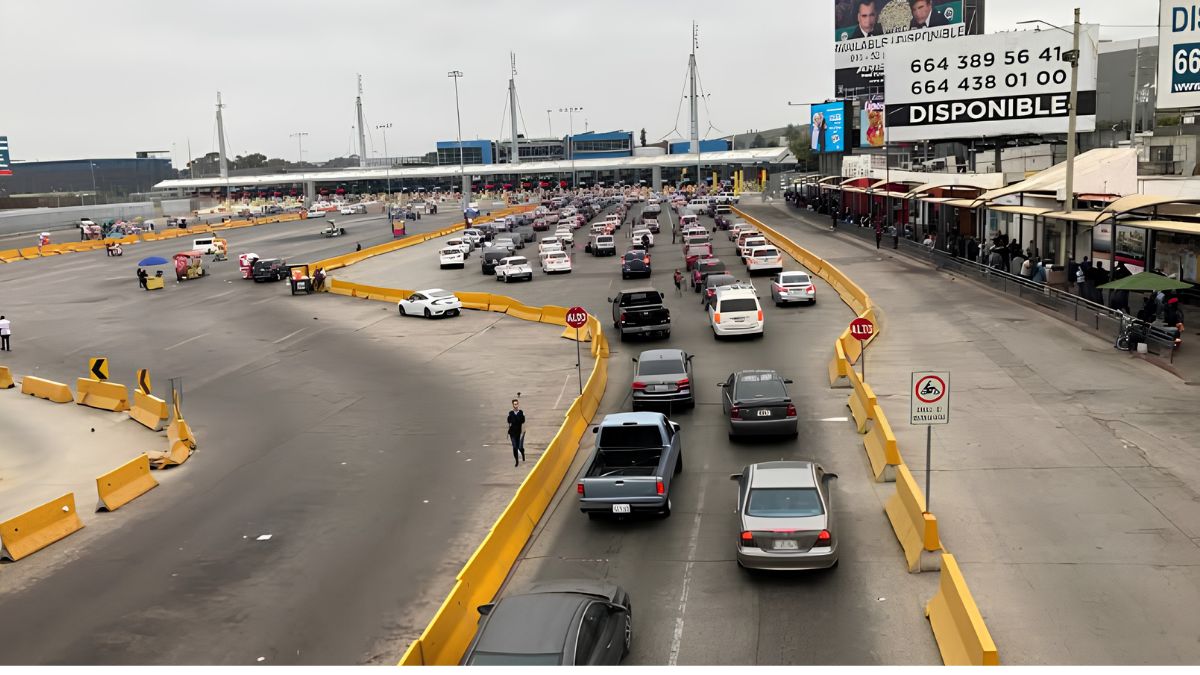
If you are coming from Tijuana rather than starting within San Ysidro, the trip is different from a simple San Ysidro-to-downtown journey. You may first need to cross the international border and then connect with the U.S. transit system.
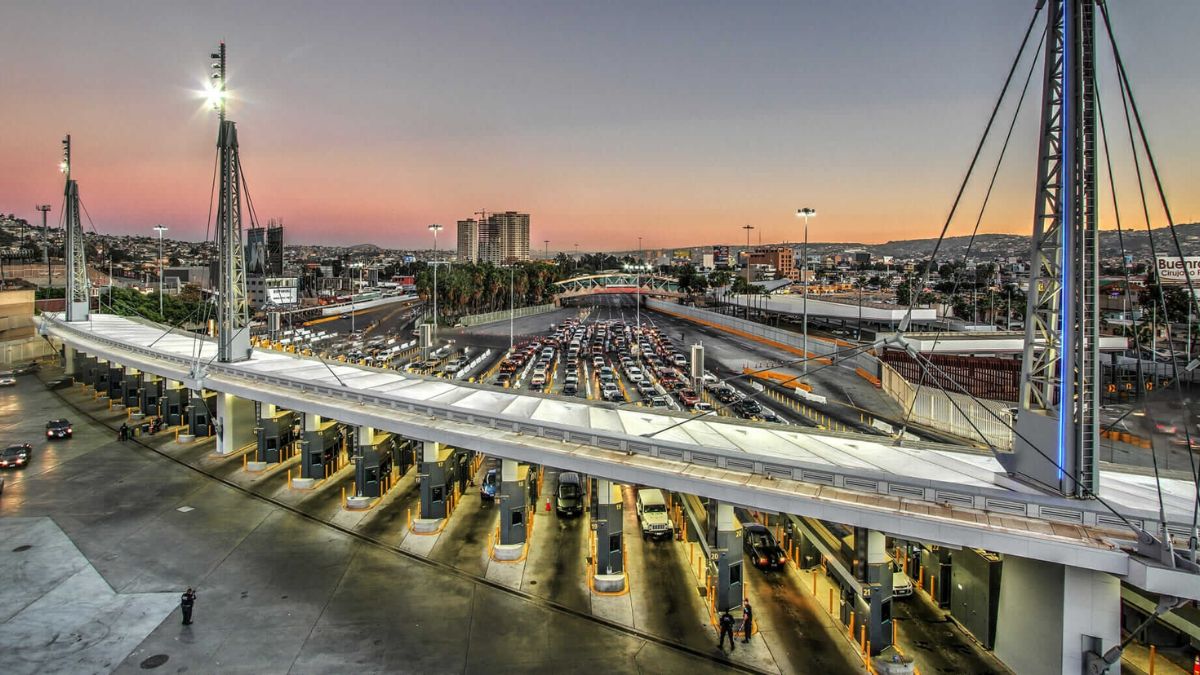
The San Ysidro Transit Center is located close to the border crossing, making it an important connection point for people continuing north.
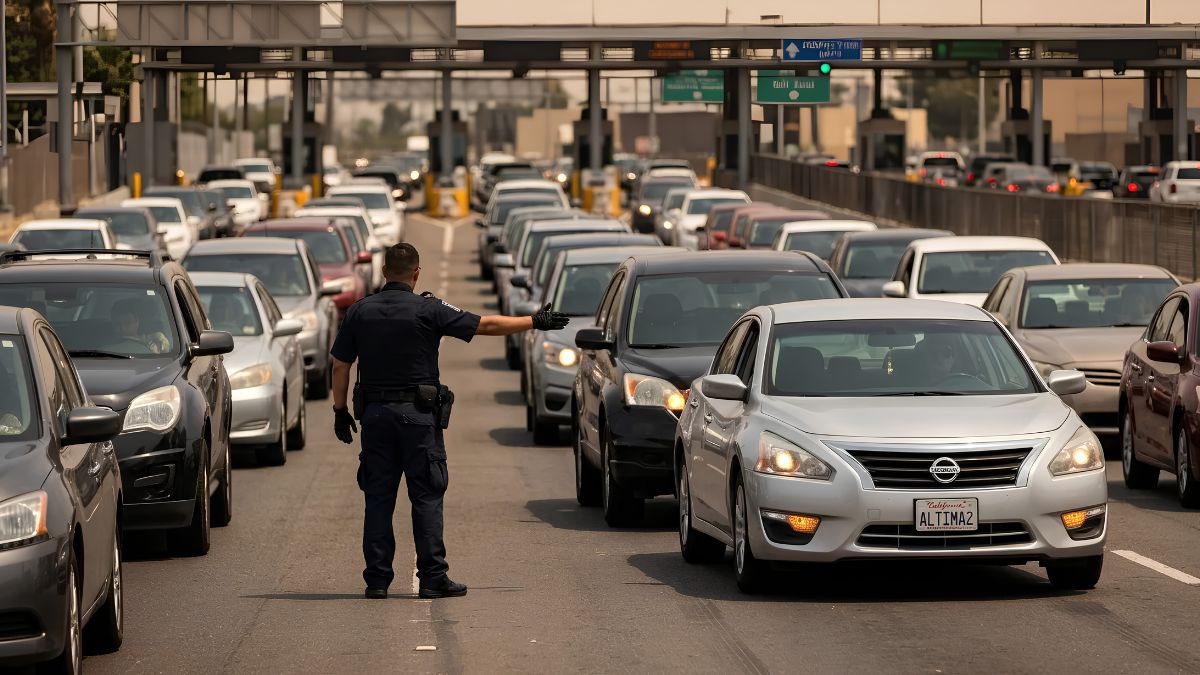
Travelers crossing internationally should allow additional time for border procedures. Crossing times can vary significantly, so it is risky to plan an international journey around the minimum possible wait.
Safety
As with any urban transit trip, basic awareness is useful.
Keep personal belongings secure, especially in crowded areas. Know where you are getting off and avoid becoming so distracted by a phone that you miss your stop.
If you are unfamiliar with Downtown San Diego, check your walking route before leaving the trolley station.
Traveling during daylight may also feel more comfortable for some visitors who do not know the area well.
These are general travel precautions rather than reasons to avoid public transportation. Thousands of people use the region’s transit network for everyday trips.
Alternatives
The trolley is not the only way to travel between San Ysidro and Downtown San Diego.
Rideshare services and taxis can provide door-to-door transportation, although costs can vary according to demand, traffic and time of day.
Cycling may work for some experienced riders, but the distance and road conditions make it less practical for many travelers. Walking the entire route is technically possible but generally not a realistic choice for most people because of the distance.
For travelers who are comfortable using public transportation, the trolley usually offers the clearest combination of simplicity and predictable routing.
Planning
A good car-free trip begins with the destination rather than the vehicle.
First, identify the exact location in Downtown San Diego. Then determine the closest trolley station or bus stop. Next, check the current departure times and allow time to reach the station.
If you have a fixed appointment, consider taking an earlier service rather than planning to arrive immediately before the event.
This is particularly important for people unfamiliar with San Diego’s transit system. A missed connection can add more time than expected.
The MTS official website is the best starting point for checking current service information, routes and transit updates.
Costs
One reason people choose transit is that it can reduce the cost associated with driving and parking.
A car trip may involve fuel, parking fees, insurance and other expenses. Public transportation replaces many of those costs with a transit fare.
However, the cheapest option is not always the best option for every traveler. A family traveling together, someone carrying substantial luggage or a passenger traveling at an unusual hour may find another option more convenient.
The right choice depends on the entire trip, not simply the ticket price.
Destination
Downtown San Diego is not a single destination. It includes several distinct areas, including the waterfront, Gaslamp Quarter, Civic Core, East Village and surrounding neighborhoods.
Your final destination should therefore determine where you leave the trolley.
For the waterfront, walking from a downtown station may be practical. Someone headed to another neighborhood may need a connecting bus.
If you are attending a concert, sporting event or convention, check the venue’s exact location and consider how crowds may affect the final part of the journey.
Large events can change normal travel conditions and increase demand for transit.
Schedule
Traveling without a car becomes easier when you treat the schedule as part of the trip rather than an afterthought.
Check the departure time before leaving home, confirm the return service and make a note of the final connections you may need.
If your plans extend late into the evening, check the return schedule before starting the day. A convenient trip into downtown can become more difficult if you assume trains operate at the same frequency throughout the night.
Service frequency can also vary by day.
For current information, passengers should use official MTS sources rather than relying on an old social media post, third-party timetable or search result.
For many travelers, the San Ysidro-to-Downtown San Diego trip is one of the more straightforward car-free journeys in the region. The Blue Line provides a direct rail connection, while buses and walking can complete the trip at either end. The main planning considerations are the exact destination, current service schedule, fare requirements and time needed for transfers or walking. By checking those details before leaving, travelers can make the journey without depending on a car and with a clearer idea of what to expect.
FAQs
Can you take a trolley from San Ysidro to downtown?
Yes, the Blue Line provides a direct trolley connection.
Do you need to transfer downtown?
Not usually for central downtown destinations.
How do you pay for MTS transit?
PRONTO cards and the PRONTO app provide payment options.
Where should you get off downtown?
The best stop depends on your exact destination.
Should you check schedules before leaving?
Yes, service times and conditions can change.