A walking day trip can be simple, inexpensive, and flexible. You do not need to carry everything you might possibly need. The challenge is finding the right balance between being prepared and keeping your bag light enough to carry comfortably for several hours.
The best packing list depends on the route, weather, distance, terrain, and access to food and water. A short walk through a town requires very different equipment from a full-day hike on a remote trail. Before leaving, check the conditions and plan around the most demanding part of your route.
Basics
Start with the items that support the entire trip. These are the things you are most likely to need regardless of where you walk.
Carry a small, comfortable backpack rather than a large travel bag. A daypack with adjustable straps can distribute weight more evenly and leave your hands free.
Your basic kit should normally include a phone, wallet, identification, keys, water, food, and any essential medication. If you are travelling by public transport, keep tickets or travel information accessible.
A small amount of cash can also be useful because not every café, shop, or roadside business will necessarily accept the payment method you normally use.
The goal is not to fill every pocket. Pack for the trip you are actually taking.
Water
Water is one of the most important things to carry on a walking day trip.
The amount you need depends on temperature, walking distance, pace, terrain, and whether reliable refill points are available. A reusable bottle can be more practical than carrying several disposable bottles.
If you are walking somewhere without dependable access to drinking water, plan accordingly and carry enough for the route. In warm conditions, your needs can increase considerably.
Do not assume that a map showing a café, shop, or public facility means it will be open when you arrive. A little extra water can provide useful flexibility.
Food
Food does not have to be complicated. Choose items that travel well, provide energy, and can be eaten without much preparation.
Fruit, sandwiches, nuts, trail mix, energy bars, crackers, and other compact snacks can work well. If you expect to stop at restaurants or cafés, you may only need a few snacks as backup.
Consider carrying food that tolerates being moved around in a backpack. Chocolate, delicate pastries, or foods that spoil easily may not be ideal for a warm day.
A simple rule is to carry enough food to cover the planned trip while keeping a small reserve for delays.
Clothing
Clothing should match the weather and activity rather than simply the season.
Comfortable walking clothes are usually preferable to heavy or restrictive clothing. If temperatures may change during the day, layers give you more control than one thick item.
A lightweight waterproof jacket can be useful when rain is possible. In colder conditions, an extra layer can provide a practical safety margin.
Sun protection is also important. Depending on the route and weather, this may include a hat, sunglasses, and suitable sunscreen.
Check the forecast before leaving, but remember that conditions can change, particularly in exposed or elevated areas.
Footwear
Your footwear can have a greater effect on the trip than many of the items in your backpack.
Choose shoes that are comfortable, properly fitted, and appropriate for the surface. A paved urban walk may require ordinary comfortable walking shoes, while uneven trails can call for footwear with better grip and support.
Avoid wearing brand-new shoes for a long day trip. Even shoes that feel comfortable in a shop can cause pressure points or blisters after several hours.
Socks also matter. Moisture-wicking or comfortable walking socks can reduce friction and help keep feet dry.
If you know you are prone to blisters, consider carrying blister pads or basic foot-care supplies.
Weather
Weather preparation should be based on the conditions you are likely to encounter, not just what the sky looks like when you leave.
Rain can turn a comfortable walk into an unpleasant one within minutes. A compact rain jacket or poncho may take little space but provide useful protection.
On sunny days, sun protection becomes more important. Sunscreen, sunglasses, a hat, and adequate water can help reduce exposure.
Cold weather requires additional planning because you may become less aware of dehydration while walking. Gloves, an insulating layer, and appropriate outerwear may be necessary depending on the conditions.
Check a reliable weather forecast shortly before departure and adjust your packing list accordingly.
Navigation
A phone can be an excellent navigation tool, but relying entirely on mobile data or battery power can create problems.
Download maps or route information before leaving if you may travel through areas with weak connectivity. Carry a portable power bank when the trip is long or your phone will be used heavily.
For remote or unfamiliar routes, a physical map can provide an additional backup. You do not need sophisticated navigation equipment for every day trip, but you should have a way to determine where you are and where you need to go.
Share your planned route with someone you trust if you are walking alone in an unfamiliar or isolated area.
Safety
A small first-aid kit can cover many minor problems without adding much weight.
Useful items may include plasters, blister treatment, antiseptic wipes, basic pain relief if you normally use it, and any personal medication you require.
Other practical items include a small flashlight, whistle, emergency contact information, and a basic multitool where appropriate and permitted.
Your safety equipment should reflect the environment. A short city walk does not require the same preparation as a remote trail.
The most important safety item is often planning. Know the route, understand the expected conditions, and recognize when it makes sense to turn back.
Technology
Technology can make a day trip easier, but every electronic device adds another item to carry and another battery to manage.
A smartphone can handle navigation, communication, tickets, photography, weather checks, and emergency calls. For many walking trips, that is enough.
A power bank can be worthwhile if you expect to use GPS or take many photographs. Keep cables compact and secure them in a small pouch.
If you are carrying headphones, consider keeping the volume low enough to remain aware of traffic, cyclists, other walkers, and your surroundings.
Technology should support the trip rather than distract from it.
Hygiene
A few small hygiene items can make a long day more comfortable.
Tissues, hand sanitizer, wet wipes, lip balm, and sunscreen can all have practical uses. If you are travelling somewhere without reliable restroom facilities, check conditions beforehand and plan appropriately.
Reusable items can reduce waste and may take up less space than carrying multiple disposable products.
Do not pack an entire toiletry kit. Take only what you are likely to use.
Documents
Your documents and valuables should be easy to access but secure.
Carry identification when appropriate, along with payment cards, cash, travel tickets, reservations, and any permits required for your destination.
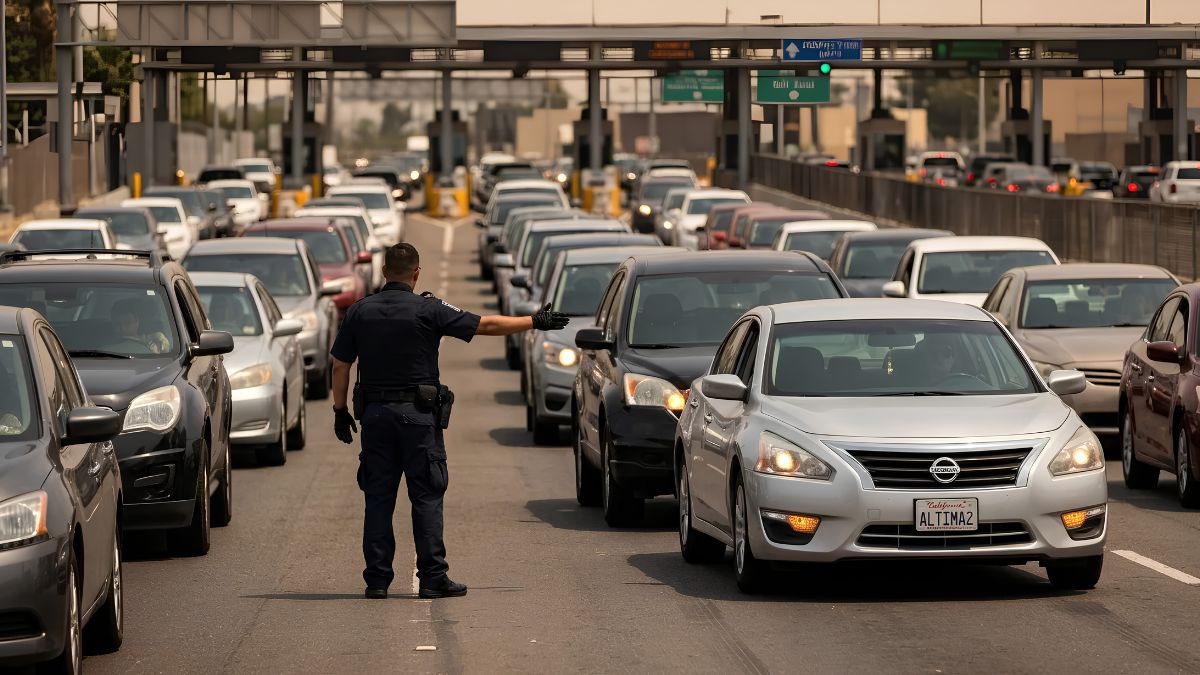
If you are travelling across borders or entering a controlled area, check the relevant requirements before departure.
Keep important documents in a waterproof pouch or another protected compartment if rain is possible.
A photograph or digital copy of certain documents can provide useful backup, but it should not automatically replace an original document when one is required.
Packing
How you pack can matter almost as much as what you pack.
Put heavier items close to your back and keep frequently used items where you can reach them without unpacking the entire bag. Water should be accessible, while valuables should remain secure.
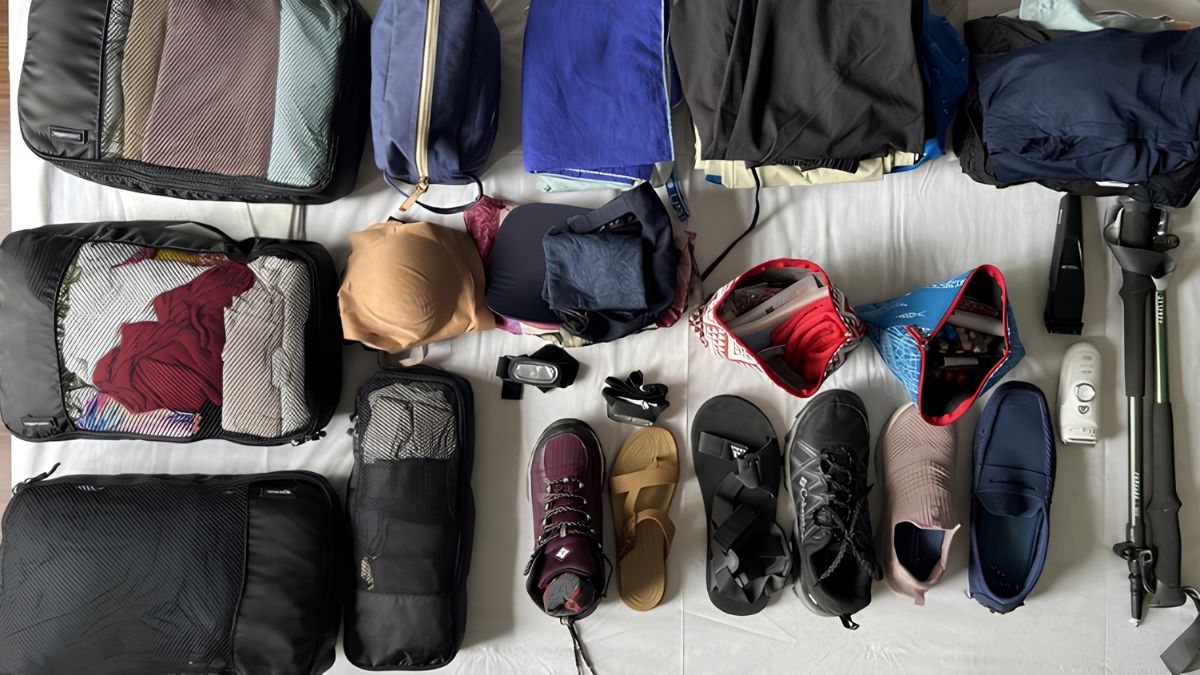
Use small pouches to separate food, electronics, first-aid supplies, and personal items. This makes it easier to find something quickly.
Try the fully packed bag before leaving. Walk around with it for a few minutes and adjust the straps. If it already feels uncomfortable at home, it will probably feel worse several hours into the trip.
A simple packing checklist can help:
| Category | Useful items |
|---|---|
| Essentials | Phone, wallet, ID, keys |
| Water | Reusable bottle |
| Food | Snacks, sandwich, fruit |
| Clothing | Comfortable layers, rain jacket |
| Footwear | Suitable walking shoes, socks |
| Navigation | Downloaded map, power bank |
| Safety | First-aid items, emergency contacts |
| Weather | Hat, sunscreen, sunglasses |
| Hygiene | Tissues, sanitizer, wipes |
| Documents | Tickets, permits, reservations |
Extras
Extra equipment should be based on the trip rather than a desire to be prepared for every possible scenario.
A camera, binoculars, trekking poles, notebook, picnic blanket, or book may be worthwhile if they support the purpose of your outing. But each additional item increases the weight you carry.
Ask yourself a simple question before adding something: “Will I realistically use this?”
If the answer is no, leave it at home unless it serves an important safety purpose.
Planning
The most useful packing checklist begins before you put anything into the bag. Look at the route, distance, elevation, weather, available facilities, transportation, and expected time away.
A two-hour urban walk with shops along the way may require little more than water, a phone, and comfortable shoes. A full-day trail with limited facilities requires more careful preparation.
Leave your itinerary with someone if the route is unfamiliar or isolated. If plans change during the walk, update them when possible.
Packing for a walking day trip is mainly about matching your preparation to the journey. Carry enough water and food, wear appropriate footwear, check the weather, keep navigation available, and bring basic safety and personal items. Then stop. A lighter bag is usually easier to carry and can make the walk more comfortable.
The ideal day-trip bag is not the one containing the most equipment. It is the one that contains what you are likely to need, with a sensible backup for the conditions you may encounter. A little planning before you leave can make the difference between spending the day managing your luggage and simply enjoying the walk.
FAQs
What should I pack for a walking day trip?
Carry water, food, suitable clothing, navigation, and basic safety items.
How much water should I carry?
Carry enough for the route, weather, activity level, and refill options.
What shoes are best for walking trips?
Wear comfortable, properly fitted shoes suited to the walking surface.
Should I carry a first-aid kit?
Yes. A small kit can help with blisters and minor injuries.
Should I check the weather before walking?
Yes. Weather conditions should guide your clothing and equipment choices.