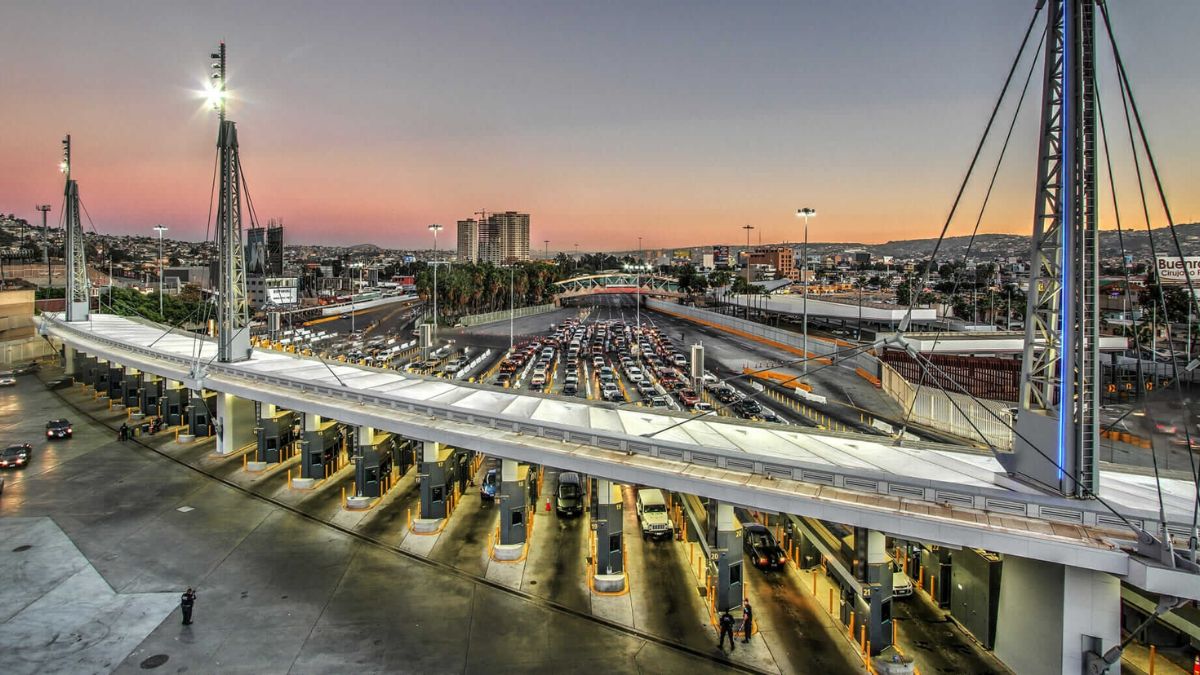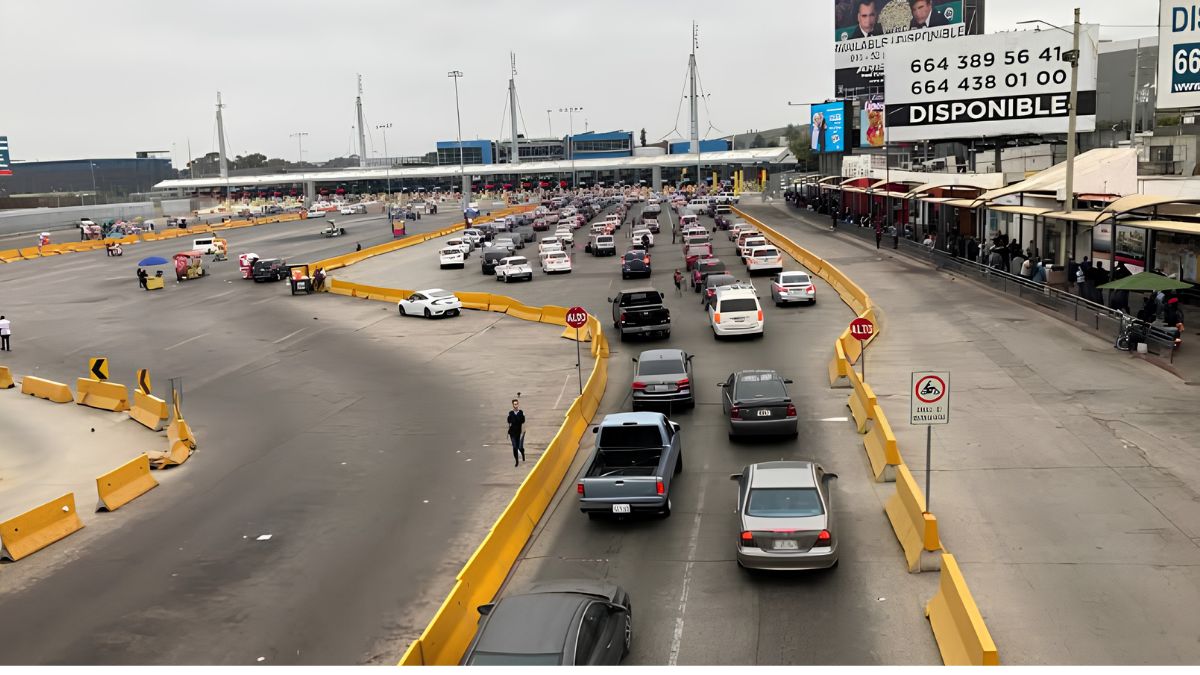
Crossing the U.S.-Mexico border at San Ysidro on foot can be straightforward when travelers understand the process and check current information before leaving. Conditions at the border can change because of operating schedules, traffic, construction, travel documents, or changes in official requirements.
The most useful preparation is therefore not based on assumptions or old travel advice. Travelers should confirm their documents, check official border information, understand where pedestrian facilities are located, and allow enough time for inspection.
San Ysidro is one of the busiest border areas in the region, so a short walk to the crossing can still involve waiting and additional procedures. Planning ahead can make the experience more predictable.
Documents
The first thing to check is whether you have the correct travel document for your circumstances.
U.S. citizens, lawful permanent residents, Mexican citizens, and other travelers can have different document requirements depending on their citizenship, immigration status, destination, and method of travel.
The U.S. Department of State provides official information about passports and international travel through its Travel.State.gov website.
Travelers should not rely on a general checklist if their situation involves a visa, residency status, minors, special permits, or other immigration circumstances. Check the requirements that apply specifically to you before starting the trip.
Carry required original documents rather than assuming that a photograph or photocopy will be accepted.
Pedestrian
San Ysidro has dedicated pedestrian crossing facilities, but travelers should verify the current access arrangements before leaving.
The U.S. Customs and Border Protection website provides official information about ports of entry and border operations. Its port-of-entry information can help travelers identify the relevant crossing and check current details.
The pedestrian route may involve walking between transportation areas and the inspection facility. If you are carrying luggage, travelling with children, or have mobility limitations, consider the physical demands of the route before departing.
Do not assume that information about one pedestrian crossing applies to every crossing in the San Ysidro area.
Hours
Border facilities can have specific operating arrangements, and travelers should confirm current hours before making a trip.
Even when a port of entry operates continuously, individual services, lanes, or nearby transportation options may have different schedules.
Official sources are preferable to older travel blogs or social media posts because border procedures can change.
If you need to cross at a particular time, check the current information shortly before leaving. This is especially important for early-morning, late-night, holiday, or time-sensitive travel.
Waiting
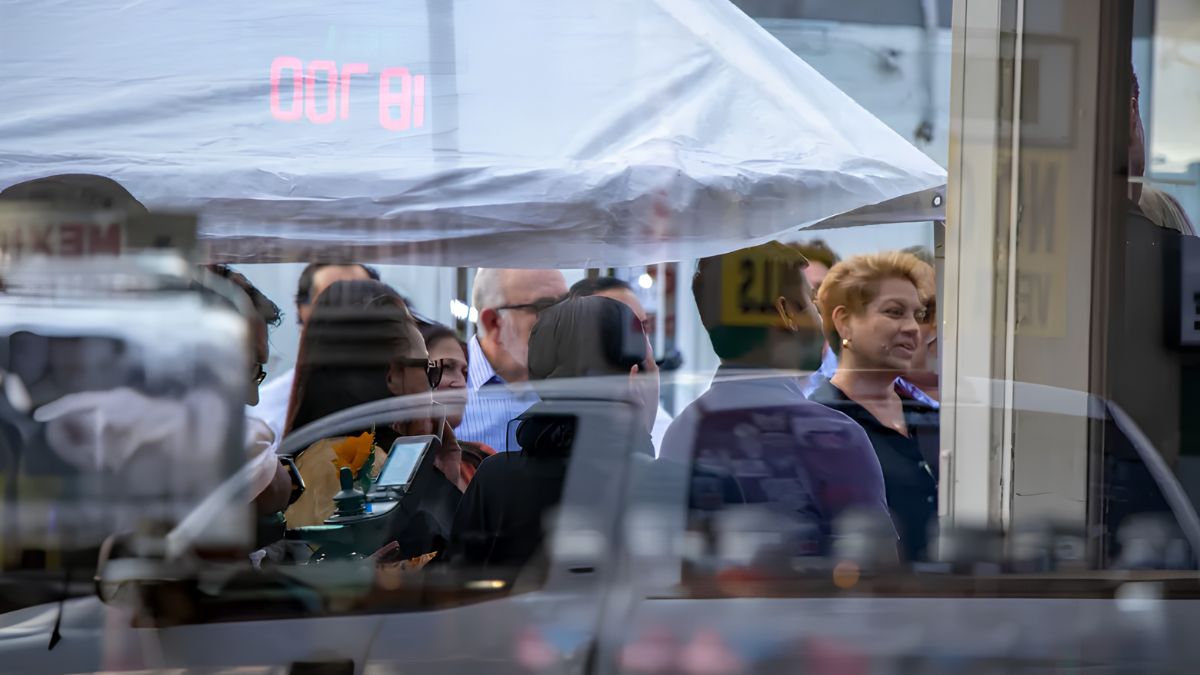
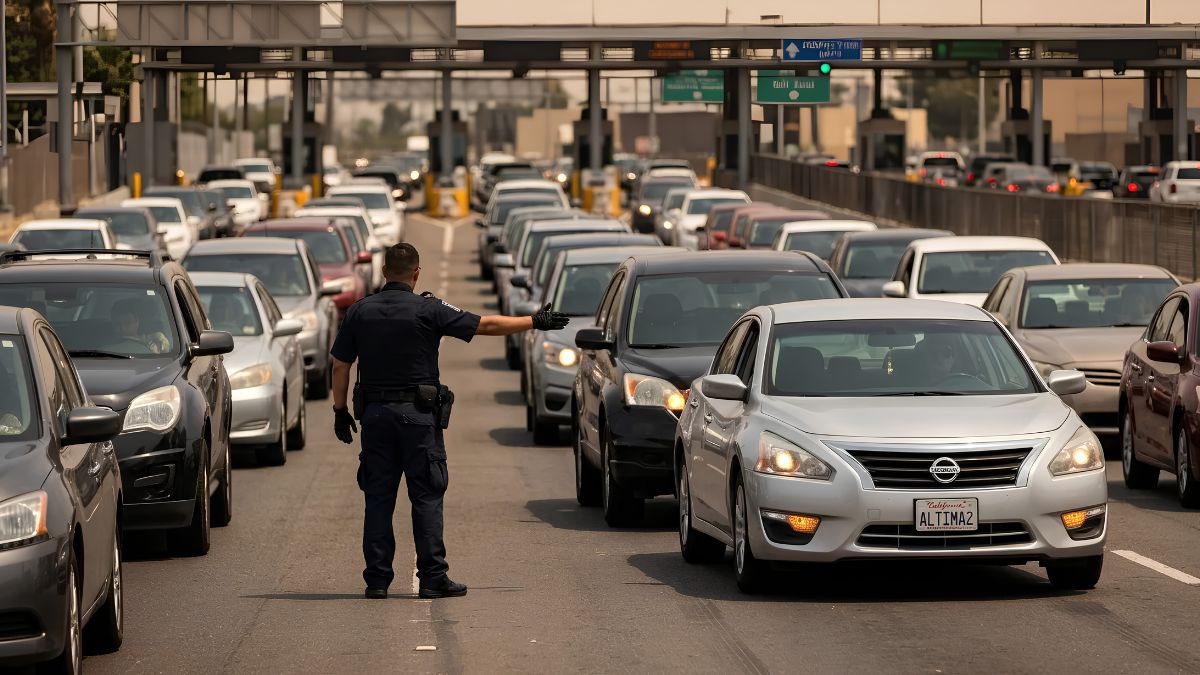
A pedestrian crossing can still involve a significant wait.
The time required depends on factors such as the number of travelers, staffing, inspection procedures, and current border conditions. A person who is walking rather than driving does not necessarily avoid the main inspection process.
If you have a flight, appointment, work shift, or other fixed commitment after crossing, allow additional time rather than planning around the shortest possible wait.
Travelers should also be prepared for the possibility that conditions may change during the day.
Inspection
Everyone entering the United States is subject to inspection by U.S. Customs and Border Protection.
The officer may ask questions about your identity, citizenship or immigration status, destination, purpose of travel, and items you are bringing into the country. Answer questions truthfully and follow instructions from officers.
Travelers should understand that having a valid document does not necessarily mean that entry is automatic. Border officers determine admissibility under applicable U.S. law.
The official CBP travel information provides guidance on entering the United States and related inspection procedures.
Customs
What you carry across the border matters.
Food, plants, agricultural products, medications, merchandise, and other items can be subject to restrictions or declaration requirements. Travelers should check official guidance before carrying unfamiliar goods across the border.
The U.S. Department of Agriculture’s APHIS traveler information is a useful official reference for agricultural products.
Do not assume that a small quantity is automatically exempt from declaration or inspection. If you are unsure about an item, check the relevant official guidance or ask a border officer.
It is generally better to understand the rules before arriving at inspection rather than discovering a restriction at the crossing.
Medication
People carrying prescription or other medication should check the applicable rules before travelling.
Keep medication in appropriate packaging and carry documentation when it is relevant to your circumstances. Certain controlled substances and medications can have additional requirements.
The rules can differ depending on the medication, quantity, country of origin, and destination. A general statement such as “personal medication is allowed” is not enough for every situation.
If your medication is medically necessary, plan ahead rather than waiting until the day of travel to investigate requirements.
Children
Traveling with children may require additional preparation.
Parents or guardians should confirm the documents needed for the child and understand whether any consent documentation is appropriate for their situation, particularly when a child is travelling with only one parent or with another adult.
Requirements can depend on citizenship, immigration status, custody arrangements, and travel circumstances.
Because family travel can involve additional documentation, check official government guidance before leaving rather than relying on informal advice.
Luggage
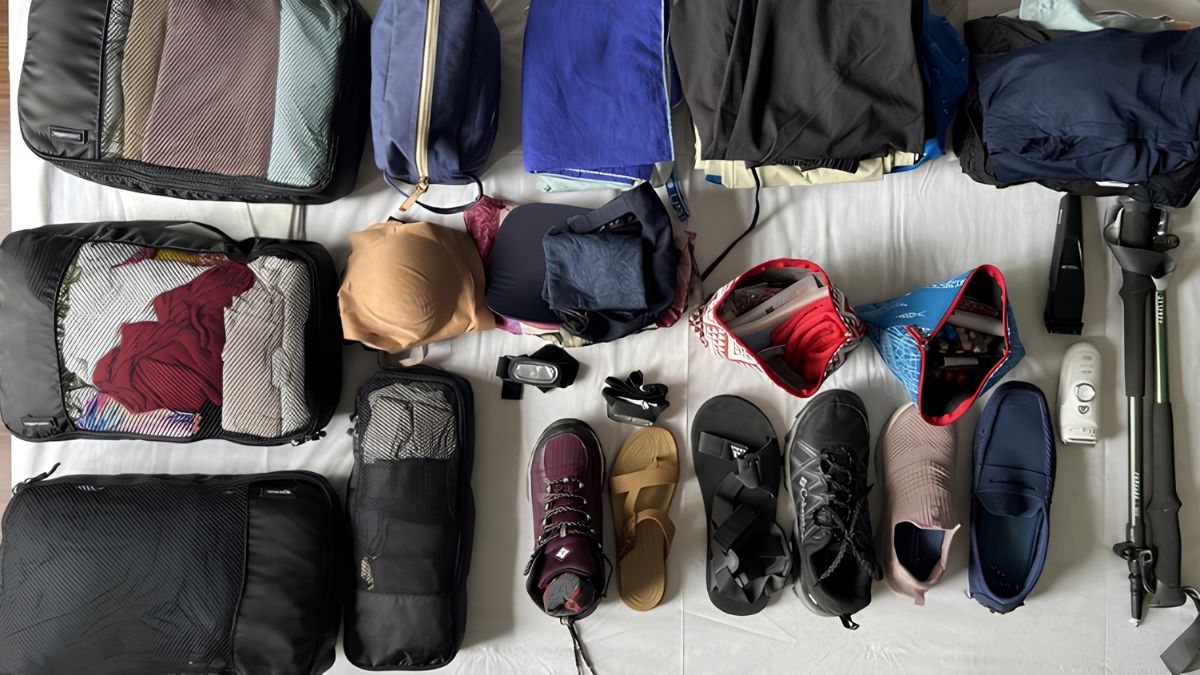
Walking across the border does not mean you should bring everything you might need.
A smaller bag is generally easier to manage while walking and waiting. Keep important documents, medications, and other essential items accessible.
Avoid carrying prohibited or restricted items simply because they are legal to possess in one country. Laws and import rules can differ across borders.
If you are carrying commercial goods, large quantities of merchandise, or items for someone else, investigate the applicable requirements before travelling.
Transportation
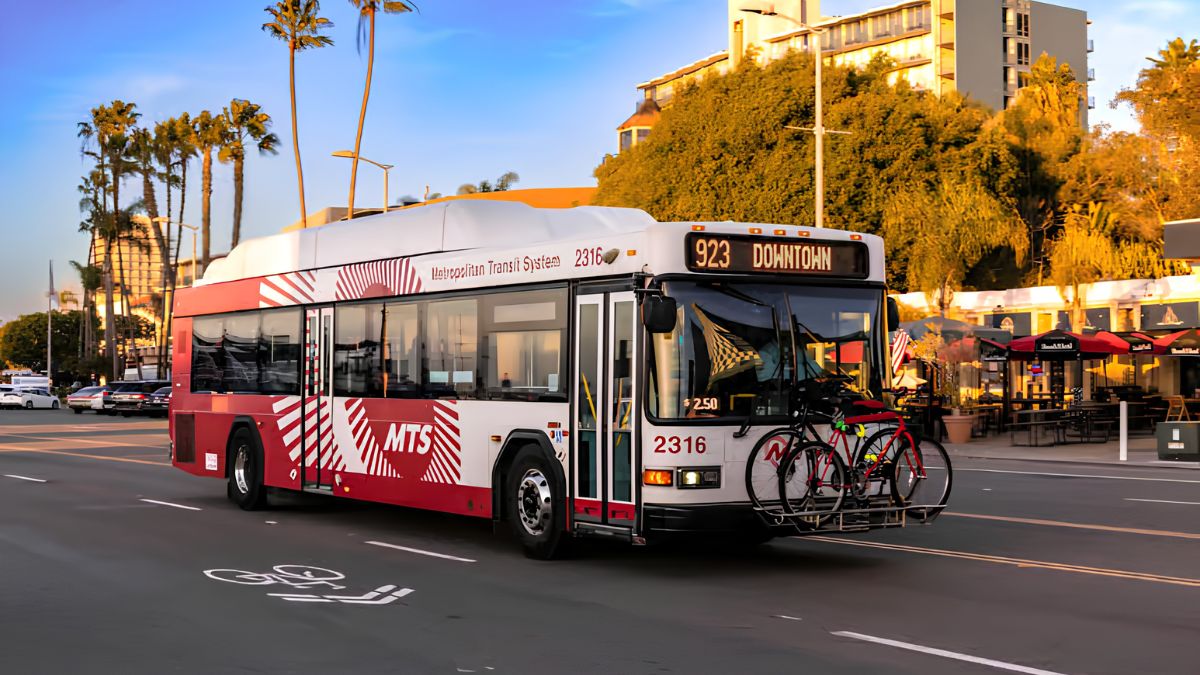
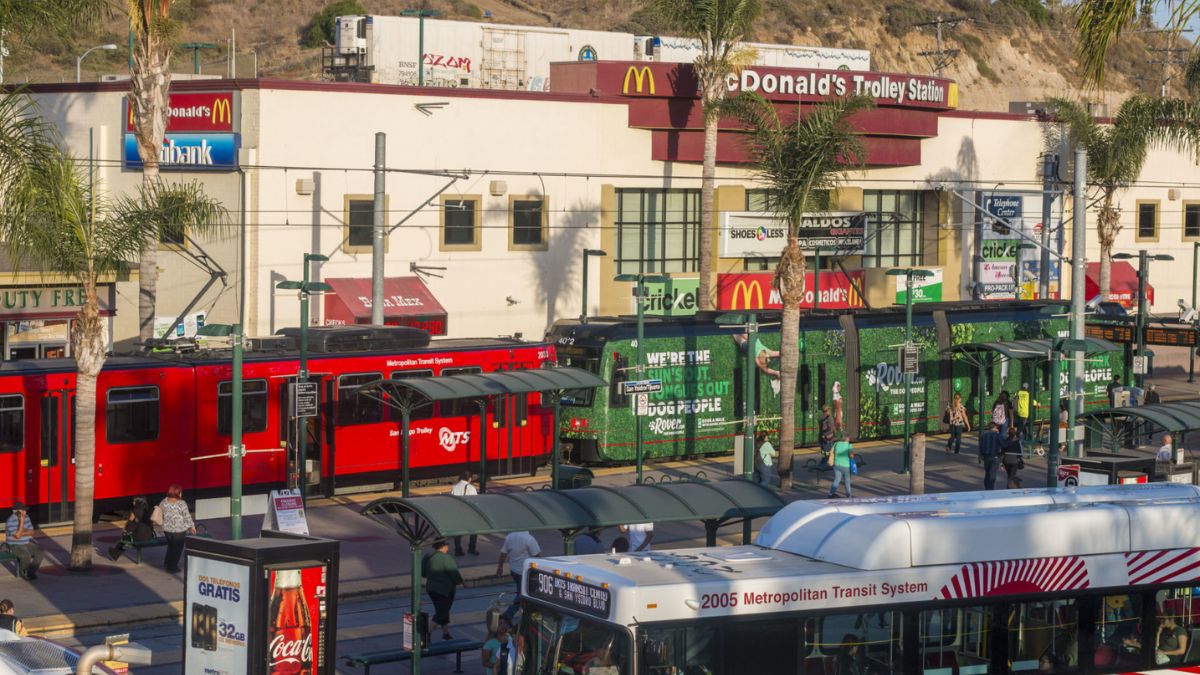
San Ysidro is connected to public transportation and other local travel options, but transportation arrangements can vary by time and location.
If you are arriving by car, rideshare, bus, or train, confirm where you will be dropped off and how you will reach the pedestrian crossing.
After completing the crossing, have a plan for your onward journey. Depending on your destination, you may need local public transportation, a taxi, rideshare service, or a private vehicle.
A border crossing is easier when both sides of the journey are planned.
Safety
Border areas can be busy and unfamiliar, so basic travel precautions are worthwhile.
Keep valuables secure, remain aware of your surroundings, and avoid displaying large amounts of cash. Follow signs and instructions from officials.
If you are travelling alone, let someone know your planned route and expected arrival time. Keep your phone charged, particularly if you rely on it for navigation or communication.
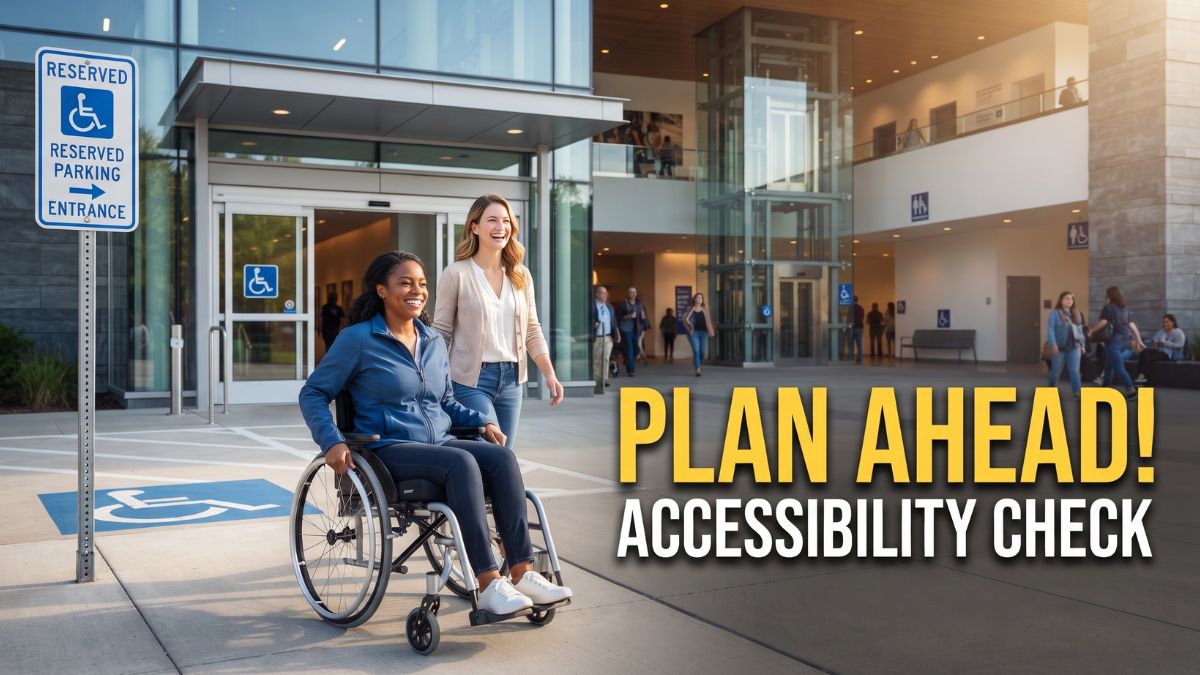
Travelers with mobility limitations should also consider the walking distance, queues, stairs, weather exposure, and availability of accessible facilities.
Updates
Border information can change quickly. Construction, security procedures, traffic, weather, and operational decisions can affect the experience.
Before leaving, check official sources rather than relying exclusively on information posted months or years earlier.
A practical pre-departure check includes:
| What to check | Why it matters |
|---|---|
| Travel documents | Confirms you have required identification |
| Port information | Helps identify the correct crossing |
| Operating details | Prevents problems caused by outdated schedules |
| Border conditions | Helps estimate potential delays |
| Customs rules | Identifies restricted or declarable items |
| Medication rules | Helps avoid problems with regulated medicines |
| Child documents | Confirms requirements for minors |
| Transportation | Ensures a plan on both sides |
| Weather | Helps with walking and waiting conditions |
Planning
The simplest way to prepare for a San Ysidro pedestrian crossing is to treat it as an international border crossing rather than an ordinary walk.
Check your specific travel documents, verify current information from official government sources, understand what you are carrying, and leave enough time for inspection. If your circumstances are unusual, such as travelling with children, carrying medication, or dealing with immigration documents, look for guidance specific to that situation.
Official information is particularly important because border requirements and operating conditions can change. The CBP San Ysidro Port of Entry information can be used alongside broader CBP travel guidance when confirming details.
Walking across the San Ysidro border can be a practical way to travel, but preparation matters. Check your documents, confirm the current crossing information, understand customs requirements, plan your transportation on both sides, and allow more time than the shortest possible scenario. The goal is not to predict every possible delay, but to arrive prepared for the procedures that apply to your trip.
FAQs
Can I cross San Ysidro on foot?
Yes. San Ysidro has pedestrian border crossing facilities.
What documents do I need?
Requirements depend on citizenship, status, and travel circumstances.
Should I check border information before leaving?
Yes. Operating details and conditions can change.
Can I bring food across the border?
Some foods are restricted or must be declared before entry.
How long does a pedestrian crossing take?
Wait times vary with traffic, staffing, and inspection conditions.