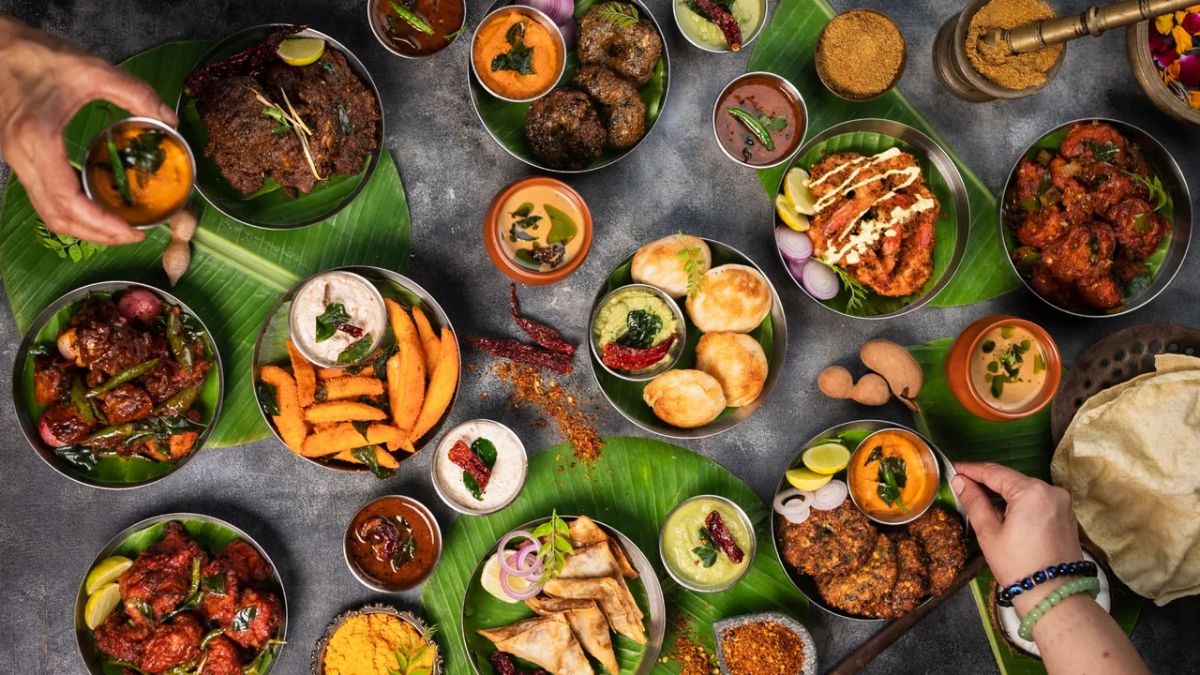
Visiting a new neighbourhood often means making choices without knowing the area very well. You may recognise the major chains, but finding an independent restaurant can provide a better sense of the local food scene. These smaller businesses may specialise in a regional cuisine, family recipes, seasonal ingredients, or a particular style of cooking that is not widely available elsewhere.
Finding them, however, can require a little more effort than opening the nearest map application and selecting the most familiar name. Independent restaurants do not always have the largest marketing budgets or the most reviews. Some may have limited online information, unusual opening hours, or a modest storefront that is easy to overlook.
A few practical methods can make the search easier while still leaving room for discovery.
Maps
Online maps are one of the quickest ways to identify restaurants in an unfamiliar area. Search for broad categories first rather than looking only for highly rated establishments.
Try terms such as “local restaurant,” “family restaurant,” “independent restaurant,” or the cuisine you want to try. Then look beyond the first few results.
Map listings can provide useful details such as opening hours, photographs, menus, addresses, and customer reviews. However, information can become outdated, particularly for smaller businesses. Check the restaurant’s own website or social media page when possible before making a special trip.
The map is best treated as a starting point, not a final recommendation.
Neighbours
People who live in the neighbourhood can often point visitors toward places that are less visible online.
Hotel staff, guesthouse hosts, shopkeepers, taxi drivers, and residents may know restaurants that do not appear prominently in travel guides. Ask specific questions rather than simply asking where to eat.
For example, you could ask, “Where would you go for a casual local dinner?” or “Is there a small restaurant nearby that residents use regularly?”
Specific questions tend to produce more useful answers because they give the person an idea of what you are looking for.
Streets
Walking through a neighbourhood can reveal restaurants that digital searches miss.
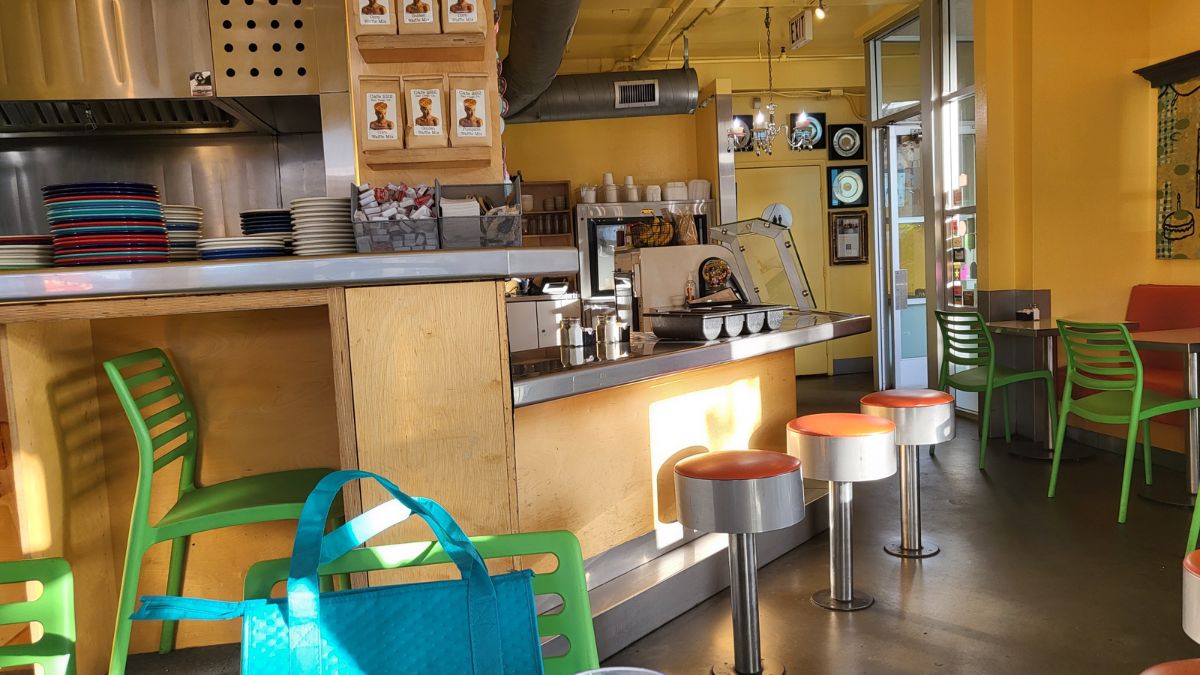
Look for small storefronts, handwritten menus, local signage, busy lunch counters, or dining rooms filled with residents. A restaurant may have a limited online presence but still have a steady local customer base.
Walking also gives you context. You can see whether the restaurant is open, whether the surrounding area feels suitable for your plans, and whether there are other independent businesses nearby.
If you have enough time, consider exploring a few streets away from the busiest commercial area. Restaurants in quieter locations may rely more heavily on local customers than passing tourists.
Reviews
Reviews can help you compare options, but they require some interpretation.
A restaurant with thousands of reviews has more online visibility than one with 50 reviews. That does not automatically make it a better choice. Review volume is influenced by location, marketing, age, customer demographics, and how actively a business asks customers for feedback.
Look for patterns rather than individual comments. Several recent reviews mentioning the same strengths or weaknesses may provide more useful information than one enthusiastic or negative review.
Pay attention to recent reviews when checking opening hours, menu changes, service times, or other details that can change quickly.
Menus
A restaurant’s menu can tell you a lot before you visit.
Independent restaurants often have a more focused menu than large chains. A smaller selection can reflect a particular culinary tradition or a kitchen built around a few specialties.
Look for dishes that appear specific to the restaurant rather than generic items available everywhere. Regional ingredients, traditional preparations, seasonal dishes, or family specialties can be signs of a distinctive offering.
Menus can also help you decide whether the restaurant suits your needs. Check vegetarian options, allergies, portion sizes, prices, and dietary information where available.
Timing
The time of day can affect which independent restaurants you discover.
Some small restaurants are busiest during lunch and quieter in the evening. Others may specialise in breakfast or close after an early dinner service.
Opening hours can also be different from the schedule of larger chains. A restaurant may close between lunch and dinner or operate only on selected days.
Check the current hours before setting out. If the restaurant is popular and accepts reservations, booking ahead can also save time.
Do not assume that a restaurant listed as open online is necessarily serving its full menu throughout the day.
Social
Social media can be particularly useful for finding smaller food businesses.
Independent restaurants often use platforms such as Instagram or Facebook to announce new dishes, temporary closures, special menus, events, and changes in opening hours.
Search the neighbourhood name alongside the type of food you want. Local food groups can also provide suggestions, although recommendations should still be checked against the restaurant’s current information.
Social media is most useful when treated as an additional source. A recent post can help confirm that a restaurant is currently operating, but it is still sensible to verify important details directly.
Markets
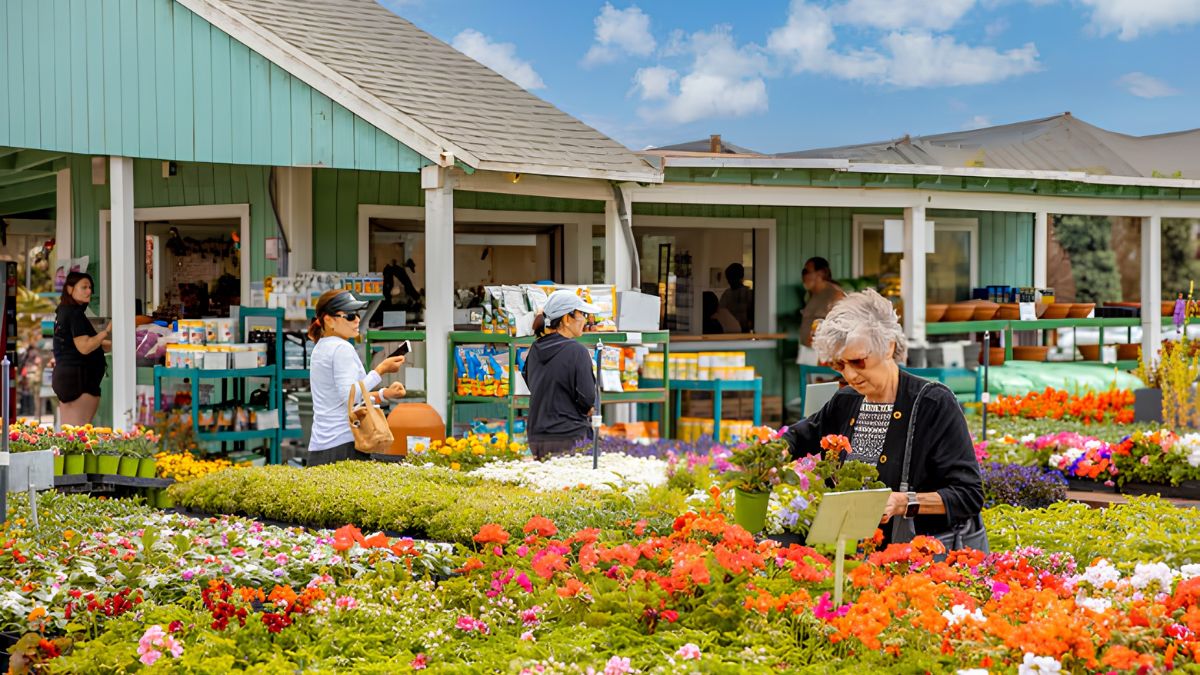
Local markets, food halls, and community events can introduce visitors to independent food businesses.
A vendor operating from a market stall may also have a permanent location elsewhere. Conversely, some food businesses may operate primarily through markets, pop-ups, or temporary events.
Ask vendors where they normally operate. You may discover a restaurant or food business that does not appear in conventional restaurant searches.
Markets also provide an opportunity to sample food before committing to a full meal, depending on the setting and portion sizes available.
Hotels
Accommodation providers can be a useful source of local information.
Hotel reception staff and hosts often receive questions from visitors about places to eat. They may know which nearby restaurants are convenient, which require reservations, and which are popular with local residents.
However, recommendations can sometimes reflect partnerships or convenience rather than personal preference. Ask for a few different options and explain what matters to you, such as price, cuisine, atmosphere, or walking distance.
If several people independently recommend the same restaurant, that can be a useful signal.
Prices
Independent restaurants operate across a wide range of price points. Do not assume that a small or informal restaurant is necessarily inexpensive.
Check the menu and pricing before sitting down when possible. Some restaurants publish menus online, while others display them outside.
Consider the full cost of the meal, including drinks, service charges, taxes, or other applicable fees.
If price is important, asking directly is perfectly reasonable. It is better to understand the expected cost before ordering than to make assumptions based on the restaurant’s appearance.
Authenticity
The word “authentic” can be difficult to define, particularly when discussing food from another culture.
Instead of trying to determine whether a restaurant is authentic based solely on its appearance, look at the food, ingredients, preparation methods, history, and people behind the business.
A restaurant can adapt dishes to local preferences while still offering a meaningful connection to a culinary tradition. Likewise, a restaurant with traditional decoration is not necessarily producing better food.
Learning a little about the cuisine before visiting can make the experience more informative. You may understand the menu better and know which dishes are commonly associated with the region.
Safety
Exploring unfamiliar restaurants should still involve basic food and personal safety considerations.
Check that the establishment appears clean and appropriately maintained. Pay attention to food-handling practices where they are visible. If you have a serious food allergy, communicate it clearly and confirm that the restaurant can accommodate it.
For restaurants in unfamiliar areas, consider how you will return to your accommodation after the meal. If you are travelling alone, especially at night, choose transportation and routes that you are comfortable using.
The purpose of exploring independently owned restaurants is to discover something new, not to ignore sensible precautions.
Discovery
Finding an independent restaurant is often less about locating the restaurant with the highest rating and more about understanding the neighbourhood.
Start with maps, then compare recent reviews, menus, social media updates, and local recommendations. Walk around if you have time. Look for businesses that appear to have a regular local customer base rather than focusing exclusively on the most visible tourist options.
A simple search process can look like this:
| Step | What to do |
|---|---|
| Search | Identify restaurants in the neighbourhood |
| Filter | Look for independent or locally focused options |
| Check | Review menus, prices, hours, and location |
| Compare | Read recent reviews for recurring patterns |
| Ask | Get recommendations from residents or local staff |
| Explore | Walk through nearby streets and markets |
| Confirm | Check current details before visiting |
The best independent restaurant discoveries often happen when you combine digital research with local observation. A map can show you where restaurants are, while residents, menus, recent reviews, and a walk through the neighbourhood can tell you more about what they are actually like. Leave some room for uncertainty, check practical details before visiting, and be willing to explore beyond the most visible options. A new neighbourhood can offer more than the restaurants that appear first in a search.
FAQs
How can I find local restaurants?
Use maps, local recommendations, markets, and neighbourhood walks.
Are restaurant reviews reliable?
They can help, especially when recent reviews show consistent patterns.
Should I check a restaurant’s menu first?
Yes. Check prices, dishes, dietary options, and availability.
Can hotel staff recommend local restaurants?
Yes. They may know nearby independent dining options.
Should I reserve an independent restaurant?
If reservations are accepted and demand is high, booking can help.