Going to your first community meeting can feel a little unfamiliar. You may not know who will be there, how formal the discussion will be, or whether you are expected to speak. The good news is that most community meetings are easier to navigate once you understand the basic process.
Whether the meeting is about a neighbourhood issue, local development, a residents’ association, a public project, or a community event, preparation does not have to be complicated. A few minutes of research, some notes, and a clear idea of what you want to learn can make the experience much more comfortable.
Purpose
Start by finding out why the meeting is being held. Look for an agenda, announcement, notice, email, social media post, or community website that explains the main topics.
The purpose matters because it tells you what kind of preparation makes sense. A meeting about road improvements may involve maps, construction schedules, and traffic concerns. A residents’ meeting may focus more on shared facilities, maintenance, security, or neighbourhood events.
Do not assume that you need to become an expert before attending. Your first meeting is often about understanding the discussion and learning how the group works.
Agenda
If an agenda is available, read it before you go. Pay attention to the order of topics and any items that may affect you directly.
An agenda can also help you decide whether you need to prepare a question. For example, if parking changes are being discussed, you might want to write down a specific concern about visitor parking or access.
Keep your notes short. A few bullet points are usually more useful than a page of carefully written arguments. Think of the agenda as a map rather than a test you need to pass.
People
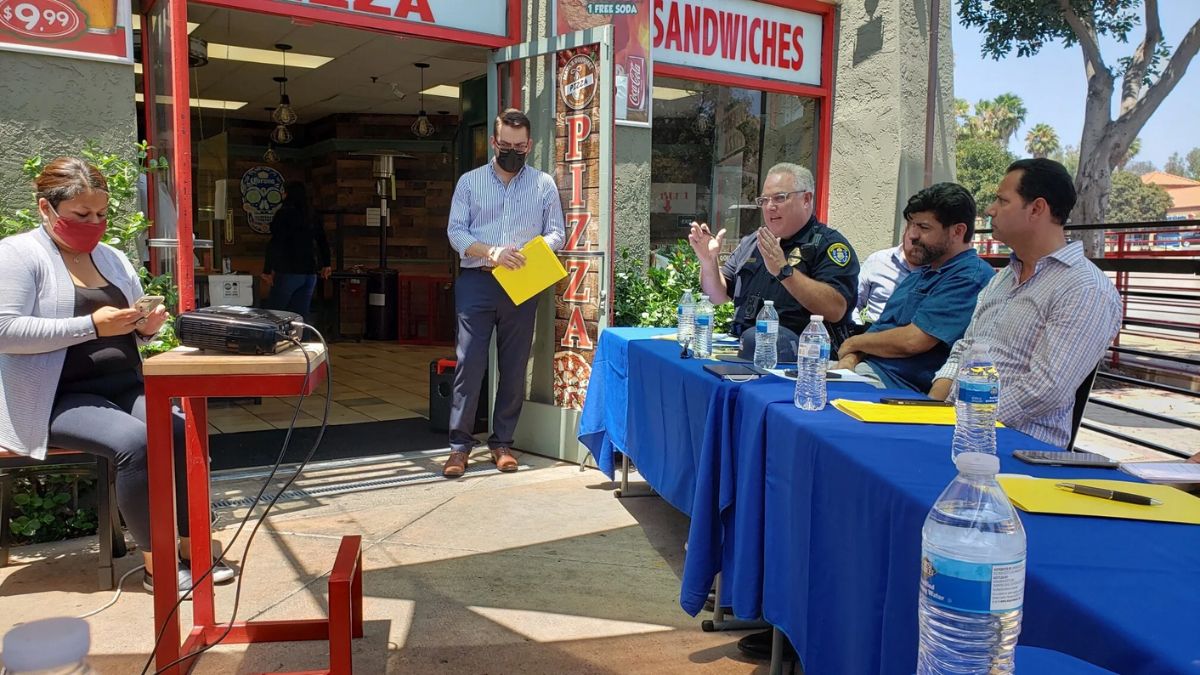
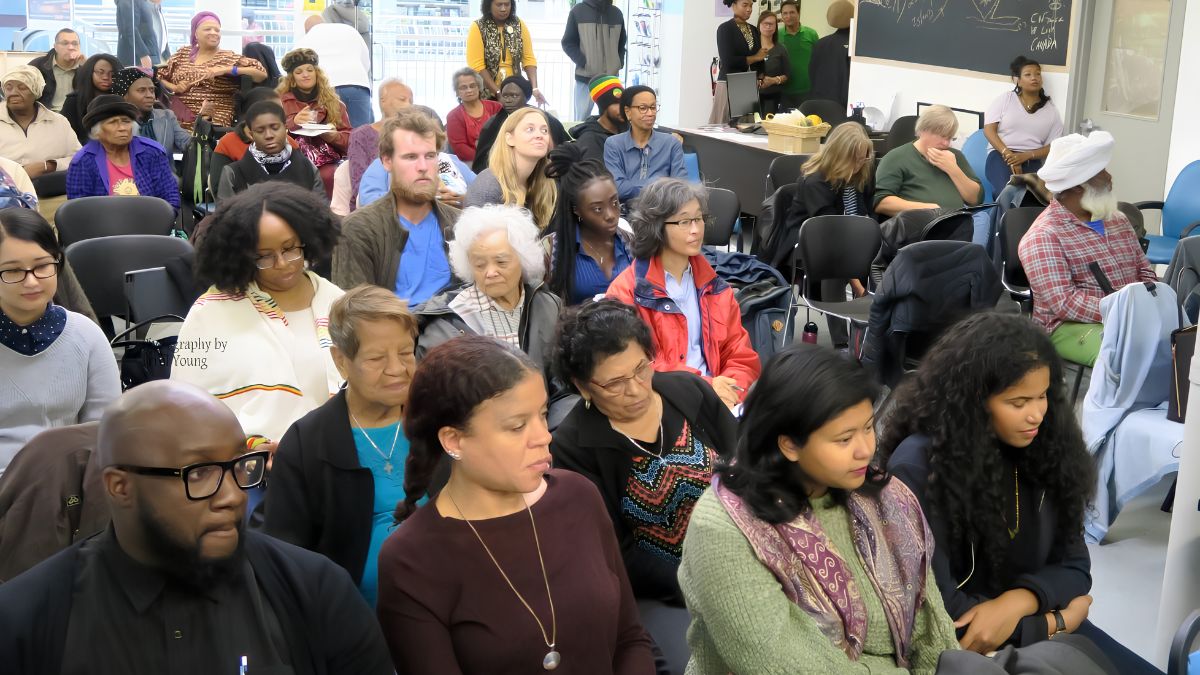
Community meetings can include residents, local officials, organisers, business owners, volunteers, committee members, and other interested people. The mix depends on the purpose of the meeting.
You may see people who already know each other well. That can make the room seem more intimidating than it actually is. Remember that being familiar with the group is not the same as having more right to participate.
If you are unsure who is leading the meeting, listen for the person introducing the agenda or managing the discussion. You can also introduce yourself to someone nearby and simply say that it is your first meeting.
Format
Meetings can follow very different formats. Some are informal conversations, while others use a structured agenda with a chairperson, scheduled speakers, questions, and decisions.
Before speaking, observe how the meeting works. Does the chair call on people? Do participants raise their hands? Are questions taken after each topic or at the end?
Watching the first few exchanges can tell you a lot. You do not need to jump into the conversation immediately. Listening first is often the easiest way to understand the room.
Questions
Prepare one or two questions before you arrive. They do not need to be complicated.
A useful question is specific and connected to the topic. Instead of asking, “What is happening with the area?” you could ask, “When is the proposed work expected to begin?”
If your question has already been answered, you can simply leave it off your list. There is no need to ask something just to participate.
You can also write down questions during the meeting. Sometimes another person’s comment will raise an issue you had not considered.
Speaking
You may or may not be expected to speak at your first community meeting. In many cases, attending and listening is perfectly reasonable.
If you do speak, keep your first contribution brief. Introduce yourself if appropriate, explain the issue, and ask your question or make your point.
Try to focus on information rather than personalities. If you disagree with another participant, respond to the idea instead of the person. A calm approach makes it easier for others to understand what you are actually asking for.
Notes
Taking notes can help you separate facts, opinions, and follow-up tasks. You might divide a page into three simple sections: important information, questions, and next steps.
For example:
| Notes | What to Record |
|---|---|
| Decisions | What was agreed |
| Dates | Deadlines or future meetings |
| Contacts | Relevant people or organisations |
| Questions | Issues needing clarification |
| Actions | What residents can do next |
Do not try to record every sentence. Concentrate on information that could affect you later.
Conduct
Basic meeting etiquette goes a long way. Arrive reasonably close to the scheduled start time, silence your phone, and avoid interrupting people while they are speaking.
You can disagree without making the conversation personal. Community discussions sometimes involve subjects that people care about strongly, especially when homes, public services, traffic, safety, or local development are involved.
A respectful tone does not mean avoiding difficult questions. It simply keeps the discussion focused on the issue.
Documents
Depending on the meeting, you may want to bring supporting material. This could include a previous notice, a letter, a photograph, a map, or a document related to the topic.
Do not bring a large collection of paperwork unless you know it will be useful. A small folder or digital note on your phone is usually enough.
If you are discussing a specific property, service, or local problem, having the relevant address, date, reference number, or other basic detail can help prevent confusion.
Technology
Check whether the meeting is in person, online, or offered in both formats. If it is online, test your microphone and internet connection beforehand.
For a virtual meeting, use your real name or another name that makes it clear who you are, follow the organiser’s instructions, and keep your microphone muted when you are not speaking.
If recording is allowed, make sure you understand the meeting’s rules before doing so. A recording should not replace your own notes, especially if you need to remember a decision or deadline.
Followup
The meeting itself may only be the beginning. Afterward, review your notes and identify anything that requires action.
Perhaps you need to submit feedback, contact an organisation, attend another meeting, or share information with neighbours. Put important dates into your calendar while they are still fresh.
If minutes are published later, compare them with your notes. Minutes can provide a useful record of decisions, but they may not include every comment made during the discussion.
Preparation
A simple checklist can make your first meeting easier:
- Check the date, time, and location.
- Read the agenda or meeting notice.
- Research unfamiliar terms or organisations.
- Prepare one or two questions.
- Bring a notebook or use a notes app.
- Carry relevant documents if needed.
- Arrive a few minutes early.
- Listen before deciding when to speak.
- Record important dates and decisions.
- Check for follow-up information afterward.
The main goal is not to make a perfect first impression. It is to understand what is being discussed, learn how the group operates, and decide how involved you want to be. Think of your first community meeting as opening a door rather than delivering a speech. Once you know what happens inside, future meetings usually feel much easier.
FAQs
Should I speak at my first meeting?
Only if you have a question or useful point to add.
What should I bring?
Bring the agenda, notes, and any relevant documents.
How early should I arrive?
Arrive a few minutes early to settle in.
Can I attend without speaking?
Yes. Listening is a useful way to learn the process.
What should I do afterward?
Review your notes and track any follow-up actions.