
Moving to a new neighbourhood is often treated as a simple housing decision. You compare rents or property prices, choose a suitable home, and then plan the move. In practice, the financial impact of a neighbourhood extends well beyond the monthly housing payment.
A home can have an attractive rent but come with expensive commuting costs, high utility bills, parking charges, maintenance expenses, or limited access to essential services. The reverse can also happen. A slightly more expensive home may reduce transport costs and make everyday errands easier.
That is why it helps to assess the neighbourhood as carefully as the property itself. Before signing a lease or purchase agreement, look at the full cost of living, the daily commute, utilities, safety, services, lifestyle, and possible changes in the area.
Budget
The first step is to calculate the real monthly cost of living rather than focusing only on rent.
For renters, the housing payment may include more than the advertised monthly rent. Ask about security deposits, maintenance charges, parking, water, waste collection, and other recurring fees. Some properties also have separate charges for amenities or community services.
For buyers, the calculation is broader. Mortgage payments may be accompanied by property taxes, insurance, homeowners’ association or community fees, maintenance, and repair costs.
A useful approach is to create a neighbourhood budget before deciding. List the expected housing payment and then add transportation, utilities, internet, groceries, parking and other regular expenses.
The Consumer Financial Protection Bureau provides housing guidance that can help consumers understand the wider costs associated with buying and maintaining a home: Consumer Financial Protection Bureau – Owning a Home.
The objective is not to find the cheapest neighbourhood. It is to find one where the total cost fits comfortably within your finances.
Commute
The distance between home and work can have a meaningful effect on your budget.
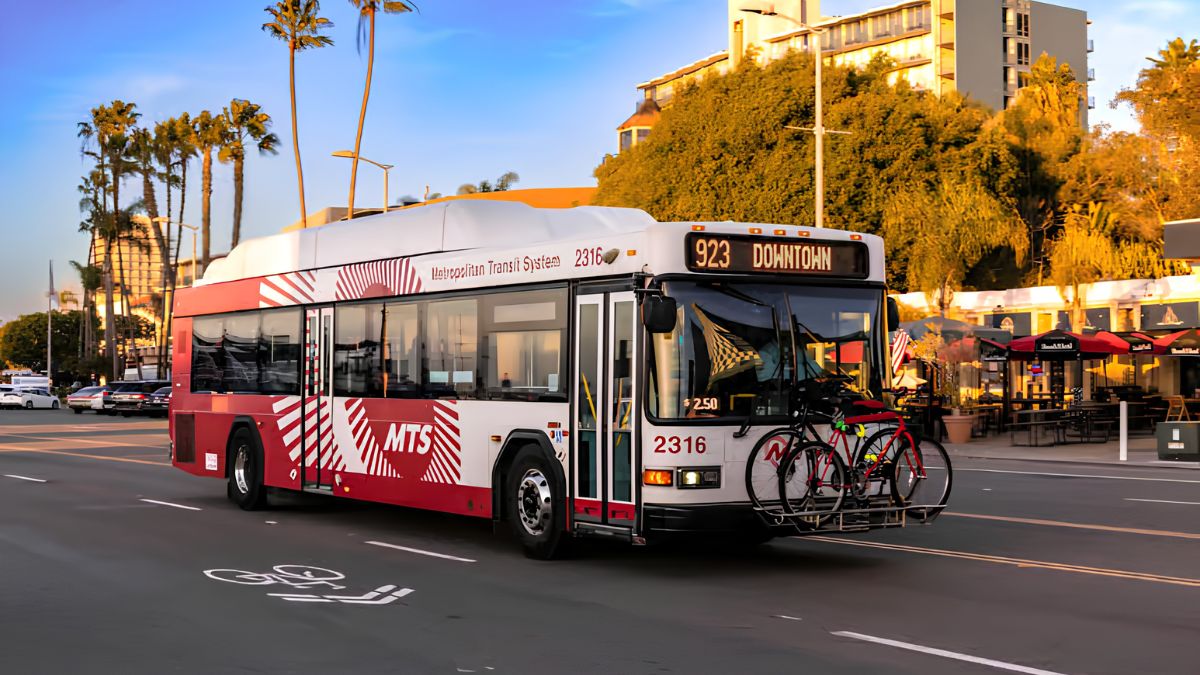
A property farther from your workplace may have lower rent, but the difference can disappear after adding fuel, public transport fares, tolls, parking and vehicle maintenance. There is also the value of time spent travelling.
Try the journey at the hours you would normally travel. A route that takes 20 minutes on a quiet afternoon could take considerably longer during the morning or evening peak.
Check more than one transport option. Look at public transport connections, road conditions, cycling routes and pedestrian access. If you work partly from home, consider how often you will need to travel to your workplace.
The U.S. Census Bureau publishes information on commuting patterns and transportation to work, which can be useful for understanding broader local travel trends: U.S. Census Bureau – Commuting.
A shorter commute can also reduce the need for a second vehicle. That can change the financial calculation substantially.
Utilities
Utility costs are another area where two similar properties can produce very different monthly bills.
Ask for recent electricity, gas and water bills where possible. If the property has extensive air conditioning, heating, or older appliances, energy use may be higher than expected.
The size and construction of a property also matter. Insulation, windows, roofing, ventilation and the age of major appliances can influence energy consumption.
Do not overlook internet and mobile connectivity. For people working remotely, unreliable service can create practical problems and potentially require a more expensive plan or backup connection.
It is also worth asking which utilities are included in the rent. A property advertised at a lower price may become less attractive if several services are billed separately.
Safety
Safety should be assessed through several sources rather than a single visit.
Visit the neighbourhood at different times of the day. Look at lighting, pedestrian activity, traffic, building access, parking areas and the general condition of public spaces.
If possible, speak with residents or nearby shop owners. They may provide practical information about recurring issues such as noise, parking, flooding or late-night activity.
For buyers and renters in areas exposed to natural hazards, check official information rather than relying only on what a property agent says. Flood risk, for example, can affect insurance costs, property decisions and future resale considerations.
In the United States, FEMA provides official flood mapping resources that allow people to investigate flood hazards for particular locations: FEMA Flood Maps.
Other countries have their own government agencies and public safety databases. Use those sources where available.
Services
Convenience is easy to underestimate when comparing homes.
A neighbourhood may offer a lower rent but require long trips for groceries, medical appointments, banking, schools or other regular needs. Over time, those journeys can add transportation costs and consume time.
Make a list of the places you visit regularly. Then check their distance from the property.
Consider supermarkets, pharmacies, hospitals, clinics, schools, banks, petrol stations, public transport stops and parcel collection points. Families may place particular importance on schools and healthcare, while older residents may prioritise medical services and easy transport.
You should also consider whether essential services remain accessible without a private vehicle. That can become important if your circumstances change later.
Parking
Parking deserves its own check because it can become a recurring expense.
Ask whether parking is included with the property. If it is not, find out whether residents need a permit, rent a separate space or rely on street parking.
Do not assume that free street parking means convenient parking. Visit the area during evenings and weekends when demand may be highest.
For households with more than one vehicle, calculate the full annual parking cost. Even a modest monthly charge can become significant over several years.
If you do not own a car, look at how easy it is to reach the property by public transport or on foot. Your transportation needs should influence your housing decision just as much as the number of bedrooms.
Lifestyle
Financial planning does not mean ignoring how you actually live.
Think about your normal routine. Do you prefer quiet streets or busy commercial areas? Do you use parks, restaurants, gyms, libraries or community centres? Do you spend weekends at home or travel frequently?
The answers can help determine whether a neighbourhood is suitable.
A neighbourhood with many nearby amenities may have higher housing costs, but it may also reduce transport expenses. Conversely, an inexpensive area with few services may require more spending on travel.
Noise is another factor that is easy to miss during a short property viewing. Visit during both weekdays and weekends. Check proximity to major roads, railway lines, schools, entertainment venues and construction sites.
Hidden Costs
Moving itself creates several one-time expenses that should be included in the budget.
These can include moving companies, packing materials, temporary storage, deposits, connection fees, furniture, appliances, repairs and cleaning.
For renters, clarify which repairs are the landlord’s responsibility and which costs fall to the tenant. For buyers, consider the condition of the property and the possibility of immediate maintenance work.
A basic comparison table can help:
| Cost | What to Check |
|---|---|
| Rent or mortgage | Monthly payment and future increases |
| Deposit | Amount and refund conditions |
| Utilities | Typical electricity, water and gas bills |
| Transport | Fuel, fares, tolls and parking |
| Internet | Availability, speed and installation |
| Maintenance | Tenant or owner responsibility |
| Moving | Movers, supplies and storage |
| Local charges | Permits, community or service fees |
| Insurance | Property or renters’ coverage |
| Repairs | Immediate and expected costs |
The point is to make invisible expenses visible before you commit.
Research
Online research should be combined with an in-person visit.
Property listings are useful for comparing prices, but they rarely provide a complete picture of daily life. Search for local transport information, public services, planned infrastructure and environmental risks.
If you are buying, compare recent property sales where reliable data is available. Asking prices do not necessarily represent final transaction values.
Renters should also understand how rents have changed over time and whether the landlord can increase the rent under local rules.
Check the neighbourhood on different days and at different times. A quiet Sunday morning may tell you little about weekday traffic. Similarly, a pleasant daytime visit may not reveal evening parking pressure or noise.
Future
A neighbourhood is not static.
New roads, transit stations, commercial developments, schools and housing projects can change an area considerably. Some changes may improve convenience and property values, while construction can temporarily create traffic, noise and disruption.
Before buying or signing a long lease, look for official planning information where it is available. Local government planning departments often publish proposed developments and infrastructure projects.
You do not need to predict exactly what the neighbourhood will look like in five years. Instead, identify major changes that are already planned or under discussion.
This is particularly important for buyers because the surrounding environment can influence long-term property value and the quality of daily life.
Checklist
Before committing to a new neighbourhood, ask yourself a few practical questions.
Can you afford the total monthly cost rather than just the advertised rent? Have you calculated your likely commuting expenses? Are utility bills reasonable for the property? Is parking affordable and convenient?
You should also ask whether the area meets your needs for healthcare, groceries, education, recreation and transport.
Visit at different times. Speak to residents when possible. Check official sources for safety, flood risk, transportation and planned developments.
Most importantly, compare neighbourhoods using the same criteria. A simple spreadsheet can make the decision clearer. List each area in one column and compare housing, transport, utilities, services, safety and lifestyle costs across the rows.
The right neighbourhood is not necessarily the one with the lowest rent. It is the one where the housing cost, everyday expenses and practical demands work together without placing unnecessary pressure on your finances. Looking beyond the monthly rent before you move can help prevent unpleasant financial surprises later.
FAQs
What costs should I check besides rent?
Check utilities, transport, parking, internet, maintenance and local fees.
How can I assess neighbourhood safety?
Visit at different times and check reliable official local information.
Should I calculate commuting costs?
Yes. Include fuel, fares, parking and regular travel expenses.
Why research future developments?
Projects can affect traffic, noise, services and property values.
How can I compare neighbourhoods?
Compare total costs, services, commute, safety and lifestyle needs.