Community events bring people together, create opportunities for social connection, and help residents take part in local activities. From neighborhood festivals and charity gatherings to cultural celebrations, workshops, and public information sessions, these events can strengthen relationships and make communities feel more connected. However, not everyone experiences an event in the same way. Unclear directions, crowded walkways, inaccessible entrances, or limited visitor information can make participation difficult for some people.
Local organisations in San Ysidro can make community events more welcoming by focusing on three practical areas: clear signage, inclusive activities, and useful visitor information. These improvements do not always require a large budget. Often, thoughtful planning, accessible communication, and a willingness to listen to community feedback can make a meaningful difference.
The goal is to help residents and visitors know where to go, what to expect, and how to participate comfortably. When accessibility is considered from the beginning, events can serve a wider audience and create a more positive experience for everyone.
Signage
Clear signage helps visitors navigate an event without repeatedly asking for directions. It is particularly important at larger gatherings, temporary outdoor events, community fairs, and venues with multiple entrances or activity areas.
Organisers should begin by identifying the locations where people are most likely to need guidance. These commonly include entrances, registration desks, restrooms, activity areas, food stalls, first-aid points, accessible routes, and exits.
Signs should use simple language and familiar symbols. For example, a sign reading “Registration” with an arrow is generally easier to understand than a long paragraph explaining where attendees should check in. Directional signs should also appear before visitors reach a decision point, rather than after they have already passed the correct turn.
Useful signage practices include:
- Use large, readable lettering with strong contrast between text and background.
- Keep messages short and avoid unnecessary abbreviations.
- Position signs at visible locations without blocking walkways.
- Use consistent wording and symbols throughout the venue.
- Provide clear directions to accessible entrances, restrooms, and seating areas.
- Display emergency exits and safety instructions according to applicable requirements.
Colour can help distinguish different areas, but organisers should not rely on colour alone. A visitor with colour vision deficiency may struggle to follow a route marked only by coloured dots. Combine colour with words, arrows, numbers, or recognisable symbols.
Lighting and placement matter too. A sign may be technically correct but ineffective if it is hidden behind a stall, placed too high, or difficult to read in bright sunlight. For evening events, check whether signs remain visible under the available lighting.
Before opening the event, ask someone unfamiliar with the venue to follow the signs from the entrance to key facilities. Their experience can reveal missing directions or confusing wording that the organising team might overlook.
Access
Physical accessibility should be considered before a venue is confirmed. An event may offer excellent activities, but visitors can only enjoy them if they can enter the space, move between areas, and access essential facilities.
Organisers should review entrances, paths, ramps, doors, seating, restrooms, and emergency routes. For outdoor events, check whether uneven ground, loose gravel, cables, temporary barriers, or crowded stalls could create obstacles.
Where possible, maintain clear routes wide enough for people using wheelchairs, walkers, mobility scooters, or other mobility aids. Avoid placing registration tables, promotional displays, or queues across these routes.
Seating is another important consideration. Some visitors may need frequent opportunities to sit, including older adults, pregnant visitors, and people with health conditions that are not immediately visible. Provide seating near activity areas and consider shaded rest areas for outdoor gatherings.
A practical accessibility review can include the following:
| Area | What organisers should check |
|---|---|
| Entrance | Is the entrance easy to find and accessible? |
| Pathways | Are routes clear, stable, and free of obstacles? |
| Seating | Are seats available at suitable intervals? |
| Restrooms | Are accessible facilities available and clearly marked? |
| Information desk | Can visitors approach and communicate comfortably? |
| Activities | Can people with different mobility needs participate? |
| Emergency arrangements | Can visitors with disabilities receive clear assistance? |
Do not assume that an accessible entrance is obvious to first-time visitors. If the main entrance has steps but another entrance is accessible, provide clear directions before visitors arrive and signs at the venue.
For events held in rented spaces, ask the venue operator about accessibility features and any restrictions before confirming the booking. Organisers should also review applicable accessibility requirements rather than relying only on a visual inspection.
Inclusion
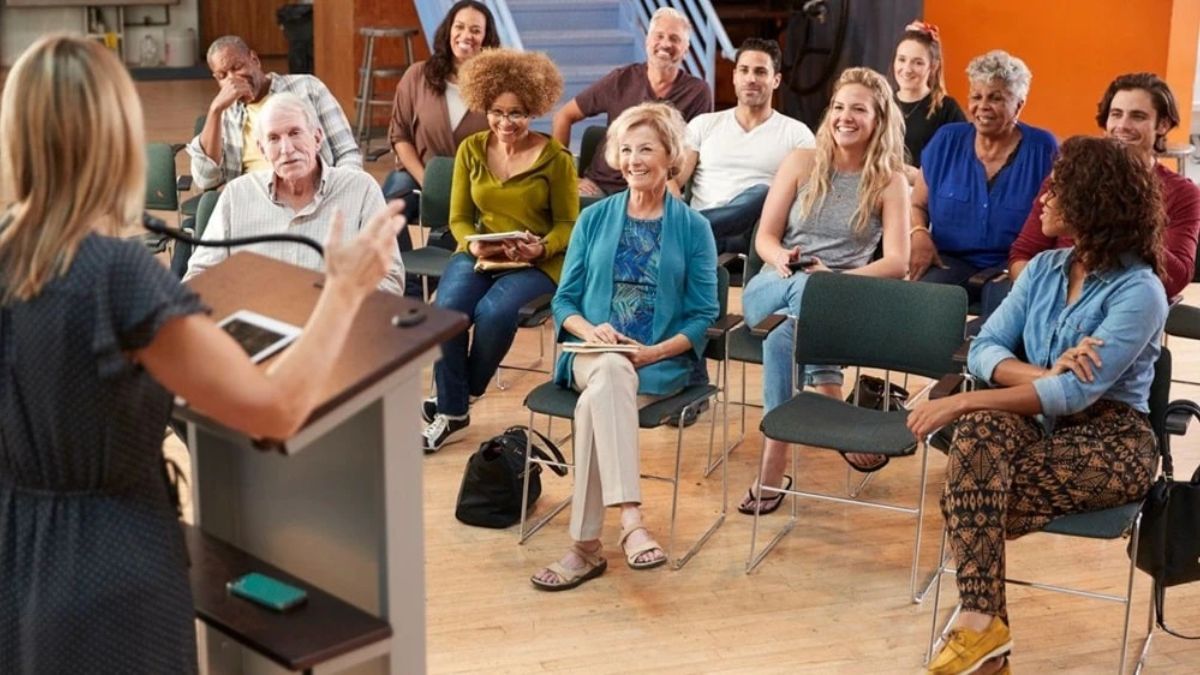
An inclusive event allows people with different abilities, ages, language preferences, cultural backgrounds, and communication needs to participate meaningfully. This requires more than inviting everyone. Organisers should consider whether activities are designed in ways that encourage broad participation.
For example, a community festival might include seated crafts, interactive demonstrations, quiet activities, and performances that visitors can enjoy without needing to stand for long periods. A workshop could offer written instructions alongside spoken explanations so participants can follow the activity in different ways.
When planning activities, ask whether participation depends on a particular physical ability, hearing or vision level, reading skill, or language. If it does, consider whether an alternative format can provide a similar experience.
Useful approaches include:
- Offer seated and standing options where practical.
- Provide written instructions for activities explained verbally.
- Use microphones for speakers addressing larger groups.
- Allow additional time for registration and participation.
- Provide a quieter area away from loud music and crowds.
- Choose activities suitable for different ages and experience levels.
- Avoid requiring visitors to disclose a disability to receive basic assistance.
Sensory needs deserve attention as well. Loud music, flashing lights, dense crowds, and unpredictable announcements can be uncomfortable for some visitors. Organisers may be able to provide a quieter space, publish information about loud activities, or schedule lower-noise periods.
Inclusive planning also means consulting the people who may use these arrangements. Local disability groups, senior organisations, schools, families, and community service providers may identify barriers that organisers have not considered.
Communication
Visitors often decide whether to attend an event based on the information available beforehand. If details are missing, they may be uncertain about transport, parking, entrance arrangements, facilities, or whether the activities are suitable for them.
A useful event announcement should explain the essentials in a clear, consistent format. This information should be available through the organisation’s website, social media posts, flyers, and registration messages where relevant.
Include:
- The event’s date, start time, and expected finishing time.
- The complete venue address and a recognisable location reference.
- Public transportation and parking information, where available.
- Entrance details and known accessibility features.
- Restroom, seating, and refreshment arrangements.
- Whether registration, tickets, or donations are required.
- Contact details for questions or accommodation requests.
- Any important restrictions, weather considerations, or activity requirements.
Avoid vague phrases such as “easy access” unless you explain what they mean. Visitors may need to know whether a route is step-free, whether accessible restrooms are available, or whether a particular entrance should be used.
Organisations in San Ysidro can direct visitors to the official San Diego Metropolitan Transit System website for regional transit information. Event organisers should check current routes and schedules before publishing specific travel advice, particularly if the event takes place during evenings or weekends.
The City of San Diego website is another starting point for municipal information and relevant department contacts. Organisers should confirm specific event requirements with the appropriate authority or venue operator rather than assuming that every public gathering follows the same rules.
Language
San Ysidro is part of a region where residents and visitors may prefer different languages. Providing information in more than one language can help more people understand event details, participate confidently, and ask for assistance when needed.
Organisers should consider the likely audience when deciding which languages to use. For some events, bilingual English and Spanish information may be especially helpful. The best choice depends on the community being served, so local feedback is more useful than assumptions about individual visitors.
Translations should be clear and consistent. Important details such as dates, times, addresses, safety instructions, and registration requirements need particular attention. If possible, ask a fluent speaker to review translated materials before they are distributed.
Visual communication can support written information. Maps, numbered steps, simple diagrams, and familiar symbols may help visitors understand directions even when they do not read the primary language comfortably.
However, symbols should not replace essential written explanations. A restroom icon may be widely understood, but instructions about emergency procedures or activity eligibility may require clear words.
For live events, organisers can consider bilingual volunteers at registration or information desks. If interpretation is available, state this in advance so visitors know what support they can expect.
Information
A well-organised information point can make the entire event easier to navigate. Visitors should be able to identify where to ask questions, report a problem, or find out about a schedule change.
Place the information desk near a clearly marked entrance or central route. Make sure it is easy to approach and that volunteers have access to an up-to-date event schedule, venue map, activity list, and contact details for key organisers.
Printed maps can be particularly useful at events with multiple activity zones. They should identify entrances, restrooms, accessible routes, seating, food areas, first aid, and exits where applicable. If the layout changes during setup, update the maps before distributing them.
Digital information can supplement printed materials. A mobile-friendly event page may contain directions, schedules, accessibility details, and answers to common questions. A QR code can link visitors to that page, but it should not be the only way to obtain important information. Some visitors may not have a smartphone, reliable internet access, or the ability to scan a code.
Organisers should also communicate changes promptly. If an activity moves to another area or a route becomes unavailable, update signs, online information, and volunteers at nearby locations. Consistency prevents visitors from receiving conflicting instructions.
Volunteers
Volunteers often shape the visitor experience more directly than any sign or printed guide. A friendly volunteer who understands the venue can help someone find a seat, locate an accessible route, or understand how to join an activity.
Before the event, provide volunteers with basic accessibility and communication guidance. They should know the venue layout, where essential facilities are located, how to contact the event coordinator, and what to do if a visitor requests assistance.
Encourage volunteers to ask before helping. For example, someone using a mobility aid may prefer to navigate independently rather than have another person move their equipment. Respectful questions allow visitors to explain what would be useful.
Volunteers should also avoid making assumptions about disability or communication needs. Not every disability is visible, and visitors may have different preferences for receiving information or assistance.
A simple briefing should cover:
- How to give clear, respectful directions.
- Where to find accessible facilities and seating.
- How to respond to requests for communication support.
- How to report blocked routes or missing signs.
- Who is responsible for safety concerns and complaints.
Assign volunteers to busy decision points, entrances, and activity areas when resources allow. Their presence can help visitors find their way without making the event feel overly controlled.
Publicity
Accessibility information should be part of event promotion rather than an afterthought. When organisations explain what visitors can expect, people can make informed decisions about attendance and prepare for their needs.
Include accessibility details in promotional materials using straightforward language. If the venue has a step-free entrance, say so if that has been verified. If seating is limited or an activity includes loud sound, explain this clearly. Do not advertise facilities or accommodations that have not been confirmed.
Photos and graphics should also be considered carefully. Use readable text, sufficient contrast, and meaningful descriptions for important images published online. Avoid putting essential details only inside an image, since that information may be difficult for screen-reader users to access.
For social media, provide the key information directly in the post instead of requiring visitors to follow multiple links. Keep the date, time, venue, and contact details consistent across platforms.
Organisations can also ask community partners to share event information through newsletters, local groups, schools, service organisations, and other relevant networks. This helps reach people who may not follow the organiser’s own social media accounts.
Feedback
Accessibility is an ongoing process. Even careful planning cannot anticipate every challenge, so organisers should provide a straightforward way for visitors to share feedback.
This might be a short online survey, a paper feedback card, a designated contact person, or a conversation with the event team. Ask specific questions rather than simply asking whether the event was accessible.
For example, visitors could be asked whether signs were easy to follow, whether the schedule was clear, whether seating was sufficient, and whether they could participate comfortably in their chosen activities.
Review the feedback alongside observations from volunteers. If several people struggled to find a restroom or locate an entrance, the organisation can adjust sign placement for the next event. If visitors found the online information confusing, the team can revise the event page before the next gathering.
Where possible, include people with different access needs in future planning and testing. Their input can help organisations identify practical improvements earlier, rather than making changes only after difficulties occur.
A brief review after each event can record what worked, what needs improvement, and who will be responsible for the next steps. Over time, this creates a repeatable approach that improves the experience for both visitors and organisers.
Preparation
Making community events more accessible does not have to mean creating a complicated plan. Local organisations in San Ysidro can start with a few manageable actions: inspect the venue, create clear signs, publish practical visitor information, offer flexible activities, and prepare volunteers to assist respectfully.
These steps are most effective when they are planned together. Clear publicity helps visitors prepare before arrival, accessible routes help them move around the venue, and trained volunteers provide support when questions arise. Feedback then helps organisers identify what should change next time.
An accessible event sends a simple message: everyone is welcome, and the organisation has taken practical steps to make participation easier. By building accessibility into event planning from the beginning, local groups can reduce confusion, encourage wider involvement, and create community gatherings that are more comfortable, inclusive, and useful for the people they serve.
FAQs
Why is clear signage important at community events?
It helps visitors find entrances, facilities, activities, and exits.
How can events include more people?
Offer flexible activities, accessible routes, seating, and clear instructions.
What information should event organisers publish?
Share the schedule, address, transport details, facilities, and contact information.
Should accessibility details appear in event publicity?
Yes. Visitors need accurate information to plan their attendance.
How can organisers improve future events?
Collect feedback and use it to address barriers and improve planning.









![Heavy traffic and long lines of cars waiting at the San Ysidro border crossing during a busy shopping rush[cite: 3].](https://sanysidrochamber.org/wp-content/uploads/2026/10/Getting-Around-San-Ysidro-During-Shopping-Rushes-and-Border-Delays-What-Travellers-Should-Plan-For.jpg)