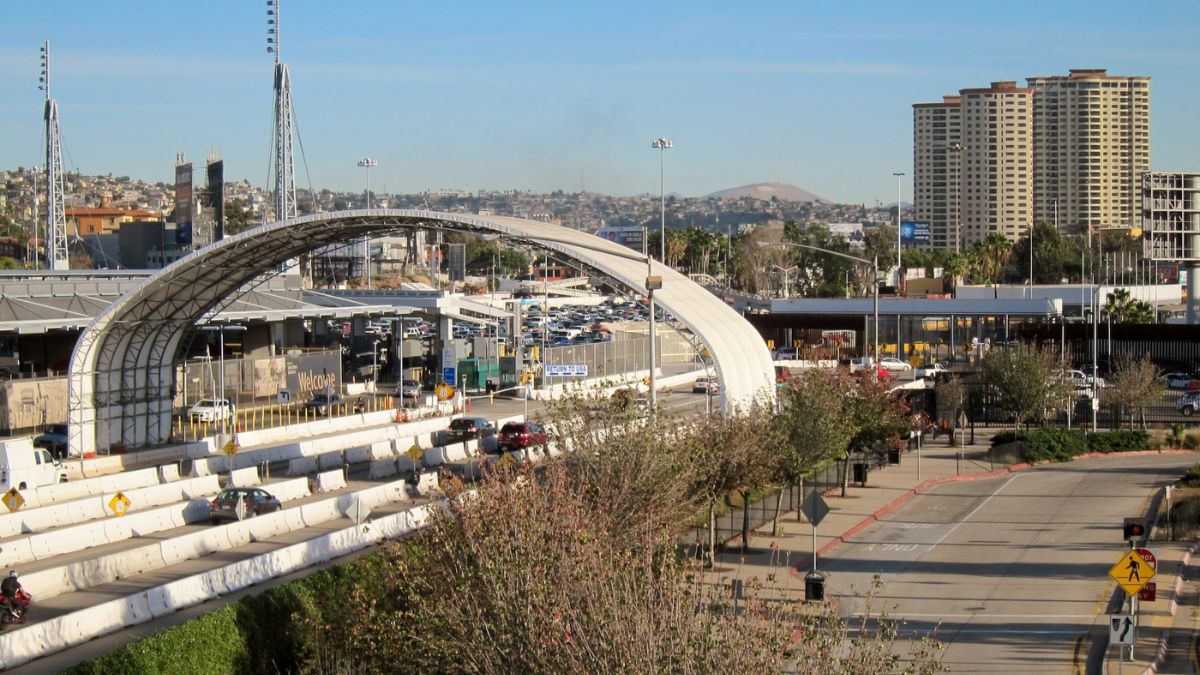
A shopping trip in San Ysidro can involve more than visiting a single store. Travellers may want to browse several retail outlets, pick up household essentials, meet friends for a meal, or combine shopping with a cross-border journey. Planning these stops in advance can make the day easier to manage, particularly when traffic is heavy or parking is limited.
San Ysidro’s location near the United States-Mexico border makes transportation an important part of the shopping experience. The San Diego Metropolitan Transit System’s trolley and bus services provide alternatives to driving, while walking can be practical for destinations located close together. Choosing suitable meeting points also helps groups stay organized when members want to shop at different stores or travel at different speeds.
The most effective plan depends on where the stores are located, how much shopping you expect to do, and whether your journey begins near a trolley station or elsewhere in San Diego County. With a clear route, realistic time allowances, and a backup plan, you can organize several stops without spending unnecessary time travelling between them.
Route
Start by listing every store or destination you want to visit. Include supermarkets, discount retailers, specialty shops, restaurants, and any other places you intend to visit during the day. Once you have your list, group the destinations by location rather than arranging them according to personal preference alone.
This simple step can reduce backtracking and make the trip easier to manage on foot or by public transportation.
For example, if several stores are within walking distance of one another, visit them together before travelling to a destination farther away. If one stop requires a trolley or bus journey, consider completing it at the beginning or end of the trip, depending on its location and opening hours.
Before finalizing the route, check the exact addresses of the stores. Businesses with similar names may operate at different locations, and a destination that appears close on a general map may be separated from another by a major road or an inconvenient walking route.
A useful route plan should identify three things for each stop: how you will get there, how long you expect to stay, and where you will go next.
Transit
Public transportation can simplify a multi-stop shopping trip by reducing the need to find parking at every destination. The San Diego Metropolitan Transit System (MTS) operates trolley and bus services throughout the region, including service to San Ysidro.
The UC San Diego Blue Line connects the San Ysidro Transit Center with destinations farther north, including downtown San Diego. Depending on where your trip begins and which stores you intend to visit, the trolley may provide a convenient starting point for your shopping itinerary.
Check the official San Diego MTS website for current routes, schedules, fares, service alerts, and trip-planning information.
Before leaving, confirm the location of the nearest station or bus stop to your first destination. Also check how frequently services run and whether transfers are required. A journey that involves several transfers may take longer than expected, especially if a connecting service is delayed.
Keep your return journey in mind when planning the day. If you expect to finish shopping in the evening, verify the available services and departure times rather than assuming that the same frequency will apply throughout the day.
For groups, agree on the station where everyone will meet before boarding. This is particularly helpful when some members are unfamiliar with the area.
Walking
Walking is often the most practical way to connect nearby shopping destinations. It eliminates the need to move a vehicle between stores and can provide flexibility when you want to browse several businesses in one area.
However, distance alone does not determine whether a walking route is convenient. Sidewalk availability, road crossings, traffic signals, accessibility, weather, and the weight of shopping bags all affect the experience.
Use a navigation application to check pedestrian directions rather than relying exclusively on driving routes. A road suitable for vehicles may not provide a safe or convenient walking connection.
When planning your itinerary, group nearby stores into short walking sections. Complete these stops together before returning to a transit station or moving to another part of San Ysidro.
Allow additional time for busy intersections, queues, and browsing. If you are travelling with children, older adults, or someone with mobility requirements, consider shorter walking distances and opportunities to rest.
It is also sensible to check the route again on the day of your visit. Temporary construction, blocked sidewalks, or changes to pedestrian access can affect the best way to reach a store.
Meeting
A clearly defined meeting point can make a group shopping trip easier to coordinate. Rather than arranging to meet somewhere vague, such as near a shopping centre, select a specific and recognizable location.
Suitable options may include a clearly identified transit station entrance, a publicly accessible plaza, or a designated meeting area near a major store. The location should be easy to find and should not obstruct pedestrian movement.
Agree on the meeting point before the group separates. Share the address or map pin with everyone and establish a return time.
For example, one person may want to visit clothing stores while another shops for groceries. They can explore separately and meet at the agreed location before continuing to the next destination.
It is useful to choose a backup meeting point in case the original location becomes crowded or inaccessible. Everyone should know what to do if a phone battery runs low or mobile reception becomes unreliable.
For larger groups, a shared messaging conversation can help coordinate changes. However, a clear meeting arrangement should not depend entirely on every participant having continuous mobile access.
Timing
A multi-stop shopping trip requires more than adding together the travel times between stores. Each visit may involve browsing, waiting in line, comparing products, making purchases, and packing items.
Create a realistic schedule that includes travel, shopping, meal breaks, and unexpected delays. Avoid planning every minute so tightly that a longer queue at one store disrupts the entire day.
The following example illustrates how a half-day shopping itinerary might be organized. These are planning estimates, not verified travel times or a route between specific stores.
| Activity | Suggested time |
|---|---|
| Reach the starting transit point | 20 minutes |
| Travel to the first shopping area | 20 minutes |
| Visit the first two stores | 60 minutes |
| Walk to nearby destinations | 15 minutes |
| Visit another store | 40 minutes |
| Take a meal or rest break | 30 minutes |
| Return to the transit point | 20 minutes |
This schedule accounts for approximately three hours and 25 minutes, before allowing for additional delays or a longer shopping session.
The actual duration will depend on store locations, transit connections, pedestrian conditions, and how long you spend at each destination.
If you have a fixed appointment or need to cross the international border afterward, finish the shopping portion early enough to accommodate those additional requirements.
Budget
Transportation costs should be considered alongside shopping expenses. Depending on your itinerary, you may need to pay for trolley or bus fares, parking, or other transport services.
Check current transit fares before travelling and determine whether a day pass or another fare option would be suitable for your journey. Compare the cost of public transportation with driving, taking into account parking charges and the number of people travelling together.
Walking between nearby destinations can reduce transport expenses, although it may not be practical for every stop.
You should also consider how much you plan to purchase. A route that works well when carrying a small shopping bag may become inconvenient after buying bulky household products or several bags of clothing.
For heavier purchases, consider visiting the stores selling bulky items near the end of the trip, provided their locations and opening hours make this practical. Another option is to return to an appropriate storage point before continuing, where facilities and arrangements permit.
Keeping transportation and shopping budgets separate can help you understand the total cost of the outing.
Essentials
Preparing a few items before leaving can make the journey more manageable. Carry a charged phone, a payment method, any required identification, and the information needed to locate your destinations.
A reusable shopping bag can help consolidate purchases, while comfortable shoes are useful when walking between stores. Water and weather-appropriate clothing may also be helpful, depending on the season.
If your shopping trip includes an international border crossing, check the applicable documentation and entry requirements before departing. Do not assume that shopping receipts or ordinary identification will meet every requirement.
The official U.S. Customs and Border Protection travel website provides information about entering the United States and preparing for inspection. Travellers should review the rules relevant to their circumstances and check current border wait times when crossing.
Keep important documents secure and accessible. If travelling with a group, establish who will carry essential reservations or itinerary details and make sure everyone understands the plan.
It is also worth saving important addresses for offline access in case mobile connectivity becomes unreliable.
Flexibility
Even a carefully prepared itinerary may need adjustments. A store could be unexpectedly closed, a trolley service could experience a delay, or a particular shopping area could be busier than anticipated.
Build some flexibility into the schedule instead of treating the itinerary as a fixed sequence that cannot change.
If a store has a long queue, consider visiting a nearby destination first and returning later. If walking conditions are uncomfortable, review whether a suitable transit connection is available.
Prioritize the stops that matter most. If the main purpose of the trip is to purchase specific products, complete those visits before spending time at optional destinations.
You should also check store opening hours before departure, especially during public holidays and seasonal shopping periods. Business hours can vary, and an itinerary based on outdated information may require unnecessary detours.
The City of San Diego’s official website provides information about city services and public resources that may be useful when checking local arrangements. For individual stores and shopping centres, confirm opening hours and access details directly with the relevant business.
Checklist
Before leaving, review your route from beginning to end. Confirm the locations of your first and final stops, identify nearby transit connections, and decide where your group will meet if members separate.
Make sure the itinerary accounts for walking distances, shopping time, meals, and the return journey. If you are crossing the border, include time for the applicable crossing procedures rather than treating the border as an ordinary stop.
A short final review can help identify gaps that are easy to overlook when planning several destinations.
For travellers shopping in San Ysidro, combining public transportation with walking can provide a practical way to visit multiple stores without repeatedly moving a vehicle. The most useful itinerary is one that groups destinations sensibly, uses verified transit information, and includes convenient meeting points.
By allowing realistic time for shopping and travel, checking current service conditions, and keeping alternative arrangements available, visitors can make their trip more organized and manageable.
FAQs
Can I shop around San Ysidro using public transportation?
Yes. MTS trolley and bus services connect San Ysidro with other regional destinations.
How should I organize multiple shopping stops?
Group nearby stores together and plan transit journeys around more distant destinations.
Where should a shopping group meet?
Choose a recognizable, accessible location and share its exact address or map pin.
How much time should I allow for a shopping trip?
Include travel, walking, shopping, meals, queues, and possible transportation delays.
Should I check transit schedules before leaving?
Yes. Confirm routes, fares, departure times, and service alerts before travelling.
![Heavy traffic and long lines of cars waiting at the San Ysidro border crossing during a busy shopping rush[cite: 3].](https://sanysidrochamber.org/wp-content/uploads/2026/10/Getting-Around-San-Ysidro-During-Shopping-Rushes-and-Border-Delays-What-Travellers-Should-Plan-For.jpg)