Opening a small shop can look straightforward from the outside. Find a suitable location, negotiate the rent, sign the lease, fit out the space, and open the doors. In practice, the lease is one of the most important financial commitments a small business owner makes, and a poor decision at this stage can create problems long after the opening day.
A good location matters, but it is only one part of the decision. Before signing anything, you need to understand the total occupancy cost, lease terms, permitted business use, condition of the property, local regulations, and the flexibility you will have if the business changes.
Think of the lease as the foundation of the shop. If the foundation is unsuitable, even a well-run business can become difficult to manage.
Budget
Start with the numbers rather than the appearance of the property.
Monthly rent is rarely the full cost of occupying a shop. Depending on the lease, you may also pay service charges, common-area expenses, property taxes, insurance, utilities, maintenance, security deposits, and other fees.
Create a complete occupancy budget before making an offer.
| Cost | What to Check |
|---|---|
| Base rent | Monthly or annual amount |
| Deposit | Amount and refund conditions |
| Utilities | Electricity, water, gas, internet |
| Maintenance | Repairs and common-area costs |
| Taxes | Which party is responsible |
| Insurance | Required business or property cover |
| Fit-out | Renovation and installation costs |
| Licences | Local permits and approvals |
A shop that looks inexpensive on rent can become expensive after these additional costs are included.
Location
A good location is about more than foot traffic.
Consider who passes the property, when they pass it, and whether those people are potential customers. A busy road may have thousands of vehicles but very few pedestrians who can conveniently stop.
Visit the area at different times of day and on different days of the week. Observe customer activity, nearby businesses, parking, public transport, visibility, lighting, and general accessibility.
If possible, speak with neighboring business owners. They may provide practical information about the area that is not obvious during a property viewing.
Demand
Before committing to a lease, understand whether enough customers are likely to support the shop.
Look at the surrounding population, competing businesses, customer spending patterns, and the reasons people visit the area. A location can be excellent for one type of shop and unsuitable for another.
For example, a convenience store may benefit from residential traffic, while a specialist furniture business may need customers who are willing to travel specifically to the store.
Do not assume that a successful neighboring business proves your concept will work. Competition can indicate demand, but it can also make customer acquisition more difficult.
Lease
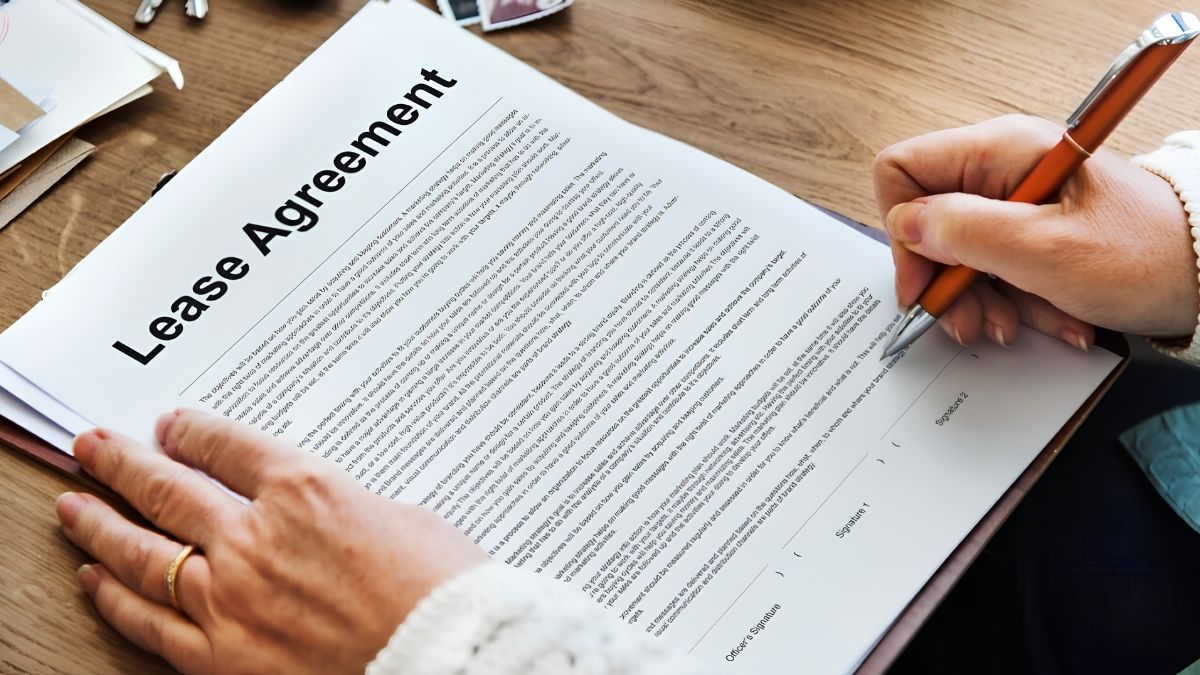
Read the lease carefully before signing.
The agreement should clearly explain the rent, payment dates, lease duration, renewal options, deposit, permitted use, repair responsibilities, insurance requirements, termination provisions, and other obligations.
Do not rely solely on verbal promises from the landlord or agent. If an important term was discussed during negotiations, make sure it appears in the written agreement.
Commercial leases can be complex, and the rules differ by jurisdiction. Having a qualified commercial property lawyer review the agreement can be worthwhile before you make a long-term commitment.
Increases
Find out whether the rent can increase during the lease.
Some agreements include fixed annual increases, while others use a review mechanism tied to market rents or another measure. You need to know when increases can occur and how they are calculated.
A small increase may appear manageable today, but several increases over a multi-year lease can materially change your operating costs.
Ask for the expected rent schedule in writing. That allows you to include future occupancy costs in your business projections rather than planning only around the starting rent.
Repairs
One of the most overlooked lease questions is who pays when something breaks.
The lease should distinguish between the landlord’s responsibilities and the tenant’s responsibilities. This may cover plumbing, electrical systems, heating and cooling equipment, roofs, windows, doors, structural elements, and internal fixtures.
Do not assume that an old building will be repaired by the landlord simply because the problem existed before you moved in.
If the property has known defects, document them before signing and establish in writing who will correct them and when.
Condition
Inspect the property carefully before committing.
Look beyond the walls and flooring. Check electrical capacity, plumbing, drainage, ventilation, lighting, heating or cooling systems, doors, windows, storage areas, toilets, and internet connectivity.
For some businesses, the existing electrical supply or ventilation system may not support the equipment required for operations.
A professional inspection can identify problems that are easy to miss during a short viewing.
Take photographs and keep records of the property’s condition. These can become useful when you eventually leave the premises and the condition of the property is assessed.
Permission
Confirm that your intended business activity is permitted at the property.
A shop being advertised as commercial space does not necessarily mean every type of retail or service business can operate there.
Check zoning, planning rules, building requirements, licensing conditions, and any restrictions contained in the lease.
For example, a business involving food preparation may require different approvals and building facilities from a clothing store.
The U.S. Small Business Administration provides official guidance on licenses and permits and notes that requirements vary according to business activity and location:
https://www.sba.gov/business-guide/launch-your-business/apply-licenses-permits
If you are outside the United States, check the relevant local authority or government business portal before signing.
Fitout
Calculate how much it will cost to make the shop operational.
You may need shelving, counters, signage, lighting, flooring, painting, electrical work, security systems, refrigeration, plumbing, furniture, or specialist equipment.
Then determine whether the landlord allows the alterations you need.
Some leases require written permission before structural or cosmetic changes. Others may specify approved contractors, working hours, materials, or restoration obligations when the lease ends.
Ask whether the landlord will provide a fit-out period during which you can prepare the premises before opening. Depending on the agreement, this period may be rent-free or subject to reduced charges.
Any concession should be documented in the lease.
Signage
Your shop needs to be visible, but signage may be subject to restrictions.
Check whether the landlord controls the size, position, design, lighting, or installation method. Local authorities may also require approval for certain signs.
Do not assume that a prominent sign visible from the street can be installed simply because another business has one nearby.
If visibility is essential to your business model, resolve the signage question before signing.
Access
Consider how customers, employees, suppliers, and contractors will enter and use the property.
Check opening-hour restrictions, loading arrangements, delivery access, parking, pedestrian access, accessibility requirements, and shared areas.
A shop may have excellent customer traffic but poor delivery access. That can become a recurring operational problem if you receive frequent stock shipments.
Also determine who has access to shared spaces and whether the landlord can change those arrangements during the lease.
Competition
Study nearby businesses before committing.
Competitors are not automatically a reason to reject a property. In some cases, businesses selling related products can create a useful retail cluster and attract more customers to the area.
However, you should understand the competitive landscape.
Visit competing shops. Compare their pricing, product selection, customer service, opening hours, presentation, and apparent customer volume.
Ask yourself what would make someone choose your shop instead.
If your only advantage is a slightly lower price, make sure your financial model can support that strategy.
Insurance
Find out what insurance the lease requires and what coverage your business needs.
A landlord may require particular liability or property coverage and may ask for evidence before you take possession.
Your own business may also need protection for stock, equipment, interruption of trading, employees, and other risks.
Insurance requirements vary by business and location, so discuss them with an appropriately qualified insurance professional.
The U.S. Small Business Administration provides an overview of common business insurance considerations here:
https://www.sba.gov/business-guide/launch-your-business/get-business-insurance
Do not wait until after signing the lease to discover that the property’s insurance requirements significantly increase your operating costs.
Exit
Think about how you will leave the lease before you enter it.
Businesses change. Sales may be lower than expected, the owner may want to relocate, or the business may grow beyond the space.
Review the lease’s termination, assignment, subletting, and renewal provisions.
An assignment provision may matter if you eventually sell the business. A subletting provision may matter if you need to share or vacate the premises before the lease expires.
Also understand what happens to your fixtures and improvements when the lease ends. You may be required to remove certain installations and restore the property.
The cheapest way out of a difficult lease is often to understand the exit terms before signing it.
Documents
Do not evaluate the property using the lease alone.
Ask for relevant documents and information, including building rules, service-charge information, permitted-use details, property plans, maintenance records where available, and any documents affecting your intended use.
If the landlord makes a promise about repairs, improvements, signage, parking, rent concessions, or access, get it in writing.
Keep copies of everything you sign and every important communication connected to the lease.
For U.S. businesses, the Federal Trade Commission also provides general information about understanding contracts and business dealings, although commercial property rules themselves are primarily governed by applicable state and local law:
https://www.ftc.gov/business-guidance
Numbers
Once you have gathered the information, put it into a simple financial model.
Estimate your expected monthly sales, gross margin, wages, utilities, inventory, marketing, taxes, insurance, occupancy costs, and other operating expenses.
Then test several scenarios.
What happens if sales are 20% below your forecast? What if rent rises? What if the shop takes six months longer than expected to reach stable sales?
This exercise can reveal whether the lease is affordable under realistic conditions.
A location that only works when every assumption goes right may carry too much financial risk.
Negotiation
Remember that the lease is a commercial agreement, not a fixed set of terms that you must automatically accept.
Depending on the property and market, you may be able to negotiate rent, the length of the lease, renewal options, rent-free fit-out time, repairs, signage rights, deposit arrangements, permitted use, or other conditions.
Your negotiating position will depend on the property, demand, landlord, and local market.
Do not negotiate only the headline rent. A slightly higher rent with better flexibility or a landlord-funded repair may sometimes be more useful than a lower rent with restrictive conditions.
Before making a final commitment, have the agreement reviewed by a qualified professional familiar with commercial leases in your jurisdiction.
Opening a small shop involves more than finding an attractive storefront. The lease determines many of the costs, responsibilities, restrictions, and options that will shape the business for years. Before signing, verify the total cost, customer demand, permitted use, property condition, repair obligations, rent increases, fit-out rules, insurance requirements, and exit provisions. A careful review may take extra time at the beginning, but it can help prevent expensive surprises after the keys are handed over.