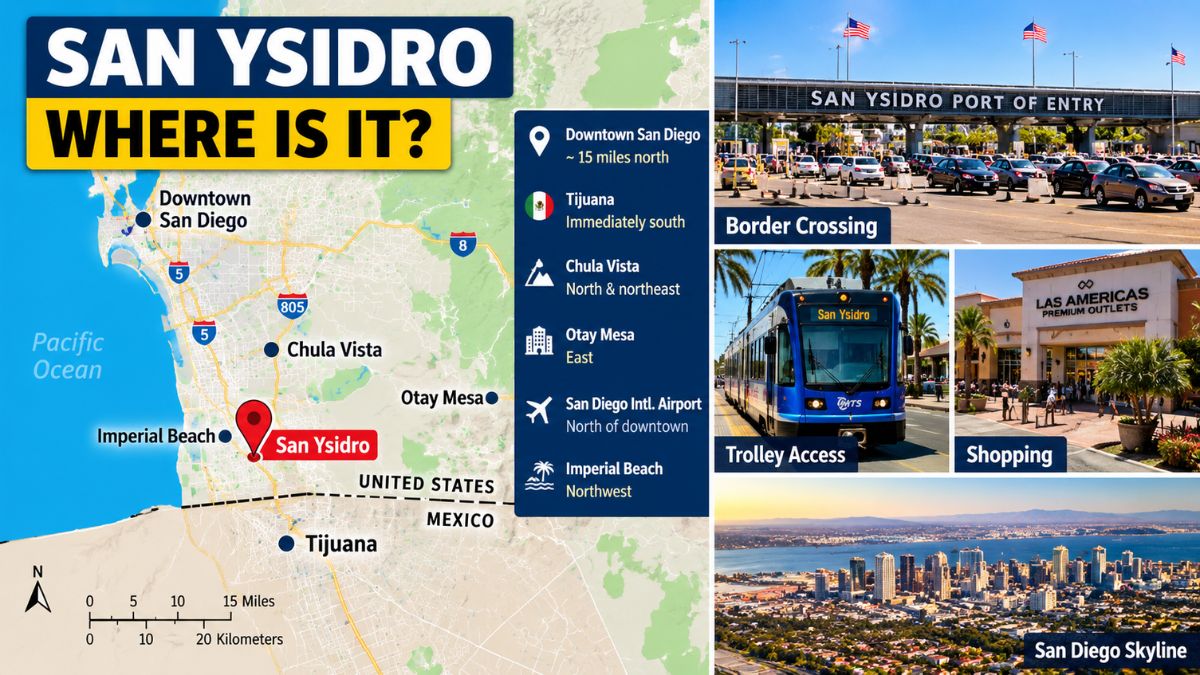
San Ysidro is the southernmost neighborhood of San Diego, directly next to the U.S.-Mexico border. For visitors arriving from elsewhere in San Diego, the trolley is one of the most straightforward ways to reach the area, especially if you want to avoid driving and dealing with border-area parking.
The trip is relatively simple once you understand which line to take, where to get off, and what to expect after arriving. For a first-time visitor, the main point to remember is that the trolley takes you to San Ysidro Transit Center, not through the international border crossing itself. If you plan to continue into Tijuana, the pedestrian border crossing is a separate part of the journey.
Route
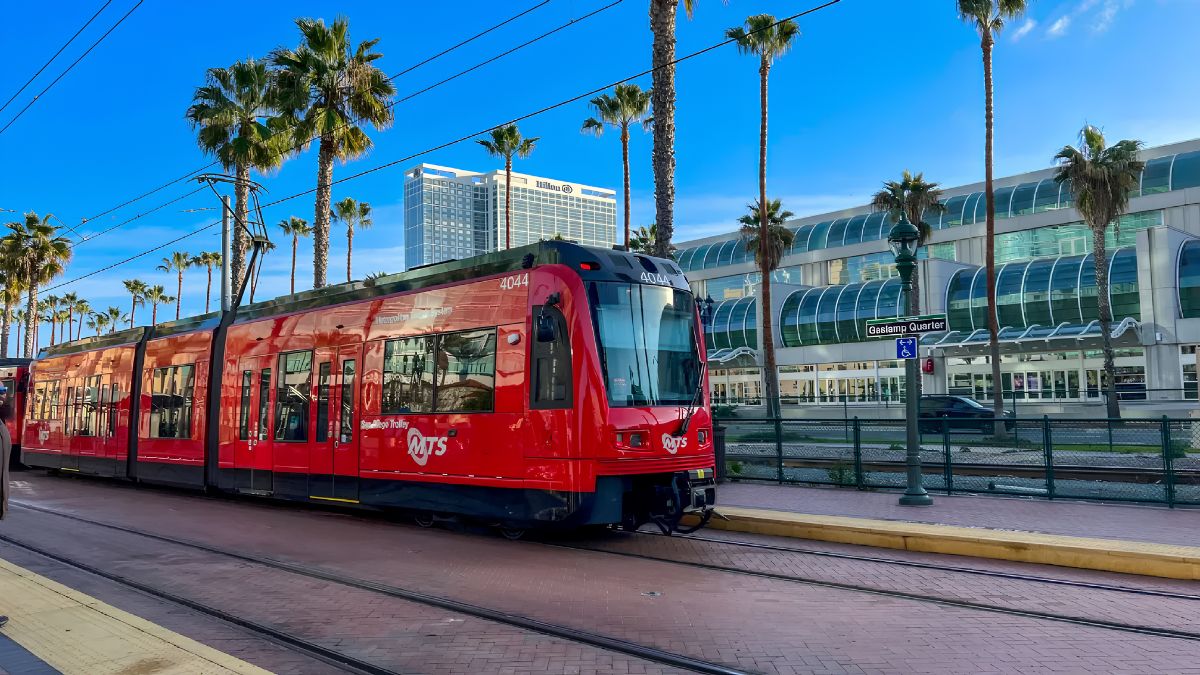
The San Diego Metropolitan Transit System, commonly known as MTS, operates the trolley network serving San Ysidro. The Blue Line runs between the San Ysidro Transit Center and destinations including downtown San Diego and UTC.
For many visitors, the Blue Line is the key route to remember.
If you are starting downtown, you can board the Blue Line at a station such as America Plaza or Civic Center, depending on where you are staying. Trains then travel south toward San Ysidro.
The official MTS website provides current trolley maps, schedules, fares, and service information:
Before leaving, check the current schedule because service patterns and temporary changes can affect travel times.
Station
San Ysidro Transit Center is the final stop on the Blue Line. That makes the journey relatively easy for first-time visitors because you do not need to decide when to get off among several similar stations.
When the trolley approaches the end of the line, follow the signs for San Ysidro Transit Center and the international border crossing if you are continuing toward Mexico.
The transit center also connects with bus services, making it an important transportation point in the southern part of San Diego.
If you are simply visiting San Ysidro rather than crossing into Mexico, the trolley station can also serve as your starting point for exploring the surrounding neighborhood.
Tickets
You need a valid fare before traveling. MTS offers several payment and ticketing options, and the system has moved increasingly toward contactless and app-based payment options.
The easiest choice depends on your travel plans. If you are making a single trip, a standard fare may be sufficient. If you expect to use public transportation several times during your visit, compare the available day-pass or other fare options.
Check current prices before traveling because fares and payment policies can change.
MTS provides official fare information here:
If you are using a mobile ticket or contactless payment method, make sure your phone is charged and that you understand the validation or tapping procedure before boarding.
Timing
The exact travel time depends on where you begin.
From downtown San Diego, the Blue Line ride to San Ysidro generally takes around 45 minutes to an hour, depending on the starting station and service conditions. If you are connecting from another trolley or bus route, allow additional time.
Do not plan an important border crossing or appointment with only a few minutes of extra time. Public transportation can be affected by delays, and the time required to cross the international border can vary considerably.
If you are traveling to Mexico for a specific appointment, flight, tour, or reservation, build a reasonable buffer into your schedule.
Border
This is the most important distinction for first-time visitors.
The trolley does not cross the U.S.-Mexico border.
The San Ysidro Transit Center is near the pedestrian route to the San Ysidro Port of Entry. If you are continuing into Tijuana on foot, you will leave the transit area and follow the signs toward the appropriate border crossing.
Border procedures are separate from the trolley system. Your travel documents, entry requirements, and eligibility to enter Mexico are your responsibility.
The U.S. Department of State provides current information for travelers heading to Mexico:
Check official government information before your trip, particularly if you are traveling with children, using a passport card, staying overnight, or planning to travel farther into Mexico.
Pedestrian
If you are walking toward the border, follow official signs rather than relying solely on a navigation app.
The route from the transit center toward the pedestrian crossing is well established, but the area can feel unfamiliar if it is your first visit.
You may encounter other travelers heading in the same direction, but do not assume that every person or route is going to the same destination.
Pay attention to signs for pedestrian entry and border facilities. If you are uncertain, ask an MTS employee or another official for directions.
Mexico
If your final destination is Tijuana, your journey has two distinct parts: getting to San Ysidro and crossing the international border.
After reaching the San Ysidro area, you will need to complete the applicable Mexican entry procedures. Once across, you can continue your journey using local transportation, taxis, rideshare services where available, or other arrangements.
Remember that returning to the United States is a separate border process. Do not assume that crossing southbound tells you how long the return trip will take.
The U.S. Customs and Border Protection website provides official information about entering the United States and border crossings:
Checking the official information before traveling can help you understand current requirements and avoid relying on outdated travel advice.
Baggage
Think about what you are carrying before taking the trolley.
The system is useful for ordinary luggage and personal bags, but large suitcases can make a busy trip less convenient. If you are traveling with substantial luggage, consider whether your accommodation, transfer arrangements, and border crossing will be manageable on foot.
Keep passports, identification, money, medications, and other important items secure and accessible.
If you are carrying goods across the border, understand the applicable customs requirements rather than assuming ordinary personal items are automatically permitted.
Transfers
If you are not staying near the Blue Line, you may need to transfer.
San Diego’s public transportation network includes buses and trolley lines that connect with the Blue Line. Your best route depends on where you start.
For example, a visitor staying near another trolley line may be able to make a simple connection downtown rather than taking a separate taxi all the way to San Ysidro.
Use the current MTS trip-planning tools to check the best route on the day of travel. Construction, events, maintenance, and service changes can alter the normal pattern.
Safety
As with travel in any busy urban area, use normal precautions.
Keep valuables secure, especially while waiting at stations or traveling with luggage. Avoid leaving bags unattended and remain aware of your surroundings.
The trolley is used by commuters, residents, students, tourists, and people traveling across the region. It is not exclusively a tourist service, so normal public-transit etiquette applies.
If you are traveling late at night or carrying significant luggage, consider how the final part of your journey will work after leaving the trolley.
Accessibility
Travelers with mobility needs should check current accessibility information before traveling.
MTS provides accessibility information concerning its services, stations, and vehicles. Elevators, ramps, and other facilities can sometimes be affected by maintenance or temporary closures.
The official MTS accessibility information is available here:
https://www.sdmts.com/rider-info/accessibility
If accessibility is essential to your trip, check the status of relevant facilities before leaving rather than assuming every station feature will be operating normally.
Schedule
A little planning can make the journey easier.
Before leaving your hotel or starting point, check:
- The next Blue Line departure
- Your starting station
- Any required transfers
- Current service alerts
- Current fare information
- Your destination after San Ysidro
- Border documentation if crossing into Mexico
Screens at stations and official transit information can help you confirm that you are on the correct train.
If you are unsure about direction, remember that San Ysidro is the southern end of the Blue Line. Look for a train traveling toward San Ysidro rather than simply boarding the first Blue Line train you see.
Neighborhood
If you are visiting San Ysidro itself, do not assume the trolley station is your only point of interest.
The surrounding area has restaurants, shops, community businesses, and services connected to the border economy. The neighborhood has a distinct character shaped by its location and its close relationship with Tijuana.
If your plans involve shopping, eating, or meeting someone locally, check the exact address before leaving the station. San Ysidro covers more than the immediate area around the transit center.
A map can be particularly useful because some destinations that appear close on a broad city map may still require a meaningful walk.
Planning
The best trolley trip is usually the one planned around the entire journey rather than just the train ride.
If you are coming from downtown, the Blue Line provides a direct connection to San Ysidro. If you are transferring from elsewhere, allow time for the connection. If you are crossing into Mexico, allow additional time for walking and border procedures.
Most importantly, check official information shortly before departure. Transit schedules, fares, station conditions, and border requirements can change.
For a first-time visitor, getting to San Ysidro by trolley is generally straightforward once you understand the route. Take the Blue Line toward San Ysidro, check the current MTS fare and service information, and follow signs when you reach the transit center. If you are continuing to Mexico, treat the border crossing as a separate part of your trip and check current government requirements before you travel. A little preparation can make the journey easier without adding much complexity.
FAQs
Which trolley goes to San Ysidro?
The Blue Line runs directly to San Ysidro Transit Center.
Does the trolley cross into Mexico?
No. The trolley ends at San Ysidro Transit Center.
How long is the trolley ride?
From downtown, the ride generally takes about 45 to 60 minutes.
Can I walk to Mexico from the station?
Yes. The transit center is near the pedestrian border crossing.
Where can I check trolley fares?
Check current fares on the official MTS website.