A day trip does not require a car. With a little planning, trains, buses, walking routes, cycling, and other forms of local transportation can make it possible to look into a nearby town, nature area, museum, historic site, or cultural destination without driving.
The key is to plan around transportation rather than treating it as an afterthought. When you know how you will reach a destination, move around once you arrive, and return home, the rest of the trip becomes easier to organize.
A car-free day trip can also change the pace of travel. Instead of concentrating on traffic and parking, you can spend more time looking out of a train window, walking through a neighborhood, or enjoying a meal along the route.
Destination
Start by choosing a destination that can realistically be visited in one day.
Distance is important, but travel time matters more. A place that looks close on a map may require several connections and become impractical without a car. On the other hand, a slightly more distant destination may have a direct train or bus and therefore be easier to reach.
Look for places with attractions concentrated around a town center, railway station, bus terminal, waterfront, market, or other accessible area.
For a first car-free trip, simplicity is usually better than ambition. A destination with one direct connection can be easier to manage than one requiring several transfers.
Transport
Once you have chosen a destination, check the available transportation.
Depending on where you live, options may include:
- Train
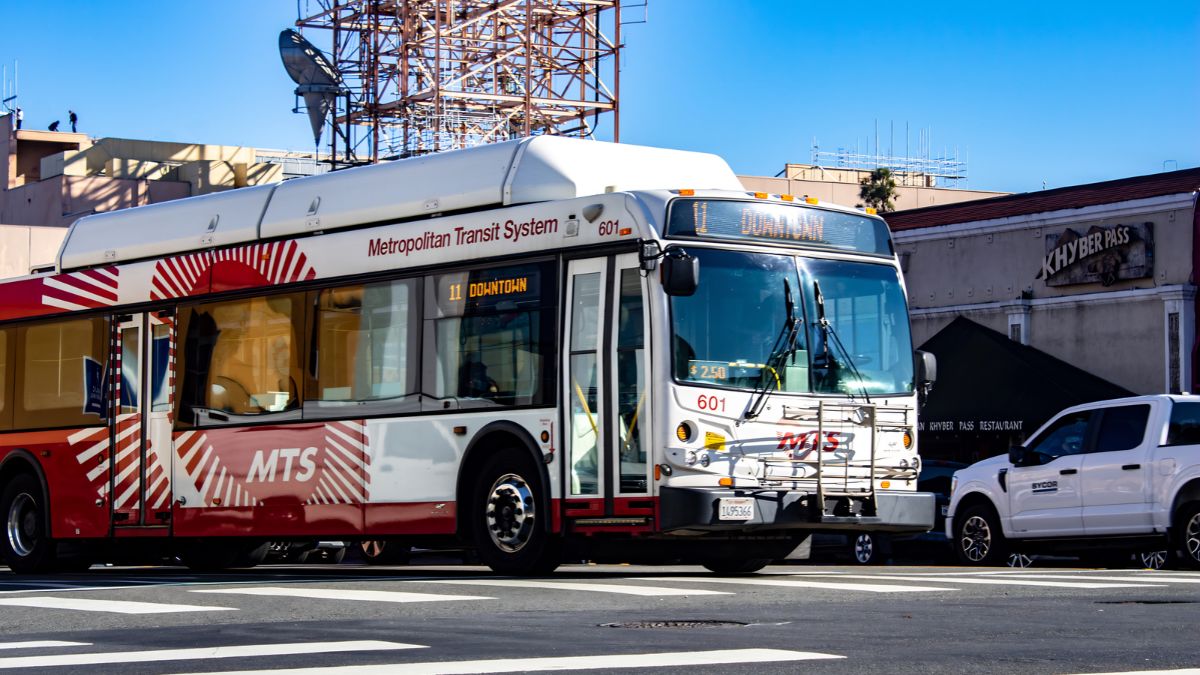
- Local bus
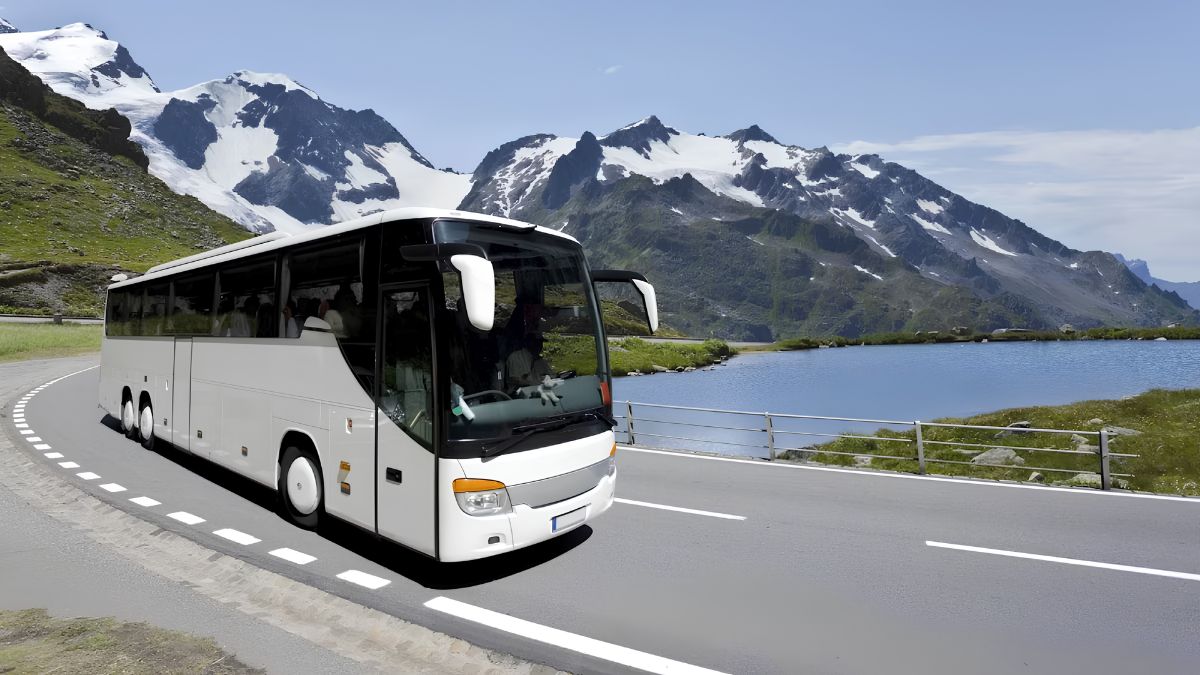
- Intercity bus
- Metro or light rail
- Ferry
- Bicycle
- Walking
- Rideshare or taxi for short connections
Use official transport websites or apps to check schedules rather than relying entirely on old information from blogs or social media.
For rail travel in the United States, Amtrak provides schedules and booking information for its passenger rail services. Local and regional transportation agencies can provide more specific information for buses, trains, and other services in their areas.
Schedule
Build the day around the transportation timetable.
Suppose the first train reaches your destination at 9:30 a.m. and the last practical return train leaves at 7 p.m. That gives you a clear window for exploring.
Do not fill every minute of that window. Leave some spare time between activities.
A delayed train, long lunch, unexpected queue, or interesting street can easily change your schedule. A flexible itinerary is generally more comfortable than one that requires you to watch the clock all day.
For public transportation information in the United States, 511 is an example of a regional traveler-information service. Your own region may have an equivalent official transportation resource.
Connections
Pay particular attention to transfers.
A journey may appear simple because an app shows several connections, but a five-minute transfer may be difficult if you need to change platforms, walk between stations, or account for delays.
When planning your route, check:
- Where you change vehicles
- How long the transfer takes
- Whether another ticket is required
- Whether the next service runs frequently
- What happens if you miss the connection
If possible, choose routes with reasonable transfer windows.
A 15-minute connection may feel less efficient than a five-minute one, but the extra time can provide valuable flexibility.
Walking
Walking is often the easiest way to complete the final part of a car-free journey.
Before leaving, check the walking distance between your station or bus stop and the places you want to visit. A destination that is two kilometers from a station may be perfectly manageable for one traveler and difficult for another.
Consider the weather, terrain, sidewalks, road crossings, luggage, and your own mobility.
You can also group attractions geographically. Rather than traveling back and forth across a city, visit places that are close together in the same part of town.
Attractions
Choose a small number of priorities rather than trying to see everything.
For a day trip, two or three main activities may be enough. You could visit a museum in the morning, have lunch nearby, explore a historic district in the afternoon, and return to the station.
Check opening hours before traveling. Museums, historic sites, markets, and attractions may have different schedules on weekends, holidays, or during seasonal periods.
If reservations are required, make them before you leave.
Food
Food deserves some planning because meal times can affect the entire schedule.
Research a few places near your route rather than choosing a restaurant on the opposite side of town. This reduces unnecessary travel and gives you alternatives if one location is busy.
You can also carry snacks and water, particularly if you are visiting a rural destination where food options may be limited.
A simple picnic can be part of the experience, provided local rules allow it.
Tickets
Buy tickets in advance when doing so provides a clear advantage.
Advance booking may be useful for intercity trains, popular attractions, ferries, or timed-entry museums. For local transit, however, purchasing a ticket ahead of time may not always be necessary.
Check cancellation and refund rules before paying for non-refundable tickets.
Keep digital tickets accessible, and consider carrying a backup method of payment. In areas with unreliable mobile coverage, downloading tickets or important travel information before leaving can be useful.
Weather
Weather can affect a car-free trip more than a car-based trip because you may spend more time outdoors.
Check the forecast before leaving and dress accordingly. Comfortable walking shoes can be more important than they first appear.
Carry practical items such as an umbrella, light jacket, sunscreen, or water depending on the season and destination.
If severe weather is expected, review cancellation policies and transportation updates before starting the journey.
Backup
Every day trip should have a backup plan.
The return journey is particularly important. Missing the final train or bus can turn a simple outing into an expensive overnight stay.
Before leaving home, identify the last realistic return service and at least one alternative. Check whether another station, route, or transport provider could get you home if your preferred service is canceled.
Save the relevant timetable information so you can access it even if your phone battery becomes low.
Budget
Traveling without a car can reduce some expenses, but it is not automatically cheaper in every situation.
Add up transportation tickets, local fares, attraction fees, meals, and any short taxi or rideshare journeys you may need.
Compare the total cost rather than looking only at the price of the first train or bus.
You may also save money on parking, fuel, and tolls. More importantly, you avoid having to concentrate on driving during the trip.
Essentials
Pack lightly.
A small backpack is usually easier to manage than a large bag when you are walking, changing trains, or navigating crowded stations.
Useful items may include:
- Phone and charger
- Portable battery
- Water
- Snacks
- Identification
- Payment card or cash
- Tickets
- Medication
- Weather-appropriate clothing
If you use a smartphone for navigation, download maps or save important addresses before leaving.
Flexibility
One of the advantages of a car-free trip is that you can focus on the experience rather than the road.
You might discover a market near the station, find a quiet park, or spend longer at a museum than expected. Leave room for these possibilities.
Instead of creating a schedule that says you must be at a particular location every hour, identify the activities that matter most and let the rest of the day remain flexible.
That approach can also reduce stress if transportation runs late.
Safety
Basic travel precautions still matter.
Keep important belongings secure, stay aware of your surroundings, and avoid relying entirely on your phone for directions. Tell someone your general itinerary if you are traveling alone, particularly when visiting a remote destination.
If you are traveling late in the day, check how you will get from the station or stop to your final destination.
For outdoor trips, research trail conditions, weather, and local safety information before setting out.
Planning
A useful car-free day trip can be planned with a simple sequence:
- Choose an accessible destination.
- Check outbound and return transportation.
- Identify the main attractions.
- Map walking distances.
- Check opening hours and reservations.
- Plan meals and breaks.
- Keep extra time for connections.
- Save a backup route.
- Check the weather before leaving.
- Confirm the return journey during the day.
The goal is not to create a perfect itinerary. It is to remove the avoidable uncertainties so you have more freedom once the trip begins.
Enjoyment
A day trip without a car can be slower, but slower does not necessarily mean less enjoyable. Public transport can give you time to read, listen to music, watch the landscape, or simply observe the places you pass.
The most important part is to match the destination to the transportation available. Choose a manageable route, leave space between activities, and make the return journey a priority.
With a little preparation, a train, bus, bicycle, or pair of walking shoes can be enough to turn an ordinary day into a worthwhile trip. You do not need to drive somewhere far away to explore. Sometimes the easiest adventure starts at the nearest station.