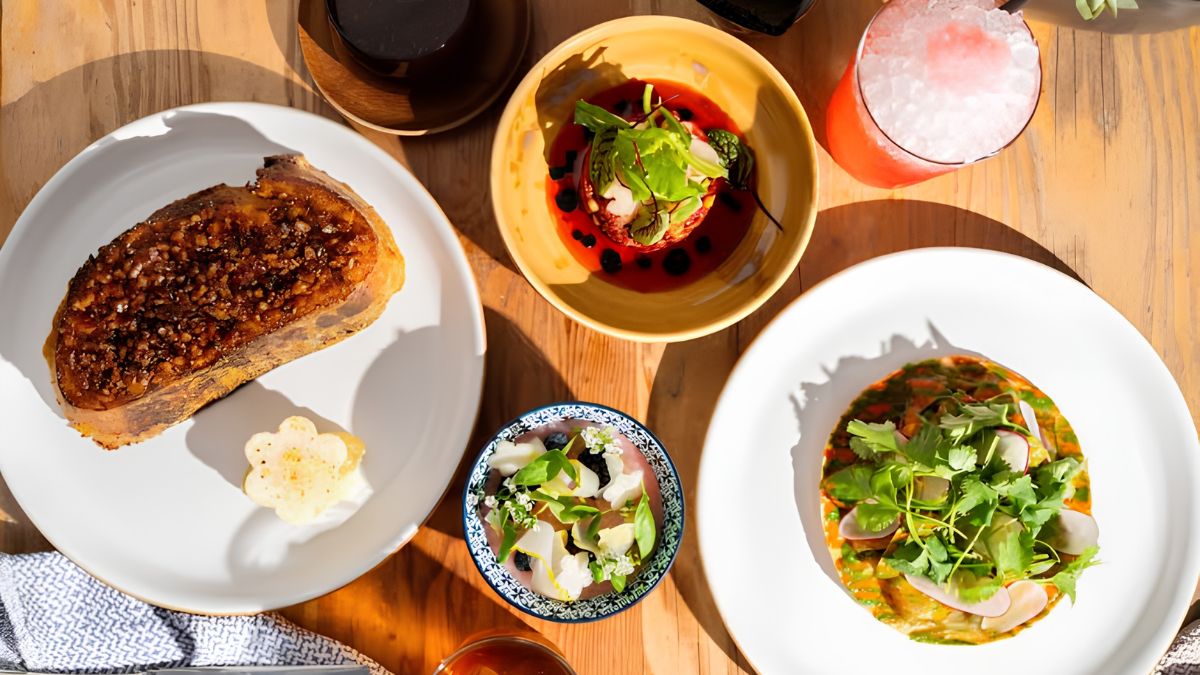

Planning a meal with friends or family is usually straightforward until everyone has different dietary needs. One person may avoid gluten, another may have a food allergy, someone else may follow a vegetarian or vegan diet, while another may need to limit certain ingredients for medical reasons. Finding a place that works for everyone can turn a casual outing into a small logistical exercise.
The good news is that you do not need to make the process complicated. A little preparation before choosing the restaurant can reduce misunderstandings and help everyone feel comfortable at the table. The goal is not to find a perfect menu for every person, but to identify realistic options, communicate clearly, and have a backup plan.
Start
Begin by asking everyone about their dietary requirements before choosing a restaurant.
Do not assume that terms such as “vegetarian,” “gluten-free,” or “dairy-free” mean exactly the same thing to everyone. For one person, avoiding an ingredient may be a preference. For another, even small amounts may create a serious health risk.
Ask simple questions:
- Are there any food allergies?
- Are there medical dietary restrictions?
- Are there foods you avoid by choice?
- Do ingredients need to be completely excluded?
- Is cross-contact a concern?
- Are there religious or cultural food restrictions?
This information gives you a practical starting point.
If someone has a serious allergy, let that person explain what precautions they need. Their requirements should not be guessed or simplified by the person organizing the outing.
Needs
Separate dietary preferences from medical requirements.
A person who prefers vegetarian food may be comfortable eating at a restaurant with a mixed menu. Someone with a severe allergy may need more detailed information about ingredients, preparation methods, and possible cross-contact.
The distinction matters when choosing a restaurant.
For example, a menu may contain a dish labeled “nut-free,” but that does not necessarily mean the kitchen can guarantee that no nut contact occurs during preparation. Similarly, a dish described as vegetarian may still contain an ingredient that a particular diner avoids.
If the requirement is medically important, communicate it directly to the restaurant.
Research
Look at the restaurant’s current menu before making a reservation.
Check the main dishes, sides, sauces, desserts, beverages, and ingredient descriptions. Sometimes a restaurant appears unsuitable at first glance but has several dishes that can be adapted.
Other times, a menu may have many dishes that appear suitable but provide limited information about ingredients.
Use the restaurant’s official website when available. Third-party menu listings can be outdated, particularly when restaurants change ingredients or prices.
If the information is unclear, contact the restaurant before the outing rather than waiting until everyone is seated.
Allergies
Food allergies require particular care.
An allergic reaction can occur when a person consumes an ingredient they need to avoid, and some people may also need to consider cross-contact during preparation.
The U.S. Food and Drug Administration identifies nine major food allergens in the United States: milk, eggs, fish, crustacean shellfish, tree nuts, peanuts, wheat, soybeans, and sesame.
The FDA provides current consumer information about food allergies here:
https://www.fda.gov/food/food-labeling-nutrition/food-allergies
If someone in your group has a serious allergy, tell the restaurant clearly before ordering. Do not rely solely on a menu symbol or assume that staff will understand the severity without an explanation.
The person with the allergy should ultimately make their own decision about whether a particular restaurant is appropriate.
Gluten
Gluten-related dietary needs require careful wording because “gluten-free” can mean different things in different contexts.
Someone with celiac disease may need to avoid gluten strictly, including potential cross-contact. Another person may avoid gluten for personal or other health reasons.
Restaurants may use shared cooking surfaces, fryers, utensils, or preparation areas. A dish made without obvious wheat ingredients may therefore still require additional consideration.
If gluten must be strictly avoided, ask specific questions about preparation rather than simply asking whether the restaurant has gluten-free dishes.
The U.S. Food and Drug Administration provides information about gluten-free food labeling here:
Vegetarian
Vegetarian needs can also vary.
Some vegetarians avoid meat but eat eggs and dairy. Others follow stricter interpretations of vegetarian eating. When planning for a group, ask what the individual considers acceptable.
Look beyond the main course. Soups, sauces, dressings, beans, rice, and side dishes may contain meat or animal-derived ingredients even when the dish does not appear meat-based.
A restaurant with several clearly identified vegetarian dishes can make group planning easier because people have more choices without requiring extensive modifications.
Vegan
Vegan dining generally involves avoiding animal-derived foods, including meat, seafood, dairy, eggs, and often other animal-derived ingredients.
Again, do not assume that removing cheese from a vegetarian dish automatically makes it vegan. Sauces, dressings, bread, desserts, and cooking ingredients can contain animal products.
If someone follows a strict vegan diet, ask the restaurant about complete dishes rather than focusing on individual substitutions.
A restaurant that clearly identifies vegan options may be easier for a group than one that requires several modifications.
Religious
Dietary needs can also be connected to religious practices.
Some people may require halal or kosher food, while others may avoid specific foods or preparation methods during religious observances.
Ask the person concerned what standard they follow. Avoid making assumptions based on broad labels.
If certification is important, ask whether the restaurant has the appropriate certification and whether it applies to the entire establishment or particular products.
For time-sensitive religious observances, also consider meal timing. A restaurant’s normal opening hours may not fit everyone’s schedule.
Communication
Call the restaurant before the outing if the requirements are complicated.
Be specific and concise. For example:
“One person in our group has a severe peanut allergy. Can your kitchen accommodate that requirement, and can you explain how you manage cross-contact?”
That question gives the restaurant enough information to provide a meaningful response.
If the answer is unclear or the restaurant cannot accommodate the need, choose another location.
For ordinary preferences, you may not need a phone call. For serious allergies or strict medical restrictions, direct communication is often more appropriate.
Menu
A menu can help you compare restaurants before making a reservation.
Consider the number of suitable dishes, how clearly ingredients are described, and whether the kitchen appears able to accommodate modifications.
| Dietary Need | What to Check |
|---|---|
| Food allergy | Ingredients and cross-contact procedures |
| Gluten-free | Preparation areas and shared equipment |
| Vegetarian | Meat-free dishes and ingredients |
| Vegan | Animal-derived ingredients and preparation |
| Halal | Certification and preparation standards |
| Kosher | Certification and applicable requirements |
| Low-sodium | Ingredient and preparation flexibility |
This table is a planning tool rather than a guarantee. Restaurant practices differ, and dietary suitability should be confirmed directly when the requirement is medically or religiously important.
Location
The restaurant’s location can affect the outing more than you might expect.
If several people have different needs, choosing a restaurant near other food options can provide a useful backup. A location with several nearby restaurants may be preferable to an isolated venue if you are uncertain about the menu.
Accessibility can also matter. Consider parking, public transportation, stairs, elevators, seating arrangements, and restroom access.
If the outing includes children, older adults, or people with mobility needs, ask about accessibility before making the reservation.
Reservations
Tell the restaurant about dietary requirements when making the reservation.
This gives the kitchen advance notice and allows the staff to tell you whether they can accommodate the group.
If the restaurant offers an allergy or dietary note field during online booking, use it, but consider calling if the requirement is serious or complex.
For larger groups, advance communication is particularly useful. Preparing several modified meals during a busy service can be more difficult than preparing one special meal.
Timing
Consider the restaurant’s busiest periods.
A kitchen may have more flexibility during a quieter meal period than during a packed weekend service. This does not mean that people with dietary requirements should only eat during quiet hours, but timing can affect the amount of communication possible.
If your group includes someone with a serious allergy, avoid making them feel pressured to order quickly. Allow time for questions and clarification.
You can also tell the server early in the meal rather than waiting until everyone has selected their dishes.
Backup
A backup plan makes group outings easier.
Even after careful research, a restaurant may be unable to accommodate a particular requirement on the day. Ingredients may be unavailable, the kitchen may have changed its procedures, or staff may provide information that differs from what you expected.
Before leaving, identify another nearby restaurant or a practical alternative.
The backup does not have to be elaborate. Knowing where you could go next can prevent an uncomfortable discussion if the original plan does not work.
Ordering
When you arrive, repeat important dietary requirements to the server.
Do not assume that information given during a reservation has reached every member of the kitchen team.
For a serious allergy, clearly state the ingredient that must be avoided and ask questions about preparation when necessary.
If you are uncertain about a dish, ask rather than guessing.
It can also help to avoid unnecessary modifications. A dish that is naturally suitable may be easier for the kitchen to prepare safely than one requiring multiple substitutions.
Group
The organizer should not carry all the responsibility.
If someone has a serious medical or allergy-related restriction, that person should be involved in evaluating whether the restaurant is appropriate. They know their own needs better than the person making the reservation.
At the same time, the rest of the group can help by being flexible.
A successful food outing does not necessarily require everyone to eat the same type of food. The objective is to find a setting where everyone has a reasonable and safe option.
Etiquette
Dietary restrictions should be treated as practical information rather than a topic for criticism.
Avoid questioning someone’s decision to avoid a food or suggesting that they “just try a little.” This is especially important when the restriction is medically necessary.
Likewise, do not pressure a restaurant employee to make a substitution that they have said they cannot safely provide.
A little patience makes group meals easier for everyone.
Followup
After the meal, note what worked well.
If the restaurant handled a difficult dietary request effectively, consider leaving a specific review mentioning the useful aspects of the experience without revealing another person’s private medical information.
If the restaurant could not accommodate the requirement, that information may also help you make better choices next time.
For serious allergies, keeping a personal list of restaurants that you have already evaluated can make future outings much easier.
Planning
A practical checklist can keep the process manageable:
- Ask everyone about dietary needs early.
- Separate allergies from food preferences.
- Check the restaurant’s current menu.
- Contact the restaurant about serious restrictions.
- Ask about cross-contact when necessary.
- Mention requirements during the reservation.
- Confirm important details when ordering.
- Check accessibility and location.
- Have a backup restaurant.
- Let the person with the restriction make the final safety decision.
Planning a food outing around dietary needs is mostly an exercise in communication. Start by understanding what each person actually needs, then choose a restaurant that can realistically accommodate those requirements.
Check the menu, contact the restaurant when necessary, communicate clearly at the table, and keep a backup option available. For allergies and other medical restrictions, do not rely on assumptions or menu labels alone. A little preparation can make the outing more comfortable while allowing everyone to focus on the meal and the company.
FAQs
When should I ask about dietary needs?
Ask before choosing the restaurant or making a reservation.
Should I call about food allergies?
Yes, direct communication helps clarify serious allergy requirements.
Are menu labels always enough?
No. Ask about ingredients and preparation when needed.
What should I do if a restaurant cannot help?
Choose another restaurant with suitable and confirmed options.
Should I have a backup restaurant?
Yes, a nearby alternative can help if plans change.