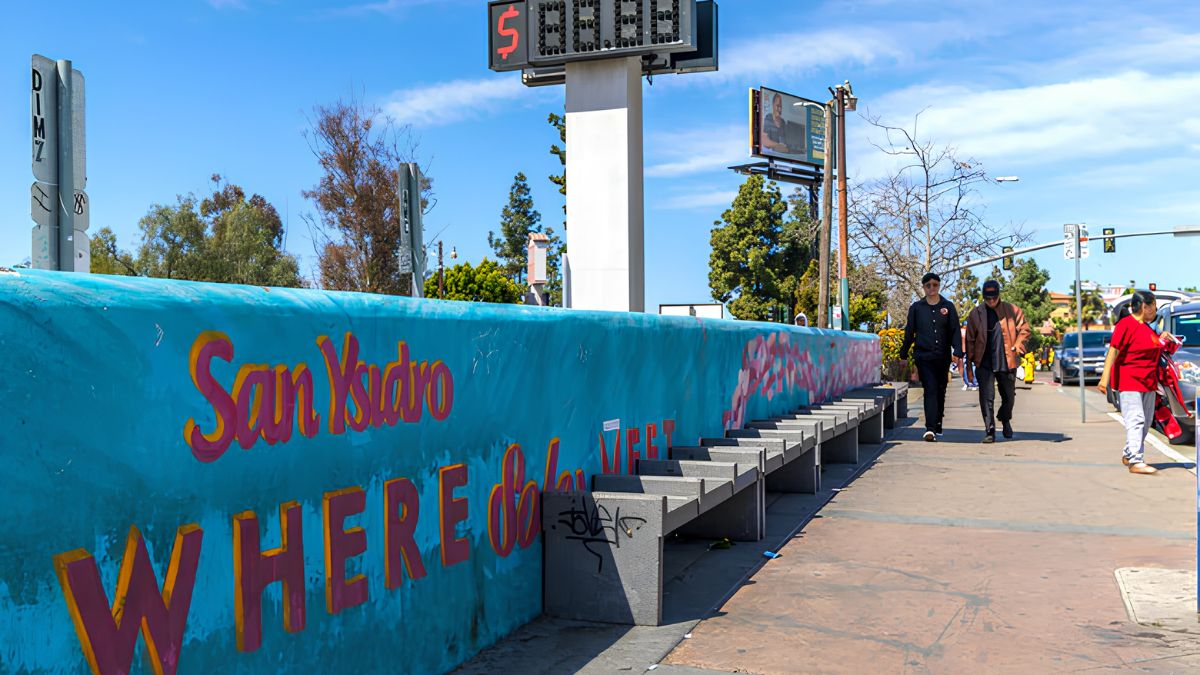
An evening out in San Ysidro can involve dinner, shopping, meeting friends, attending an event, or visiting nearby parts of San Diego. While planning the outing is usually straightforward, arranging the return journey deserves equal attention. Public transportation schedules may change late in the evening, some services run less frequently at night, and the most convenient option for travelling outward may not be available when it is time to go home.
San Ysidro’s location near the US-Mexico border and its connections to the wider San Diego transportation network make it important to consider where your evening ends, how far you need to travel, and which services operate at that time. A plan that works for a short trip near a transit station may not be suitable for a destination farther away or a journey involving several transfers.
The most practical approach is to check transportation options before leaving home, identify a backup if your preferred service is unavailable, and prepare for the possibility of delays. These steps can help you make informed decisions without having to arrange your entire journey at the last minute.
Transit
Public transportation can be a practical option for returning from an evening out, particularly if your destination is near a trolley station or a bus route that operates late enough for your plans.
The San Diego Metropolitan Transit System (MTS) operates the San Diego Trolley and bus services, including connections serving San Ysidro. The Blue Line connects the San Ysidro area with other parts of the San Diego region, but the availability of a particular service depends on the day, departure time, and destination.
Start with the official MTS website to review routes, schedules, fares, and trip-planning information. Enter your intended departure point and destination rather than checking only the nearest station. A route that looks direct on a map may require a transfer or a walk between stops.
Pay particular attention to the final departures that could get you home. The last service from a station may leave earlier than you expect, and the final bus on a connecting route may operate on a different schedule from the trolley.
If you plan to travel on a weekend, public holiday, or during a special event, check the schedule for that specific date. Service frequency and operating arrangements can differ from an ordinary weekday.
Allow extra time to reach the station, purchase or validate your fare where required, and find the correct platform. If your evening runs late, knowing the departure time of the final suitable service can help you decide when to leave.
Schedules
Checking a timetable once is useful, but checking it again on the day of travel is more reliable. Planned maintenance, temporary service changes, special events, and unexpected disruptions can affect the journey.
Use the official MTS service alerts page to check for reported disruptions and planned changes. Review the information before leaving your destination, especially if your route depends on a transfer or a service with limited departures.
Build a small time buffer into your plans. If the last convenient trolley is scheduled to depart at a particular time, do not assume you can arrive at the station at that exact moment and still board. Walking distance, crowds, ticketing, and platform access can all take longer than expected.
For journeys involving several services, confirm the connections individually. A bus may arrive too late to connect with the next trolley, even if each service appears suitable when viewed separately.
It is also worth saving your route details on your phone before heading out. If mobile reception is poor or your battery becomes low, having the essential departure information available can make it easier to identify the next step.
Backups
A return journey should not depend entirely on one train, bus, or pickup arrangement. Identify at least one alternative before going out, particularly if you expect to return late at night.
Depending on your destination and budget, alternatives may include a licensed taxi, a reputable ride-hailing service, a lift from a trusted friend, or staying overnight somewhere suitable. Availability and prices can vary, so check the options that are realistic for your location.
If you intend to use a ride-hailing app, confirm that the service operates in the area and that a driver can reasonably reach your pickup point. In busy commercial areas, crowded streets or temporary traffic restrictions may make some pickup locations inconvenient.
Choose a safe, legal place to wait, and follow the app’s pickup instructions. Check the vehicle registration, make, model, and driver details against the information shown in the app before getting in.
For a taxi, use an authorized service or a recognized pickup arrangement rather than accepting an unsolicited offer from someone claiming to provide transport. Confirm the destination and expected fare arrangements before starting the trip where possible.
A backup plan does not need to involve booking a second vehicle in advance. It simply means knowing what you will do if your preferred option becomes unavailable and having enough money, battery power, and information to carry out that alternative.
Pickups
The location where you arrange a pickup can affect how quickly and comfortably you leave. Before your evening begins, identify a practical meeting point that is easy for a driver to reach and that does not require you to wait in the middle of a busy road.
If you are leaving a restaurant, event venue, or shopping area, ask whether the property has a designated pickup zone. Otherwise, use a well-lit public location where stopping is permitted and where you can wait without obstructing pedestrians or traffic.
Avoid choosing a pickup point solely because it appears close on a map. Road closures, one-way streets, restricted access, and heavy traffic may make a nearby location difficult to reach by vehicle.
If you are travelling with friends, agree on where everyone will meet before leaving the venue. This is particularly helpful if the group becomes separated or different people are using different transport options.
When using an app-based service, share your trip details with someone you trust if appropriate. Keep your phone accessible, and contact the driver through the service’s approved communication features when possible.
If a driver asks you to move to an unfamiliar or isolated location, reassess the arrangement rather than feeling obliged to follow the request. You can cancel and arrange another pickup if the circumstances make you uncomfortable, while checking any applicable cancellation terms.
Safety
Late-night travel involves considerations beyond simply finding an available vehicle. Lighting, pedestrian access, crowd levels, and the distance between a venue and a transport stop can all influence the journey.
Check the walking route from your destination to the station or pickup point. A short route may involve poorly lit streets, limited sidewalks, construction barriers, or crossings that are difficult to navigate after dark. If an alternative route is better lit and has clearer pedestrian access, consider using it even if it takes a little longer.
Stay aware of your surroundings while waiting for transport. Keep valuables secure, avoid displaying large amounts of cash, and do not become so absorbed in your phone that you overlook nearby activity or changes around you.
If you are travelling alone, consider letting a trusted person know when you expect to arrive. If plans change significantly, send an update. Travellers who feel uncomfortable waiting at a particular location can consider moving to an open business or another appropriate public place, provided it is safe and lawful to do so.
Alcohol can affect judgment, balance, and reaction time. If you have been drinking, do not drive or cycle yourself home. Arrange a suitable ride or use public transportation if a safe and practical service is available.
For emergencies in the United States, call 911. For non-emergency concerns, use the relevant local authority’s official contact information.
Payments
Transport costs can increase when public services are unavailable or demand for rides is high. Estimating the return fare in advance helps you decide which backup options fit your budget.
Check the current transit fare and any transfer rules before travelling. MTS publishes information about its services and fare options on its official website. Depending on the service and your eligibility, the available payment arrangements may differ.
If you expect to use a taxi or ride-hailing service, check the estimated price in the relevant app where available. Remember that the final fare may change because of traffic, route changes, waiting time, tolls, or demand-based pricing.
Keep enough money available for an alternative journey rather than allocating your entire transport budget to the outward trip. If you are travelling with a group, agree in advance on how shared fares will be divided.
Use trusted payment methods and review the fare shown before confirming a booking. Be cautious if someone requests an unexplained additional payment outside the normal booking process.
A simple budget can include the outward fare, return fare, a reasonable allowance for delays or price changes, and the cost of a backup option. You do not need to predict every expense, but knowing the likely range can help prevent an inconvenient situation later.
Connections
Some journeys from San Ysidro involve more than one transportation system or a transfer between a trolley, bus, taxi, and another mode of travel. These trips require additional planning because a delay in one part of the journey can affect everything that follows.
If you are connecting to another transit operator, check that operator’s timetable and service alerts separately. Do not assume that the last service from one system will connect with the final departure from another.
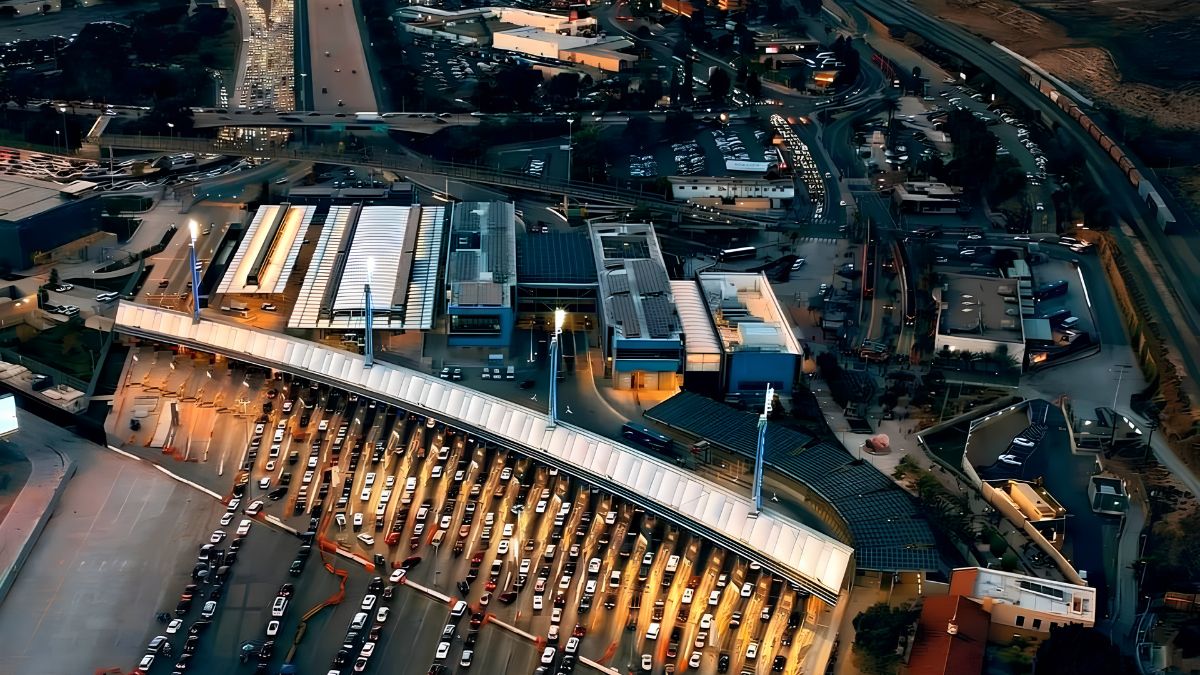
For trips involving the US-Mexico border, distinguish between travelling within San Diego and crossing into Mexico. Border crossing procedures, opening arrangements, waiting times, and transportation options may differ from ordinary local travel. Check the relevant official border information and allow additional time if your plans involve an international crossing.
If your journey includes a long walk after leaving the trolley or bus, check whether the connecting route remains practical at the time you expect to arrive. A service may technically reach your destination area without providing a convenient final connection to your home.
For late arrivals, a prearranged pickup or a verified taxi option may be more practical than relying on an uncertain final connection. The best choice depends on the distance, expected wait, cost, and conditions at the destination.
Preparation
A few preparations before leaving home can make a late return easier to manage. Keep your phone charged, carry a suitable charging cable or power bank, and make sure you can access the transport apps or websites you expect to use.
Save your destination address and the address of your planned pickup point. If your phone loses connectivity, these details can help you communicate with a driver or ask for directions.
Wear footwear suitable for walking between stations, stops, and pickup points. If you expect to travel with luggage or shopping bags, consider whether you can comfortably carry them through a station or onto a crowded vehicle.
If you are meeting friends, agree on a return plan before the group separates. Decide whether you will travel together, meet at a particular station, or arrange separate rides. Make sure everyone knows what to do if the group misses a connection.
It can also help to identify a nearby place where you can wait safely if your ride is delayed, such as an open business or an established transport facility. Confirm that the location will actually be accessible at the time you expect to arrive.
A short checklist is often enough:
- Check the final suitable bus or trolley departure.
- Review current service alerts and route changes.
- Save the destination and pickup addresses.
- Identify a realistic backup transport option.
- Keep your phone charged and payment methods available.
- Share your expected arrival time with someone you trust when appropriate.
Resources
Official information is generally the best starting point when checking schedules, service changes, and travel requirements. For a return journey from San Ysidro, three resources are particularly useful:
- San Diego MTS: Check trolley and bus services, route information, fares, and trip-planning options.
- MTS Service Alerts: Review reported disruptions, planned maintenance, and changes that may affect your route.
- US Customs and Border Protection: Consult official travel information if your plans include crossing the US-Mexico border.
These resources serve different purposes. Transit schedules help establish whether a journey is possible, service alerts identify known changes, and border information helps travellers understand requirements for international crossings. None guarantees that a particular vehicle will be available at the exact moment you need it, so retaining a practical alternative remains important.
Planning a return journey from San Ysidro after an evening out is mainly about making decisions before time becomes a constraint. Check the last suitable transit service, review current alerts, identify a reliable backup, and choose pickup points carefully. Keep your phone charged, understand the expected costs, and consider the walking route as well as the ride itself. With these preparations in place, you can make a more informed choice about how to get home, even if your evening lasts longer than expected.
FAQs
How can I check late-night transit from San Ysidro?
Check MTS schedules and service alerts for your specific travel date and destination.
What should I do if I miss the last trolley?
Use a previously checked alternative, such as a licensed taxi or reputable ride-hailing service.
How can I choose a safer pickup location?
Choose a legal, well-lit location and verify the vehicle and driver before boarding.
Should I check transit schedules on the day of travel?
Yes. Service alerts, maintenance, and schedule changes can affect your return journey.
What should I prepare before going out?
Save your route, charge your phone, budget for transport, and identify a backup option.