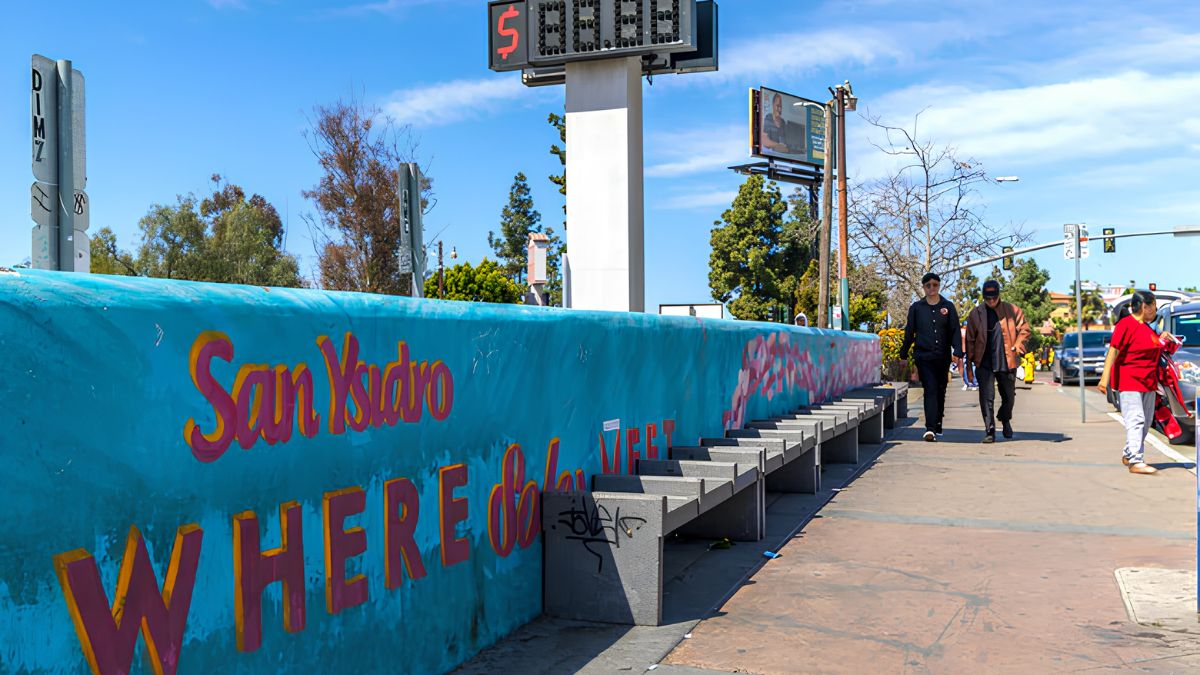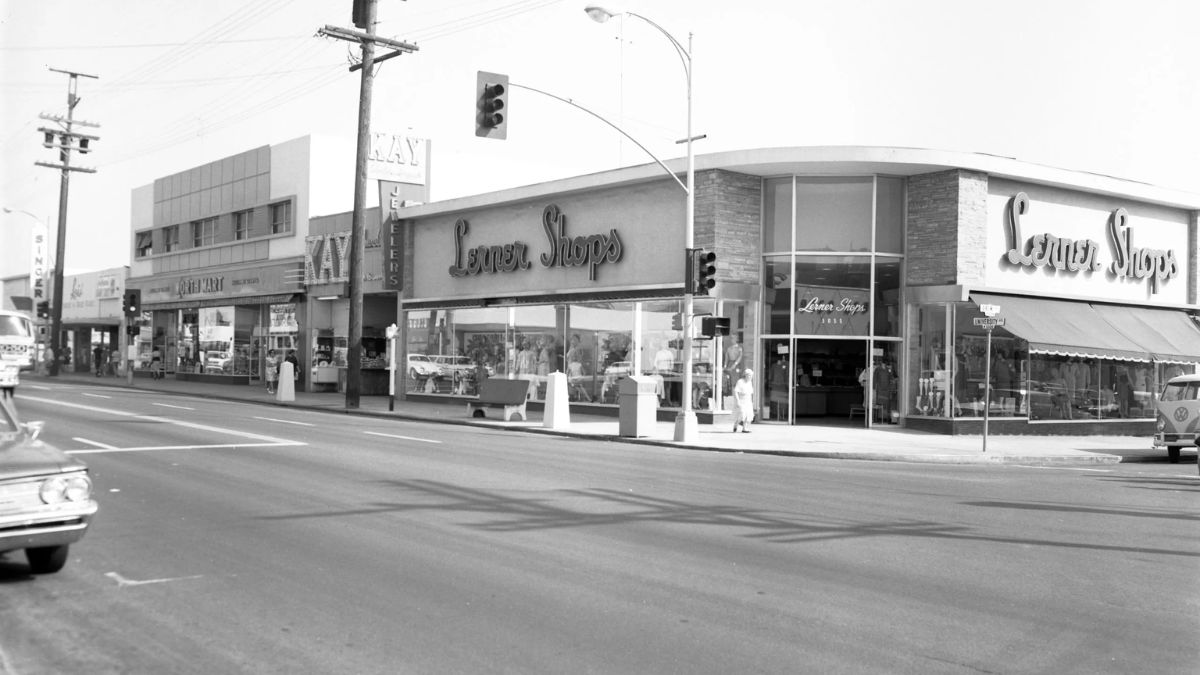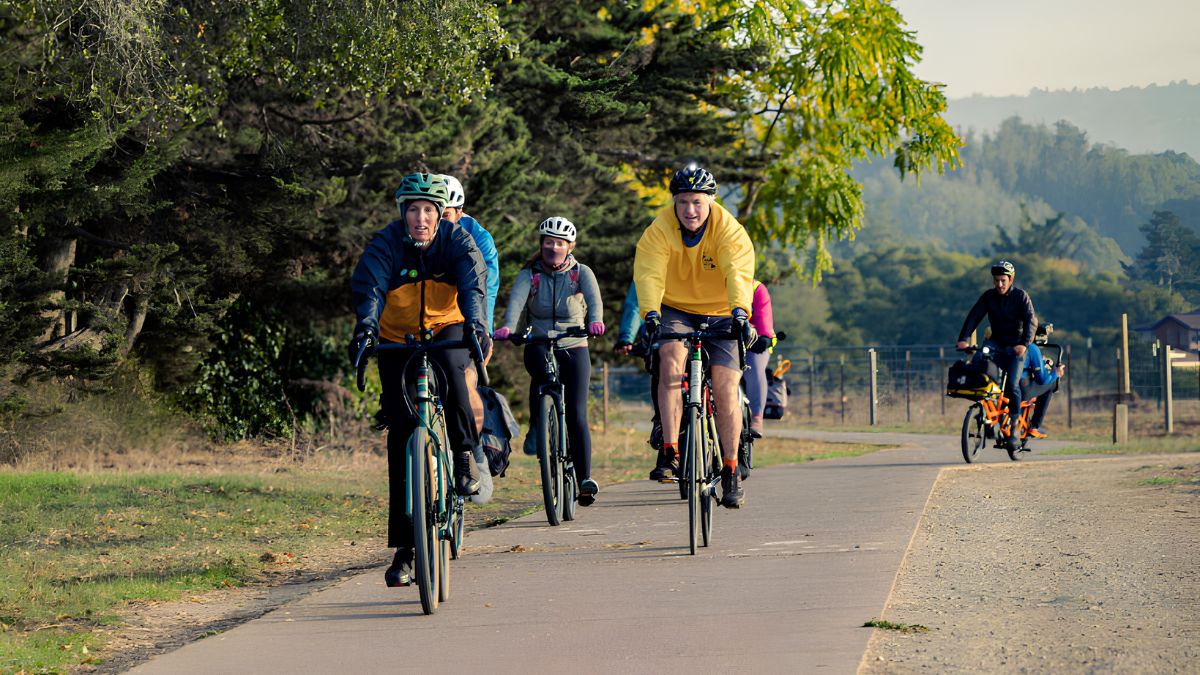
Cycling around San Ysidro can be a practical way to reach local shops, connect with nearby neighborhoods, or explore the area without relying on a car for every trip. However, choosing a suitable route involves more than checking the distance on a map. Road conditions, traffic patterns, bicycle parking, crossing points, and local regulations can all influence how convenient and safe a journey will be.
San Ysidro is located in southern San Diego, close to the US-Mexico border and major transportation connections. Its mix of commercial streets, residential areas, border-related traffic, and regional roads means that conditions can vary considerably from one route to another. A short journey may include a busy intersection, a narrow road, or a section where bicycle facilities change unexpectedly.
Whether you are a resident, a commuter, or a visitor, researching these details before setting out can help you select a route that suits your experience and travel needs. Official transportation maps, local road information, and practical checks at your destination can provide a clearer picture of what to expect.
Routes
Start by identifying your destination and the type of ride you plan to make. A commuter travelling to work may prioritize direct connections and predictable travel times, while a recreational cyclist may prefer quieter streets and a route with fewer complicated intersections.
Use a bicycle-specific map rather than relying exclusively on a general driving navigation app. Look for designated bicycle lanes, separated bikeways, shared-use paths, and streets identified as suitable for cycling. Pay attention to where these facilities begin and end, because a route can include both comfortable sections and stretches that require greater caution.
The City of San Diego provides local information through its official bicycling resources. These resources are a useful starting point for learning about bicycle transportation, city planning, and available cycling information.
When comparing routes, consider the following factors:
- Distance: How far will you travel, and is the route manageable for your fitness level?
- Traffic: Does the route pass through busy commercial streets or major intersections?
- Infrastructure: Are bicycle lanes or other cycling facilities available along the journey?
- Terrain: Are there steep hills, uneven surfaces, or difficult climbs?
- Connections: Can you reach your destination without repeatedly switching between roads and paths?
Do not assume that the shortest route is necessarily the most suitable. A slightly longer route with clearer crossings and more predictable traffic conditions may be a better option, particularly for less experienced cyclists.
Conditions
Road conditions can change because of construction, maintenance, weather, and routine traffic management. Before leaving, check whether your planned route includes roadworks, temporary closures, or detours that may affect bicycle access.
Look for uneven pavement, potholes, loose gravel, drainage grates, and debris near the edge of the road. These conditions can be especially relevant on streets where cyclists share space with motor vehicles. After rain, painted road markings and metal surfaces may also become slippery, while reduced visibility can affect both cyclists and drivers.
Official transportation information can help you identify planned work, but it may not capture every temporary obstruction. If possible, review the route shortly before travelling and follow posted signs where conditions differ from your map.
For regional cycling connections, consult SANDAG’s bikeways information. The San Diego Association of Governments coordinates regional transportation planning, and its bikeways resources can help cyclists understand the wider network beyond an individual neighborhood.
When reviewing a map, check the date and source of the information. A route shown on an older map may have changed because of construction or transportation improvements. If a section appears uncertain, consider an alternative rather than assuming that a bicycle facility is still available.
Traffic
Traffic patterns should influence route selection, especially around major roads, shopping areas, transit stops, and intersections. In San Ysidro, drivers may be navigating unfamiliar streets, looking for parking, or travelling toward border crossings and commercial destinations. These movements can create turning conflicts and changes in traffic flow.
Before choosing a route, identify the major intersections you will need to cross. Check whether the road provides bicycle lanes, marked crossings, traffic signals, or other facilities that help cyclists navigate the area.
Be particularly attentive to turning vehicles, driveways, parked cars, and vehicles entering or leaving commercial properties. A bicycle lane does not eliminate these conflicts, and cyclists still need to observe surrounding traffic.
If you are unfamiliar with the area, consider travelling during daylight and allowing additional time to assess difficult sections. Avoid assuming that a road will remain quiet simply because it has relatively little traffic at a particular time.
It can also help to ride the route once without a strict deadline. This gives you an opportunity to identify confusing junctions, narrow sections, and places where you may prefer to dismount and walk your bicycle across a busy area where permitted.
Parking
Bicycle parking is an important part of planning a complete journey. A convenient route is less useful if you cannot secure your bicycle safely at your destination.
Before leaving, check whether your destination provides bicycle racks, designated bicycle parking, or a secure storage area. Shops, offices, public facilities, and transit locations may have different arrangements, so confirm the details rather than assuming parking is available.
Choose a rack that allows you to secure the bicycle frame and, where possible, a wheel with an appropriate lock. Avoid locking your bicycle to objects that obstruct pedestrian movement, block entrances, or are not intended for bicycle parking.
If you plan to leave your bicycle for several hours, consider how exposed the parking area is, whether it is well used, and whether additional security measures are appropriate. A visible location may help with convenience, but it does not guarantee protection against theft.
For regular commuters, ask an employer or property manager whether secure bicycle storage is available. If you intend to combine cycling with public transportation, verify bicycle parking and carriage arrangements at the relevant station before departure.
Parking rules may differ by location. Follow posted restrictions and avoid leaving a bicycle where it could obstruct access for pedestrians or people using mobility aids.
Regulations
Cyclists in San Ysidro should understand the California traffic laws that apply to bicycle use on public roads. These rules affect where cyclists can ride, how they interact with vehicles, and what equipment may be required.
The California Highway Patrol’s bicycle safety information is an official starting point for reviewing bicycle safety and relevant state requirements. You can also consult the California Vehicle Code for the statutory language governing road use.
In general, cyclists riding on public roads must follow applicable traffic signals and signs. Requirements can also cover lighting at night, brakes, helmet use for certain riders, and how bicycles may be operated on particular facilities. Rules and exceptions depend on the circumstances, so check the current requirements rather than relying on assumptions.
Pay attention to local signs indicating whether bicycles are permitted on a path or in a particular area. Some facilities may have restrictions, and rules for shared-use paths can differ from those governing ordinary streets.
Before a ride, check that your bicycle is in suitable working condition. Brakes should function properly, tires should be adequately inflated, and the chain and steering should operate as expected. Front and rear lighting and reflective equipment are especially important when riding in low-light conditions, subject to applicable legal requirements.
A helmet that fits correctly can also reduce the risk of certain head injuries. Even when a helmet is not legally required for a particular adult rider, wearing one is a practical safety measure.
Crossings
Intersections and road crossings deserve separate attention because they can be more complicated than the rest of a route. A street may have a bicycle lane for most of its length but require cyclists to merge, turn, or cross several lanes at a major junction.
Review the crossing arrangements before you leave. Look for traffic signals, marked bicycle crossings, pedestrian crossings, and signs that explain how cyclists should proceed. If the arrangement is unclear, stop in a safe location and assess the situation rather than making a last-minute manoeuvre.
When turning, signal your intention where appropriate and check for vehicles approaching from behind or turning across your path. Do not assume that drivers have seen you simply because you are visible.
At complex intersections, some cyclists may find it easier to dismount and use a suitable pedestrian crossing where local rules permit. This can be a reasonable option when traffic conditions or the layout make riding through the junction uncomfortable.
Rail crossings, drainage channels, and changes in pavement level also require care. Approach them at a controlled speed and avoid sudden turns over surfaces that may affect tire grip.
For inexperienced riders, it may be useful to choose a route with fewer major intersections, even if that adds some distance. Familiarity with the crossing layout can make regular journeys easier to manage.
Equipment
A basic equipment check helps reduce the likelihood of avoidable problems during a ride. You do not need specialized gear for every short trip, but your bicycle should be appropriate for the route and conditions.
Before leaving, inspect the following items:
| Item | What to check |
|---|---|
| Brakes | Both brakes work reliably |
| Tires | Pressure is suitable and tires show no obvious damage |
| Lights | Front and rear lights work when needed |
| Lock | The lock is suitable for the bicycle and parking location |
| Helmet | It fits securely and is in good condition |
| Phone | Navigation and emergency contact details are available |
| Repair kit | Basic tools and a puncture repair option are available for longer rides |
A charged phone can help you access route information or contact someone if a problem occurs. However, avoid handling it while riding. Review directions before setting off and stop in a safe place if you need to make changes.
Carry water when appropriate for the distance and weather. Southern California can experience warm conditions, and even a relatively short journey may become uncomfortable if you are not prepared.
If you ride after dark, make sure you can see the road surface clearly and that other road users can see you. Reflective clothing or accessories may improve visibility, but they do not replace required lights or attentive riding.
Planning
A useful route plan includes more than the starting point and destination. Consider the time of day, weather, expected traffic, bicycle parking, and whether you have an alternative route if a road is closed.
For a first ride in San Ysidro, begin with a manageable journey and leave enough time to navigate unfamiliar intersections. Save the route in advance, but remain prepared to follow posted detours if conditions change.
If your trip involves public transportation, confirm the current rules for taking a bicycle aboard. Not every service, vehicle, or time period necessarily offers the same arrangements. Similarly, if you are crossing the US-Mexico border, check the relevant official border and transportation requirements rather than assuming that ordinary local cycling rules cover the entire journey.
Weather can also affect route choice. Strong winds, rain, heat, and reduced visibility may make some streets less comfortable. Check the forecast and consider postponing a recreational ride if conditions are unsuitable for your experience or equipment.
For families or group rides, select a route that accommodates the least experienced participant. Agree on meeting points and make sure everyone understands where to stop if the group becomes separated.
A simple checklist can keep preparations manageable:
- Confirm that the route is suitable for bicycles.
- Review current roadworks and detours.
- Identify major crossings and difficult junctions.
- Check bicycle parking at your destination.
- Inspect the bicycle and required equipment.
- Review the forecast and allow extra travel time.
Awareness
Route research is most effective when combined with observation and good judgment. A map can identify designated bikeways, but it cannot guarantee that every section will feel comfortable for every rider. Personal experience, traffic conditions, bicycle handling skills, and the purpose of the journey all influence which route is appropriate.
If you are new to cycling in San Ysidro, start with a familiar destination and review the route before leaving. As you gain experience, you can compare alternatives and identify the streets and facilities that best suit your regular travel needs.
Check official transportation resources when planning changes to your usual journey, and follow posted instructions if road conditions differ from the information available online. Pay attention to bicycle parking arrangements and applicable California traffic laws as well as the route itself.
A well-planned cycling trip considers the entire journey, from the first street to the final parking location. By checking routes, road conditions, crossings, equipment, and local requirements in advance, cyclists can make more informed travel decisions and reduce avoidable difficulties when getting around San Ysidro.
FAQs
Where can I find bicycle route information for San Ysidro?
Start with City of San Diego bicycling resources and SANDAG bikeways information.
What should I check before cycling around San Ysidro?
Review route suitability, traffic, road conditions, crossings, weather, and parking.
Where can I park my bicycle safely?
Look for designated bicycle racks or secure storage at your destination.
Do California bicycle laws apply in San Ysidro?
Yes. Applicable California traffic laws and local restrictions should be followed.
Where can I find official bicycle safety guidance?
Consult the California Highway Patrol and City of San Diego transportation resources.