Dining in an unfamiliar area can be an enjoyable way to discover local food, try new dishes, and experience a different dining culture. However, ordering from an unfamiliar restaurant menu can sometimes lead to surprises. A dish may be smaller than expected, an ingredient may differ from what you usually eat, or the final bill may include service charges that were not immediately obvious.
Whether you are visiting San Ysidro, looking into a new neighborhood, or stopping at a restaurant while traveling, taking a few extra minutes to read the menu carefully can help you make better decisions. The goal is not to overthink every order. Instead, it is to understand what you are paying for, what the restaurant offers, and whether the meal suits your preferences and budget.
Here are the key details to check before placing your order.
Descriptions
Restaurant menus often use descriptive words to make dishes sound appealing. Terms such as crispy, house-made, slow-cooked, market fresh, and chef’s special can provide clues about preparation or ingredients, but they do not always explain exactly what you will receive.
For example, a menu item described as a grilled chicken sandwich may include only chicken and bread, while another version might come with cheese, vegetables, sauce, and a side dish. The name alone may not tell you what is included.
Read the full description rather than relying only on the dish title. Look for details about cooking methods, sauces, toppings, side dishes, and substitutions. If an important ingredient is not listed, ask the server before ordering.
This is especially useful when a menu uses unfamiliar regional names or local food terminology. A dish that sounds familiar may be prepared differently from the version you know.
Portions
Portion descriptions are another important detail, particularly when you are dining with family or friends. Words such as small, large, shareable, family-style, and for two can mean different things at different restaurants.
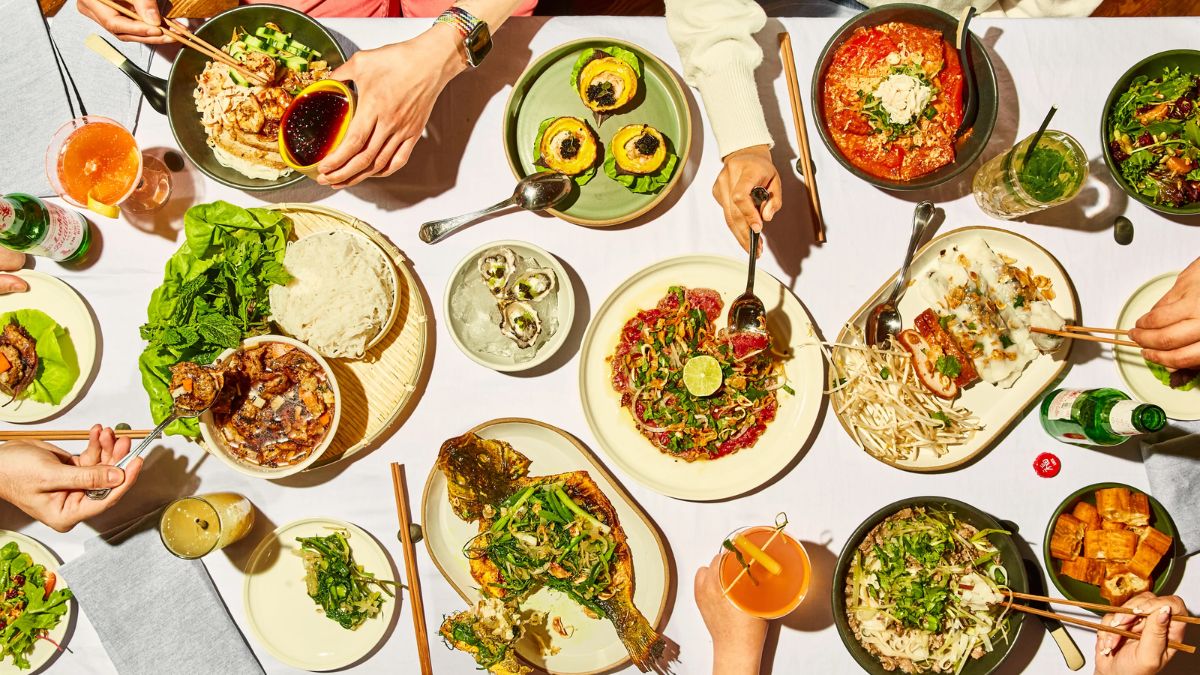
A plate described as shareable may be intended as an appetizer for a group rather than a complete meal for two people. Similarly, a family-style dish may arrive in one large serving that everyone shares instead of individual plates.
Before ordering, check whether the listed price applies to one serving, a platter, or the entire group. If the menu does not provide serving sizes, ask the staff for a practical comparison.
For example, you might ask whether a pasta dish is a full dinner portion or a smaller plate intended to accompany other dishes. This simple question can help you avoid ordering too much or too little.
Pay attention to side dishes, too. Fries, rice, salad, bread, or vegetables may be included with one entrée but sold separately with another. Two meals with similar listed prices may therefore have different overall costs.
Pricing
The displayed menu price is an important starting point, but it may not represent the complete amount you will pay. Some restaurants list prices for individual items, while others offer combination meals, lunch specials, or shared platters with specific conditions.
Check whether a listed price applies to the size or variation you want. For instance, a beverage may have different prices depending on its size, while a dish may cost more if you select additional toppings or premium ingredients.
If the menu includes a price range, find out what determines the final amount. Seafood, seasonal ingredients, and market-priced dishes can be priced according to availability or weight.
It is also worth checking whether drinks, desserts, and side dishes are included in a fixed-price meal. A low-priced entrée may appear attractive at first, but adding several extras can change the total considerably.
A useful approach is to estimate the full cost before ordering. Consider your main dish, drink, any sides, applicable taxes, and a possible tip. You do not need an exact calculation, but a rough estimate makes it easier to stay within your budget.
Charges
Additional charges deserve particular attention when dining somewhere unfamiliar. Restaurant bills can include sales tax, service charges, automatic gratuities, or other disclosed fees, depending on the restaurant and local rules.
These terms are not necessarily interchangeable.
A sales tax is a government-imposed tax applied according to local law. A service charge is a fee added by the business under its stated policy. A gratuity generally refers to a tip, which may be voluntary or automatically added in certain circumstances.
Look for notes near the bottom of the menu, beside prices, or in sections covering large parties and special services. Restaurants may disclose automatic gratuities for groups above a specified size. Others may identify additional charges for particular services or ordering arrangements.
If a fee is unclear, ask politely before placing your order. You could say, “Could you explain whether this service charge is separate from the tip?”
In the United States, tipping customs and restaurant billing practices can differ by location. California also has specific requirements concerning how businesses disclose certain fees and charges. For current consumer guidance, consult the California Attorney General and the California Department of Tax and Fee Administration.
Do not assume that every fee is optional, or that every service charge automatically replaces a tip. Check the wording on the menu and bill, and ask the restaurant to clarify its policy.
Ingredients
Ingredients matter for taste, dietary preferences, allergies, and religious or cultural food requirements. A menu description may identify the main ingredient without listing every component of a sauce, marinade, dressing, or cooking oil.
For example, a vegetable dish may contain butter, a soup may use meat stock, and a salad dressing may include dairy or other ingredients that are not immediately obvious.
If you have a food allergy, do not rely solely on the menu description. Tell the restaurant staff about the specific allergy and ask whether the kitchen can accommodate it. If cross-contact is a concern, ask how the food is prepared and whether separate equipment or preparation areas are available.
The same care applies to dietary preferences. Terms such as vegetarian, vegan, gluten-free, and dairy-free should be understood in the context of the restaurant’s preparation practices.
When the answer is uncertain, choose a dish with clearer ingredients or ask the staff for a suitable alternative. Your health and comfort are more important than guessing what a menu item contains.
Substitutions
Many restaurants allow diners to change side dishes, remove ingredients, or request sauces separately. However, these adjustments may affect the price or may not be available for every item.
Read any notes about substitutions, custom orders, or additional toppings. A menu might allow you to replace fries with a salad, for example, but charge extra for the alternative. Adding avocado, cheese, or a premium protein may also increase the bill.
If you want to change a dish, ask about the cost before confirming the order. This is particularly helpful when ordering for children, people with dietary restrictions, or a group with different preferences.
Avoid assuming that removing an ingredient will reduce the price. Restaurants generally set prices based on the overall dish, preparation, and operating costs, not simply the amount of each ingredient.
Service
The menu can also reveal how the restaurant operates. Some establishments offer counter service, where you order and pay before sitting down. Others provide full table service, while certain casual restaurants ask customers to collect their food when it is ready.
Knowing the service style can prevent confusion about where to order, whether you should wait for a table, and how payment works.
Check whether the menu mentions table service, ordering at the counter, QR-code ordering, or separate payment procedures. If you are unsure, observe the process briefly or ask an employee.
Also look for information about reservations, minimum spending requirements, seating time limits, and policies for large groups. These details are particularly relevant when visiting during busy periods or planning a special occasion.
If a restaurant uses digital menus, review the final order screen carefully before submitting your order. Confirm the selected items, quantities, prices, and any added options. Digital ordering can be convenient, but it is still possible to select the wrong size or add an unwanted extra.
Payments
Before ordering, check which payment methods the restaurant accepts. Although credit and debit cards are widely used in many areas, some businesses may have minimum purchase requirements, cash-only policies, or different procedures for splitting bills.
If you are dining with friends, clarify how the restaurant handles separate payments. Some establishments can divide a bill by item, while others may limit the number of payment methods for a single table.
Review the final receipt before paying. Confirm that the listed dishes match your order, the quantities are correct, and any additional charges are understandable. If something appears incorrect, ask the staff to explain it while you are still at the restaurant.
Keep in mind that menu prices and final bills may be presented differently depending on the country. When traveling internationally, understand whether taxes are included in displayed prices and whether tipping is customary.
For travelers visiting the United States, the USA.gov consumer information website provides guidance on consumer concerns and how to find the appropriate agency for assistance.
Questions
Asking a few straightforward questions can make an unfamiliar restaurant feel much easier to navigate. You do not need to question every detail or delay the meal. Focus on anything that could affect your budget, dietary needs, or expectations.
Useful questions include:
- Is this a full-size entrée or a smaller plate?
- Does the price include the side dish?
- Is the service charge already included in the bill?
- Can this dish be prepared without a particular ingredient?
- Are there additional costs for substitutions?
- Is this price for one person or for the whole platter?
A helpful server should be able to explain the menu or direct you to someone who can. If the answer is unclear, ask for clarification before ordering rather than discovering a surprise after the meal.
Taking a moment to read an unfamiliar restaurant menu carefully can turn a potentially confusing experience into a more comfortable one. Check portion sizes, review ingredients, understand the pricing, and look for notes about service charges or group policies. When something is uncertain, a polite question is often the easiest solution. With a little preparation, you can enjoy trying new restaurants while making informed choices that suit your appetite, preferences, and budget.
FAQs
Why should I read a menu carefully?
It helps you understand ingredients, portion sizes, prices, and extra charges.
What does a shareable dish mean?
It usually means a dish intended to be shared, but serving sizes vary.
Is a service charge the same as a tip?
Not always. Check the restaurant’s policy and ask staff if it is unclear.
Should I ask about food allergies?
Yes. Tell staff about your allergy and ask about ingredients and preparation.
What should I check on the final bill?
Check your items, quantities, taxes, service charges, and any added fees.