Local shopping areas tell stories that go far beyond buying groceries, clothing, or everyday essentials. They reflect how a community grows, how families spend their time, how businesses respond to changing needs, and how streets develop over generations. In San Ysidro, California, look into the history of local shopping areas can offer a valuable glimpse into the neighbourhood’s changing commercial and social life.
Old photographs may reveal storefronts that no longer exist. Historical business directories can identify former shops, restaurants, and service providers. Meanwhile, memories shared by longtime residents can explain what these places meant to the people who visited them.
Combining these sources creates a richer picture than any single record could provide. A photograph captures a moment, a directory records a business at a particular time, and a community memory adds the human experience behind the evidence. Together, they can help residents, researchers, students, and local history enthusiasts explore how San Ysidro’s shopping areas have evolved and what those changes reveal about the community.
Origins
To know how local shopping areas change, begin by examining the history of San Ysidro itself. Its position near the United States-Mexico border has influenced movement, commerce, and everyday life in ways that make the neighbourhood’s commercial history particularly interesting.
Shopping areas rarely develop in isolation. Their growth is connected to transportation routes, population changes, housing, employment, and the needs of nearby residents. Businesses may open where people regularly travel, where public transport makes access easier, or where there is sufficient demand for particular products and services.
In a border community, cross-border connections can also form part of the wider commercial context. However, it is important not to assume that every historical business was directly connected to international visitors. Some served neighbourhood residents, while others may have catered to travellers or customers from a wider area.
Start with broad questions. When did a particular commercial street begin to take shape? Which types of businesses appeared first? Did shops cluster near major roads, transport connections, or established residential areas?
These questions provide a framework for interpreting photographs and written records. They also help researchers distinguish between a documented historical fact and a plausible explanation that still needs evidence.
Photographs
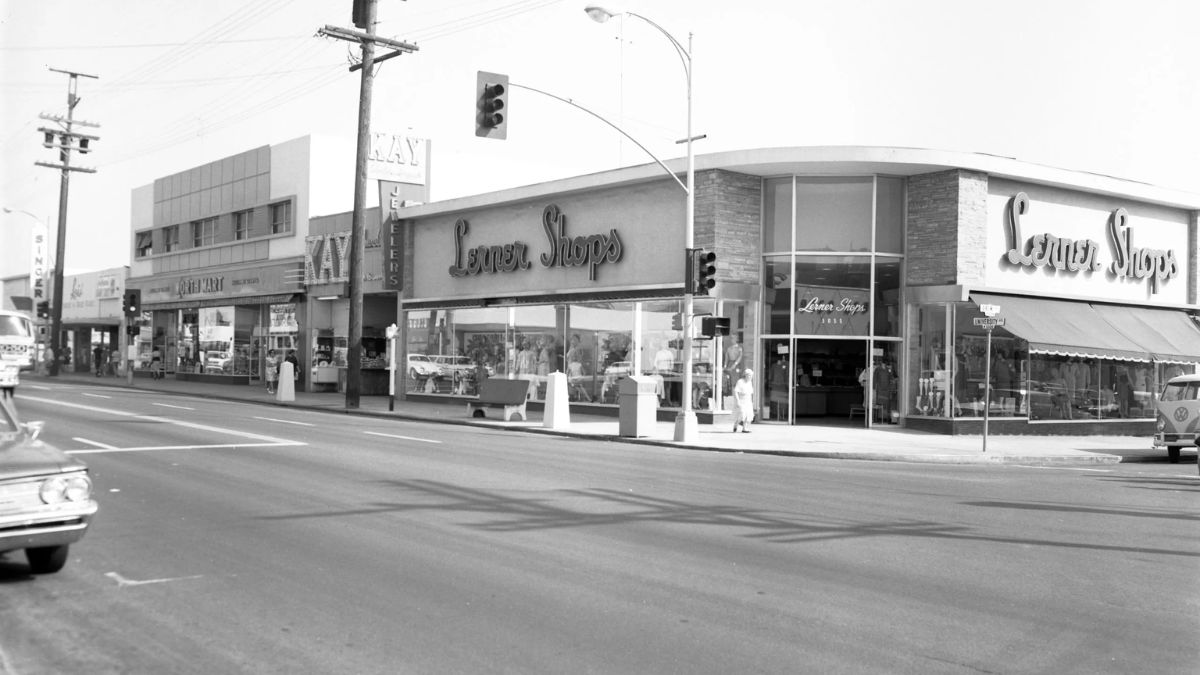
Historical photographs are often the most engaging starting point because they show what a shopping area looked like at a particular moment. Storefront signs, window displays, sidewalks, street layouts, parked vehicles, and neighbouring buildings can all provide clues about how commercial spaces were used.
A photograph of an older shopping street might show a small grocery store beside a repair shop, a family-run restaurant, or a business advertising services in both English and Spanish. Comparing it with a more recent image of the same location can reveal changes in building design, signage, business types, and pedestrian activity.
To make these comparisons useful, record as much information as possible about each photograph:
- Date: When was the image taken, and how certain is the date?
- Location: Can the street, intersection, or building be identified?
- Business name: Is the name readable, or does it need further verification?
- Surroundings: What neighbouring businesses or landmarks appear?
- Source: Who created or preserved the photograph, and why?
Avoid assuming that an undated photograph belongs to a particular decade simply because of the clothing, vehicles, or architecture. These details can offer clues, but they are not definitive proof.
For research, the San Diego Public Library is a useful starting point for exploring local history resources and asking about historical photographs, newspaper archives, and digital collections. The library’s staff may be able to direct researchers towards material relevant to San Ysidro.
Directories
Business directories provide a different kind of evidence. While photographs show appearances, directories can help establish business names, addresses, occupations, and periods when particular establishments were listed.
Historical city directories may identify a shopkeeper’s name, the type of business operated, and the address associated with the enterprise. Comparing several editions can reveal when a business first appeared in the available records, whether its address changed, and whether another business later occupied the same location.
For example, imagine finding a grocery store listed at an address in one directory and a clothing shop listed at the same address in a later edition. This could suggest a change in commercial use. However, researchers should verify whether the address refers to the same building and whether the directory’s information is complete.
Directories also have limitations. A business may have operated without appearing in a particular publication. Listings might contain outdated information, spelling variations, or incomplete addresses. A missing entry does not necessarily prove that a business had closed.
To build a reliable timeline, compare records from multiple years and cross-check them against photographs, advertisements, newspaper reports, and other available documents.
The San Diego History Center is another valuable resource for researching the region’s past. Its collections, historical materials, and research resources can help place individual businesses within a broader local context. Researchers should check current collection access and search arrangements before planning a visit.
Memories
Written records rarely capture everything that made a shopping area meaningful. Community memories can fill some of these gaps by describing how people experienced local businesses in everyday life.
A longtime resident might remember visiting a particular bakery after school, shopping with relatives on weekends, or meeting neighbours outside a familiar storefront. Another person might recall when a business moved, when a new shopping centre opened, or how shopping habits changed as the area developed.
These stories provide social context that a directory cannot offer. They can explain why certain places became gathering points and how local businesses contributed to a sense of belonging.
Oral history interviews are a useful way to preserve such information. With permission, researchers can ask residents open-ended questions about their experiences:
- Which shops do you remember most clearly from your childhood?
- Where did your family usually buy groceries or household goods?
- What made a particular shopping area convenient or distinctive?
- Which businesses have disappeared or changed significantly?
- How did people travel to local shops?
- Were there places where residents regularly met friends and neighbours?
The best interviews encourage people to describe their own experiences rather than suggesting answers. Instead of asking whether a shopping area was better in the past, ask what it was like and what changes the person remembers.
Memories are valuable, but they are not infallible. People may remember dates incorrectly, combine events from different periods, or describe a location using a name that changed over time. Record the speaker’s recollections respectfully, note when a detail is uncertain, and compare the account with documentary evidence whenever possible.
Changes
Once photographs, directories, and personal memories have been collected, the next step is to identify patterns. The objective is not simply to list businesses that opened and closed. It is to understand how commercial activity changed over time.
Look for changes in the types of businesses represented. Did the records show grocery stores, small specialty shops, restaurants, repair services, or professional offices? Did later records reveal different business categories? Were some establishments replaced by businesses serving new needs?
Changes in the physical environment also matter. Buildings may have been renovated, storefronts combined, streets redesigned, or parking arrangements altered. These changes can influence how people move through an area and where businesses attract customers.
Population growth, transportation, economic conditions, technology, and consumer preferences can all affect local shopping patterns. However, avoid assigning a cause without supporting evidence. If several businesses closed during a particular period, for example, the records alone may not establish whether rent increases, changing demand, redevelopment, or another factor was responsible.
A simple comparison table can help organise findings.
| Evidence | What it can reveal | What to verify |
|---|---|---|
| Historical photographs | Storefronts, signs, streets, and buildings | Date and exact location |
| Business directories | Names, addresses, and business categories | Accuracy and publication year |
| Newspaper advertisements | Promotions, openings, and special offers | Publication date and business identity |
| Oral histories | Customer experiences and community connections | Dates and supporting evidence |
| Maps and planning records | Street layouts and land-use changes | Map date and intended purpose |
Using several sources together helps prevent one incomplete record from shaping the entire story.
Mapping
Mapping historical businesses can make the evolution of shopping areas easier to understand. Instead of reading a list of names and addresses, readers can see where businesses were located and how commercial activity was distributed.
Start with a map from a known period, then mark the locations of businesses identified in directories or photographs. If possible, compare the historical map with a modern street map to determine whether addresses and buildings still correspond.
Be careful when matching older addresses to present-day locations. Streets may have been renamed, numbering systems may have changed, and buildings may have been replaced. If a location cannot be confirmed, label it as approximate rather than placing it precisely on a map.
A timeline can complement the map. Include significant dates only when supported by evidence, such as a directory listing, a dated advertisement, or a clearly identified photograph.
You can also organise the research by business type. Tracking grocery stores, restaurants, clothing shops, and personal services separately may reveal different patterns of change. Some categories may have remained common, while others may have moved to different locations or adapted to new customer needs.
The aim is to present the history clearly without implying that incomplete records provide a complete picture of the neighbourhood.
Preservation
Preserving local shopping history does not require a formal museum project. Residents can contribute by identifying old photographs, recording family stories, preserving business receipts, and sharing information with libraries or historical organisations.
Before scanning or publishing photographs, ask who owns the original and whether permission is needed. Respect the privacy of people shown in personal images, especially when identifying individuals or sharing sensitive stories. Keep original captions and any information about the photographer because this context may become important later.
Digital copies should include useful filenames and descriptive notes. A file named with an estimated date, street name, and business name is easier to research later than one labelled only “old shop photo.” Clearly distinguish confirmed dates from estimates.
When collecting memories, obtain informed consent before recording interviews or publishing quotations. Explain how the material may be used, and allow participants to clarify names, dates, or details when appropriate.
Community groups can also invite residents to share memories at local events or contribute photographs to a small digital history project. Comparing several accounts of the same location can help build a fuller record while recognising that different people may remember the past differently.
Research
A practical research project can begin with just one shopping street or one business. Choose a location, search for its name and address in historical records, identify any surviving photographs, and speak with people who may remember it.
Keep a research log that records each source, its date, the information it provides, and any unanswered questions. Separate verified facts from interpretations and personal recollections. This makes it easier to correct mistakes and explain how conclusions were reached.
As the collection grows, look for recurring themes. Perhaps a particular type of business appears repeatedly, a building changes use several times, or residents consistently mention a certain gathering place. These patterns can help shape a compelling local history narrative.
Look into San Ysidro’s shopping areas through photographs, directories, and community memories is ultimately about understanding how a neighbourhood changes while retaining connections to its past. Each storefront, address, and personal recollection contributes a piece of the story. By comparing sources carefully, acknowledging gaps, and preserving material responsibly, residents and researchers can create a more detailed account of local commercial life for future generations.
FAQs
Where can I find old San Ysidro photographs?
Start with the San Diego Public Library and regional historical collections.
What can historical business directories show?
They may list business names, addresses, owners, and business categories.
Why are community memories useful?
They add personal experiences and social context missing from official records.
How can I verify an old business location?
Compare directories, dated photographs, maps, and newspaper records.
Can residents contribute to local history research?
Yes. They can share photographs, documents, and recorded memories with permission.