
Commercial businesses in San Ysidro, California, face ongoing operating expenses that can affect budgets, staffing decisions, and long-term planning. Electricity, natural gas, and water are essential to daily operations, but inefficient equipment, unnecessary consumption, and inconsistent maintenance can increase monthly bills. For retailers, restaurants, offices, warehouses, and other commercial premises, reviewing everyday operating practices can help identify opportunities to reduce these costs.
Energy and water savings do not always require major renovations or expensive technology. Simple measures, such as adjusting lighting schedules, maintaining heating and cooling systems, repairing leaks, and monitoring utility bills, can help businesses manage consumption more effectively. The results depend on the building, its equipment, operating hours, and existing efficiency measures.
A practical approach begins with understanding how a premises uses energy and water. Once the main sources of consumption are identified, business owners can prioritize improvements that are affordable, measurable, and suitable for their operations.
Assessment
The first step is to establish how much energy and water a commercial premises uses. Without this information, businesses may spend money on improvements that have little effect on their largest expenses.
Review electricity, gas, and water bills for at least the previous 12 months, where records are available. This provides a useful baseline and can reveal seasonal changes, unusual increases, or consumption patterns that deserve further investigation.
For example, an increase in electricity use during warmer months may reflect heavier air-conditioning demand. Higher water consumption could indicate increased customer activity, irrigation needs, a leaking fixture, or changes in cleaning procedures.
Businesses should record the following information:
- Monthly electricity and natural gas consumption.
- Monthly water use and associated charges.
- Building operating hours and occupancy patterns.
- Major equipment and its approximate age.
- Recent changes in staffing, production, or customer traffic.
Separating utility costs by department or activity can also help larger premises identify where savings may be possible. A restaurant, for instance, may have different consumption patterns in its kitchen, dining area, refrigeration equipment, and outdoor spaces.
Where available, utility portals and interval data can provide more detail than monthly bills alone. The objective is to establish a reliable baseline against which future improvements can be measured.
Lighting
Lighting is one of the more accessible areas for reducing electricity consumption. Commercial premises often have lights operating in storage rooms, offices, corridors, and other areas when they are not needed.
Replacing older, inefficient lamps with suitable LED lighting can reduce electricity use while providing adequate illumination. LEDs generally use less energy and last longer than traditional incandescent bulbs, although the savings depend on the existing lighting system and usage patterns.
Businesses should begin by inspecting lighting throughout the premises. Identify fixtures that remain on unnecessarily, areas that are overlit, and locations where natural daylight can be used safely.
Occupancy sensors can help control lighting in spaces used intermittently, such as restrooms, stockrooms, and meeting rooms. Timers may be suitable for exterior lighting or other equipment with predictable operating schedules.
However, automatic controls should be configured carefully. Lights in emergency routes, security-sensitive areas, and workspaces requiring continuous illumination must remain appropriate for their intended purpose.
Employees can also help by switching off lights in unused rooms when manual controls are practical. Clear responsibilities and simple closing procedures make these habits easier to maintain.
Cooling
Heating, ventilation, and air-conditioning systems can account for a substantial share of energy use in commercial buildings, particularly during hot weather. In San Ysidro, where summer temperatures can increase cooling demand, the condition and operation of air-conditioning equipment deserve regular attention.
Businesses should check thermostat settings, operating schedules, air filters, and ventilation requirements. Cooling systems should not run at full capacity when a building is empty unless equipment, safety, or environmental requirements make continued operation necessary.
A programmable thermostat or suitable building control system can adjust temperatures according to occupancy. Settings should balance energy consumption with employee comfort, customer needs, and any requirements affecting products or equipment.
Routine maintenance is equally important. Dirty filters, blocked vents, poorly maintained coils, and faulty controls can reduce system performance. Qualified technicians can inspect equipment, identify faults, and advise whether repairs or replacement would be appropriate.
Air leakage can also increase cooling demand. Inspect doors, windows, loading areas, and other openings for damaged seals or gaps. In retail premises, keeping exterior doors closed when practical can help limit the loss of conditioned air.
Avoid setting thermostats excessively low in an attempt to cool a building faster. This does not necessarily accelerate cooling and may increase operating costs. Consistent settings and appropriate maintenance provide a more reliable starting point.
Equipment
Commercial equipment can consume electricity even when it is not actively being used. Computers, printers, displays, kitchen appliances, and other devices may remain in standby mode outside normal operating hours.
A review of equipment schedules can reveal opportunities to reduce unnecessary consumption. Computers and monitors can use energy-saving settings, while suitable devices can be switched off at the end of the working day.
However, not all equipment should be disconnected or switched off. Refrigerators, security systems, network equipment, medical devices, and machinery may need continuous operation. Businesses should follow manufacturer guidance and operational safety requirements before changing shutdown procedures.
Restaurants and food retailers should pay particular attention to refrigeration. Door seals, temperature settings, condenser cleanliness, and airflow can affect performance. Refrigeration temperatures must remain within applicable food safety requirements, so adjustments should never compromise product safety.
When replacing equipment, compare operating costs alongside purchase prices. An efficient appliance may cost more initially but reduce energy consumption over its useful life. Businesses should assess the expected usage, maintenance requirements, warranty, and available incentives before making a decision.
Water
Water expenses can rise through leaks, inefficient fixtures, excessive cleaning, and unnecessary outdoor irrigation. Regular inspections help businesses detect problems before they become larger maintenance issues.
Start with visible fixtures, toilets, taps, drinking fountains, irrigation lines, and water-using equipment. Dripping taps, running toilets, and damp areas near pipes can indicate waste that requires attention.
A water meter can provide additional information. When a premises is not using water, unexplained meter movement may suggest a leak, although some systems and equipment may still operate automatically. If the cause is unclear, a qualified plumber can investigate.
Replacing older fixtures with suitable water-efficient alternatives may reduce consumption. Low-flow aerators and efficient showerheads can be useful where appropriate, while commercial toilets and urinals should be selected according to the needs of the building.
Restaurants and food service businesses should also examine dishwashing procedures. Running equipment with suitable full loads, maintaining spray nozzles, and following manufacturer instructions can help limit unnecessary water use. Cleaning practices must continue to meet hygiene and food safety standards.
Businesses seeking technical guidance can consult the US Environmental Protection Agency’s official WaterSense program. It provides information on water-efficient products and practices that may help commercial premises use water more effectively.
Irrigation
Outdoor water consumption can be a significant expense for properties with landscaped areas, planted borders, or large parking facilities. Poorly adjusted irrigation systems may apply water where it is not needed or continue operating during unsuitable conditions.
Property managers should inspect irrigation controllers, sprinkler heads, drip lines, and valves. Look for leaks, overspray onto paved surfaces, blocked emitters, and uneven watering.
Watering schedules should reflect plant requirements, local weather, soil conditions, and applicable restrictions. Irrigating during cooler periods can help reduce evaporation, while soil moisture sensors or weather-based controllers may improve scheduling when properly installed.
Landscaping choices also affect long-term water demand. Plants suited to local conditions may require less irrigation once established than varieties needing frequent watering. Mulch can help retain soil moisture around appropriate plantings.
Before making changes, businesses should check current requirements from their water provider and relevant local authorities. Restrictions, rebate programs, and equipment requirements can change over time.
Monitoring
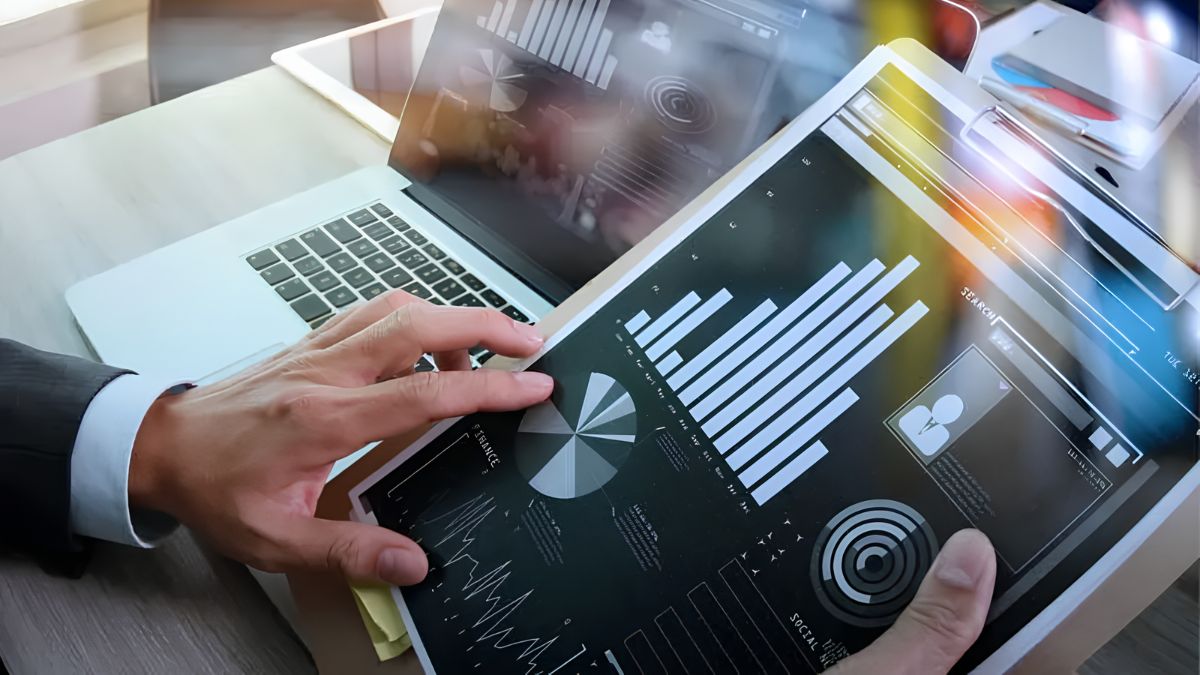
Utility bills should be treated as management information rather than simply invoices to pay. Regular monitoring helps businesses identify changes in consumption and determine whether operational improvements are producing measurable results.
Create a monthly record of electricity, gas, and water use. Where possible, compare consumption as well as cost because changes in utility rates can increase bills even when usage remains stable.
For businesses with changing occupancy or seasonal activity, additional measures can make comparisons more useful. A restaurant might examine electricity use alongside operating days, while a warehouse could compare consumption with operating hours or production volume.
Simple tracking can reveal patterns such as unusually high overnight electricity use, repeated increases in water consumption, or rising cooling demand despite similar weather conditions.
The US Department of Energy provides official resources on energy savings for commercial buildings. Businesses can use these resources to explore building efficiency practices and identify measures appropriate to their facilities.
Larger premises may benefit from an energy audit conducted by a qualified professional. An audit can identify major sources of consumption, estimate potential savings, and help prioritize improvements according to cost and expected performance.
Employees
Employees influence how equipment, lighting, water, and cooling systems are used each day. Even well-designed efficiency measures may produce limited results if operating procedures are unclear or inconsistently followed.
Businesses should establish practical guidelines for opening and closing routines. These may include checking lights, reviewing thermostat schedules, reporting leaks, switching off eligible equipment, and ensuring that doors and windows are managed appropriately.
Instructions should be specific to the workplace. Staff should know which equipment can be turned off and which systems must remain operational. Safety, hygiene, security, and customer service should take priority over reducing consumption.
Managers can assign responsibility for routine inspections and provide a simple method for reporting maintenance issues. A leaking toilet or malfunctioning cooling unit is more likely to be addressed promptly when employees know whom to contact.
Sharing periodic results can also help staff understand whether the measures are working. For example, management might report changes in monthly water use or explain how a revised shutdown procedure reduced unnecessary equipment operation.
The emphasis should remain on practical improvements rather than unrealistic targets or practices that make the workplace uncomfortable.
Investment
Some savings can be achieved through operating changes, while others require capital spending. Businesses should evaluate both options according to cost, expected savings, maintenance requirements, and the remaining useful life of existing equipment.
A sensible starting point is to address inexpensive problems such as leaking fixtures, unnecessary lighting, incorrect schedules, and neglected filters. These measures may require relatively little investment and can help identify further opportunities.
More substantial projects could include replacing inefficient air-conditioning equipment, improving insulation, installing advanced lighting controls, or upgrading water-heating systems. Such investments should be supported by an assessment of actual building needs.
Businesses should request itemized quotations and compare projected energy or water savings with installation and maintenance costs. Estimates should state their assumptions because actual results depend on operating conditions and utility rates.
Commercial property owners and tenants should also clarify responsibility for improvements. A tenant may pay utility bills but lack permission to replace building systems, while a property owner may finance equipment that benefits the tenant through lower operating costs.
Before proceeding, check whether the relevant utility provider, local government, or other eligible program offers rebates or technical assistance. Availability and eligibility should be confirmed directly rather than assumed.
Planning
Reducing energy and water expenses is best approached as an ongoing operating practice rather than a one-time project. A business can begin by reviewing bills, inspecting the premises, correcting obvious waste, and establishing monthly tracking.
Once the baseline is understood, managers can prioritize measures according to their likely impact, cost, and ease of implementation. Equipment maintenance and operating schedules may be suitable first steps, followed by targeted upgrades where the data indicates a clear need.
San Ysidro commercial premises differ in size, equipment, operating hours, and customer requirements, so there is no single solution for every business. A small office may benefit mainly from lighting and thermostat adjustments, while a restaurant may need to focus on refrigeration, hot water, dishwashing, and kitchen equipment.
The most useful results come from combining sensible daily habits with accurate monitoring and appropriate maintenance. By identifying avoidable consumption, reviewing operating procedures, and evaluating improvements against actual utility data, businesses can make more informed decisions about their expenses while maintaining safe, reliable, and comfortable premises.
FAQs
How can San Ysidro businesses reduce electricity bills?
Use efficient lighting, maintain cooling systems, and switch off eligible unused equipment.
How can commercial premises reduce water consumption?
Repair leaks, install suitable efficient fixtures, and review cleaning and irrigation practices.
Why should businesses track utility bills monthly?
Monthly tracking helps identify unusual consumption and evaluate efficiency improvements.
Can employee habits reduce utility expenses?
Yes. Consistent shutdown routines and prompt leak reporting can reduce avoidable waste.
Should businesses invest in energy-efficient equipment?
Compare purchase costs, expected savings, maintenance, and equipment requirements first.