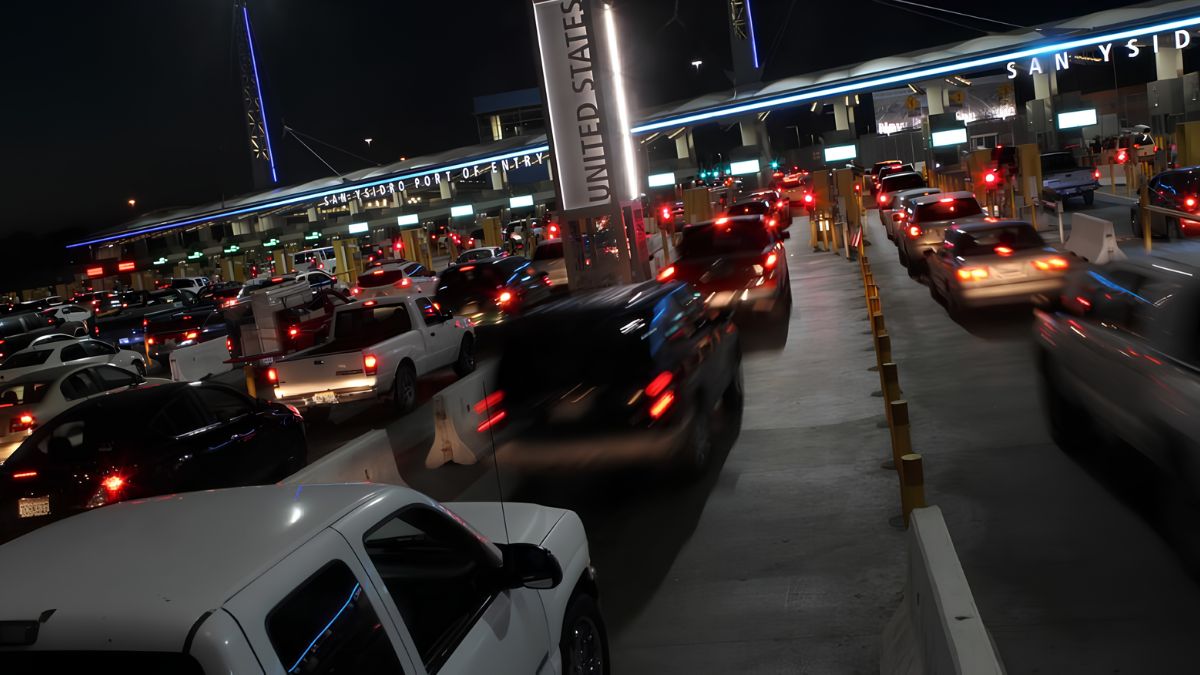
Travel between San Ysidro, California, and Tijuana, Baja California, is common for families, friends, business associates, and other groups visiting the border region. However, coordinating a group journey can become more complicated when some people drive, others walk across the border, and others rely on taxis, rideshare services, or public transportation.
Although the two communities are close geographically, crossing an international border involves additional planning. Travelers must consider immigration requirements, border wait times, transportation connections, meeting locations, and the arrangements needed to bring everyone together at the destination.
For groups using different transportation methods, the most effective approach is to plan the border crossing and the onward journey as separate parts of the trip. This helps participants understand where they need to go, what documents they need, and how they will coordinate with the rest of the group.
Planning
The first step is to establish the group’s itinerary. Before choosing transportation, confirm the destination in Tijuana, the expected arrival time, the planned return journey, and whether everyone needs to arrive together.
A group traveling to a restaurant, hotel, medical appointment, shopping area, or business meeting may have different transportation needs. Some participants may prefer walking across the border, while others may need a vehicle because of luggage, mobility requirements, or the distance to the final destination.
Create a shared itinerary containing the following information:
- The intended border crossing and approximate departure time.
- The transportation method each participant will use.
- The meeting location on the Mexican side.
- The address of the final destination.
- Contact details for the group coordinator.
- The planned return arrangements.
It is also useful to agree on a backup plan in case a participant encounters a longer border queue or a transportation delay.
Avoid assuming that everyone will arrive at the same time simply because the group leaves San Ysidro together. Different crossing methods, inspection procedures, traffic conditions, and transportation connections can produce substantially different arrival times.
Documents
Every traveler should confirm that they have the documents required for their circumstances before leaving San Ysidro. Requirements can differ according to citizenship, immigration status, travel purpose, and whether the traveler is entering Mexico, returning to the United States, or both.
Travelers should not assume that a document sufficient for one part of the journey automatically satisfies every requirement for the return crossing.
US citizens, lawful permanent residents, foreign nationals, and other travelers may have different documentation obligations. Mexican entry requirements can also depend on nationality and immigration status.
The official US Customs and Border Protection website provides information about returning to the United States, border procedures, and applicable travel documents.
Travelers should also consult the Mexican government’s official National Institute of Migration website for relevant entry requirements and immigration information.
Check the current rules before departure, particularly when traveling with children, using a passport card, carrying specialized travel documents, or planning an extended stay. Where a visa or additional authorization may be required, verify the requirement with the appropriate official authority.
Group organizers should encourage every participant to check their own documents rather than assuming that one person’s eligibility applies to everyone.
Walking
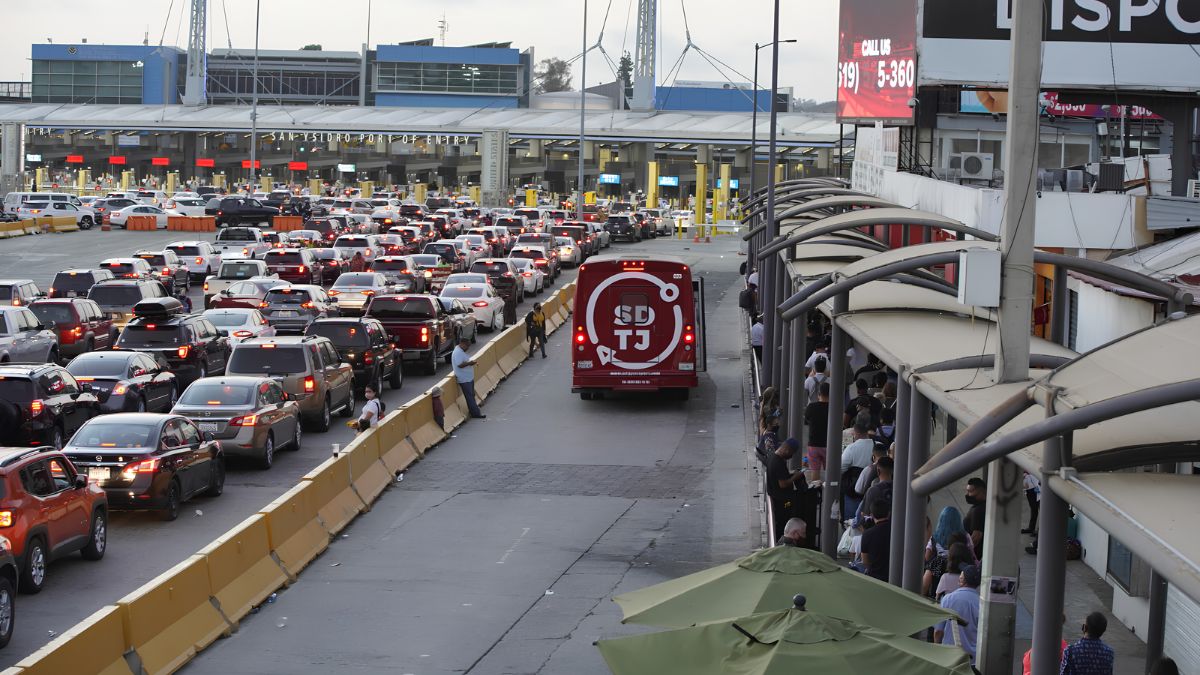
Walking across the border is an option for travelers who want to avoid driving through vehicle inspection lanes. At the San Ysidro Port of Entry, pedestrians can use designated pedestrian crossing facilities, subject to current access arrangements and inspection procedures.
Travelers should verify the applicable pedestrian route, operating conditions, and entry requirements before departure. Border facilities and access arrangements can change, so older directions may not always reflect current conditions.
After entering Tijuana, pedestrians may continue on foot where practical or arrange onward transportation. The most suitable choice depends on the destination, distance, luggage, weather, and individual mobility needs.
For a group using mixed transportation, the pedestrian route can provide a useful coordination point. However, participants should not assume that the walking crossing will be faster than driving in every circumstance. Wait times vary according to the day, time, inspection activity, and border conditions.
Anyone walking across should keep their travel documents accessible and allow additional time for navigation and transportation arrangements after completing inspection.
Driving
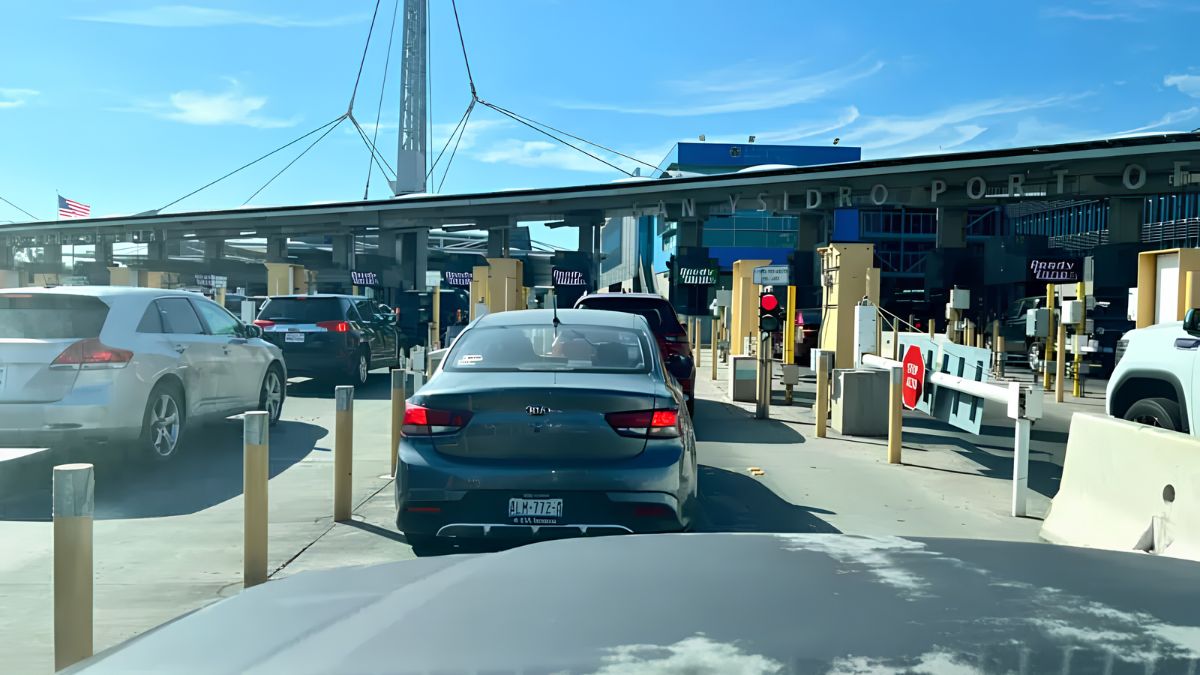
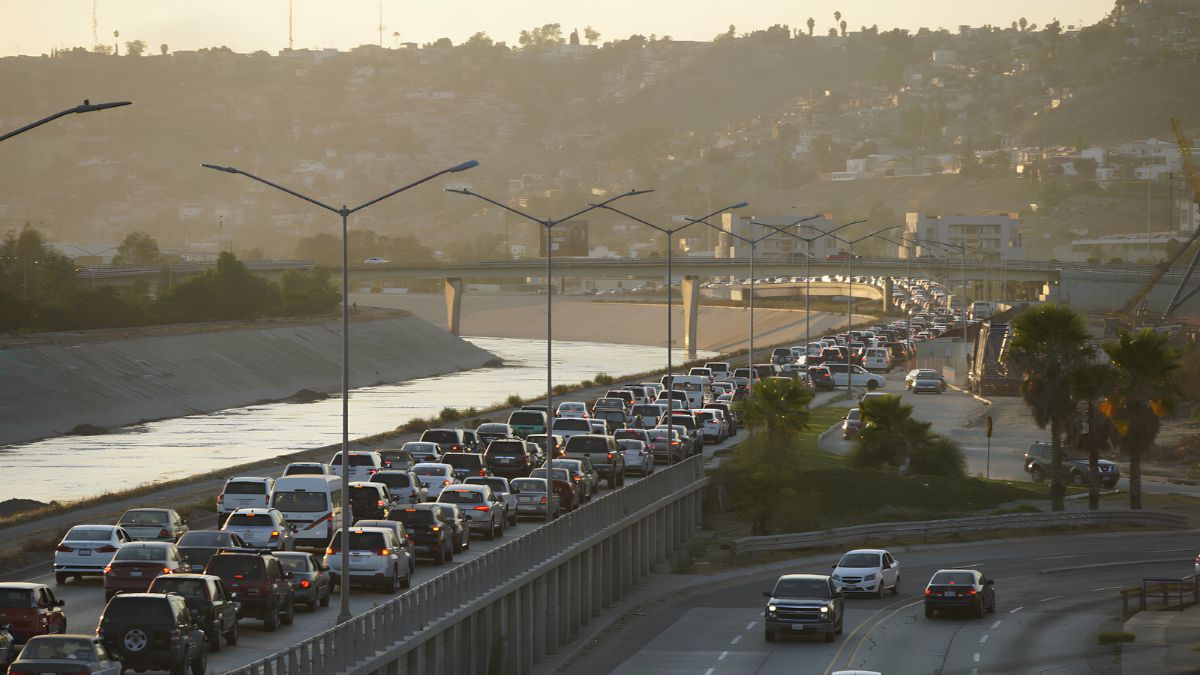
Driving across the border can be convenient for travelers carrying luggage, transporting children, or visiting destinations that are difficult to reach by public transportation. However, the driver must account for vehicle inspection, traffic, parking, and the requirements that apply to the vehicle and its occupants.
Before departure, check whether the vehicle is permitted to enter Mexico under the applicable rules. Drivers should also confirm that their driving license, vehicle registration, insurance, and any required permits are appropriate for the journey.
US vehicle insurance should not be assumed to provide the coverage required in Mexico. Drivers should contact their insurer or a qualified insurance provider to verify coverage and arrange appropriate Mexican auto insurance where necessary.
Vehicle requirements may depend on the vehicle’s registration, ownership, intended travel area, and other circumstances. Travelers should consult official Mexican guidance or the relevant authorities if they are unsure whether an additional permit is required.
Parking also deserves attention. If other group members are walking across, establish whether the driver will meet them after crossing or whether everyone will travel separately to the destination.
A driver should not attempt to coordinate a moving vehicle with pedestrians through repeated phone calls or messages. Agreeing on a meeting point in advance makes the journey easier to manage.
Rideshare
Rideshare services can be useful for the journey to the border, for travel within Tijuana, or for connecting participants with a meeting location. However, service availability and pickup arrangements may differ between the United States and Mexico.
A rideshare booking in San Ysidro should not be treated as a guaranteed cross-border ride. Drivers may have restrictions related to their operating area, platform policies, vehicle arrangements, or border access.
For that reason, travelers should confirm the trip details in the relevant app and understand where the driver will end the journey. If the group plans to use a separate ride in Tijuana, arrange the next pickup after confirming that the service is available for the destination.
For mixed groups, designate a specific meeting point that is easy to identify and accessible to pedestrians and vehicles. Avoid relying on a vague instruction such as meeting somewhere near the border, because border facilities, roads, and pedestrian exits can make coordination confusing.
Passengers should also consider luggage capacity, the number of people traveling together, and whether multiple vehicles are required.
Transit
Public transportation can provide another option for groups traveling between San Ysidro and destinations in Tijuana. The best route depends on where the trip begins, the destination in Mexico, the time of travel, and the available services.
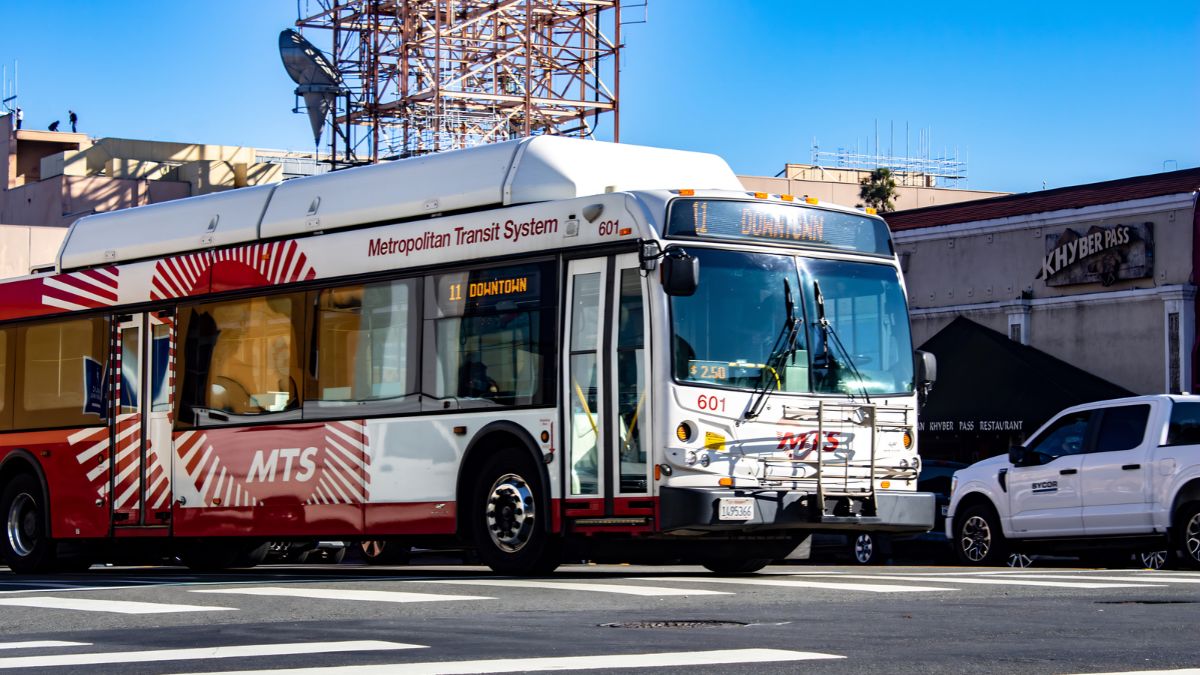
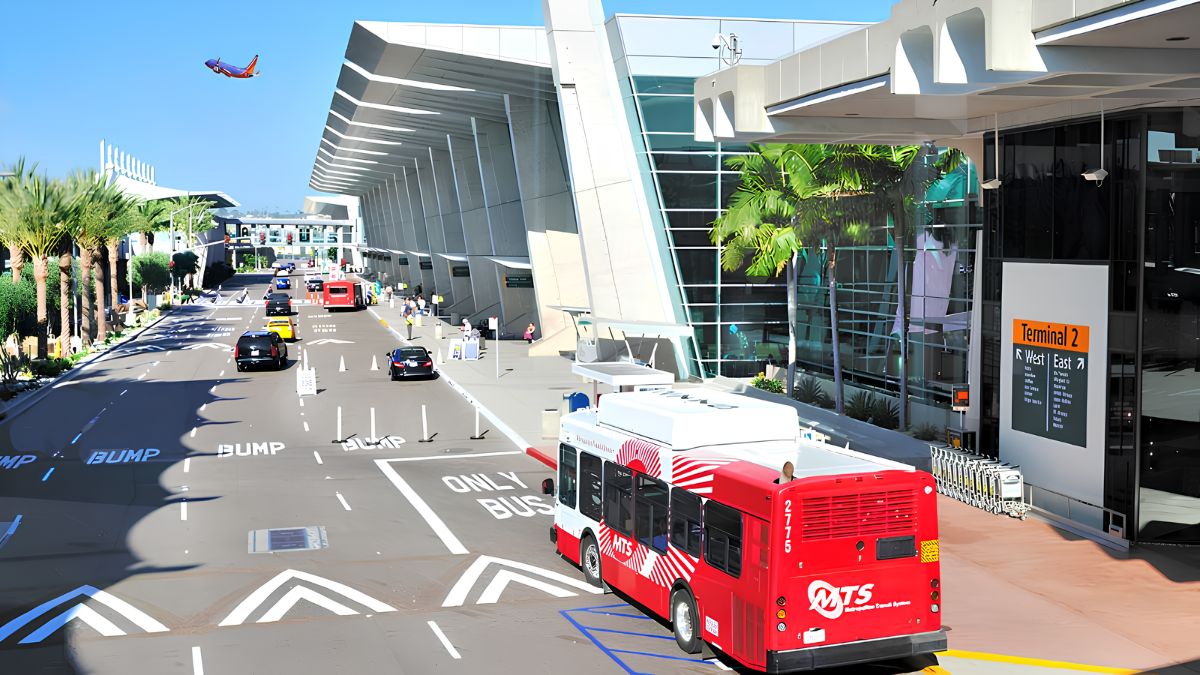
On the US side, the San Ysidro Transit Center connects travelers with regional transit services, including the San Diego Metropolitan Transit System’s Trolley. This can be useful for reaching San Ysidro from other parts of the San Diego area.
Official transit information is available through the San Diego Metropolitan Transit System website. Travelers should check current schedules, fares, service alerts, and station access before departure.
After crossing into Mexico, travelers need to determine which local transportation options serve their destination. Depending on the location, these may include authorized taxis, local buses, or app-based services.
Public transportation may be less convenient for participants carrying substantial luggage or traveling with people who have limited mobility. It can also require additional transfers and walking.
Groups should therefore compare the full journey rather than considering only the first part of the trip. A lower-cost option may involve more transfers, while a direct ride may be easier for participants who need to arrive at a specific time.
Coordination
When group members use different transportation methods, communication is essential. Each participant should know the intended route, the meeting point, and the process for reporting a delay.
A shared itinerary can include the destination address, the coordinator’s contact details, and the estimated arrival window. Participants should also agree on what happens if someone completes the border crossing later than expected.
For example, a group might choose a meeting point in a public area on the Mexican side, away from vehicle lanes and restricted inspection areas. The location should be accessible, easy to identify, and suitable for the size of the group.
If the destination is a restaurant or hotel, meeting there may be simpler than waiting near the border. However, this arrangement works only if everyone knows how to reach the destination independently.
Mobile connectivity should also be considered. International roaming charges, limited data access, battery life, and inconsistent reception can interfere with communication. Travelers may want to confirm their mobile plan before departure and save important addresses and contact information offline.
Avoid making plans that require participants to use their phones while driving. Drivers should stop safely before checking directions or responding to messages.
Timing
Border wait times can change throughout the day and may differ considerably between pedestrian and vehicle crossings. Weekends, holidays, commuting periods, and special events can affect traffic and inspection queues.
Travelers should check official border wait information before setting out and again when practical during the planning process. US Customs and Border Protection provides border wait information through its official website and related tools.
A group traveling for an appointment should build a reasonable time allowance into the itinerary. The appropriate buffer depends on the crossing method, the day, the destination, and how much flexibility the group has.
It is also important to distinguish between the time required to reach the border, the time spent in inspection, and the time needed to travel from the crossing to the final destination.
These are separate stages, and a delay in one can affect the entire schedule. For important appointments, the group may want to agree on an arrival deadline rather than a single departure time.
Travelers should not rely exclusively on estimates from a previous trip. Border conditions and transportation services can change between visits.
Return
The return journey should be planned before the group leaves San Ysidro. Participants who travel separately into Tijuana may not be able to return together without additional coordination.
Confirm the intended return crossing, transportation connections, and meeting arrangements. If some participants will drive while others walk, establish whether everyone will return independently or meet at a predetermined location.
Travelers should keep the documents needed for re-entry readily accessible. They should also account for possible queues, transportation availability, and operating schedules.
If the group has a flight, appointment, or other fixed commitment after returning to the United States, allow additional time for the crossing and onward travel. Do not assume that a morning journey or an earlier crossing will guarantee a particular return time.
When traveling with children or participants who need assistance, confirm who will accompany them and how the group will handle unexpected delays.
Preparation
A successful trip between San Ysidro and Tijuana depends on more than choosing the fastest transportation method. It requires coordination between border procedures, individual documentation, local transportation, and the group’s schedule.
Before departure, verify current entry requirements, check border wait information, confirm transportation arrangements, and share the itinerary with every participant. Choose meeting points that are easy to identify, and make sure each traveler knows what to do if the group becomes separated.
Walking, driving, rideshare services, and public transportation can all be suitable options in different circumstances. The right choice depends on the destination, budget, luggage, mobility needs, and timing requirements.
By planning the crossing and the onward journey separately, groups can reduce avoidable confusion and respond more effectively to delays. A clear itinerary, reliable communication, and up-to-date official information provide a practical foundation for traveling between San Ysidro and Tijuana with different transportation methods.
FAQs
Can a group use different ways to cross the border?
Yes. Members can use different methods if each follows applicable entry requirements.
What documents are needed to cross into Tijuana?
Requirements depend on nationality, immigration status, and travel circumstances.
Can rideshare drivers cross the US-Mexico border?
Do not assume they can. Confirm the trip and service availability before booking.
How can groups coordinate different arrival times?
Share a clear meeting point, contact details, and a flexible arrival window.
Where can travelers check border wait times?
Consult official US Customs and Border Protection border wait information.