For independent retailers in San Ysidro, maintaining steady inventory depends on more than placing orders and waiting for deliveries. Suppliers influence product availability, operating costs, customer satisfaction, and the amount of cash a business needs to keep moving. When shipments arrive late or orders are incomplete, even a small retail store can face difficult purchasing decisions.
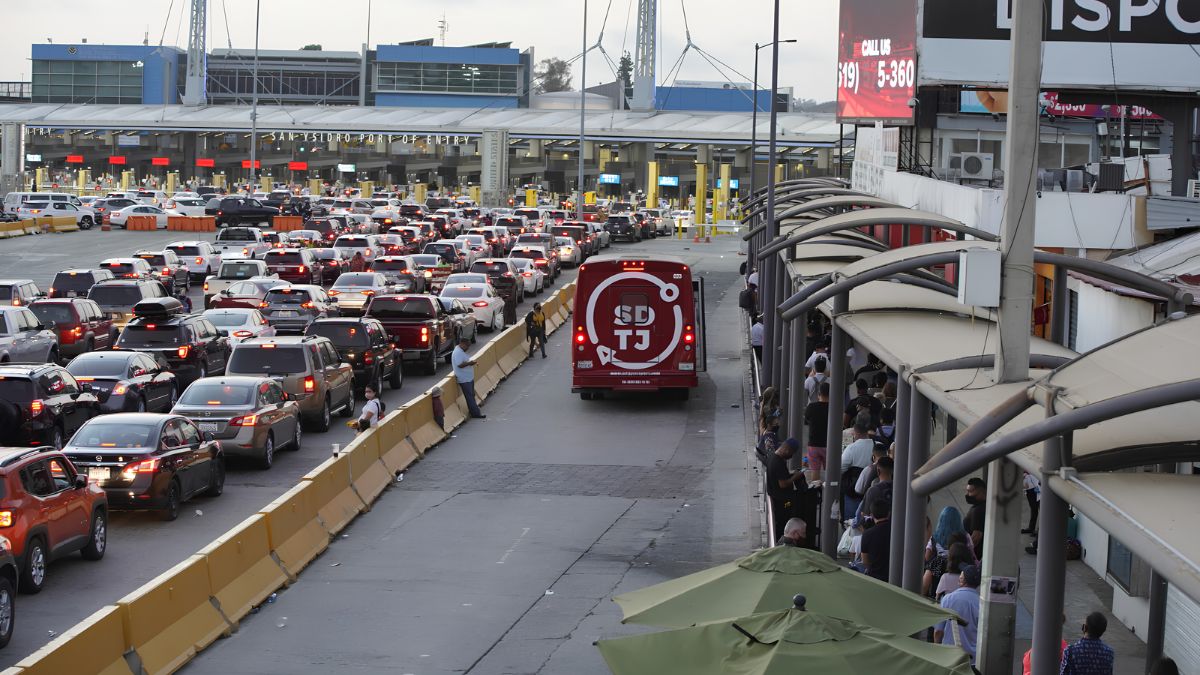
San Ysidro’s location near the U.S.-Mexico border adds another consideration for businesses that source merchandise internationally. Transportation schedules, customs requirements, supplier capacity, and seasonal demand can all influence delivery timelines. Retailers purchasing from domestic distributors may also encounter warehouse shortages, carrier disruptions, and unexpected changes in product availability.
Managing these challenges requires a structured approach rather than relying on last-minute solutions. By improving supplier communication, monitoring inventory, reviewing delivery performance, and maintaining alternative sourcing options, independent retailers can reduce uncertainty and make more informed business decisions.
Planning
Inventory planning is the starting point for effective supplier management. Retailers need to know which products sell consistently, which items experience seasonal demand, and how long suppliers typically take to fulfill orders.
Reviewing sales records can help identify products that require frequent replenishment. For example, a convenience store may need to monitor everyday essentials closely, while a clothing retailer may focus on seasonal merchandise and popular sizes. These differences should influence purchasing schedules and stock requirements.
A useful approach is to establish reorder points for important products. A reorder point represents the inventory level at which a new purchase order should be placed. It should account for expected demand during the supplier’s lead time and include an appropriate safety-stock allowance.
Consider a retailer that sells an average of 10 units of a product each day. If replenishment normally takes seven days, the store may need approximately 70 units to cover expected demand during that period, before adding safety stock. If the supplier’s lead time becomes less predictable, the retailer may need to review that buffer.
This calculation should reflect actual sales patterns rather than assumptions. Overestimating demand can tie up money in excess inventory, while underestimating it can lead to shortages.
Retailers should also distinguish between essential products and lower-priority merchandise. Items with consistent sales and limited substitutes generally require closer monitoring than products customers can easily replace with alternatives.
Communication
Clear communication helps retailers identify delivery problems before they affect customers. Suppliers should understand the quantities required, the expected delivery schedule, and the process for reporting changes.
When placing an order, request written confirmation of product availability, quantities, pricing, shipping arrangements, and estimated arrival dates. Keep purchase orders, invoices, and delivery confirmations in one location so employees can review the information when questions arise.
Regular communication is particularly important when working with suppliers that serve multiple retailers or operate across different regions. A supplier may experience warehouse shortages or transportation disruptions that affect several orders simultaneously. Early notification gives the retailer more time to adjust purchasing plans.
For San Ysidro businesses receiving merchandise from Mexico or other international locations, discussions should also cover shipment documentation, customs responsibilities, applicable duties, and the party responsible for resolving clearance issues.
The U.S. Customs and Border Protection website provides official information about importing goods into the United States. Retailers can consult U.S. Customs and Border Protection to know basic import and export procedures and identify requirements relevant to their shipments.
Communication should remain factual and focused on resolving the issue. When a supplier misses a delivery date, ask what caused the delay, which products are affected, and when the shipment is realistically expected to arrive. Document any revised commitments to reduce confusion later.
Tracking
Retailers need a consistent method for monitoring purchase orders and measuring supplier performance. A spreadsheet may be sufficient for a small shop, while businesses managing several product categories may benefit from dedicated inventory software.
Regardless of the system, records should include the supplier’s name, order date, purchase order number, quantities ordered, expected arrival date, shipping status, and actual delivery date. Retailers should also record missing items, damaged products, pricing discrepancies, and communication problems.
These details help distinguish occasional disruptions from recurring supplier issues. One late shipment may result from an unusual transportation problem. Repeated delays, however, may indicate that a supplier’s delivery estimates are unreliable or that its inventory management practices need improvement.
An on-time delivery rate provides a straightforward way to evaluate performance. Divide the number of orders received by the agreed delivery date by the total number of orders assessed, then multiply the result by 100.
For example, if a supplier delivers 18 of 20 orders on time, its on-time delivery rate is 90%. Retailers should review this figure alongside order accuracy, product quality, pricing, and responsiveness. A supplier with competitive prices may not provide the best overall value if frequent delays require costly emergency purchases.
It is also useful to compare delivery performance over several months. This can reveal recurring seasonal problems and help retailers decide whether to adjust order dates, increase safety stock, or negotiate different service arrangements.
Responses
When a delivery delay occurs, the first step is to establish how the problem affects current operations. Retailers should check remaining stock, estimate how quickly it will sell, and determine whether the missing products have suitable substitutes.
If an essential item is likely to run out before the delayed shipment arrives, contact the supplier immediately. Ask whether the order can be split, whether available inventory can be dispatched separately, or whether another distribution center can fulfill the requirement.
A split shipment may allow a retailer to receive high-priority products sooner while the remaining items follow later. However, additional transportation charges should be considered before accepting this arrangement.
Retailers can also adjust promotional activities when products are unavailable. If an advertised item cannot be replenished on time, updating store displays and informing customers about alternatives can help prevent confusion.
Customer communication is particularly important for special orders and prepaid purchases. Providing a realistic update is generally more useful than promising a delivery date that has not been confirmed.
Emergency purchasing should be evaluated carefully. Buying from a nearby wholesaler or arranging expedited delivery may protect sales, but the additional cost can reduce margins. Before proceeding, compare the expected cost of the alternative with the likely financial impact of running out of stock.
A simple decision-making process helps maintain consistency:
- Confirm the cause and expected duration of the delay.
- Calculate how much inventory remains and how quickly it is selling.
- Identify alternative products or available suppliers.
- Compare replacement costs with the potential cost of a stockout.
- Record the decision and review the outcome after the shipment arrives.
Sourcing
A dependable primary supplier remains valuable, but relying on one source for every critical product creates concentration risk. If that supplier experiences a prolonged shortage, the retailer may have few immediate options.
Independent retailers in San Ysidro can reduce this exposure by identifying qualified backup suppliers. These may include regional distributors, local wholesalers, manufacturers, and other businesses that can provide comparable products.
Before relying on a secondary source, compare more than the quoted price. Consider minimum order quantities, delivery times, product specifications, return policies, payment terms, and transportation costs. For imported goods, confirm whether the supplier can provide the necessary commercial and customs documentation.
Retailers should test alternative suppliers with smaller orders whenever practical. This allows them to assess product quality and delivery reliability without committing substantial funds.
Maintaining two or more sources for critical products can also improve purchasing flexibility. However, managing too many supplier relationships may increase administrative work and reduce the benefits of consolidated purchasing.
The objective is to establish a manageable network that supports business continuity. A primary supplier can handle routine purchases, while a vetted secondary supplier provides an alternative when inventory or transportation problems arise.
Budgeting
Delivery disruptions affect cash flow as well as inventory. Retailers may have to pay for replacement merchandise before receiving the original shipment, absorb higher shipping charges, or wait longer to generate revenue from an order already paid for.
A basic contingency budget can help businesses prepare for these costs. The amount should reflect sales volume, product importance, supplier reliability, and the financial resources available to the store.
Retailers should also assess the cost of holding additional inventory. Safety stock can reduce the risk of shortages, but it requires working capital and storage space. Some products may also become obsolete, expire, or lose value before they sell.
A balanced purchasing strategy considers both risks. Fast-moving essentials with uncertain delivery times may justify a larger buffer, while expensive products with unpredictable demand may require smaller, more frequent orders.
Payment terms deserve similar attention. Negotiating a longer payment period may help a retailer manage cash flow, but the business should ensure that it can meet the agreed obligations. Discounts for early payment should be compared with the value of retaining cash for operating expenses.
Retailers can also use their accounting records to compare planned purchasing costs with actual spending. Including expedited shipping, replacement orders, and losses associated with unavailable products gives a more accurate view of supplier performance.
Technology
Digital tools can improve purchasing decisions without requiring a large technology budget. Small retailers can begin with a shared spreadsheet that tracks stock levels, supplier contacts, open orders, and expected delivery dates.
As the business grows, inventory management software may provide additional features such as automated reorder alerts, barcode scanning, sales forecasting, and integration with point-of-sale systems.
Automated reminders can help employees follow up on orders that have not shipped or deliveries that have passed their expected arrival dates. Digital document storage also makes it easier to retrieve purchase orders and invoices when investigating a discrepancy.
For retailers that import merchandise, it is important to distinguish between ordinary shipment tracking and customs compliance. A carrier’s tracking status does not necessarily establish that all import requirements have been satisfied.
The U.S. Small Business Administration offers official guidance on managing business operations and planning for business needs. Retailers can use its resources alongside advice from their accountants, logistics providers, and customs professionals.
Technology should support a clear operating process rather than replace it. Employees need to know who checks delivery status, who contacts suppliers, and who approves emergency purchases. Without these responsibilities, even an advanced inventory system may fail to prevent avoidable problems.
Compliance
Retailers receiving goods from outside the United States should confirm which rules apply to their specific products and shipping arrangements. Requirements can vary according to the product category, country of origin, shipment value, and applicable trade measures.
Importers may need to address classification, valuation, country-of-origin information, documentation, duties, and other regulatory requirements. Certain products, including food, cosmetics, electronics, and regulated goods, may be subject to additional rules.
Businesses should not assume that a supplier or freight company automatically handles every compliance obligation. Responsibilities should be established before the shipment leaves its origin.
The International Trade Administration provides official U.S. government resources on international trade, exporting, and trade-related requirements. Retailers can use these resources to identify relevant guidance and determine whether professional assistance is appropriate.
For shipments crossing the U.S.-Mexico border, maintaining accurate commercial invoices, product descriptions, and shipment records can help support the clearance process. Retailers should work with qualified customs brokers or trade professionals when the requirements are complex or uncertain.
These precautions cannot eliminate every inspection or transportation delay. They can, however, reduce problems caused by incomplete documentation, unclear responsibilities, or avoidable errors.
Reviews
Supplier management should include regular reviews rather than relying exclusively on the most recent delivery. A monthly or quarterly review can help retailers identify changes in reliability and decide whether purchasing arrangements remain appropriate.
Useful measures include on-time delivery, order completeness, product defect rates, average lead time, price changes, and responsiveness to problems. Retailers should also consider the cost of managing each relationship, including administrative work and emergency orders.
Share relevant findings with suppliers. If deliveries have become less reliable, explain the pattern and ask whether a revised schedule or different ordering process could improve performance. Suppliers may be able to reserve inventory, provide earlier warnings about shortages, or recommend more suitable shipping arrangements.
Where problems continue, retailers can establish corrective steps and review progress against an agreed timeline. If performance does not improve, shifting some or all purchases to another qualified supplier may be appropriate.
The goal is to make supplier decisions using documented results rather than assumptions. Consistent reviews also help distinguish suppliers experiencing temporary difficulties from those whose service no longer meets the retailer’s needs.
For independent retailers in San Ysidro, reliable supplier relationships depend on preparation, communication, and regular evaluation. Delivery delays cannot always be prevented, but their effects can be reduced through sensible reorder points, accurate shipment records, backup sourcing, and realistic financial planning.
By combining these practices with appropriate compliance checks and clear staff responsibilities, retailers can maintain better control over inventory, respond more effectively to disruptions, and make purchasing decisions that support long-term business stability.
FAQs
How can retailers reduce supplier delays?
Place orders early, monitor shipments, and maintain reliable backup suppliers.
Why is supplier communication important?
It helps retailers identify problems early and agree on realistic delivery dates.
Should small retailers use multiple suppliers?
Yes, backup suppliers can reduce the risk of essential inventory shortages.
How can retailers measure supplier performance?
Track delivery times, order accuracy, product quality, and total purchasing costs.
What should retailers do when shipments are late?
Check remaining stock, contact the supplier, and compare practical alternatives.