A road trip from San Ysidro, California, can involve local driving around San Diego County, longer journeys through California, or travel across the US-Mexico border into Tijuana. Regardless of the destination, preparing a vehicle before departure can help drivers avoid preventable delays, identify potential safety issues, and understand what to do if something goes wrong on the road.
Vehicle preparation involves more than checking fuel levels and packing luggage. Drivers should review manufacturer recall notices, verify registration and insurance documents, inspect essential vehicle systems, and confirm that roadside assistance is available when needed. These checks are particularly important for longer journeys, where a mechanical problem or missing document can disrupt travel plans.
A practical preparation routine does not need to be complicated. By completing a few checks before departure, drivers can make more informed decisions about whether their vehicle is ready for the journey and whether additional maintenance is necessary.
Recalls
Vehicle recalls address safety-related defects or compliance issues identified by a manufacturer or a relevant government authority. These issues can affect components such as airbags, brakes, steering systems, fuel systems, seat belts, and electrical equipment.
Before a road trip, drivers should check whether their vehicle has any outstanding recalls. The National Highway Traffic Safety Administration (NHTSA) provides an official Vehicle Safety Recalls search tool, where users can search using a vehicle identification number (VIN).
The VIN is a unique identifier generally found on the driver’s side of the dashboard, visible through the windshield, and on the driver’s door-jamb label. It may also appear on registration and insurance documents.
When checking a recall, review the affected component, the stated safety concern, and the recommended corrective action. If an unresolved recall appears, contact an authorized dealer or the manufacturer to determine the appropriate repair arrangements.
Recall repairs are generally provided without charge to the vehicle owner under the applicable recall program, although the exact circumstances should be confirmed with the manufacturer or dealer.
Do not assume that a vehicle is free from recalls simply because it has recently passed an inspection or received routine maintenance. Recall status and ordinary servicing address different issues.
If a recall involves a serious safety concern, follow the manufacturer’s instructions about whether the vehicle should be driven. Some defects require immediate attention, and continuing a journey without clarification may expose occupants and other road users to unnecessary risk.
Registration
Valid vehicle registration is an essential part of preparing for a road trip. Drivers should confirm that their registration is current and that the vehicle’s identifying details match the relevant documents.
California vehicle registration information is administered by the California Department of Motor Vehicles (DMV). Its official Vehicle Registration page provides information about registration requirements, renewals, and related services.
Before leaving San Ysidro, check the registration expiration date and ensure that any required renewal has been completed. If the vehicle was recently purchased, transferred, or moved between jurisdictions, verify that its paperwork is appropriate for the current circumstances.
Drivers should also confirm that the license plates and registration stickers, where applicable, meet California requirements. If registration documents are stored electronically, make sure they can be accessed when needed and understand whether the available format is accepted for the intended purpose.
A registration document does not replace a driver’s license or proof of insurance. These documents serve different purposes, and drivers should keep the relevant records accessible.
For vehicles traveling into Mexico, additional requirements may apply depending on the vehicle’s registration, ownership, destination, and length of stay. Drivers should confirm whether any vehicle import permit or other authorization is necessary before crossing the border.
Insurance
Auto insurance deserves particular attention before a road trip because coverage can vary by policy, location, vehicle, and intended use.
For travel within California, review the policy’s effective dates, covered vehicles, and relevant coverage limits. Drivers should know how to contact their insurer and what information is required to report an accident or request assistance.
Proof of insurance should be accessible during the journey. Keeping a current digital copy may be useful, but drivers should also understand the documentation requirements that apply in their location and circumstances.
Traveling into Mexico requires additional consideration. A US auto insurance policy should not be assumed to provide the liability coverage required in Mexico. Drivers should contact their insurer and confirm the policy’s territorial limits before crossing the border.
Where necessary, arrange appropriate Mexican auto insurance through a reputable provider. Review the policy’s coverage, exclusions, liability limits, and assistance provisions before purchasing it.
Drivers should also distinguish between insurance and roadside assistance. Insurance may cover specified losses or liabilities, while roadside assistance typically provides services such as towing, battery assistance, or help with a flat tire. The benefits available depend on the contract.
Checking both arrangements before departure helps drivers understand which services are covered and which expenses they may need to pay themselves.
Inspection
A basic vehicle inspection can identify problems that deserve attention before a long journey. It does not replace professional servicing, but it provides an opportunity to notice visible defects and unusual operating conditions.
Start with the tires. Check their inflation pressure against the manufacturer’s recommended figures, usually listed on the driver’s door-jamb label or in the owner’s manual. The pressure printed on a tire’s sidewall is generally not the vehicle’s recommended operating pressure.
Inspect the tread and sidewalls for uneven wear, cracks, bulges, or visible damage. Check the spare tire if the vehicle has one, along with the jack and other equipment needed to change a tire safely. Some vehicles use tire repair kits or run-flat tires instead of conventional spares.
Next, check the exterior lights, turn signals, brake lights, and windshield wipers. These systems are important for visibility and communication with other road users, particularly when driving at night or in poor weather.
Look for fluid leaks beneath the vehicle and check accessible fluid levels according to the owner’s manual. Depending on the vehicle, these may include engine oil, coolant, brake fluid, and windshield washer fluid.
Pay attention to warning lights, unusual noises, steering changes, or braking problems. If the vehicle has recently developed a mechanical issue, arrange an inspection by a qualified technician before undertaking a long journey.
Do not open a hot cooling system or attempt repairs that require specialist knowledge. Safety should take priority over completing the trip on schedule.
Maintenance
Routine maintenance helps keep a vehicle operating as intended and may reduce the likelihood of certain mechanical failures. The appropriate servicing schedule depends on the vehicle model, age, mileage, driving conditions, and manufacturer recommendations.
Before departure, review the owner’s manual and recent service records. Determine whether an oil change, tire rotation, brake inspection, or other scheduled maintenance is due.
Vehicles used frequently in heavy traffic, extreme temperatures, or demanding driving conditions may require particular attention to maintenance schedules. However, the manufacturer’s guidance should remain the primary reference for service intervals.
Battery condition is another useful check. A weak or aging battery may cause starting problems, especially when combined with extreme temperatures or infrequent use. A qualified technician can test the battery and charging system if there are signs of trouble.
Drivers should also check the condition of belts, hoses, and the cooling system where appropriate. Leaks, cracks, unusual smells, or overheating should be investigated rather than ignored.
If a vehicle has not been serviced recently, a pre-trip inspection may be worthwhile, especially before a journey involving remote highways or limited access to repair facilities.
Avoid making major, untested modifications immediately before departure. Any repair or replacement should be checked to ensure that the vehicle operates correctly before the journey begins.
Roadside
Roadside assistance can provide practical support when a vehicle becomes disabled. Depending on the provider and membership plan, services may include towing, jump-starts, tire changes, fuel delivery, lockout assistance, and help with certain mechanical problems.
Before leaving San Ysidro, confirm whether roadside assistance is included with an auto insurance policy, vehicle warranty, automobile club membership, or separate service plan.
Review the coverage area, towing distance limits, service fees, waiting periods, and restrictions on eligible vehicles. A plan that works well for local driving may have different terms for long-distance travel or international journeys.
Drivers planning to enter Mexico should verify whether their provider operates across the border and which services are available on the Mexican side. Do not assume that a US roadside assistance membership automatically covers every location in Mexico.
Save the provider’s contact number and membership information before departure. If the service relies on a mobile app, confirm that the account is active and that the app is available for use during the trip.
It is also useful to know the vehicle’s make, model, color, license plate number, and approximate location. This information can help a provider identify the vehicle and dispatch appropriate assistance.
Roadside assistance is not a substitute for emergency services. If a breakdown creates an immediate safety threat, contact the appropriate emergency authority and move to a safe location when possible.
Emergency
A basic emergency kit can help drivers manage minor problems while waiting for assistance. The contents should reflect the vehicle, destination, weather, and number of people traveling.
Useful items may include a first-aid kit, flashlight, drinking water, phone charging equipment, reflective warning devices, basic tools, and a high-visibility vest. Drivers should follow local rules when placing warning devices and should never put themselves in danger to set them up.
A properly rated portable tire inflator or jump starter may also be useful, provided the driver understands how to use the equipment safely. Carrying such items does not eliminate the need for professional assistance when a problem exceeds the driver’s ability.
Keep important contact details and vehicle information accessible. These may include the insurance provider, roadside assistance service, vehicle manufacturer, and a trusted emergency contact.
For trips across the US-Mexico border, consider mobile coverage, roaming costs, and access to communication services. Download maps or save destination details before leaving areas with reliable connectivity.
Drivers should also plan regular breaks, particularly on longer journeys. Fatigue can affect reaction times and judgment, so the schedule should allow sufficient rest rather than relying on a fixed arrival time.
Border
A road trip from San Ysidro into Tijuana involves additional considerations beyond ordinary domestic travel. Drivers should confirm personal entry requirements, vehicle documentation, insurance coverage, and any permits that may apply to the intended destination.
The requirements can differ depending on nationality, immigration status, vehicle registration, ownership, and the duration or purpose of the trip. Travelers should consult the relevant official authorities rather than relying exclusively on advice from previous visitors.
Before departure, check current information from US Customs and Border Protection and the Mexican authorities responsible for immigration and vehicle requirements. Confirm that everyone traveling has the necessary documents and understands the return-crossing arrangements.
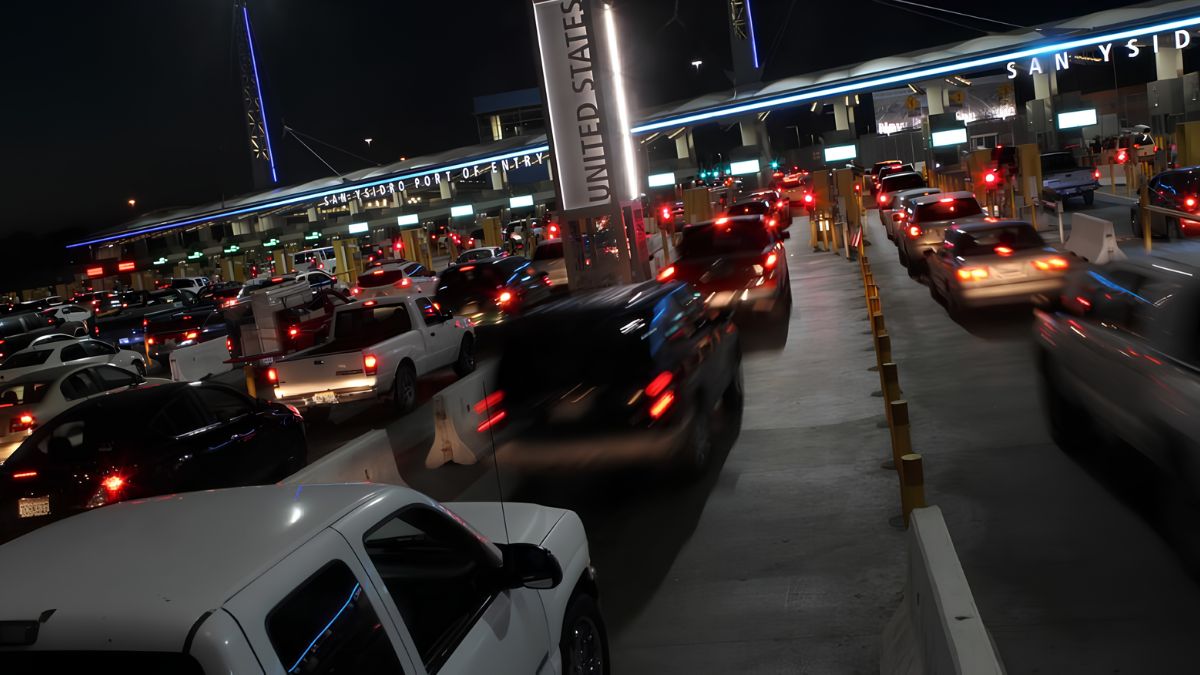
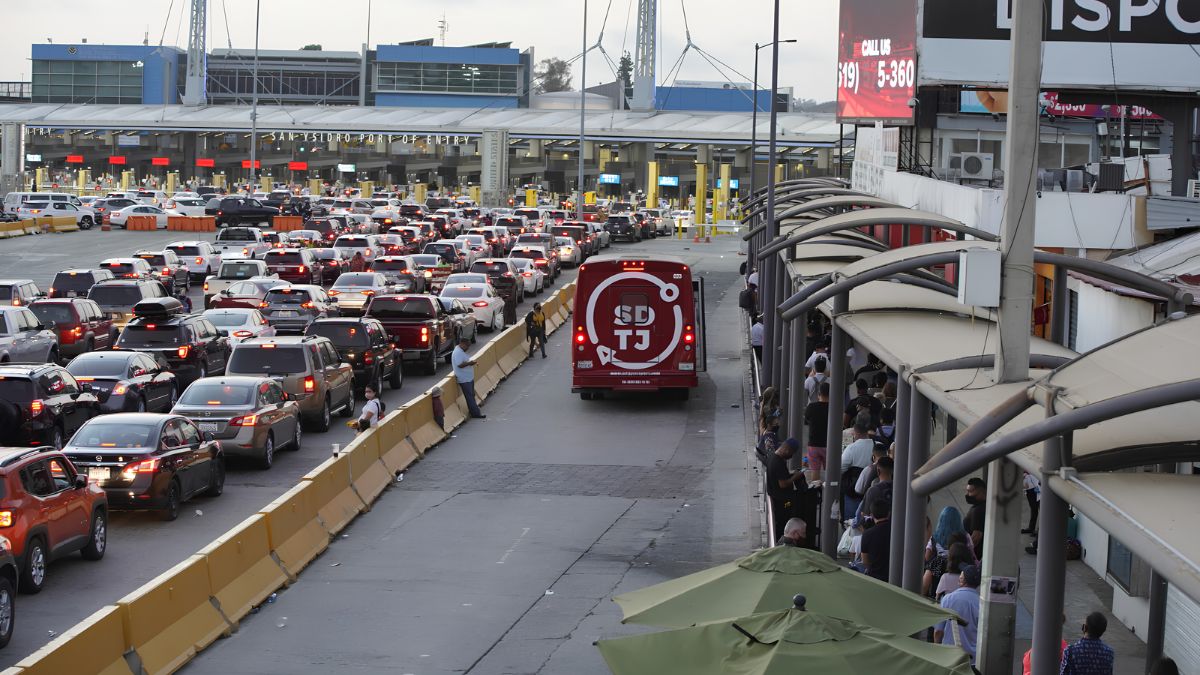
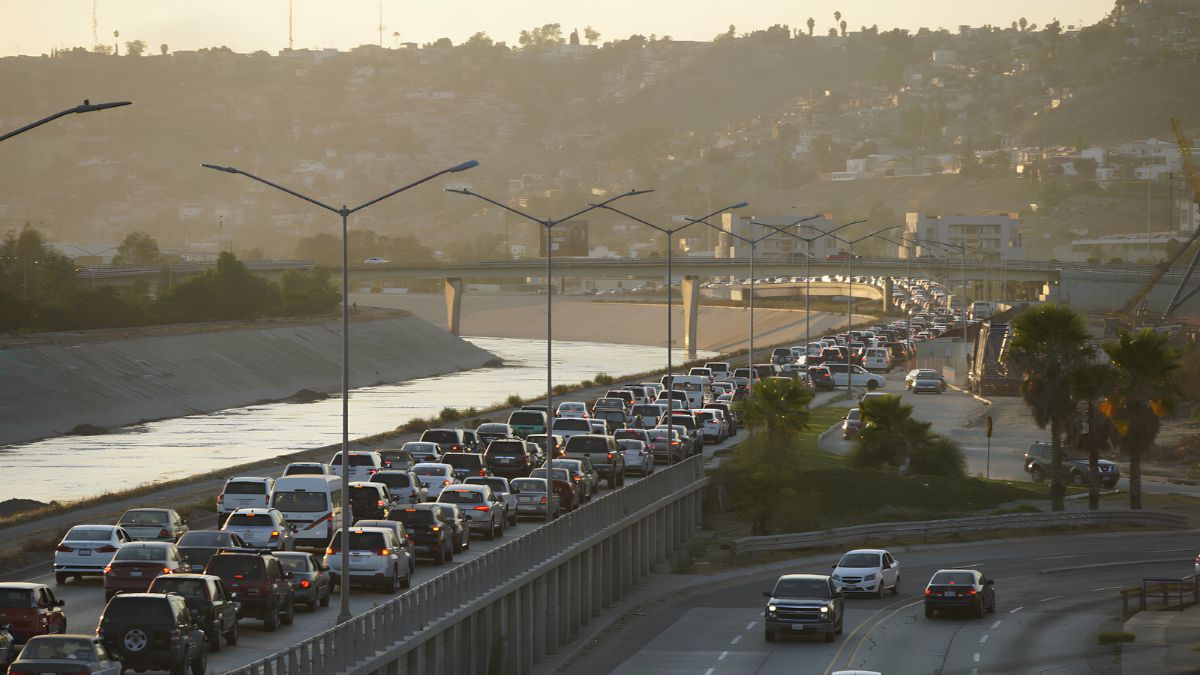
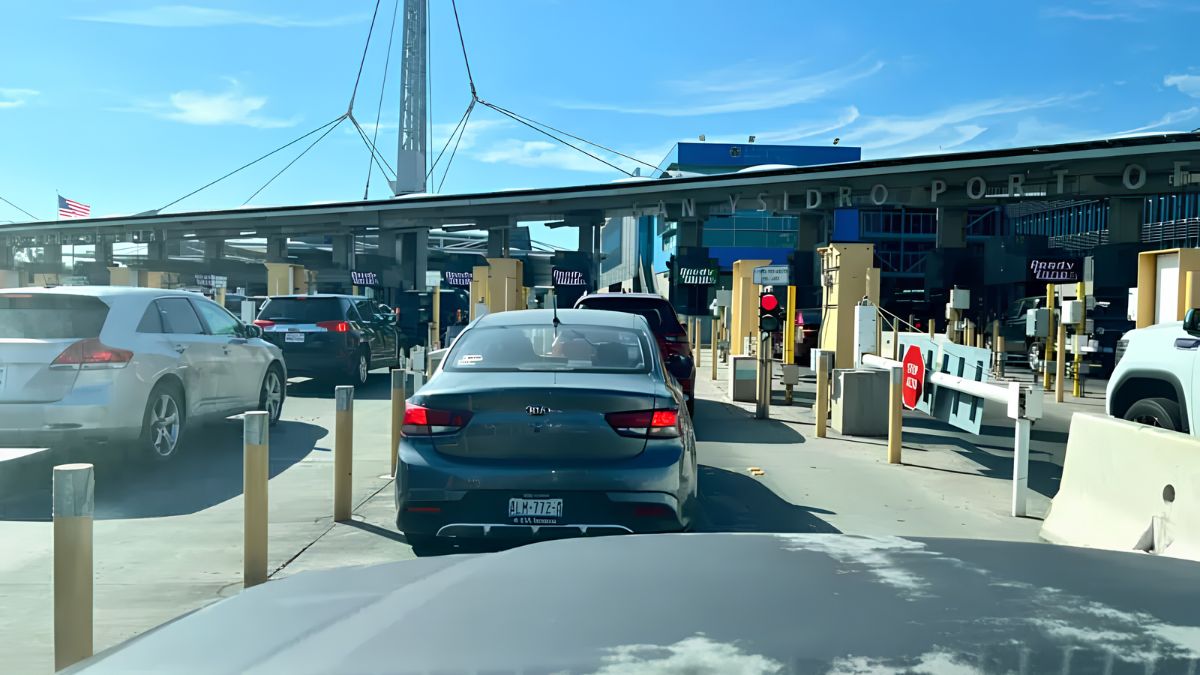
Drivers should also allow time for border queues and possible inspection delays. Traffic conditions can change, and crossing times may differ from one day to another.
If a vehicle has a known mechanical problem or an unresolved safety recall, address the issue before starting a cross-border journey whenever required or recommended by the manufacturer. A breakdown in an unfamiliar location may involve additional costs and logistical difficulties.
For groups traveling in separate vehicles, share the destination address, meeting point, and contact information in advance. This reduces confusion if participants experience different delays at the border.
Preparation
Preparing a vehicle before a road trip from San Ysidro involves several connected tasks: checking recalls, verifying registration, reviewing insurance, inspecting essential systems, and confirming roadside assistance arrangements.
These steps help drivers identify potential problems before they become more disruptive or costly. They also provide an opportunity to clarify what is covered by an insurance policy, which documents are required, and how assistance can be requested if the vehicle becomes disabled.
Not every vehicle needs the same level of preparation. A newer vehicle with a current maintenance history may require fewer immediate checks than an older vehicle with warning lights, worn tires, or overdue servicing. The manufacturer’s instructions and the vehicle’s actual condition should guide decisions.
By completing the checks early, drivers have more time to arrange repairs, replace missing documents, or clarify coverage before departure. A careful review of vehicle safety, paperwork, and emergency arrangements provides a practical foundation for a more organized road trip, whether the journey stays within California or continues across the border into Mexico.
FAQs
How can I check vehicle recalls before a trip?
Search your vehicle identification number using the official NHTSA recall tool.
Which vehicle documents should I check?
Review registration, driver’s license, insurance, and any required travel permits.
Does US auto insurance cover driving in Mexico?
Do not assume it does. Confirm coverage and Mexican insurance requirements beforehand.
What should roadside assistance cover?
Check towing limits, service areas, fees, and available breakdown services.
Should I inspect my car before a road trip?
Yes. Check tires, lights, fluids, warning indicators, and scheduled maintenance needs.