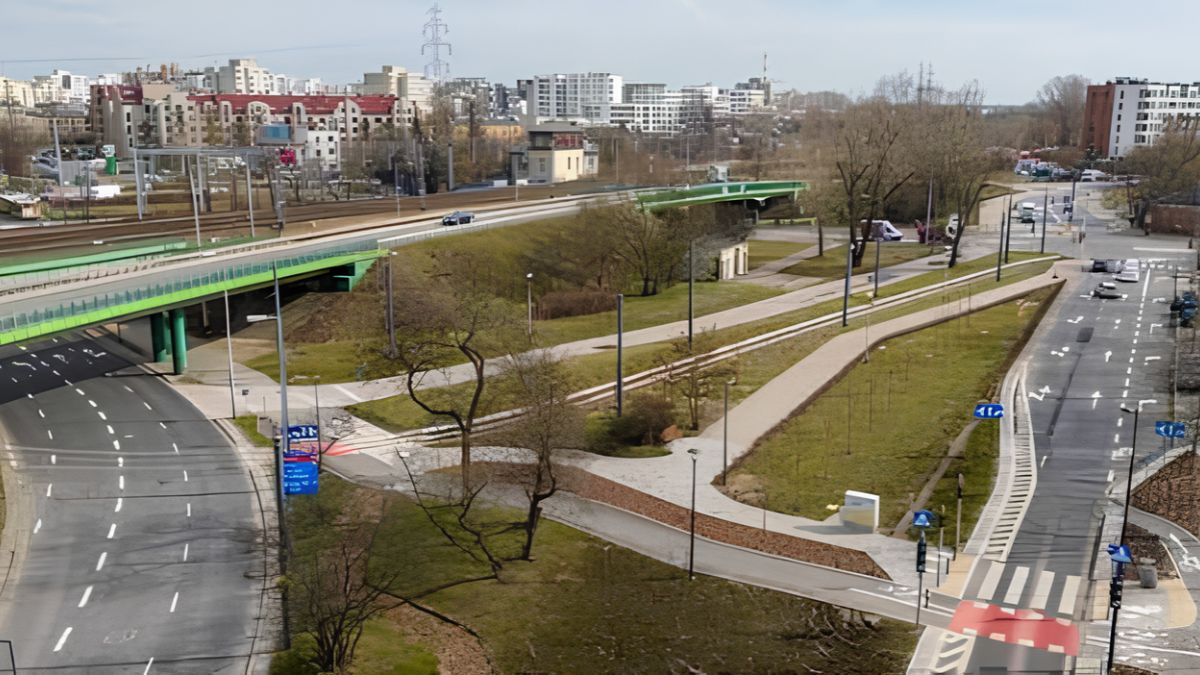
A neighbourhood mutual-aid network can help people in San Ysidro support one another with everyday needs, from grocery deliveries and school supplies to rides, emergency essentials, and help for older residents. The strongest networks do not need a large database of names, addresses, phone numbers, or personal histories to work well. They need trusted neighbours, clear boundaries, practical ways to ask for help, and a simple process for matching needs with available volunteers.
In a diverse community, privacy-conscious planning can also make participation more comfortable for people who are concerned about sharing personal details. The goal is to make it easy to offer or receive support without collecting information that the group does not genuinely need. With a few straightforward rules, neighbours can build a useful network that respects dignity, protects personal information, and remains manageable as it grows.
Purpose
Start by agreeing on what the network is meant to do. A clear purpose helps prevent a small volunteer group from turning into an informal agency that collects sensitive information or promises services it cannot reliably provide.
For example, a San Ysidro mutual-aid network might coordinate grocery drop-offs, share information about community events, lend basic tools, organise school-supply exchanges, or connect residents with established food and housing services. Members can also help one another during heat waves, power outages, or other local disruptions.
Begin with a short list of services the group can realistically support. Ask neighbours what they would find useful, but do not require them to disclose medical conditions, immigration status, income, or other sensitive details to participate. If someone requests a particular form of assistance, collect only the information needed to fulfil that request safely.
Trust
Mutual aid depends on trust, but trust does not mean everyone needs access to everyone else’s personal information. Create a small organising team with defined responsibilities and clear expectations for how requests will be handled.
A practical starting point is to recruit a few reliable neighbours who can coordinate requests, arrange volunteer schedules, and communicate updates. Explain how decisions are made and how people can raise concerns. Rotate responsibilities when possible so that one person does not control the entire network.
Make participation voluntary. Neighbours should be able to receive help without being expected to volunteer in return, explain their circumstances publicly, or join a messaging group. Likewise, volunteers should be able to decline requests without pressure.
Consider adopting a simple code of conduct that asks members to:
- Respect people’s privacy and personal boundaries.
- Avoid sharing another person’s story without permission.
- Make only promises they can reasonably keep.
- Treat neighbours fairly, without discrimination.
- Report safety concerns to the designated coordinator.
- Never use the network’s contact list for advertising or unrelated purposes.
A written agreement does not guarantee good behaviour, but it gives the group a shared standard to refer to when questions arise.
Privacy
The most important privacy rule is simple: do not collect information just because it might be useful someday. Every piece of personal data creates a responsibility to protect it, keep it accurate, and delete it when it is no longer needed.
For most everyday requests, the network may need only a first name or chosen nickname, a way to contact the person, the type of help requested, and a general time or meeting location. Even these details may not be necessary in every situation.
For example, someone offering extra canned goods could post the pickup location and available time without sharing their home address with the entire group. A neighbour requesting a grocery delivery could coordinate directly with one assigned volunteer rather than describing their circumstances in a public chat.
Use these practices to keep information collection limited:
- Ask only for details required to arrange the specific task.
- Let people use a nickname or first name when practical.
- Avoid collecting dates of birth, government identification numbers, immigration status, or financial account details.
- Do not ask people to explain why they need assistance unless the information is genuinely necessary.
- Never photograph or publish recipients without their clear permission.
- Delete completed request details when they are no longer needed for coordination or accountability.
Do not promise complete anonymity if volunteers will see a person’s contact details or know where a delivery is going. Explain honestly what information will be shared, with whom, and for what purpose.
Communication
Choose communication methods that suit the neighbourhood without requiring every resident to use the same technology. A small group might use a dedicated messaging channel, a community noticeboard, or a telephone contact managed by a coordinator.
Avoid adding residents to group chats without their consent. Group messaging can expose phone numbers, profile names, and other information to everyone in the conversation. For sensitive requests, use direct messages or a coordinator who can match the request with a volunteer privately.
A basic request template can keep communication efficient without asking intrusive questions:
Mutual-aid request
- Help needed: groceries, supplies, transport, or another practical task
- Preferred time: a suitable day or time window
- Contact method: private message or agreed contact
- Meeting arrangement: agreed directly with the volunteer
- Additional details: only what is necessary for the task
The same approach works for people offering help. Ask volunteers what they can provide, when they are available, and how they prefer to be contacted. Avoid maintaining detailed personal profiles of either volunteers or recipients.
Safety
Privacy should not come at the expense of reasonable safety precautions. A mutual-aid network needs a clear process for arranging visits, handling donations, and responding when a request falls outside the group’s abilities.
For home deliveries, the recipient and volunteer can agree on a doorstep handoff or another public meeting point. Avoid publishing home addresses in shared messages. For rides, confirm the arrangement privately and make sure both parties understand the pickup details. Volunteers should never feel obliged to enter a home, provide money, or accept a task that makes them uncomfortable.
For food, medicine, and other sensitive requests, establish appropriate boundaries. Volunteers can help with ordinary shopping or connect someone with a qualified service, but the group should not present itself as a medical provider, legal adviser, or emergency response service.
If someone faces an immediate threat or medical emergency, direct them to the appropriate emergency service rather than relying on a volunteer chat. For non-emergency community needs, established local organisations may be better equipped to offer specialist assistance.
Records
A simple record of open tasks can help prevent duplicate deliveries and missed requests. However, the group should not build a permanent database of people’s needs.
Use a minimal tracking sheet with a task number, type of help, status, assigned coordinator, and expected completion time. Keep identifying contact details separately and restrict access to the people who need them to arrange the task.
Agree on a retention schedule. Once a request has been completed and any necessary follow-up has finished, delete unnecessary contact details and conversation records. Keep only genuinely useful, non-identifying statistics, such as the number of grocery deliveries completed each month.
Protect shared documents with appropriate access controls. Do not use public spreadsheets for names, addresses, phone numbers, or descriptions of personal circumstances. If the group uses an online service, review its privacy settings and avoid collecting information through forms that automatically request unnecessary details.
In California, the California Privacy Protection Agency provides information about state privacy protections. Which laws apply depends on the organisation and its activities, so a small volunteer group should not assume every legal requirement applies to it or that informal status removes every obligation.
Partnerships
A neighbourhood network becomes more useful when it knows where to refer requests it cannot meet. San Ysidro residents may need information about food assistance, housing support, health services, transport, or family resources.
Rather than collecting detailed histories from residents, keep a short directory of reputable community organisations and their official contact information. Confirm that each service is still operating and understand its eligibility requirements before referring someone.
The 211 San Diego service can help people find local community resources. Share the service as an option, not as a condition of receiving mutual aid. Residents should decide whether they want to contact an outside organisation themselves.
When partnering with a nonprofit, school, faith community, or local business, clarify what information may be shared. A referral should not automatically give another organisation access to the network’s membership list or request history.
Growth
Start small and improve the system through experience. A pilot involving a handful of neighbours and a few types of assistance can reveal which tasks are manageable, what communication methods work, and where privacy risks might arise.
Review the network after the first month. Ask participants whether requesting help felt straightforward, whether volunteers understood their responsibilities, and whether any information was collected unnecessarily. Seek feedback without requiring people to disclose personal hardship.
As the network grows, keep the same principles in place: participation remains voluntary, information is limited to what is needed, access is restricted, and records are deleted when they are no longer useful. More members do not automatically require more personal data.
A successful mutual-aid network is not measured by the size of its contact list. It is measured by whether neighbours can find practical support while retaining control over their own information. By starting with clear boundaries, private communication, and a simple coordination process, San Ysidro residents can build a network that is helpful, inclusive, and respectful of everyone’s privacy.
FAQs
What is a mutual-aid network?
It is a community where people voluntarily help one another with practical needs.
What information should volunteers collect?
Only the details needed to coordinate and complete a specific task.
Can people request help anonymously?
Sometimes. A nickname or coordinator can reduce the need to share identity widely.
Should requests be posted in group chats?
Avoid sharing sensitive requests publicly. Coordinate privately when possible.
Where can San Ysidro residents find local resources?
211 San Diego can help residents locate community services and assistance.