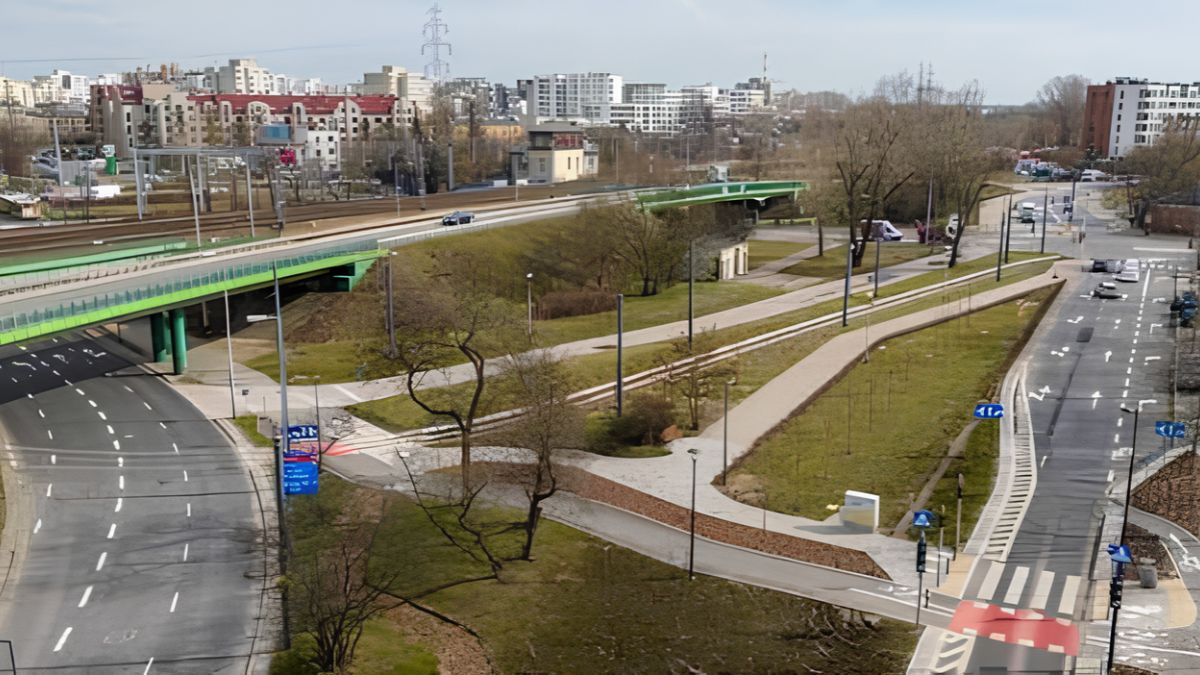
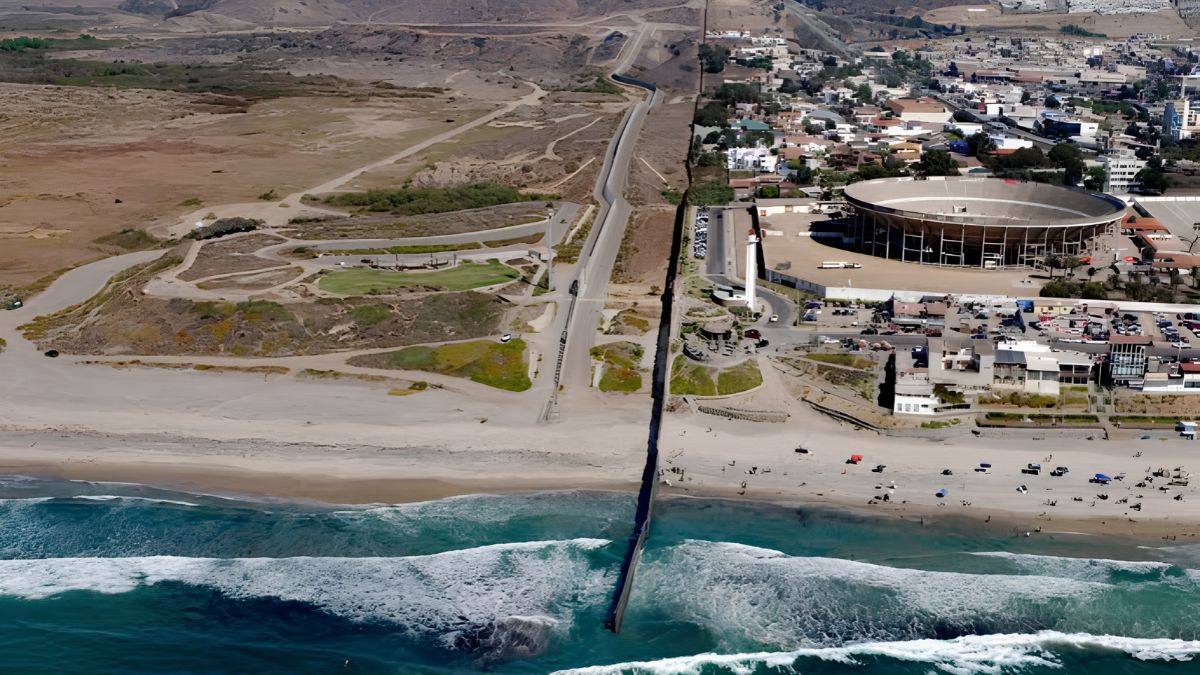
Knowing how public infrastructure has developed in San Ysidro, California, requires more than looking at new roads, public facilities, or neighborhood improvements. The history of a community’s infrastructure is often recorded across city budgets, planning documents, construction files, archived reports, and public meeting minutes. Together, these records can help explain which projects were proposed, how they were funded, when construction took place, and how local priorities changed over time.
San Ysidro is a community within the City of San Diego, close to the United States-Mexico border. This administrative relationship matters when researching infrastructure because many local projects appear in citywide records rather than in documents specifically labeled with the neighborhood’s name. Researchers may need to examine municipal departments, community planning documents, regional transportation agencies, and historical archives to build a complete picture.
Whether you are a student, resident, journalist, or local history researcher, a systematic approach can make the process more manageable. The key is to identify reliable sources, understand how public spending is recorded, and compare documents from different years.
Records
The first step is identifying which government agencies are responsible for the infrastructure you want to study. In San Ysidro, the City of San Diego is an essential starting point for researching streets, sidewalks, stormwater systems, parks, public facilities, and community planning initiatives.
However, not every project within the community is managed by the same agency. Regional transportation improvements may involve the San Diego Association of Governments (SANDAG), the San Diego Metropolitan Transit System (MTS), or the California Department of Transportation (Caltrans). Water and wastewater projects may involve separate utility providers.
Begin by defining the type of infrastructure you want to investigate. For example, a study of street improvements will require different records from a study of public transportation or drainage systems.
Useful sources include:
- City of San Diego: The official City of San Diego website provides access to municipal departments, budget information, planning resources, public notices, and other government records.
- San Diego Association of Governments: The SANDAG website provides information about regional transportation planning, capital investments, and infrastructure programs.
- California Department of Transportation: The Caltrans website offers information about state highway projects, transportation planning, and project development.
These sources provide different perspectives. City records can reveal local priorities, regional agency documents can explain broader transportation investments, and state records can help trace highway improvements affecting the border area.
Budgets
City budgets are among the most useful documents for understanding how infrastructure priorities change over time. They show how governments plan to allocate public funds and can help researchers identify projects that received financial support.
The City of San Diego publishes budget documents that may include operating expenses, capital improvement projects, department allocations, and multiyear spending plans. Researchers can begin with the city’s official Budget Department website.
When examining a budget, distinguish between operating expenditures and capital investments. Operating budgets generally cover recurring activities, such as maintenance and staffing. Capital improvement budgets typically address the construction, replacement, rehabilitation, or expansion of public assets.
A capital project may appear in several annual budgets as it moves from planning to design, construction, and completion. Reviewing only one year’s budget may therefore provide an incomplete picture.
For each relevant project, record the project name, identification number, proposed cost, funding sources, and anticipated schedule. Then compare these details across different budget years.
It is also important to distinguish between proposed funding and actual spending. An approved budget does not necessarily mean that the full amount was spent or that construction was completed on schedule. Project delays, revised estimates, changes in scope, and funding adjustments can affect the final outcome.
Researchers should look for adopted budgets, budget amendments, capital improvement program documents, and year-end financial reports. Comparing these records can reveal how initial plans changed and whether projects received additional funding.
Projects
Project records provide more detailed information than budget summaries. They may describe the purpose of an improvement, its location, the department responsible, the construction schedule, and the work completed.
For San Ysidro, useful searches may involve street resurfacing, sidewalk accessibility, traffic signals, drainage improvements, public parks, transit connections, and border-area transportation infrastructure.
Start with the City of San Diego’s public project information and capital improvement resources. Search for the neighborhood name alongside terms such as “capital improvement,” “construction,” “street rehabilitation,” “community plan,” or “project completion.”
If a project appears in a budget, use its official name or identification number to locate related records. This is often more effective than relying on general keyword searches, especially when a project has been renamed or grouped under a larger program.
Relevant documents may include:
- Preliminary engineering and design reports.
- Environmental review documents.
- Construction contracts and bid notices.
- City Council or committee approvals.
- Construction updates and completion reports.
- Change orders and revised cost estimates.
These records help establish the sequence of events. A planning document might show when an improvement was first considered, while a contract identifies the authorized construction work. A completion report may establish when the project was finished, although not every project has a publicly available report in the same format.
When studying a project, avoid treating an announcement as proof of completion. Confirm its status through construction records, final reports, financial documents, or subsequent agency updates.
Archives
Historical infrastructure research often requires documents that are no longer prominent on current agency websites. Older reports may be stored in digital archives, library collections, council document repositories, or departmental records systems.
The San Diego Public Library is a useful resource for historical newspapers, maps, photographs, and other materials that can help explain the context surrounding infrastructure development. Visit the San Diego Public Library website to look into available collections and research services.
Archived newspaper reports can help identify when residents raised concerns about traffic, flooding, public transportation, or neighborhood access. Historical maps may show how streets, public facilities, and development patterns changed. Planning documents can explain why a particular improvement was proposed.
Researchers should also look for older community plans and amendments. These documents can reveal long-term objectives for land use, mobility, public facilities, and neighborhood development.
Search using several variations of the same place name. Records may use “San Ysidro,” a street name, a project number, or the name of a larger transportation corridor. Older documents may also use different terminology from current planning materials.
When reviewing archived material, record the publication date, issuing agency, document title, and page number. These details make it easier to verify information and cite the original source accurately.
Meetings
Public meeting records can explain decisions that are not fully described in budget tables or construction summaries. City Council meetings, committee hearings, planning discussions, and public consultations may include project approvals, funding debates, neighborhood concerns, and requests for changes.
Meeting agendas and minutes can help researchers establish when a project was discussed and which decisions were made. Staff reports attached to agenda items are particularly valuable because they often summarize the project’s background, estimated cost, alternatives, and recommendations.
The City of San Diego’s official website provides access to municipal government information and meeting-related resources. Search for relevant agenda items using the project name, department, neighborhood, or capital improvement identifier.
Pay attention to the difference between a proposal, a recommendation, and a formal approval. A staff report may recommend funding without establishing that the funding was adopted. Similarly, public comments can document concerns without proving that a project was changed in response.
For a more complete history, compare meeting records with later budgets and construction documents. This helps determine whether a proposal advanced, changed direction, or remained unfinished.
Requests
Some historical records may not be available through online searches. In these cases, researchers can contact the responsible department or submit a public records request under applicable California law.
A request is more likely to be useful when it identifies the subject, approximate date range, location, and type of record sought. For example, instead of requesting every document related to public infrastructure in San Ysidro, ask for the construction contract, change orders, and final cost records for a named street improvement during a defined period.
You can begin through the City of San Diego’s official website and identify the department responsible for the project. If the records concern a state highway or regional transit investment, contact the relevant transportation agency instead.
Before submitting a request, check whether the records are already available through a public document portal. This can save time and help you identify the exact document names or project numbers needed.
Keep a record of the request date, confirmation number, agency contact, and any response received. Some records may require additional processing, and certain information may be withheld under applicable legal exemptions.
Analysis
Once the documents have been collected, organize them into a timeline. This makes it easier to connect planning decisions, funding allocations, construction activity, and project outcomes.
A basic research spreadsheet might include these fields:
| Field | Information to record |
|---|---|
| Project | Official name and identification number |
| Location | Street, intersection, facility, or corridor |
| Agency | Department or organization responsible |
| Proposal date | When the project was first documented |
| Budget | Planned funding and relevant fiscal year |
| Actual cost | Final expenditure, when available |
| Status | Proposed, approved, underway, completed, or unclear |
| Source | Document title, date, and official link |
Using consistent categories allows projects from different years to be compared. It can also reveal recurring issues, such as repeated funding delays, changing cost estimates, or long gaps between planning and construction.
Be careful when comparing dollar amounts from different decades. Inflation affects purchasing power, so an older project budget cannot be compared directly with a recent one without appropriate context. Researchers should also distinguish between nominal costs and inflation-adjusted values.
Finally, separate documented facts from interpretation. A rise in spending may reflect higher construction costs, a larger project, new safety requirements, or a change in funding arrangements. The budget alone may not explain the reason.
Verification
Reliable infrastructure research depends on checking claims against multiple records. A project announcement can establish that an initiative was proposed, but an adopted budget provides stronger evidence of authorized funding. A construction contract documents an agreement to perform work, while final expenditure records can help establish how much was spent.
Whenever possible, confirm major dates, costs, and project outcomes through at least two relevant sources. If two documents report different figures, investigate whether they refer to different project phases, funding sources, or reporting periods.
It is also important to recognize gaps in the historical record. Missing online documents do not necessarily mean a project was never considered, and a lack of completion reporting does not automatically establish that work was abandoned.
A careful research method allows you to describe what the evidence shows without making unsupported claims about government performance or neighborhood development.
Tracing San Ysidro’s public infrastructure history is most effective when budgets, project files, meeting records, and archives are examined together. Start with official city and regional sources, use project identifiers to connect related documents, and build a timeline that distinguishes proposals from completed work. With consistent documentation and careful verification, researchers can develop a clearer account of how infrastructure priorities, funding decisions, and public improvements have evolved over time.
FAQs
Where can I find San Ysidro infrastructure budgets?
Start with the City of San Diego Finance Department’s official budget resources.
How can I find records for older public projects?
Search city archives, meeting records, library collections, and agency reports.
Which agencies manage infrastructure near San Ysidro?
The city, SANDAG, MTS, Caltrans, and utility providers manage different projects.
How can I verify whether a project was completed?
Compare construction records, final reports, and actual expenditure documents.
Can I request records that are not online?
Yes. Contact the responsible agency or submit a public records request.