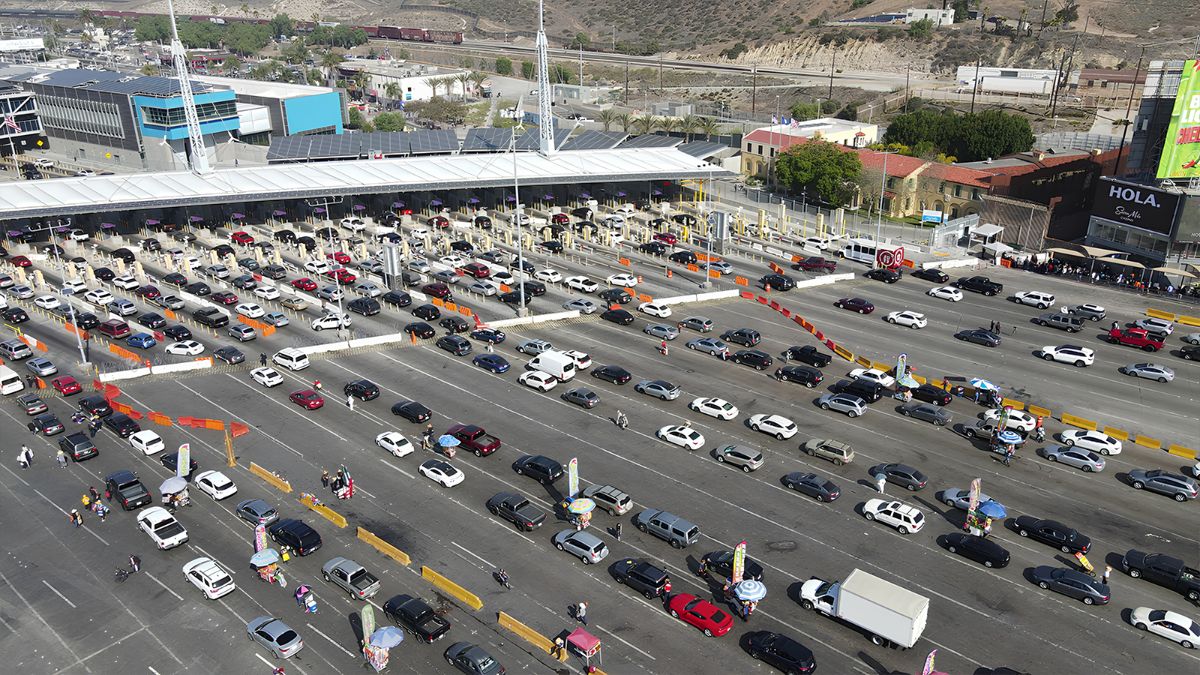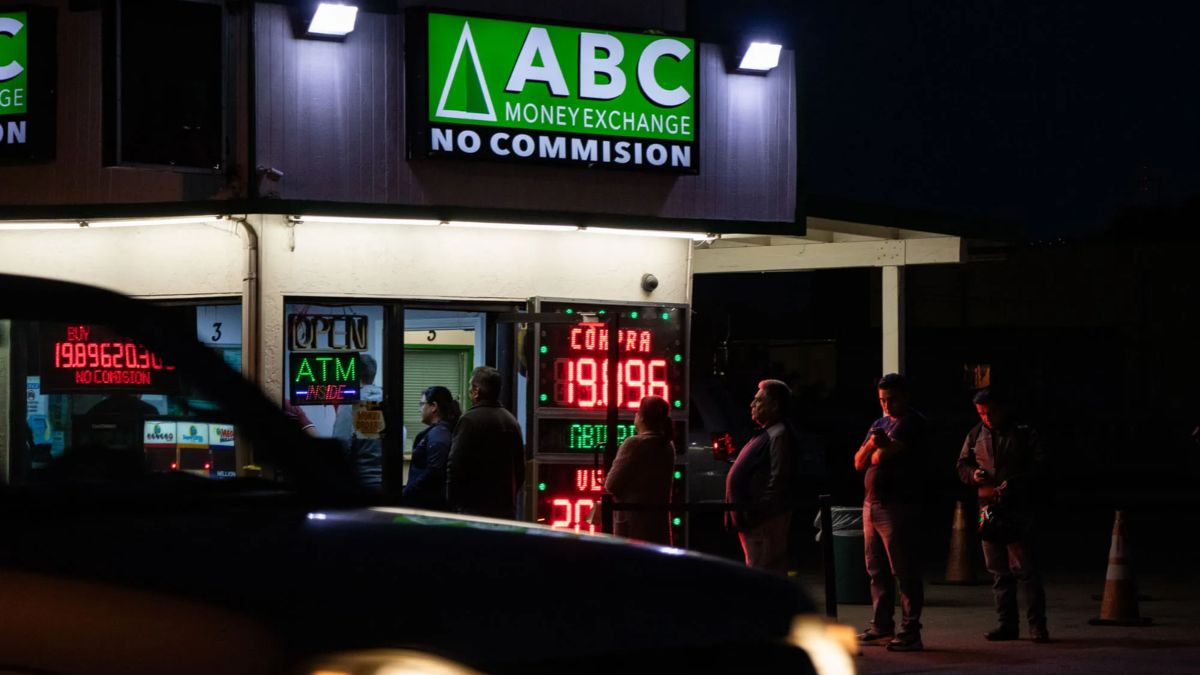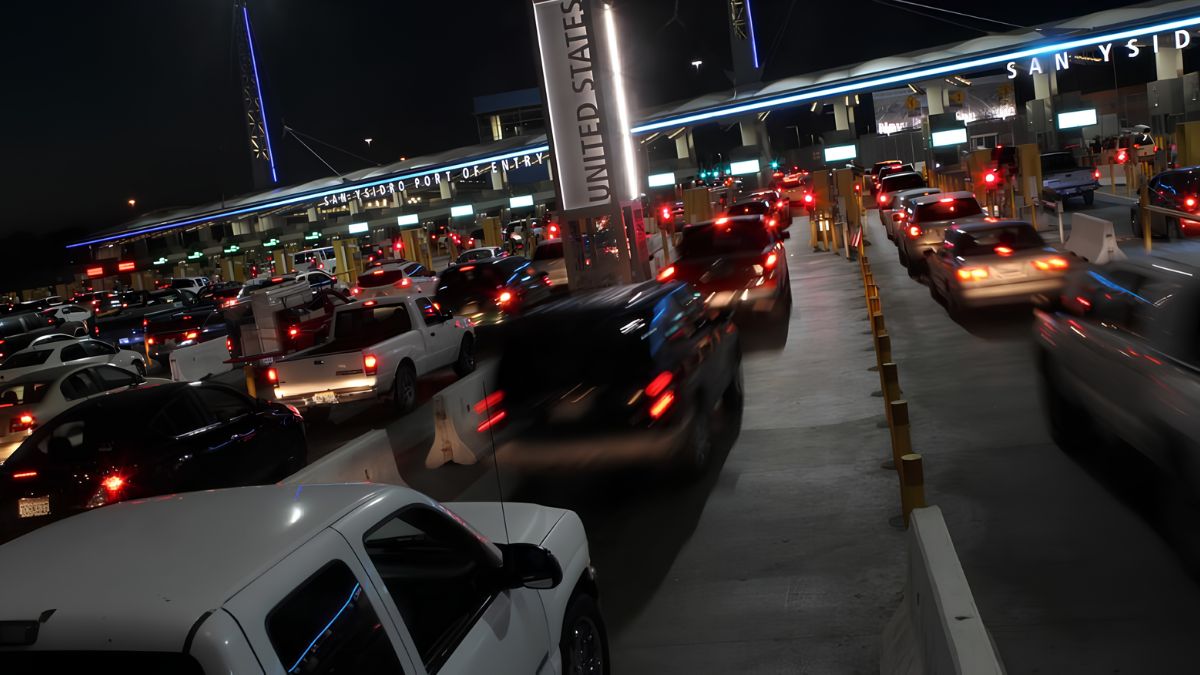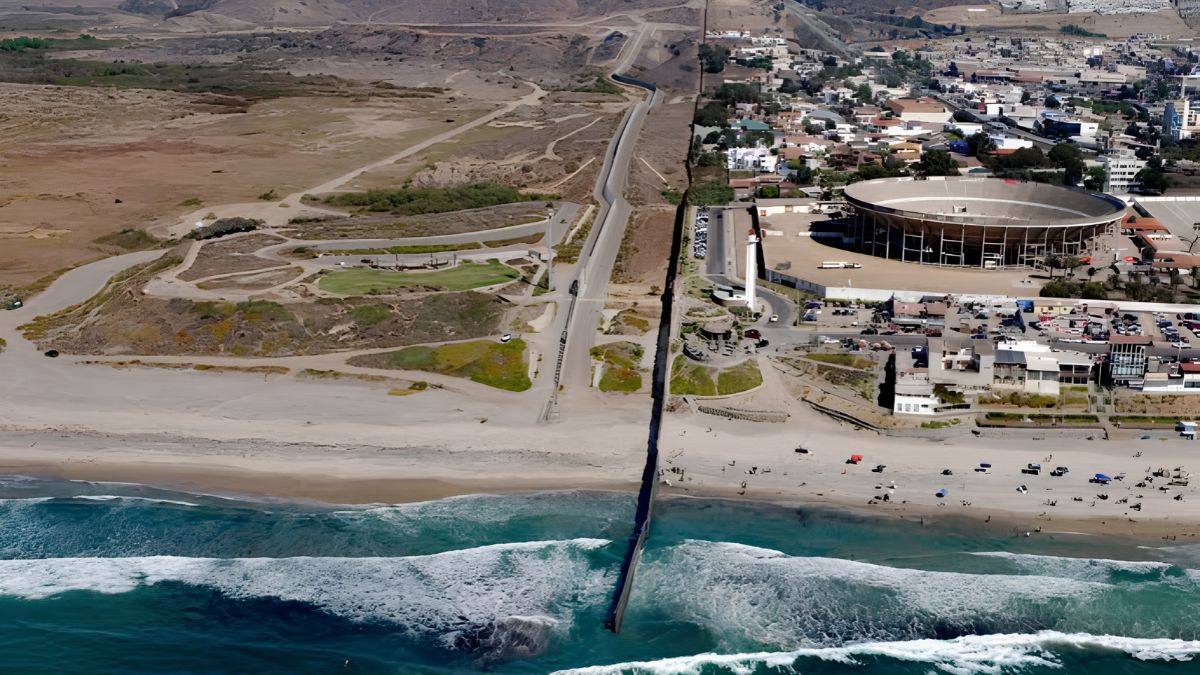
Crossing the U.S.-Mexico border at San Ysidro can involve different lanes, inspection procedures, and eligibility requirements depending on how you travel and which documents or travel programmes you use. For drivers, pedestrians, commuters, and visitors travelling between San Diego and Tijuana, understanding these differences before leaving can help prevent unnecessary delays and confusion at the port of entry.
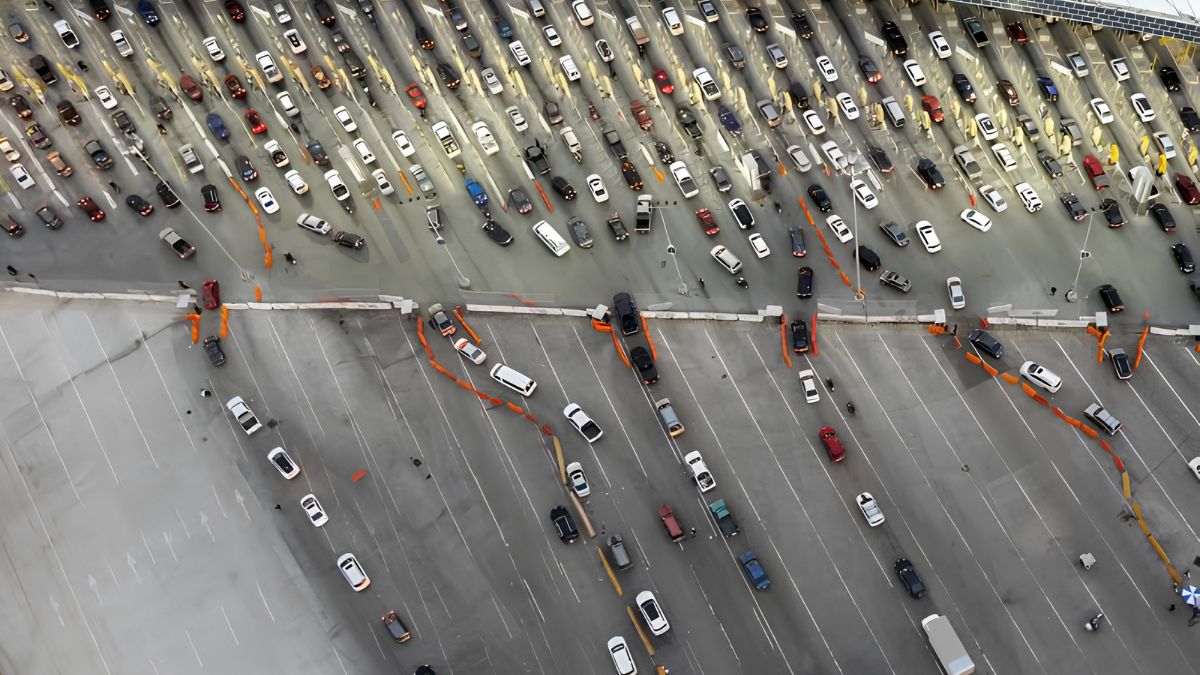
The San Ysidro Port of Entry is one of the busiest land-border crossings between the United States and Mexico. However, not every lane serves the same purpose. Some lanes are designated for general traffic, while others are reserved for eligible travellers enrolled in trusted traveller programmes. Pedestrians also follow separate crossing arrangements.
The important point is that the lane you can use depends on your direction of travel, mode of transportation, eligibility, and the signs and instructions in effect when you arrive. Checking official information before travelling is more reliable than relying on a previous trip or advice from another driver.
Lanes
The first distinction to understand is the difference between general-use lanes and lanes reserved for specific categories of travellers.
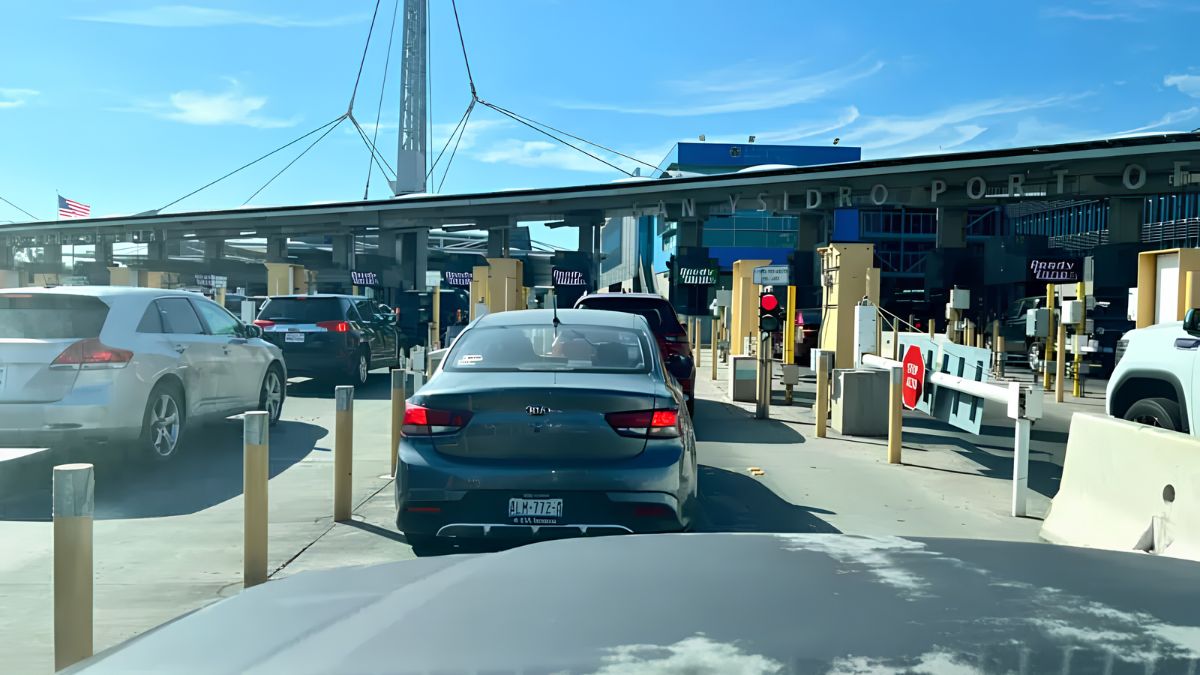
When entering the United States from Mexico at San Ysidro, motorists may encounter regular vehicle inspection lanes, SENTRI lanes, and Ready Lanes. Their availability and operating arrangements can vary, so travellers should check current official guidance before choosing a route.
Each lane has a specific purpose. Entering a lane that does not match your eligibility can result in delays, redirection, or additional inspection.
General Lanes
General vehicle lanes are intended for travellers who do not qualify for a restricted lane or who choose not to use one. Drivers should follow the signs directing them towards regular passenger vehicle inspection.
These lanes are generally the relevant option for travellers who are not using SENTRI or another programme-specific lane. However, drivers must still comply with all document requirements and inspection instructions.
A general lane does not mean that every traveller can enter the United States without further checks. U.S. Customs and Border Protection (CBP) determines admissibility and conducts inspections according to applicable rules.
SENTRI Lanes
SENTRI stands for Secure Electronic Network for Travelers Rapid Inspection. It is a U.S. trusted traveller programme intended to facilitate eligible, pre-approved travellers entering the United States from Mexico.
SENTRI lanes are restricted. You should not assume that having a passport, a visa, or a membership in a different travel programme automatically permits you to use them.
Before approaching a SENTRI lane, verify your membership status, the requirements applicable to the vehicle and its occupants, and the current rules for the specific crossing.
Official information is available through the CBP SENTRI programme page.
Ready Lanes
Ready Lanes use radio-frequency identification (RFID) technology to help process eligible travellers carrying qualifying RFID-enabled travel documents.
They are different from SENTRI lanes. A traveller should not assume that qualifying for a Ready Lane automatically grants access to a SENTRI lane, or that any passport or travel card will meet Ready Lane requirements.
Check the current CBP guidance to confirm which documents are accepted and whether they qualify for the particular lane at San Ysidro.
The official CBP Ready Lanes guidance explains the programme and its document requirements.
Pedestrians
People crossing on foot should follow pedestrian-specific routes rather than vehicle lane signs. At San Ysidro, pedestrian facilities serve travellers moving between Tijuana and the San Diego area, but the applicable route and inspection process depend on the direction of travel.
If you are walking from Tijuana into the United States, follow the signs for pedestrian entry and the instructions provided by CBP. If you are walking from San Diego into Mexico, check the applicable Mexican entry arrangements and the pedestrian crossing route.
Do not assume that a vehicle lane can be used by pedestrians simply because it appears less busy. Pedestrian and vehicle inspection facilities operate differently, and their access points may be physically separated.
Travellers using wheelchairs, mobility aids, or other accessibility assistance should check available facilities and allow extra time if needed.
Eligibility
The safest way to determine which lane you can use is to start with your travel circumstances rather than choosing the lane that appears fastest.
Consider these questions:
- Are you entering the United States or leaving it?
- Are you travelling in a private vehicle or on foot?
- Do you have an active SENTRI membership?
- Do you have an eligible RFID-enabled travel document for a Ready Lane?
- Are all relevant vehicle and passenger requirements satisfied?
- Are the lane signs and operating instructions consistent with your intended route?
For SENTRI, verify that your membership is valid and that the vehicle and everyone travelling in it satisfy the applicable programme rules. For Ready Lanes, confirm that your document is accepted for that lane. If neither programme applies, use the appropriate general lane or other route directed by official signage.
If you are unsure about eligibility, check with CBP before joining a restricted queue. Do not rely solely on the fact that you used a particular lane successfully on an earlier trip.
Verification
Lane eligibility and crossing arrangements should be verified using official sources before travelling. Online information, maps, and navigation applications can help with route planning, but they may not reflect temporary lane closures, changed operating hours, or updated inspection arrangements.
Use the following resources for different purposes.
| Official resource | What to verify |
|---|---|
| CBP Border Wait Times | Current reported wait estimates by port, direction, and lane category where available |
| CBP SENTRI | SENTRI membership and programme requirements |
| CBP Ready Lanes | RFID-enabled document eligibility and Ready Lane requirements |
When using the Border Wait Times website, select the correct port of entry and direction of travel. Then review the relevant crossing category rather than comparing figures from unrelated lanes.
Wait times are estimates, not guarantees. A shorter reported queue does not mean you are eligible to use that lane, and a lane’s availability may change before you arrive.
If the information available online does not answer your question, consult CBP through its official contact channels. For travel into Mexico, check guidance from the relevant Mexican authorities as well.
Timing
Checking lane eligibility is only one part of planning a border crossing. You should also consider traffic conditions, the time of day, the purpose of your journey, and any commitments after crossing.
Commuters may have more predictable travel patterns than occasional visitors, but they should still allow for changing queue lengths. Travellers attending medical appointments, catching a flight, or meeting a scheduled pickup should leave an appropriate time buffer.
Before departing, review current wait estimates and confirm that the intended lane is appropriate. Check again if your departure is delayed or if traffic conditions change significantly.
For vehicle crossings, pay attention to lane signs well before reaching the inspection area. Last-minute lane changes can be difficult or unsafe in congested traffic. Follow road markings and instructions from authorised personnel rather than attempting to join a restricted queue at the last moment.
Pedestrians should likewise identify the correct crossing entrance and allow time for inspection and onward transportation.
Mistakes
Several common assumptions can create problems at San Ysidro.
Assuming all lanes are interchangeable: General, SENTRI, and Ready Lanes have different purposes. Always check the eligibility requirements for the specific lane.
Relying on another traveller’s experience: A friend may qualify for a lane because of a trusted traveller membership or a particular document. Their eligibility does not necessarily apply to you.
Checking only the wait time: A short queue is not sufficient reason to use a restricted lane. Confirm eligibility first and compare wait times only among lanes you are permitted to use.
Ignoring the direction of travel: Information for entering the United States may not apply to crossing into Mexico. Verify the relevant procedures for each direction.
Assuming conditions never change: Temporary closures, operational adjustments, and updated rules may affect the crossing. Review official information close to departure.
These checks are straightforward and can help reduce avoidable uncertainty when approaching a busy port of entry.
Preparation
A short pre-travel review can help you make the correct decision before reaching the border.
- Confirm whether you are crossing by vehicle or on foot.
- Identify the direction of travel and the relevant San Ysidro crossing facility.
- Verify your travel documents and any trusted traveller membership.
- Check whether you qualify for the specific lane you intend to use.
- Review the latest official wait-time estimates.
- Follow signs and instructions at the port of entry.
- Allow extra time for inspection and possible delays.
If you are travelling with family members, confirm that the requirements applicable to the lane are satisfied by everyone in the vehicle. If you are using a rental vehicle or a vehicle registered to someone else, check the relevant programme rules before relying on a restricted lane.
The key is to separate two questions: whether you are eligible to use a lane and whether that lane currently offers a convenient route. Eligibility determines where you may go; current conditions help you decide when to travel.
Knowing the differences between general vehicle lanes, SENTRI lanes, Ready Lanes, and pedestrian crossings makes it easier to plan a trip through San Ysidro. By checking official CBP guidance, confirming your documents and programme eligibility, and following the signs at the port of entry, you can choose an appropriate route without relying on assumptions or potentially outdated information.
FAQs
What is the difference between SENTRI and Ready Lanes?
SENTRI is a trusted traveller lane; Ready Lanes use eligible RFID-enabled documents.
Can anyone use a SENTRI lane at San Ysidro?
No. Travellers must meet the applicable SENTRI programme and lane requirements.
Where can I check San Ysidro border wait times?
Use the official CBP Border Wait Times website.
Can pedestrians use vehicle crossing lanes?
No. Pedestrians should follow the designated pedestrian crossing routes.
Can I rely on yesterday’s border wait times?
No. Check current estimates because queues and operating conditions can change.