Travelling from San Diego to Tijuana for a medical appointment requires more planning than an ordinary trip across town. Patients may need to coordinate transportation to the border, immigration and customs procedures, onward travel in Mexico, and the appointment itself. When a return journey involves a scheduled pickup, a bus departure, or another medical commitment, even a small delay can affect the rest of the day.
For patients visiting dentists, specialists, hospitals, rehabilitation centres, or other healthcare providers in Tijuana, the most useful approach is to plan the journey around the appointment while allowing enough time for unpredictable delays. Border crossing times can vary considerably depending on the crossing, direction of travel, time of day, and inspection conditions.
A reliable transportation plan should therefore include more than a departure time. It should account for the patient’s mobility, medical needs, required travel documents, available transportation options, and what to do if a connection is delayed. With these details arranged in advance, patients and accompanying family members can make the journey with fewer last-minute decisions.
Timing
The first step is to work backwards from the appointment time rather than simply choosing the earliest convenient departure.
Start with the time you need to arrive at the clinic. Then estimate the journey to the border, the time required to cross, the trip from the crossing to the medical facility, and any additional time needed for registration or preparation.
For example, someone travelling from central San Diego to a clinic in Tijuana may need to coordinate a local ride, a border crossing, and a taxi or prearranged pickup on the Mexican side. Each stage has its own potential delays.
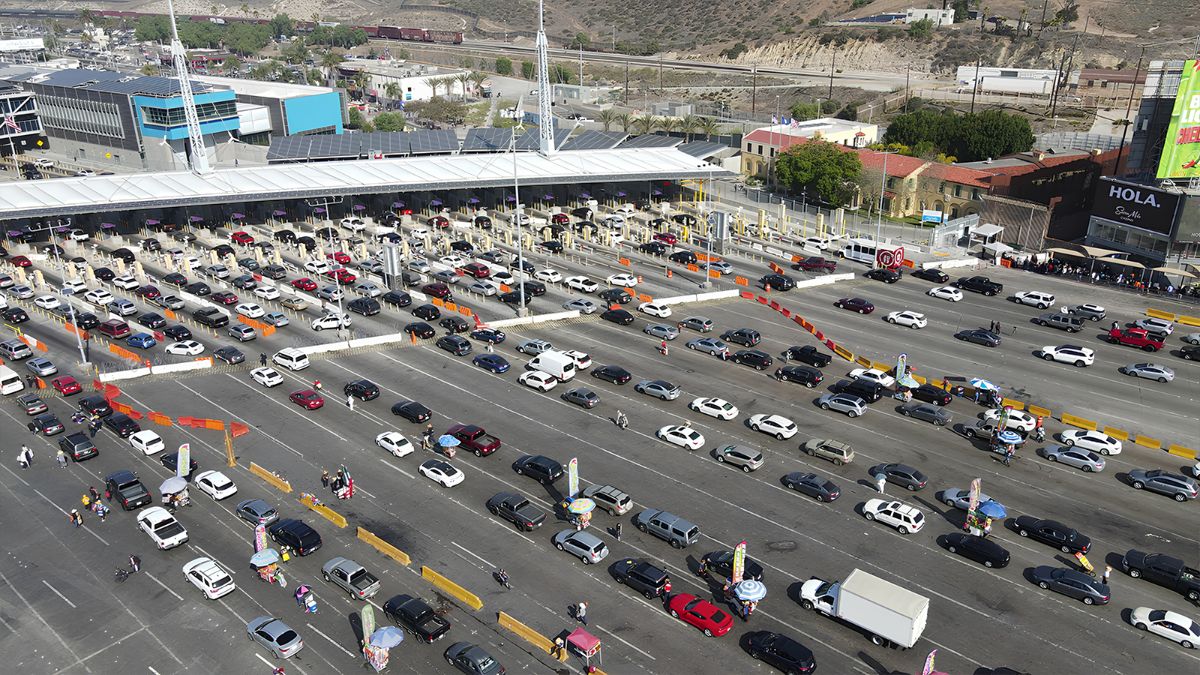
Avoid treating published crossing estimates as guaranteed arrival times. Traffic congestion, inspection queues, public holidays, and changes in operating conditions can affect the journey.
Instead, create a schedule with separate time allowances for each stage. Include a buffer before the appointment so that an unexpectedly slow crossing does not immediately make you late.
If the appointment involves surgery, sedation, diagnostic testing, or another procedure with strict arrival instructions, contact the healthcare provider beforehand. The clinic may require patients to arrive early or complete preparation steps before the scheduled time.
Routes
The best route depends on the patient’s starting point, destination, mobility, and transportation preferences.
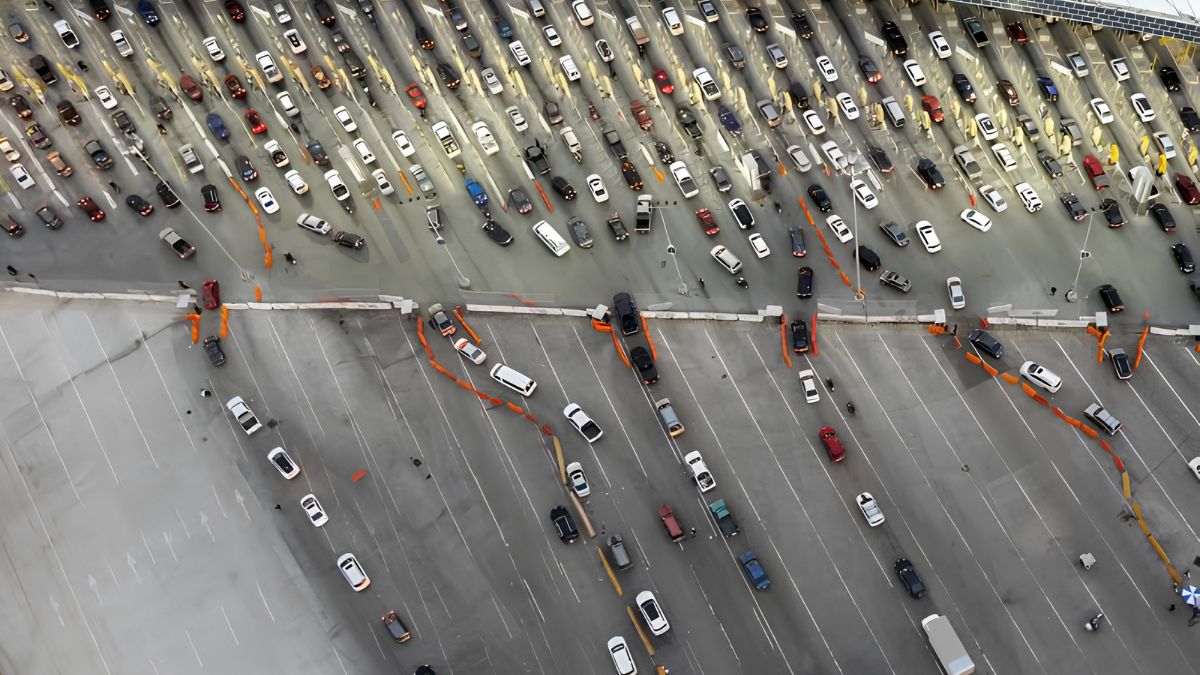
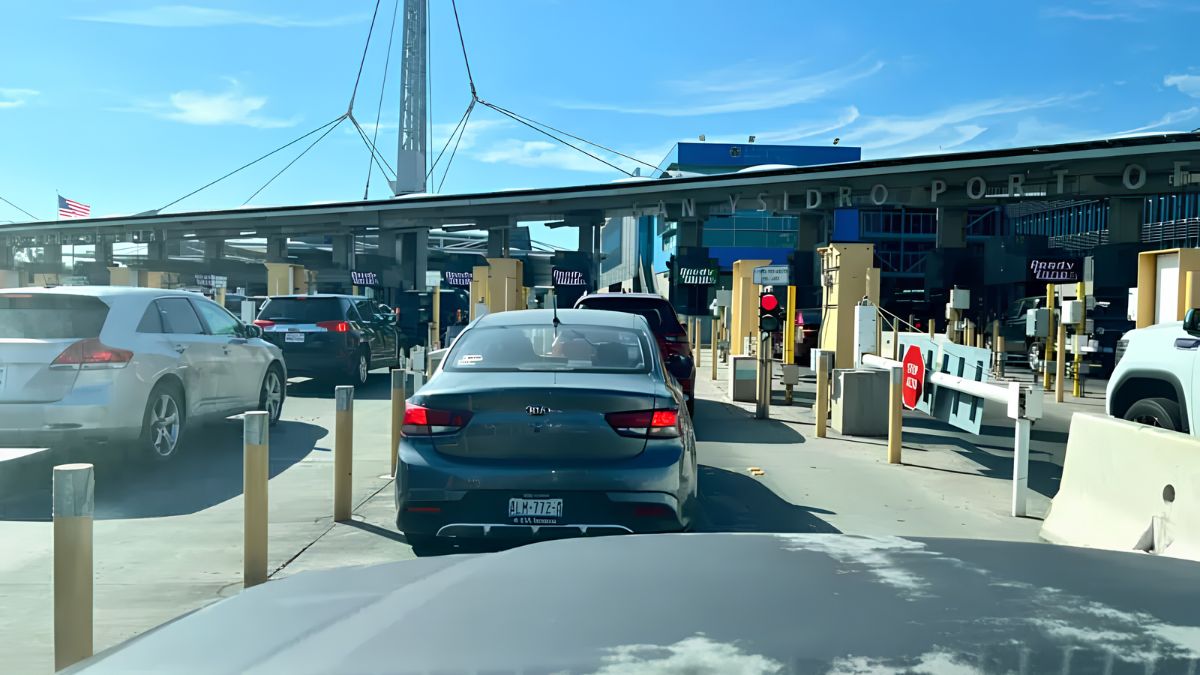
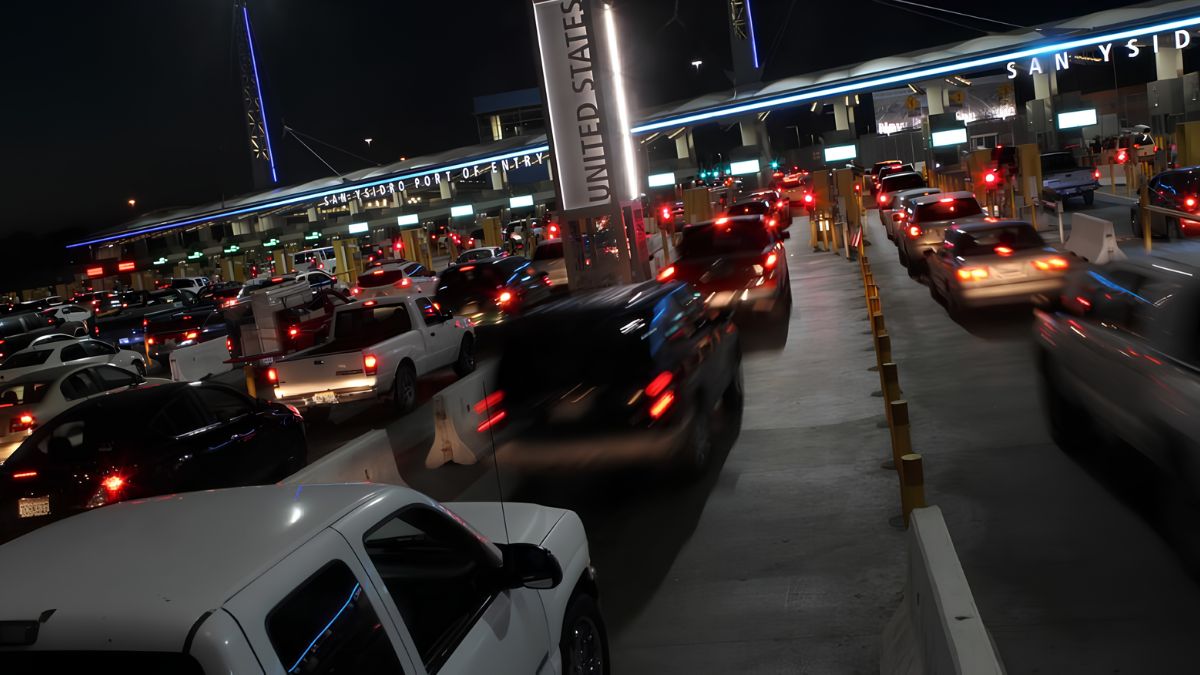
The San Ysidro Port of Entry is a major pedestrian and vehicle crossing between San Diego and Tijuana. Another option is the Otay Mesa Port of Entry, which may be more convenient for certain destinations or starting points.
However, the closest crossing is not always the fastest overall option. A route with a shorter border queue may involve a longer drive or a more complicated onward journey.
Before choosing, compare the entire trip rather than considering the border crossing in isolation.
Useful official resources include:
- U.S. Customs and Border Protection for U.S. border entry information and traveller guidance.
- CBP Border Wait Times for available estimates at participating ports of entry and crossing types.
- U.S. Department of State – Mexico Travel Information for current travel guidance and relevant safety information.
Check the appropriate crossing direction and traveller category when reviewing wait times. Pedestrian crossings, passenger vehicles, and other crossing categories can have different procedures and queues.
Because border conditions change, check again on the day of travel rather than relying solely on information collected several days earlier.
Transport
Transportation planning should cover both sides of the border. A ride that takes you to the San Diego side does not automatically solve the onward journey to the clinic in Tijuana.
Patients can consider several arrangements depending on their budget, mobility, and destination.
| Transportation option | Potential advantage | Planning consideration |
|---|---|---|
| Personal vehicle | Convenient for the journey to the border | Parking, vehicle eligibility, insurance, and border queues |
| Rideshare or taxi | Direct transportation to the crossing | Confirm the drop-off point and availability |
| Pedestrian crossing | May avoid waiting in a vehicle queue | Requires a suitable onward journey in Tijuana |
| Prearranged medical transfer | May simplify clinic transportation | Confirm pickup location, cost, and waiting arrangements |
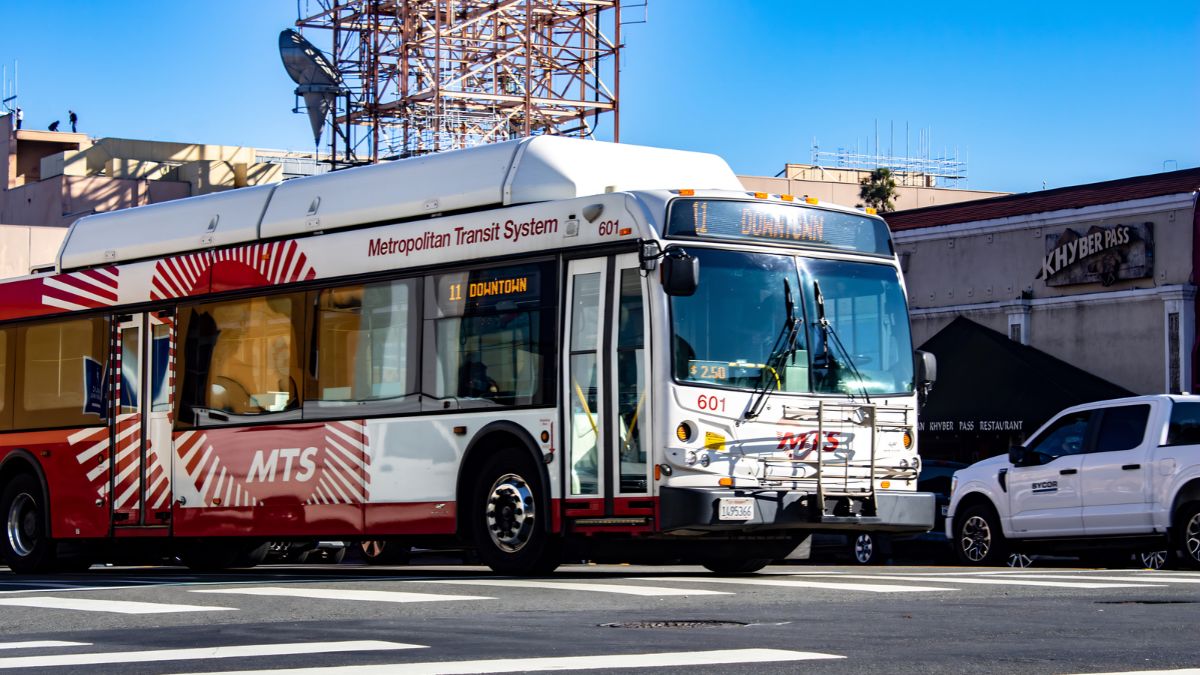
| Public transportation | Can reduce transportation costs | Transfers, schedules, walking distances, and accessibility |
For some patients, walking across the border and arranging transportation from the other side may be practical. Others may prefer a prearranged driver who knows the clinic location and agreed meeting point.
If using a transportation provider, confirm whether the service includes the border crossing itself or only travel to a designated pickup point. Do not assume that a driver can cross the border with you or collect you directly outside the clinic.
Patients with limited mobility, chronic pain, or difficulty walking should consider the physical demands of the route. A journey involving long queues, stairs, uneven pavements, or extended standing may require a different plan from one suitable for a healthy adult travelling alone.
Documents
Travel documents should be checked before leaving home. Requirements depend on citizenship, immigration status, travel circumstances, and the direction of crossing.
U.S. citizens generally need an accepted travel document for the intended land-border crossing. Other travellers may have different requirements, including passport validity, visa requirements, or documentation related to their U.S. immigration status.
Travellers should consult official government guidance rather than assume that the documents accepted for one journey will be sufficient for another. Mexican entry requirements and the requirements for returning to the United States are separate considerations.
Keep essential documents accessible, including identification, relevant travel documents, appointment confirmation, and the clinic’s contact details. If a companion is travelling with the patient, confirm that their documentation is also in order.
Medical paperwork should be kept separate from travel documents so it can be accessed quickly when needed. Depending on the appointment, this may include referral letters, previous test results, medication lists, allergies, and information about relevant medical conditions.
If you are unsure whether your immigration status or travel documents permit the intended trip and return, seek guidance from the relevant government authority before travelling.
Coordination
A medical journey often involves several people: the patient, a family member, a driver, the clinic’s reception team, and sometimes a medical coordinator. Clear communication helps prevent confusion when one part of the journey changes.
Confirm the appointment directly with the clinic before departure. Ask for the full address, the recommended arrival time, a local contact number, and instructions for finding the entrance or reception area.
If the clinic offers transportation assistance, clarify exactly what is included. Ask whether the service covers a pickup on the U.S. side, a meeting point after the pedestrian crossing, transportation to the clinic, or a return transfer.
Agree on the meeting location in advance. A specific entrance, named landmark, or clearly identified pickup point is more useful than a general instruction to meet near the border.
It is also sensible to share the travel schedule with a trusted person who is not travelling. This person can help contact the clinic or transportation provider if communication becomes difficult.
Keep phone batteries charged and carry a charging cable or power bank. Check mobile connectivity and roaming arrangements before crossing, since coverage and charges can differ between the United States and Mexico.
Medical Needs
Transportation arrangements should reflect the patient’s medical condition, not just the distance to the clinic.
Someone attending a routine consultation may be able to manage a longer walk or a public transportation connection. A patient recovering from a procedure, experiencing significant pain, or using a mobility aid may need a more direct journey.
When booking the appointment, explain any relevant mobility limitations or special transportation requirements to the healthcare provider. Ask whether the clinic can recommend an accessible transfer service or provide guidance on the nearest suitable drop-off point.
If the appointment involves sedation or anaesthesia, confirm the clinic’s instructions for travel after the procedure. Patients may be prohibited from driving and may need a responsible adult to accompany them. Some procedures also require specific arrangements for the return journey.
Do not assume that a taxi or rideshare vehicle alone will satisfy the clinic’s discharge requirements. Ask the treating provider what assistance is necessary before making transportation reservations.
Patients travelling with medication should keep it in its original packaging where appropriate and check any applicable cross-border rules. Prescriptions, medical supplies, and controlled medications may be subject to additional requirements.
For people with complex medical needs, the safest transportation plan may involve professional medical transport rather than an ordinary passenger vehicle. The appropriate arrangement depends on the patient’s condition and the level of assistance required.
Connections
Connections deserve particular attention when a journey includes several scheduled services.
For example, a patient might take a local bus to the border, cross on foot, meet a driver in Tijuana, attend an appointment, and return in time for a scheduled bus departure. If the crossing takes longer than expected, every later connection may be affected.
Where possible, avoid arranging tightly timed connections. A longer buffer may increase the total journey time, but it reduces the likelihood that one delay will disrupt the entire plan.
For the return journey, ask the clinic how long the visit is expected to take and whether the timing could change. Medical consultations can run late, and additional tests or treatment may affect the departure time.
If you must reserve a return transfer, discuss waiting arrangements and the cost of a delayed pickup. For public transportation, check the actual timetable and identify a later service as a backup.
Keep essential contact numbers available offline in case mobile data is unavailable. This includes the clinic, driver, accommodation if relevant, and transportation operator.
A useful rule is to treat each connection as a separate commitment, with its own confirmation and backup option. This is more dependable than assuming every part of the trip will run exactly on schedule.
Contingencies
Even a carefully planned journey can be disrupted by traffic, longer border queues, a missed pickup, or a change in the appointment time. Preparing for these possibilities makes it easier to respond calmly.
Before departure, identify the most important risks and decide how you would handle them.
If the border queue is longer than expected, contact the clinic as soon as the delay becomes apparent. Ask whether the appointment can still proceed or needs to be rescheduled. Do not wait until the scheduled start time if it is already clear that arrival will be late.
If a driver fails to arrive, use the agreed contact method and confirm the pickup location. Have an alternative transportation option identified in advance, particularly if the appointment is time-sensitive.
If the clinic changes the appointment, confirm the revised time before rearranging every part of the journey. Where possible, obtain the new details in writing.
Patients should also carry essential medication, water, a charged phone, and any necessary medical supplies, taking into account their condition and the clinic’s preparation instructions. Food and drink restrictions before certain procedures must take priority over general travel convenience.
For significant symptoms or a medical emergency, seek appropriate emergency assistance rather than continuing with an ordinary transportation plan.
Checklist
A short checklist can help patients confirm that the important details have been covered before leaving.
- Confirm the appointment date, time, location, and arrival instructions.
- Check current border information and the appropriate crossing category.
- Verify travel documents for entry into Mexico and return to the United States.
- Arrange transportation on both sides of the border.
- Confirm pickup locations, driver contact details, and payment arrangements.
- Allow time for queues, transfers, registration, and unexpected delays.
- Prepare medical records, medication information, and any required paperwork.
- Check mobility requirements and post-procedure transportation instructions.
- Identify an alternative connection and know whom to contact if plans change.
Review the checklist the day before the appointment and again before departure. If an essential detail remains uncertain, contact the relevant provider rather than relying on an assumption.
Planning transportation for a medical appointment between San Diego and Tijuana requires coordination, realistic time allowances, and attention to the patient’s individual needs. The aim is not to predict every delay but to avoid creating a schedule that leaves no room for one. By checking official border information, arranging reliable transport on both sides, confirming medical instructions, and allowing enough time for connections, patients can approach the journey with a clearer plan and fewer avoidable complications.
FAQs
How early should I leave for a Tijuana medical appointment?
Allow time for travel, border queues, onward transport, and clinic registration.
Where can I check San Diego-Tijuana border wait times?
Check the official U.S. Customs and Border Protection Border Wait Times website.
Should I arrange transportation on both sides of the border?
Yes. Confirm separate pickup and onward travel arrangements in advance.
What if border delays make me late for my appointment?
Contact the clinic promptly and ask whether the appointment can be accommodated.
Can I travel alone after a medical procedure in Tijuana?
Ask your treating provider whether an escort or assisted transport is required.