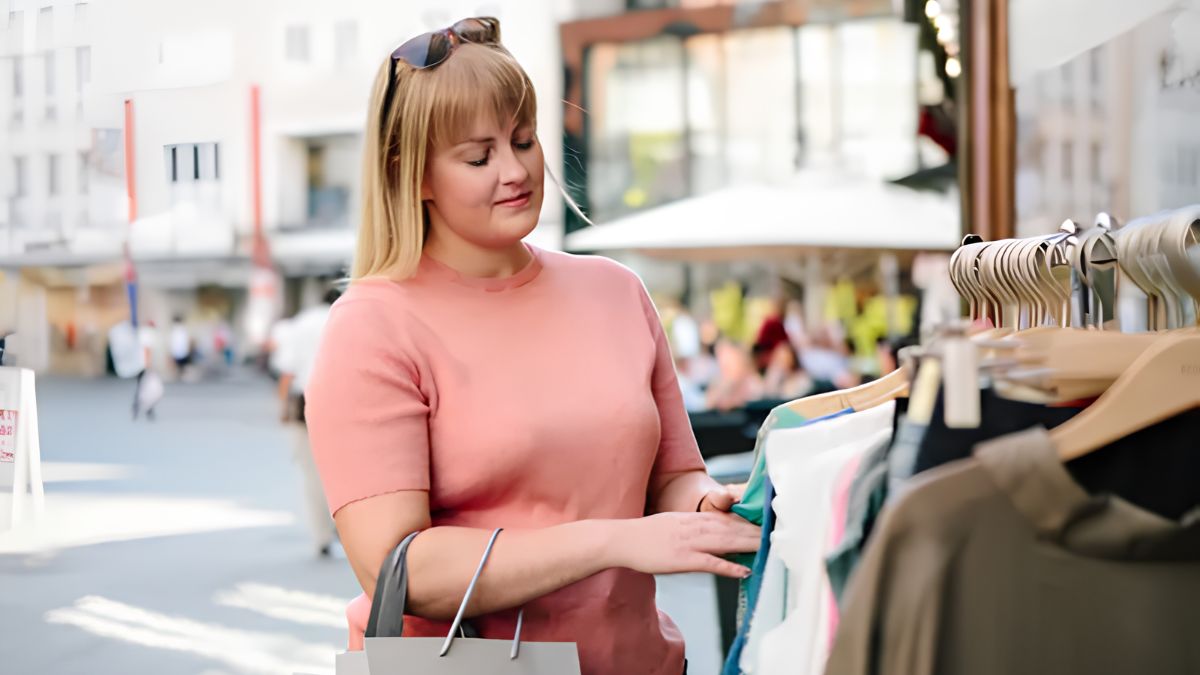
Shopping for clothing around San Ysidro can involve comparing products from U.S. retailers, Mexican shops, and international brands that use different sizing systems. A shirt labelled medium in one store may fit differently from a medium sold elsewhere, while jeans, dresses, and shoes can follow entirely different measurement conventions.
For shoppers travelling between San Diego and Tijuana, knowing these differences can make it easier to choose suitable clothing, compare prices, and reduce the likelihood of buying something that does not fit. The challenge is that there is no single conversion chart that works reliably for every brand, garment, or country.
The most practical approach is to use size labels as a starting point and confirm the actual measurements whenever possible. Knowing your body measurements, checking garment-specific charts, and understanding common differences between U.S. and Mexican labels can make shopping more straightforward.
Labels
Clothing labels provide a quick way to identify a general size, but they do not guarantee an identical fit across brands.
In the United States, everyday clothing commonly uses labels such as XS, S, M, L, and XL. Some garments use numerical sizes, including women’s dress sizes and men’s waist measurements.
Mexican clothing retailers may use similar letter-based labels, numerical sizes, or measurements in centimetres. International brands sold in Mexico may also display U.S., European, or other regional sizing information.
This means shoppers should first identify which sizing system appears on the label. A number alone is not always enough to determine the intended fit.
For example, a numerical size on a pair of jeans may refer to the waist measurement in inches, while a dress size may use a brand-specific numerical scale. These figures describe different things and should not be compared directly.
When a garment includes both a size label and a measurement chart, the chart is generally more useful for making a purchasing decision.
Measurements
Taking your measurements before shopping provides a more reliable reference than trying to memorise clothing conversions.
Use a flexible measuring tape and record the measurements relevant to the garments you plan to buy.
| Measurement | How to measure |
|---|---|
| Chest or bust | Measure around the fullest part of the chest or bust |
| Waist | Measure around the natural waist or the position specified by the size chart |
| Hips | Measure around the fullest part of the hips |
| Inseam | Measure from the crotch to the desired trouser hem |
| Sleeve | Follow the garment’s specified shoulder-to-wrist measuring method |
| Foot length | Measure from the heel to the longest toe |
Keep the tape comfortably against your body without pulling it too tightly. For waist and hip measurements, use the measuring points specified by the retailer because definitions can differ between garment types.
It is useful to record measurements in both centimetres and inches.
One inch equals 2.54 centimetres. This allows you to compare a Mexican retailer’s centimetre-based chart with a U.S. chart that uses inches.
Remember that body measurements and garment measurements are not interchangeable. A shirt’s actual chest circumference will usually be larger than the wearer’s body measurement because the garment needs room for movement and comfort.
Conversion
Size conversion charts can help narrow down your options, but they should not be treated as universal rules.
Some Mexican retailers use letter-based labels similar to those found in the United States. Others provide numerical sizes or individual measurements. Even where the labels look identical, the cut and intended fit may differ.
The following table offers general guidance for comparing labels. It is not a definitive conversion chart, and individual brands may use different standards.
| U.S. label | Possible Mexican retail label | What to check |
|---|---|---|
| XS | CH or XS | Bust, chest, waist, and garment cut |
| S | CH or S | Brand-specific size chart |
| M | M | Actual measurements and fit |
| L | G or L | Waist, chest, or hip measurements |
| XL | EG or XL | Brand sizing and garment dimensions |
In some Mexican sizing systems, CH is used for chico (small), M for mediano (medium), G for grande (large), and EG for extra grande (extra large). These abbreviations are not universal, so check the retailer’s own guide.
Numerical sizing requires additional care. A U.S. women’s dress size should not be assumed to equal the same number on a Mexican or European label. Likewise, men’s trousers may use waist measurements, regional numerical sizes, or brand-specific sizing.
If the retailer provides a size chart, compare your measurements with the chart rather than choosing a size based only on the letters or numbers.
Tops
T-shirts, shirts, blouses, and jackets can differ in shoulder width, chest room, sleeve length, and overall length.
When shopping for tops, start with the chest or bust measurement. Then consider shoulder fit and sleeve length, especially if you are buying a fitted shirt, formal blouse, or jacket.
A loose-fitting T-shirt may accommodate small measurement differences, while a tailored shirt may require a more precise fit. Stretch fabrics can also behave differently from woven materials.
Pay attention to product descriptions such as slim fit, regular fit, relaxed fit, and oversized. These terms describe the intended shape of the garment, not a separate national sizing standard.
If you normally wear a medium in a U.S. brand, do not automatically select medium in another brand sold in Mexico. Compare the size chart and, where possible, try the garment on.
For jackets and coats, consider what you intend to wear underneath. A jacket worn over a thick sweater may need more room than one intended for a light shirt.
Jeans
Jeans can be particularly confusing because brands use different combinations of waist, hip, rise, and inseam measurements.
Some men’s jeans display a waist and inseam pair, such as 32 × 30. In many cases, the first number refers to waist size in inches and the second to inseam length in inches. However, the actual finished measurements may differ from the label.
Women’s jeans may use numerical sizes, letter-based labels, or waist measurements. Mexican and international retailers can use different conventions, making direct comparisons less reliable.
To choose jeans, check three things:
- Waist: Confirm where the waistband is designed to sit.
- Rise: Check whether the jeans are low-rise, mid-rise, or high-rise.
- Inseam: Compare the leg length with your preferred fit.
Stretch denim may fit differently from rigid denim, even when the labels are identical. Washing and finishing methods can also affect the final dimensions.
If you are shopping for jeans in San Ysidro before travelling back across the border, trying them on and checking the fit while still in the store can save time and reduce the need for returns.
Dresses
Dresses require more than a waist measurement because the bust, hips, shoulders, and overall length can all influence the fit.
U.S. women’s dress sizes commonly use numerical labels, while Mexican retailers may use letters, numbers, or measurements in centimetres. There is no reliable one-to-one conversion for every brand.
Start by comparing your bust, waist, and hip measurements with the manufacturer’s chart. If your measurements fall into different size categories, review the garment’s design.
A fitted dress may require careful attention to the largest relevant measurement, while a loose or adjustable style may offer greater flexibility. Dresses with stretch fabric, elastic waistbands, or adjustable straps may accommodate a wider range of body shapes.
Length is another important consideration. A dress that fits correctly around the body may still be longer or shorter than expected because brands design garments for different proportions.
If alterations are needed, consider their cost before making a purchase.
Shoes
Shoe sizing is different from clothing sizing and should be checked separately. U.S. and Mexican footwear labels may use different numerical systems, and some Mexican retailers display foot length in centimetres.
Do not assume that a U.S. shoe size and a Mexican shoe size with the same number are equivalent.
Measure both feet from heel to longest toe while standing. If one foot is longer, use that measurement when consulting the brand’s size chart.
Also consider foot width, toe shape, arch support, and the intended use of the shoe. A running shoe, formal shoe, sandal, and work boot can fit differently even when the stated size is the same.
Try both shoes on, ideally later in the day when feet may be slightly larger. Walk around the store and check for pressure at the toes, slipping at the heel, or excessive tightness across the foot.
For children, measure their feet regularly because their sizes can change quickly.
Shopping
When shopping around San Ysidro, a few practical steps can make comparing clothing labels easier.
First, check the tag for the country or sizing system used by the brand. A garment manufactured in Mexico may still use U.S. or international sizing, so the country of manufacture does not necessarily identify the size standard.
Second, look for the retailer’s measurement chart. If the chart is unclear, ask a staff member which measurements correspond to the label.
Third, try on garments when fitting rooms are available. If trying something on is not possible, compare the listed garment measurements with a similar item you already own that fits well.
You can also bring a reference garment or record its measurements on your phone. This can be particularly useful when shopping across multiple stores with different labels.
Before purchasing, check the return and exchange policy. Some discounted, clearance, or final-sale products may have different conditions. If you are buying several items, keep the receipts and confirm the terms before leaving the store.
Returns
Understanding the return policy is important when buying clothing across different retailers or while travelling between the United States and Mexico.
A store may allow exchanges only within a specific period, require the original tags, or exclude certain sale items. Online purchases may have separate return procedures from items bought in person.
If you expect to return an item, confirm whether the return must be made at the original location or whether another branch can accept it. Cross-border travel may make returning an item more complicated if the store is in a different country from where you live.
Keep receipts, packaging, and tags until you are confident the clothing fits. For purchases made using a payment card, retain the transaction record as well.
If you are unsure about a size and the store has a strict return policy, choosing an item only after checking its measurements can be more practical than relying on a conversion chart.
Confidence
Shopping between U.S. and Mexican clothing labels becomes easier when you focus on measurements rather than assuming that every size label has a direct equivalent.
Learn your chest, waist, hip, inseam, and foot measurements, then compare them with the relevant brand’s chart. Pay attention to garment style, fabric, and intended fit, and check return conditions before paying.
For shoppers around San Ysidro, these steps offer a straightforward way to compare clothing across retailers and sizing systems. A little preparation can help you choose items that fit comfortably, compare products more accurately, and make more informed purchasing decisions.
FAQs
Are U.S. and Mexican clothing sizes the same?
Not always. Sizing varies by brand, garment type, and measurement system.
What does CH mean on Mexican clothing labels?
CH commonly stands for chico, meaning small, but labels can vary.
How can I compare U.S. and Mexican sizes accurately?
Measure your body and compare the results with the brand’s size chart.
Are Mexican shoe sizes the same as U.S. sizes?
No. Check the footwear brand’s conversion chart and foot measurements.
Should I check return policies before buying clothes?
Yes. Confirm return deadlines, exclusions, and exchange conditions before purchase.