
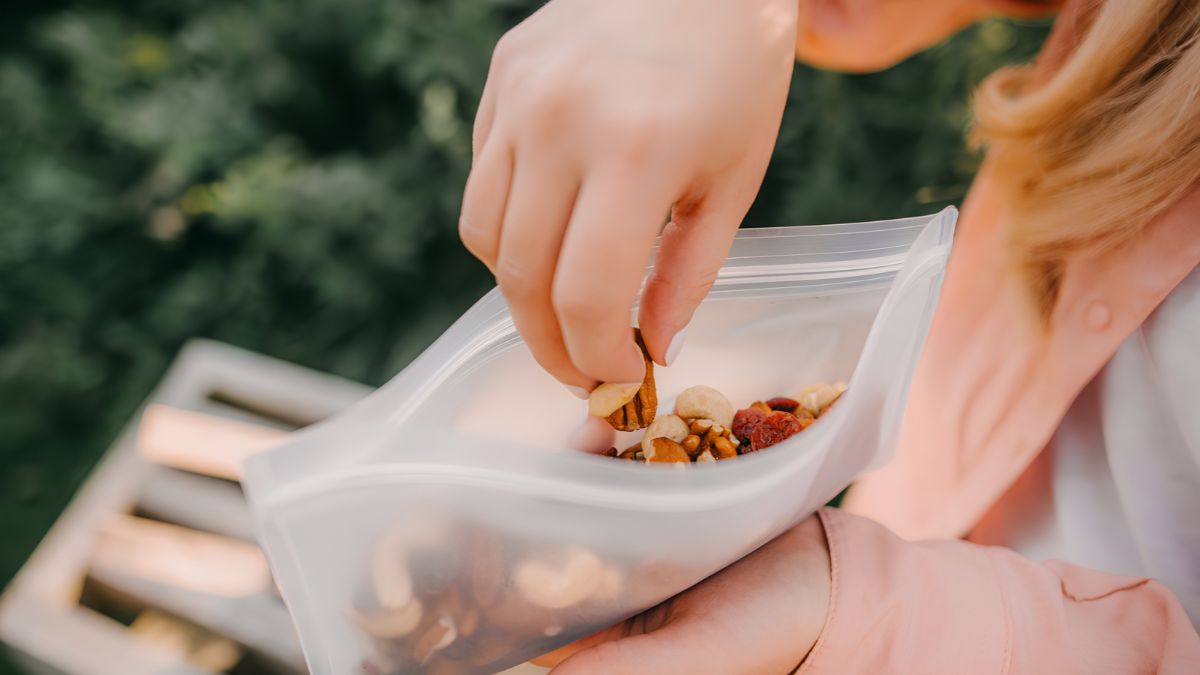
Buying household essentials can seem like a simple task, but the cheapest product on the shelf is not always the best deal. In San Ysidro, where shoppers may compare products across different stores, brands and price points, looking beyond the initial price can help stretch a household budget. Reusable shopping bags, food containers and everyday household products are particularly worth comparing because they are used frequently and may need to be replaced when they wear out.
Long-term value comes down to several factors: durability, ease of cleaning, safety, storage, repairability and how often a product needs replacing. A reusable bag that lasts for years may offer better value than several inexpensive bags that tear quickly. Likewise, a food container that seals properly and survives repeated washing may be more useful than a low-cost set with lids that crack after a few months.
For San Ysidro shoppers, a practical buying strategy starts with knowing how a product will be used, checking its quality and calculating its likely cost over time. Small decisions like these can make everyday shopping more economical without sacrificing convenience.
Prices
The price tag is the easiest detail to compare, but it only tells part of the story. Two products may look similar while differing significantly in construction, capacity and expected lifespan. Before choosing the lower-priced option, consider whether it offers the same usefulness and reliability as the alternative.
For example, a basic reusable shopping bag may cost less than a reinforced bag with stronger handles and a wider base. If both carry light groceries occasionally, the cheaper option could be perfectly adequate. If you regularly carry heavy groceries, drinks or bulky household items, the reinforced design may be a better investment.
The same principle applies to food containers, dish brushes, storage bins and cleaning tools. Paying more does not automatically mean getting better quality. Compare the materials, construction and product specifications rather than assuming that a premium label guarantees a longer lifespan.
A useful habit is to compare products within the same category and size range. A large container should not be compared directly with a smaller one simply because its shelf price is higher.
Durability
Durability is one of the strongest indicators of long-term value. A product that survives regular use can save money and reduce the inconvenience of frequent replacements.
When choosing reusable shopping bags, examine the stitching, handles, seams and bottom panel. These areas often experience the most stress. Bags with reinforced seams may be more suitable for heavier loads, while lightweight foldable bags may work well for quick errands and produce purchases.
For food containers, check whether the plastic feels sturdy, whether the lid fits securely and whether the hinges or locking clips appear robust. Glass containers can be useful for food storage and reheating when they are designed for those purposes, but they are heavier and can break if dropped. Stainless steel containers may offer durability for certain uses, although they are not suitable for every appliance or storage situation.
Household products also deserve a closer look. A sturdy broom with a replaceable head, for example, may last longer than one that must be discarded when its bristles wear down. A storage organizer made from durable material may be worth the extra cost if it will be moved or opened daily.
Look for clear product information, care instructions and warranty terms where available. These details can help you estimate whether an item is built for occasional use or repeated daily use.
Materials
Materials affect a product’s durability, maintenance requirements, weight and suitability for different tasks. Choosing the right material depends on how you intend to use the item.
Reusable shopping bags commonly come in woven polypropylene, polyester, cotton and other fabrics. Lightweight synthetic bags can be convenient to fold and carry, while sturdier woven bags may suit heavier shopping. Cotton bags are washable when care instructions allow, but their overall environmental impact depends on how often they are reused and how they are produced.
Food containers are commonly made from plastic, glass or stainless steel. Each has advantages and limitations.
| Material | Potential advantages | Points to consider |
|---|---|---|
| Plastic | Lightweight and often affordable | Check food-use and heating instructions |
| Glass | Easy to inspect and generally resists food odors | Heavy and breakable |
| Stainless steel | Durable and suitable for many storage needs | Usually unsuitable for microwave use |
| Fabric | Useful for reusable bags and organizers | Washing and drying requirements vary |
For plastic food containers, check whether the product is labeled for food contact and follow the manufacturer’s instructions for microwave, freezer and dishwasher use. A container that is safe for storing cold food may not be suitable for heating. Do not assume that every plastic container is microwave-safe.
For shopping bags, consider whether the material can be cleaned easily after carrying groceries. Reusable bags should be cleaned when dirty, particularly after carrying meat, seafood or items that leak. Allow them to dry fully before storing them to help prevent odors and moisture buildup.
Frequency
How often you use a product can change which option offers the best value. A product used every day deserves more attention to durability than one used only a few times a year.
Consider a reusable shopping bag that costs $6 and lasts for three years. If you use it 100 times each year, it provides approximately 300 uses. Its purchase cost works out to about two cents per use, excluding cleaning and other expenses.
Now compare that with a $2 bag that lasts for only 40 uses. Its purchase cost is five cents per use. Although it costs less initially, it may be more expensive over time.
The same calculation can help compare food containers, laundry baskets, scrub brushes and other household products.
The basic formula is:
Cost per use = Purchase price ÷ Number of uses
This method works best when the products being compared serve the same purpose. If one bag carries twice as much as another, or one container lasts much longer, account for those differences before deciding.
Cleaning
A reusable product must be practical to maintain. If it is difficult to clean, dries slowly or requires special care, you may use it less often or replace it sooner.
For reusable bags, check the washing instructions before buying. Some can be machine-washed, while others require wiping with a damp cloth. Bags used for groceries should be cleaned regularly, particularly if food residue, moisture or spills are present.
Food containers should have smooth interiors and lids that can be cleaned thoroughly. Containers with complicated corners, narrow grooves or removable seals may require extra attention. Make sure any removable parts are easy to take apart and reassemble correctly.
For everyday household products, consider whether replacement parts are available and whether worn components can be cleaned or maintained. A mop with a washable head or a cleaning brush with replaceable parts may reduce the need to buy an entirely new item.
Cleaning costs are usually modest, but time and convenience also matter. A product that saves a little money yet takes considerably longer to maintain may not be the most practical choice for your household.
Storage
Storage is another important part of long-term value, especially in homes where cupboard, pantry or utility space is limited.
Foldable shopping bags are easy to keep in a car, backpack or near the front door. However, a bag that is difficult to fold or tends to retain moisture may become inconvenient. Choose a design that fits your routine so you are more likely to remember and reuse it.
Food containers should fit your available shelves and refrigerator space. Nesting containers can reduce clutter, while stackable designs may make cupboards easier to organize. Before buying a large set, check whether the containers and lids stack efficiently and whether you genuinely need every size.
For household products, measure the intended storage area before purchasing bulky bins, organizers or cleaning tools. A product that technically fits but makes cupboards difficult to access may create more problems than it solves.
Avoid buying sets simply because they contain many pieces. A smaller collection of useful, durable products can offer better value than a large set with items that rarely leave the cupboard.
Safety
Long-term value should never come at the expense of safety. This is particularly important for food containers, cleaning products and household items used around children or pets.
For food storage, look for clear labeling about intended use. Follow instructions for heating, freezing and dishwasher cleaning, and replace containers that become cracked, warped or difficult to clean. Do not use damaged containers if the damage affects safe food storage.
Glass containers should be handled carefully, especially when moving them between temperature extremes. Only use products specifically designed for the intended heating method, and follow any temperature limitations stated by the manufacturer.
For cleaning products, read the label and follow dilution, ventilation and storage instructions. Keep chemicals in their original containers and away from food. Never mix cleaning products unless the label explicitly directs you to do so.
When buying products locally, examine the packaging for material information, usage instructions and manufacturer details. If important information is missing, consider choosing an alternative with clearer labeling.
Warranties
Warranty coverage and replacement-part availability can help you judge whether a product is designed for continued use. Some household products include limited warranties, while inexpensive everyday items may have no coverage at all.
Read the terms rather than relying only on a claim that a product is durable. A warranty may cover manufacturing defects but exclude normal wear, misuse or damage from improper cleaning. Keep receipts for products where the warranty could be useful.
Repairability is also worth considering. If a container lid can be replaced separately, or a cleaning tool accepts replacement heads, you may be able to extend the product’s useful life without purchasing an entirely new item.
For reusable bags, replacement costs are usually low, so a warranty may be less important than reinforced construction and ease of cleaning. For more expensive household organizers or durable storage products, warranty details may have greater relevance.
Shopping
San Ysidro shoppers can make more informed purchases by comparing product details before deciding where to buy. Store promotions, multipacks and clearance prices can offer savings, but only when the items meet your needs.
Start by comparing the unit price, size, material and stated care requirements. If a package contains several containers, calculate the price per container and check whether the set includes useful sizes. A lower price per piece does not help much if most of the pieces are unsuitable for your kitchen.
If you shop across the U.S.-Mexico border, check the final price in the currency you will pay, including any applicable taxes and travel costs. A lower shelf price elsewhere may not translate into meaningful savings after additional expenses. Product dimensions and labeling may also differ, so verify measurements rather than relying on packaging appearance alone.
You can use trusted public resources to learn more about safe and sustainable purchases:
- U.S. Federal Trade Commission – Consumer guidance and information about advertising claims.
- U.S. Food and Drug Administration – Food safety information and resources related to food-contact materials.
- U.S. Environmental Protection Agency – Guidance on recycling and waste reduction.
These resources can help you understand product claims and responsible use, although they do not replace the manufacturer’s instructions for a specific item.
Calculations
A simple comparison table can make shopping decisions easier. Consider two reusable food containers with different purchase prices and estimated lifespans.
| Detail | Container A | Container B |
|---|---|---|
| Purchase price | $8 | $12 |
| Estimated lifespan | 1 year | 2 years |
| Cost per year | $8 | $6 |
| Cleaning requirements | Standard | Standard |
In this example, Container B costs more upfront but has a lower estimated annual cost. However, this comparison only works if both containers provide similar capacity, food safety and convenience, and if the lifespan estimates are realistic.
You can use the same approach for shopping bags, storage bins and cleaning tools. Estimate the period of use, divide the purchase price by that period, and consider likely replacement needs. Add recurring expenses when they differ significantly, such as replacement liners, special cleaning products or spare components.
Remember that calculations are guides rather than guarantees. Actual product life depends on frequency of use, care, storage and manufacturing quality.
Choices
The best purchase is not always the most expensive, the most environmentally friendly-looking or the one with the most pieces. It is the product that reliably meets your needs at a reasonable total cost.
Before buying, ask yourself three questions: Will I use it regularly? Can I clean and store it easily? Is it likely to last long enough to justify the price? If the answer to all three is yes, the product may represent good value.
For reusable bags, prioritize sturdy handles and convenient storage. For food containers, focus on secure lids, appropriate food-use labeling and easy cleaning. For household products, consider repairability, replaceable parts and whether the item performs a useful task in your home.
A little comparison before checkout can prevent unnecessary spending later. By focusing on cost per use, product quality and everyday convenience, San Ysidro shoppers can build a collection of household essentials that serves them well for years rather than months.
FAQs
How do I compare reusable bags?
Check handle strength, material, cleaning needs and cost per use.
Are glass food containers worth the cost?
They can last well, but consider weight, breakage risk and intended use.
What is cost per use?
Divide the purchase price by the number of times you use the product.
How often should reusable bags be cleaned?
Clean them regularly and after spills or contact with leaking foods.
Should I buy household products in bulk?
Only if you need the items and can store them properly.