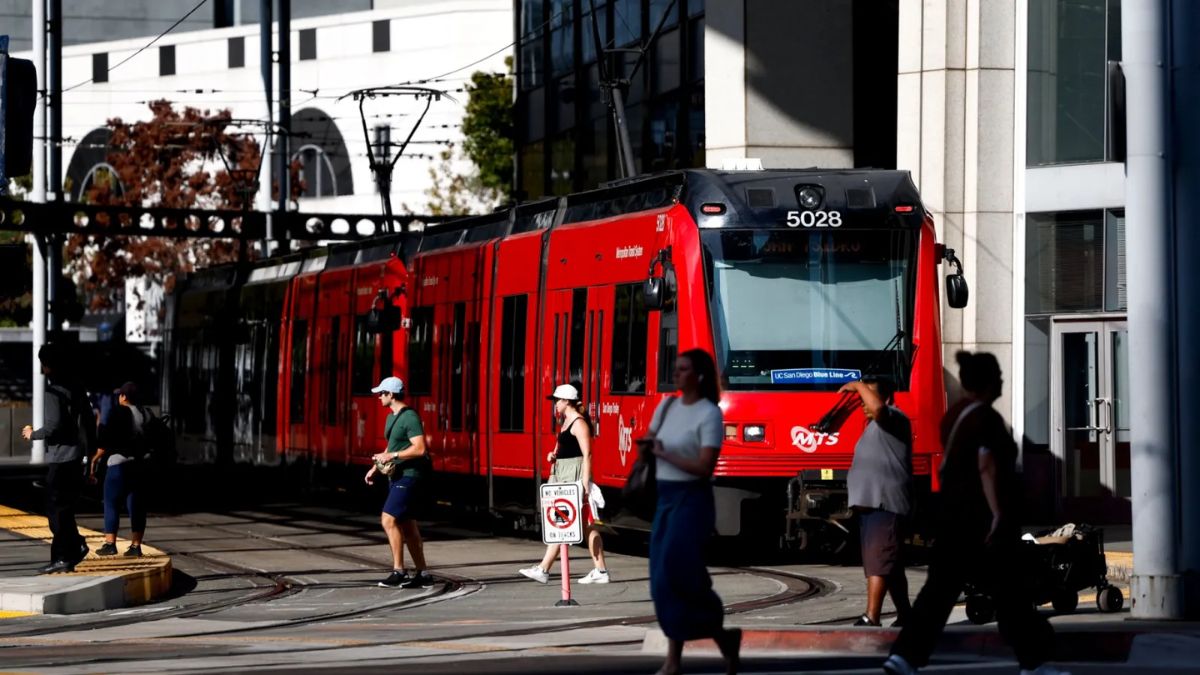
Traveling from San Ysidro to other parts of San Diego is manageable with a little preparation. The area’s public transportation network connects passengers with downtown San Diego, shopping districts, employment centers, and other destinations through trolley services and local buses. For residents, commuters, and visitors, knowing these connections can make daily travel more predictable and reduce the need to drive.
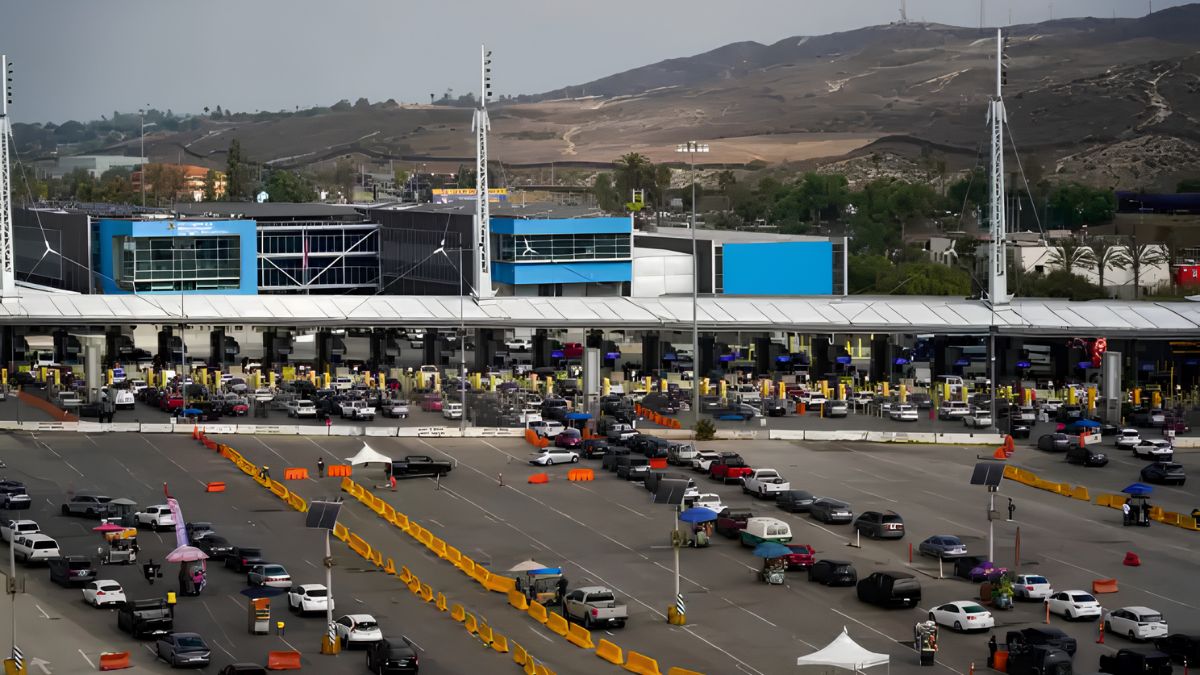
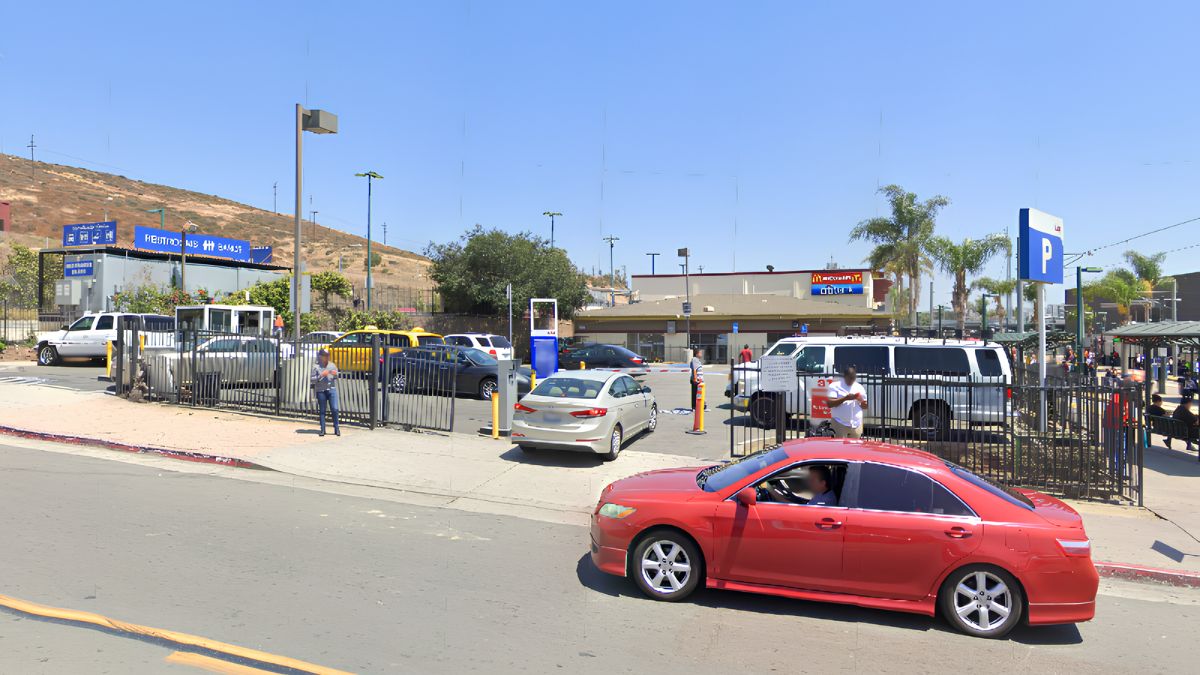
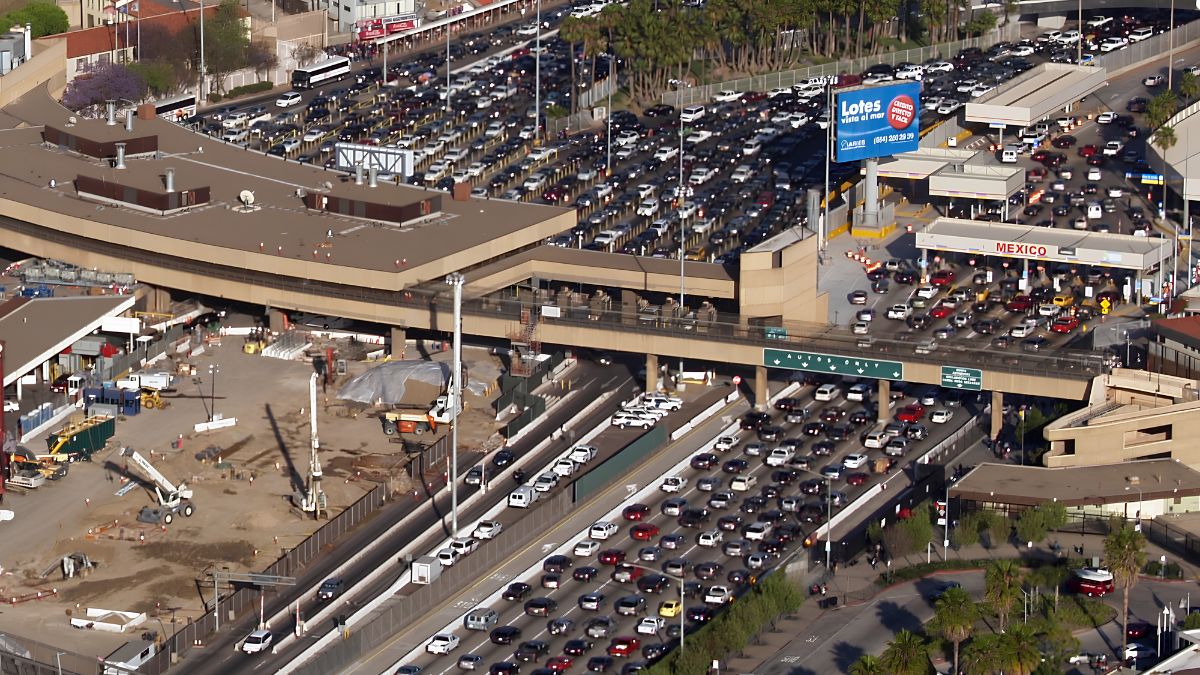
San Ysidro is located near the United States-Mexico border and serves as an important transportation point in southern San Diego. The San Ysidro Transit Center provides access to the San Diego Trolley’s Blue Line and connecting bus services. From there, passengers can travel toward central San Diego or connect with other routes to reach destinations beyond the trolley network.
The most suitable journey depends on your destination, departure time, budget, and willingness to walk or transfer between services. Before traveling, it is useful to check current schedules, understand the available payment options, and identify the correct station or bus stop. These steps can help passengers avoid unnecessary delays and plan their journeys with greater confidence.
Routes
The San Diego Trolley’s Blue Line is one of the main public transportation options for people traveling from San Ysidro. The line begins at the San Ysidro Transit Center and runs north through several communities before reaching downtown San Diego and continuing toward Old Town and UTC.
For passengers heading to downtown, the Blue Line offers a direct connection without requiring a transfer to another trolley line. Depending on the destination, it can also provide access to shopping areas, employment locations, and other regional transportation connections.
However, not every destination is close to a trolley station. Passengers traveling to residential neighborhoods, business parks, or locations away from the main rail network may need to use a connecting bus or walk part of the journey.
Bus services expand the number of destinations accessible from San Ysidro. The appropriate route depends on the specific address and current service arrangements. Rather than selecting a bus based only on its route number, check where it travels, which direction it serves, and how close its stops are to your destination.
The official San Diego Metropolitan Transit System website provides route maps, service information, and trip-planning resources. Reviewing these details before departure can help you select a route that matches your schedule.
Transfers
Transfers are useful when a single trolley or bus route cannot take you directly to your destination. They allow passengers to combine different services while avoiding the need to travel the entire distance by car.
The San Ysidro Transit Center is a practical starting point because it connects trolley services with buses. Depending on your destination, you may be able to take the Blue Line for most of the journey and use a bus for the final portion.
When planning a transfer, check the departure time of the connecting service and identify the correct platform or bus stop. Some transfers require walking between different boarding areas, so allow enough time to find the connection.
It is also sensible to avoid tight connections when traveling to an important appointment. A delayed trolley or bus can affect the rest of your journey, particularly when services run less frequently.
Remember that changing vehicles and paying a new fare are not necessarily the same thing. Fare-transfer eligibility depends on the applicable rules and payment method. Review the current fare conditions before traveling, especially if you expect to use several services during one trip.
Tickets
Passengers should check the available fare options before boarding. San Diego MTS uses the PRONTO fare system across participating transit services, providing options for paying through a transit card or mobile application.
The best payment method depends on how frequently you travel and which services you intend to use. Someone making a single journey may have different needs from a commuter who travels several times a day.
The official PRONTO website explains payment options, account setup, and participating transit services. Check the current instructions before adding funds or selecting a fare product.
If you expect to make multiple trips in one day, compare applicable single-trip fares with any available day passes or fare limits. The most economical option depends on current prices, the number of journeys, and the services included.
Passengers using a reusable card should confirm that it has sufficient value or the appropriate fare product. Mobile users should make sure their phones are charged and that they can access the payment method they intend to use.
Do not assume that every regional transportation provider accepts the same ticket. Journeys involving services operated by different agencies may require separate fares or specific regional products.
Discounted fares may be available to eligible seniors, people with disabilities, students, or children, depending on the applicable rules. Confirm eligibility and documentation requirements before relying on a reduced fare.
Planning
A well-planned journey starts with an exact destination. Searching for a broad area such as downtown San Diego may produce several possible routes, but the closest stop to your actual destination can affect how long you spend walking.
Use a transit trip planner to compare available routes, transfer points, walking distances, and estimated journey times. Consider the full trip rather than focusing only on the time spent aboard a trolley or bus.
For example, someone traveling to a downtown office may be able to use the Blue Line directly. A passenger heading to a location outside the trolley corridor may need a connecting bus or another form of transportation for the final part of the journey.
If you have an appointment, calculate your departure time using the expected arrival time and allow a buffer for delays. This is especially important when your journey involves multiple transfers.
Check current service alerts before leaving. Planned maintenance, temporary stop changes, and service disruptions can affect a route that normally operates as expected.
For current route information and trip-planning tools, consult the official MTS website. If your journey involves multiple transportation agencies, check the schedules and fare rules for each part separately.
Timing
Travel times vary according to the route, service frequency, transfers, and conditions on the day. A direct trolley trip may be relatively easy to plan, while a journey involving several buses can require more flexibility.
Weekday commuting periods may bring higher passenger volumes on some services. Evening, weekend, and holiday schedules can differ from weekday timetables, so passengers should check the schedule for their intended travel date.
If you are unfamiliar with the transit center, arrive early enough to locate the correct platform or boarding area. Confirm the destination shown on the arriving vehicle rather than relying solely on its arrival time.
Return journeys deserve the same attention as outbound trips. Before traveling to an unfamiliar area, check when the last convenient service departs and whether a transfer will still be available.
Real-time arrival information can help you adjust your plans, but estimates are not guarantees. Keeping an alternative route in mind can be useful if a service is delayed or canceled.
Accessibility
Accessibility can influence which route is most practical. Passengers using wheelchairs, mobility aids, strollers, or other equipment may need to consider station entrances, platform access, vehicle boarding arrangements, and the walking distance between stops.
Check accessibility information for every part of the journey, including transfer stations. A route may be convenient overall but less suitable if an essential elevator or entrance is temporarily unavailable.
Families traveling with children and passengers carrying luggage may also prefer routes with fewer transfers and shorter walks. A slightly longer journey can be more convenient if it involves less walking or fewer changes between vehicles.
If you need assistance, consult the transit provider’s official customer service resources before traveling. Checking relevant service notices in advance can help you avoid difficulties at the station.
Connections
Some destinations outside central San Diego require connections beyond the MTS network. Depending on where you are going, you may need to use regional rail or services operated by another transportation agency.
For instance, travel toward parts of northern San Diego County may involve connecting with North County Transit District services. The appropriate connection depends on your destination and the routes operating at the time of travel.
Before purchasing a ticket, check whether your fare covers the complete journey. Different agencies may have separate payment arrangements, service schedules, and fare products.
Passengers with luggage or fixed arrival deadlines should compare total journey times and the number of transfers. A route with fewer minutes aboard a train may still take longer overall if it involves a lengthy wait for a connecting bus.
Preparation
A few simple steps can make public transportation easier to navigate, particularly for first-time visitors.
- Save your destination address and identify the nearest transit stop.
- Check the correct trolley line, bus route, and direction of travel.
- Review transfer locations and allow enough time between services.
- Confirm fares and prepare an accepted payment method.
- Check current schedules and service alerts before leaving.
- Keep your phone charged if you use digital tickets or navigation.
- Review return departure times before traveling to unfamiliar areas.
- Consider an alternative route if your journey depends on several connections.
At stations, follow posted signs and listen for service announcements. If you are uncertain about a transfer, consult route information or ask transit staff for guidance.
Avoid boarding simply because a vehicle arrives at the platform. Check the route number and destination to ensure you are traveling in the correct direction.
Public transportation from San Ysidro provides access to downtown San Diego and a wider network of regional destinations. The Blue Line offers a useful starting point for many journeys, while buses and connections with other providers extend the available options.
By checking schedules, understanding fare rules, and allowing sufficient time for transfers, passengers can plan journeys that suit their needs and budgets. A little preparation can make public transportation a practical option for commuting, appointments, shopping, and exploring San Diego without a car.
FAQs
Which trolley line connects San Ysidro with downtown San Diego?
The Blue Line connects San Ysidro with downtown and other destinations.
How can I pay for San Diego public transportation?
PRONTO provides payment options through its mobile app and transit card.
Do all journeys from San Ysidro require a transfer?
No. Some destinations are served directly by the Blue Line.
Where can I check trolley and bus schedules?
Visit the official San Diego MTS website for schedules and service alerts.
Should I check transit fares before traveling?
Yes. Fares and transfer rules depend on the service and payment method.