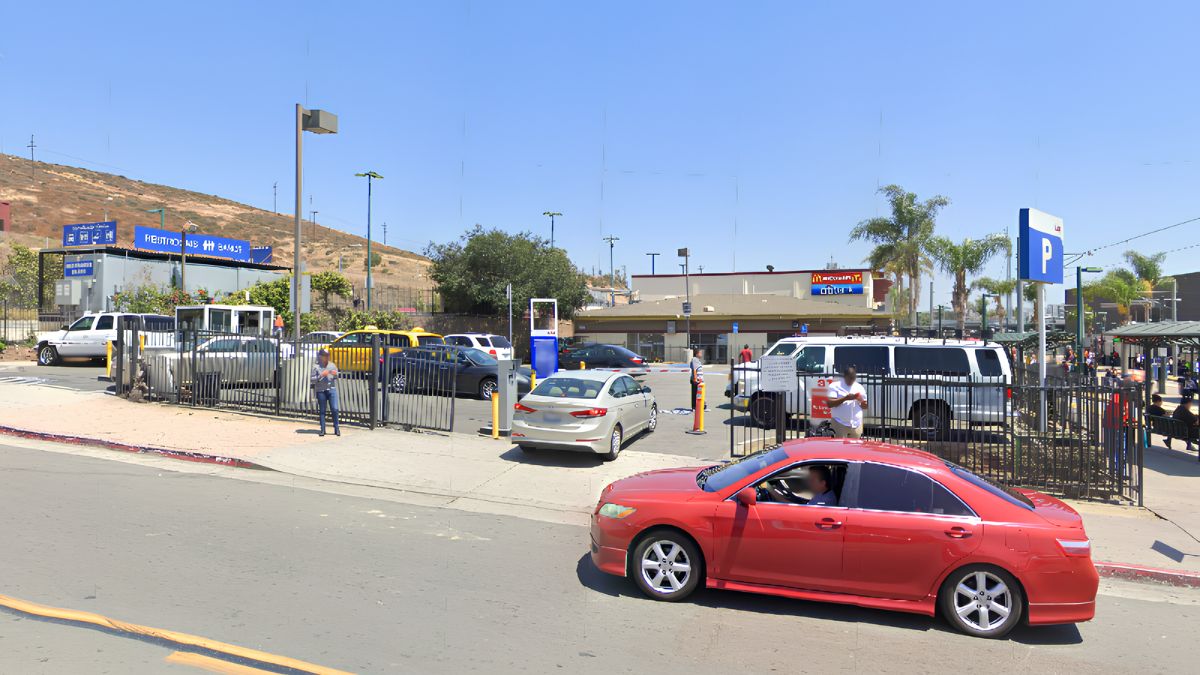
Planning your first visit to San Ysidro, California, is easier when you understand how transportation, parking, walking routes, and essential services fit together. Located in southern San Diego near the U.S.-Mexico border, San Ysidro serves local residents, shoppers, commuters, and international travelers. Its location makes it an important transportation hub, but visitors may need to plan carefully to avoid unnecessary travel time and confusion.
Whether you are visiting for shopping, meeting someone, looking into the neighborhood, or traveling toward the San Ysidro Port of Entry, a little preparation can help you organize your day. Knowing where to park, how to reach your destination, and which services are available nearby can make your visit more manageable.
The best approach is to plan around your main destination first, then choose the transportation options and stops that fit your schedule.
Planning
Begin by identifying the main purpose of your visit. San Ysidro offers access to shopping areas, restaurants, local businesses, public transportation, and the international border crossing into Tijuana, Mexico. Your itinerary will depend on which of these places you intend to visit.
If you are coming for shopping, identify the stores or shopping centers you want to reach and check their opening hours. If you are meeting someone near the border, confirm the exact meeting point rather than relying on a general address for San Ysidro.
Travelers heading toward the international crossing should distinguish between visiting the neighborhood and crossing the border. Crossing into Mexico or returning to the United States involves separate procedures, documentation requirements, and potential waiting times.
Check your planned arrival time and allow extra time if you are traveling during weekday commuting periods, weekends, holidays, or major shopping periods. Traffic conditions can change, especially around major roads and border access routes.
It is also useful to save important addresses on your phone before leaving. This makes it easier to navigate if mobile connectivity becomes unreliable or you need to share your location with another traveler.
Transport
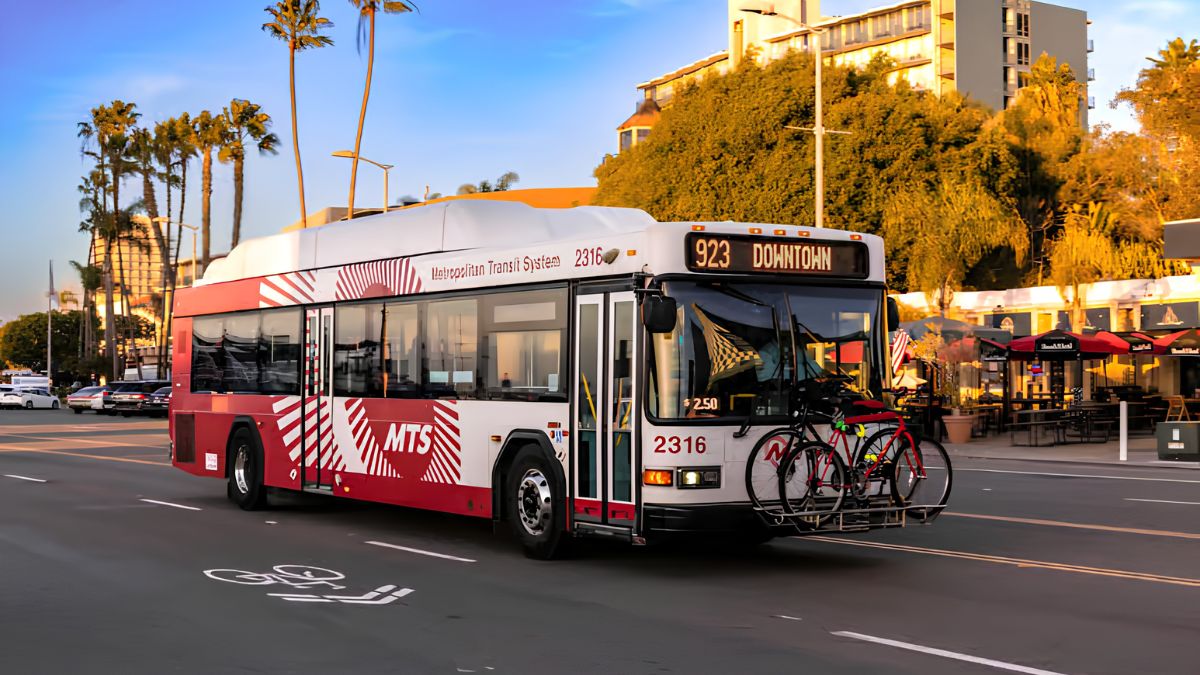
San Ysidro can be reached by car, bus, and trolley, making public transportation a practical option for some visitors.
The San Diego Metropolitan Transit System operates the San Diego Trolley’s Blue Line, which serves the San Ysidro area. The San Ysidro Transit Center is a major transportation point near the U.S.-Mexico border and connects travelers with trolley services and regional bus routes.
Before traveling, check the official San Diego Metropolitan Transit System website for current schedules, service notices, fares, and route information. Confirm your departure stop and the time of the last service if you expect to return late.
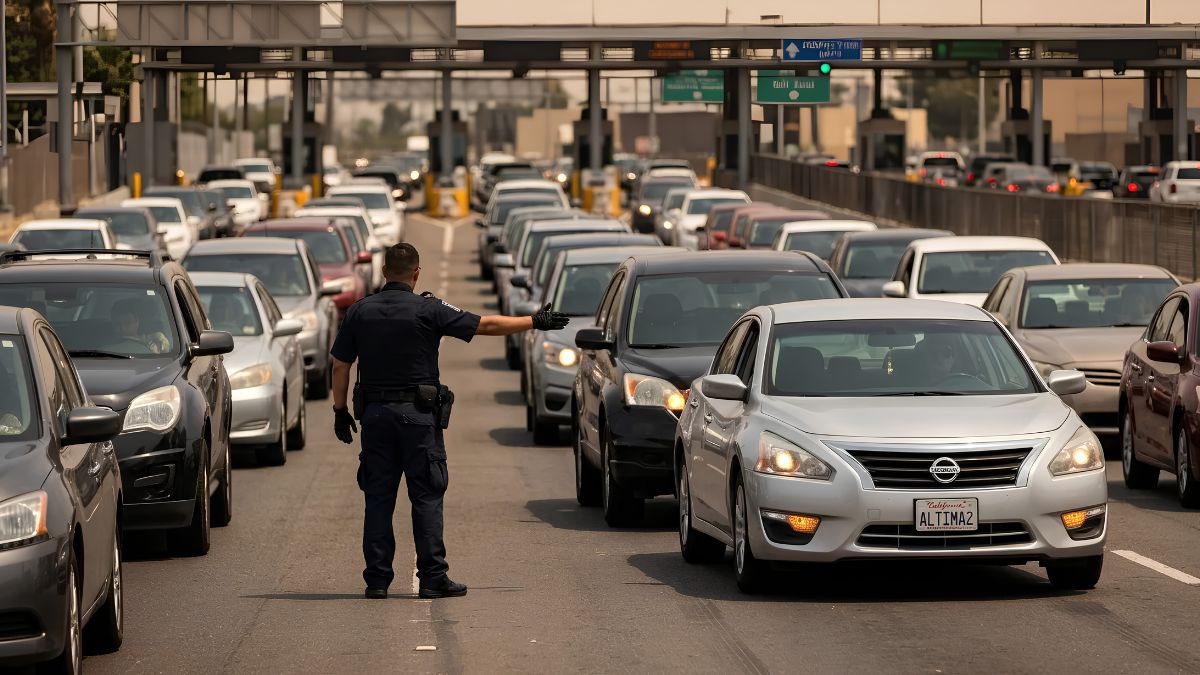
Driving may be more convenient if you are carrying shopping bags, traveling with children, or visiting several destinations that are not close together. However, traffic, parking costs, and congestion near the border can affect the overall journey.
Rideshare services and taxis may also be useful for trips between the transit center, nearby businesses, and destinations that are less convenient to reach on foot. Confirm the pickup location carefully, especially around busy transportation facilities.
If your visit involves crossing the international border, remember that driving to a border crossing is not the same as parking near it. Check the relevant crossing arrangements and transportation rules before setting out.
Parking
If you plan to drive, decide where you will park before reaching your destination. Available parking varies by property, shopping center, street, and transportation facility.
Retail centers may provide customer parking, while individual businesses may have limited spaces. Some areas have time restrictions, permit requirements, or other posted rules. Always read the signs before leaving your vehicle.
Visitors using public transportation may consider parking near a transit station where permitted and continuing by trolley. However, do not assume that every station offers unrestricted public parking or that spaces will be available at your arrival time.
For trips involving the international border, investigate designated parking facilities and their current rates, hours, and restrictions. A parking location that is convenient for one crossing or destination may not be suitable for another.
Keep valuables out of sight, lock your vehicle, and take photographs of the parking location or nearby signs if you are unfamiliar with the area. These simple steps can make it easier to find your vehicle and remember any time limits.
If you expect to stay for several hours, compare the total parking cost with the price of using public transportation or a rideshare service.
Walking
Walking can be useful for exploring nearby businesses and completing short trips, but distances should be checked before you leave your vehicle or transit stop.
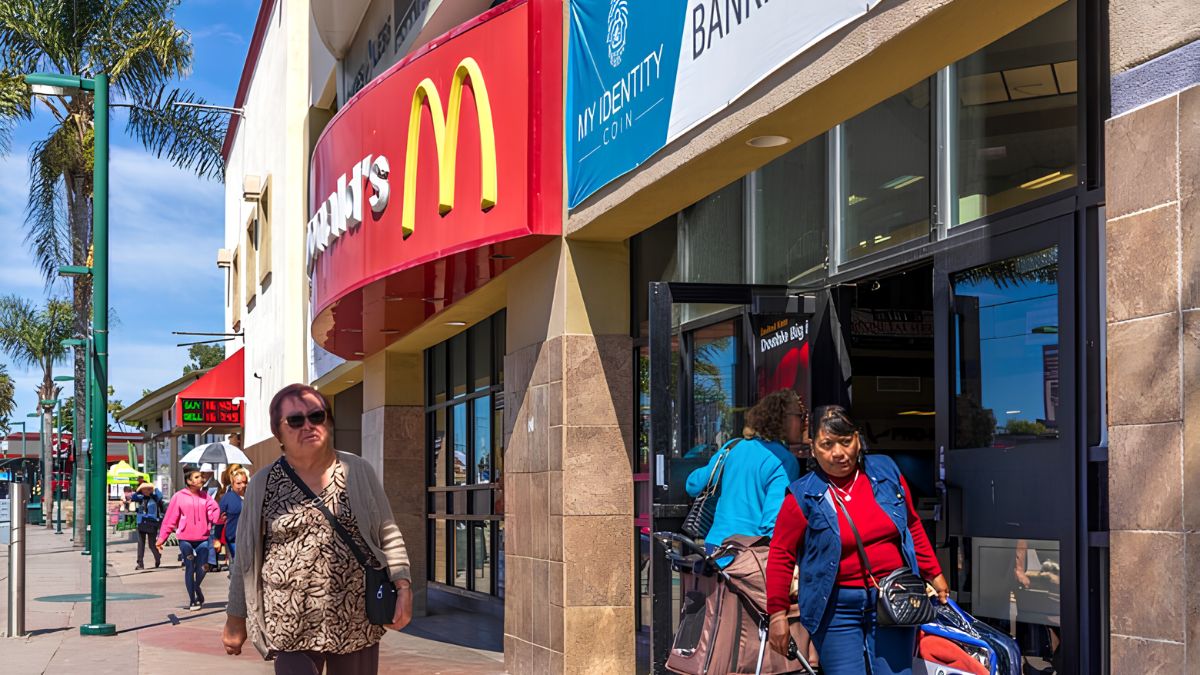
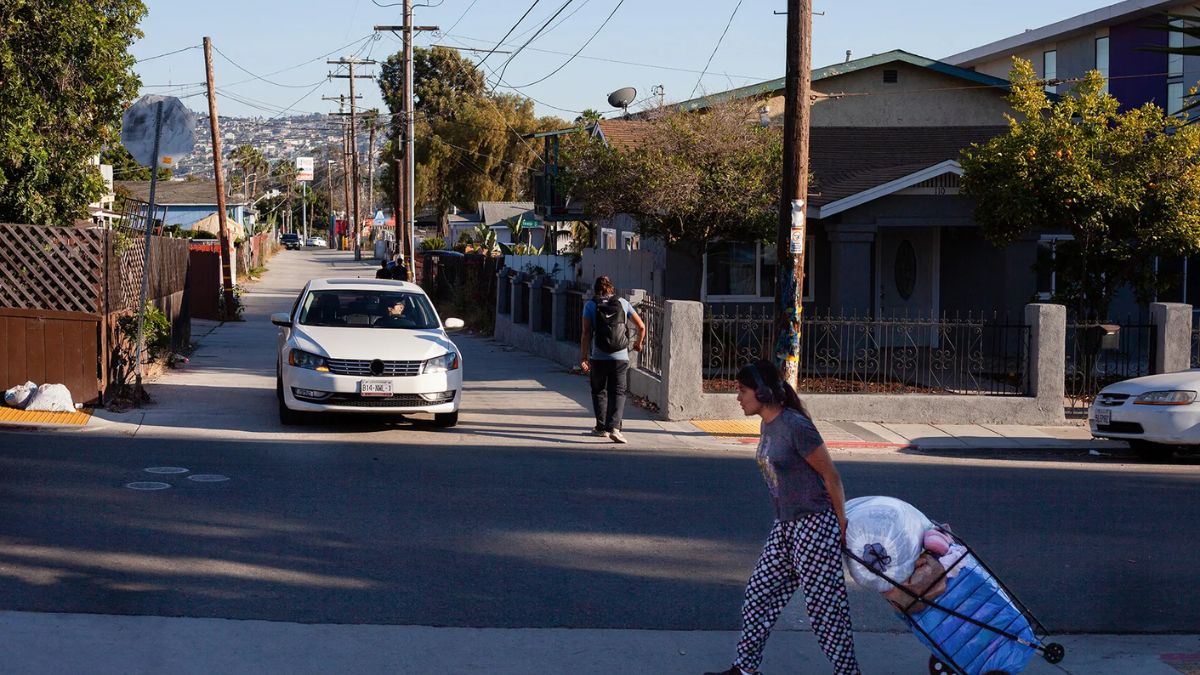
San Ysidro includes commercial areas, residential streets, major roads, and busy transportation corridors. Some destinations may appear close on a map while requiring a longer route because of intersections, road layouts, or limited pedestrian access.
Use a current mapping application to check walking directions, estimated journey times, and pedestrian crossings. Follow marked crossings and traffic signals, and avoid taking shortcuts across roads or through areas where pedestrians are not permitted.
If you are visiting several businesses, arrange them into a logical route. For example, you could park once, visit nearby shops, stop for a meal, and then return to your vehicle rather than moving it repeatedly.
Wear comfortable shoes, carry water in warm weather, and allow extra time if you are traveling with children or people who have limited mobility. Before leaving, check whether your chosen route includes steep sections, long crossings, or stretches with limited shade.
For destinations farther apart, combining walking with the trolley or a short vehicle trip may be more practical than attempting to walk everywhere.
Essentials
Before arriving, make a short list of essential stops based on your needs. These might include a restroom, pharmacy, grocery store, restaurant, ATM, or place to purchase travel supplies.
Check opening hours and addresses in advance rather than assuming that every business will be open when you arrive. Store hours may differ on weekends and holidays, and some services may close earlier than expected.
If you are visiting for shopping, consider where you will store your purchases and whether you can comfortably carry them between locations. Travelers with large bags may find it easier to use a vehicle or arrange transportation directly to their next stop.
Keep your phone charged and bring a charging cable or portable battery. Save important contact details and addresses, particularly if you are meeting someone or traveling onward from the neighborhood.
If your visit involves a medical need, identify a suitable pharmacy or healthcare facility before you arrive. For urgent emergencies in the United States, call 911.
Travelers approaching the international border should also review current official guidance on identification and travel documents. Requirements vary according to citizenship, immigration status, destination, and method of travel. The U.S. Customs and Border Protection website provides information about entering and leaving the United States, border procedures, and travel documentation.
Safety
A basic safety plan can help you move around an unfamiliar area with greater confidence. Keep your belongings secure, stay aware of traffic, and use established pedestrian routes when moving between businesses and transportation facilities.
At busy transit stops, keep bags close and avoid displaying large amounts of cash. If you are traveling alone, share your itinerary with someone you trust and agree on a convenient meeting point if your group becomes separated.
Check local weather conditions before leaving, particularly if you expect to spend much of the day outdoors. Carry water, protect yourself from the sun, and allow time to rest during longer walking trips.
Visitors who intend to cross into Mexico should check entry requirements, transportation options, and return arrangements separately. Do not assume that a U.S. transit ticket or parking arrangement automatically covers travel across the border.
It is also sensible to keep a small amount of flexibility in your schedule. Traffic delays, long queues, unexpected closures, or changes in your plans may affect the order in which you complete your stops.
Itinerary
A simple itinerary can help you make the most of your visit without scheduling too many activities.
| Stage | Suggested activity | Planning consideration |
|---|---|---|
| Before arrival | Check transport, addresses, and opening hours | Confirm current travel information |
| Morning | Reach your main destination | Allow time for traffic or transit connections |
| Late morning | Visit nearby shops or essential services | Group stops by location |
| Midday | Take a meal or rest break | Check opening hours and seating availability |
| Afternoon | Complete remaining errands or visits | Allow time to return to your vehicle or station |
| Departure | Travel to your next destination | Check traffic or the next transit departure |
This is a flexible framework rather than a fixed sightseeing route. Your schedule may need to change if you are traveling to the border, attending an appointment, or visiting a particular business.
Before departing, check the latest transit schedules, parking conditions, and traffic information. For public transportation, the MTS website is a useful starting point. For road travel, use a current navigation service and follow posted traffic instructions.
A successful first visit to San Ysidro depends largely on knowing where you need to go and choosing the most practical way to get there. Planning transportation, checking parking restrictions, mapping pedestrian routes, and identifying essential services in advance can reduce unnecessary detours and make your day easier to manage. With a realistic itinerary and a little flexibility, you can navigate the area more efficiently, whether you are shopping locally, visiting someone, or continuing your journey toward the international border.
FAQs
What is the easiest way to reach San Ysidro?
The trolley, regional buses, and private vehicles are common options.
Is public transportation available in San Ysidro?
Yes. The San Diego Trolley Blue Line and regional bus services serve the area.
Where should I park in San Ysidro?
Check designated parking facilities, shopping center rules, and posted restrictions.
Is San Ysidro suitable for walking?
Some areas are walkable, but check distances and pedestrian routes before leaving.
What should I check before crossing the border?
Review current travel document requirements and official border guidance.