San Ysidro, a community in southern San Diego near the United States-Mexico border, offers visitors an inviting introduction to Mexican food and the traditions behind it. From freshly prepared tacos and comforting bowls of pozole to grilled meats, handmade tortillas and regional specialties, the local dining scene reflects the deep cultural connections between Southern California and northern Mexico.
For first-time visitors, looking Mexican food here is about more than choosing something from a menu. It is an opportunity to discover familiar ingredients prepared in different ways, learn about regional cooking styles and experience the everyday dining habits that shape local food culture. Whether you are stopping for a quick lunch, planning a casual dinner or looking for a new dish to try, a little preparation can make the experience more enjoyable.
Origins
Mexican cuisine has developed over centuries, combining Indigenous food traditions with ingredients and techniques introduced through Spanish colonization and later cultural exchanges. Corn, beans, chiles, tomatoes, squash and herbs remain important ingredients, while regional cooking styles give individual dishes their distinctive character.
In San Ysidro, proximity to Tijuana and the wider Baja California region contributes to the area’s cross-border food culture. Visitors may encounter dishes associated with northern Mexico alongside specialties from other parts of the country. The result is a dining landscape that can include familiar street foods, family-style meals, seafood dishes and contemporary interpretations of traditional recipes.
It is useful to remember that Mexican cuisine is not one uniform style of cooking. Food from Oaxaca can differ significantly from dishes associated with Jalisco, Yucatán or Baja California. Even a familiar dish such as a taco may vary in its tortilla, filling, seasoning, toppings and preparation method.
Menus
Mexican restaurant menus can appear extensive to newcomers, especially when several dishes share similar ingredients. Understanding a few common terms makes ordering easier.
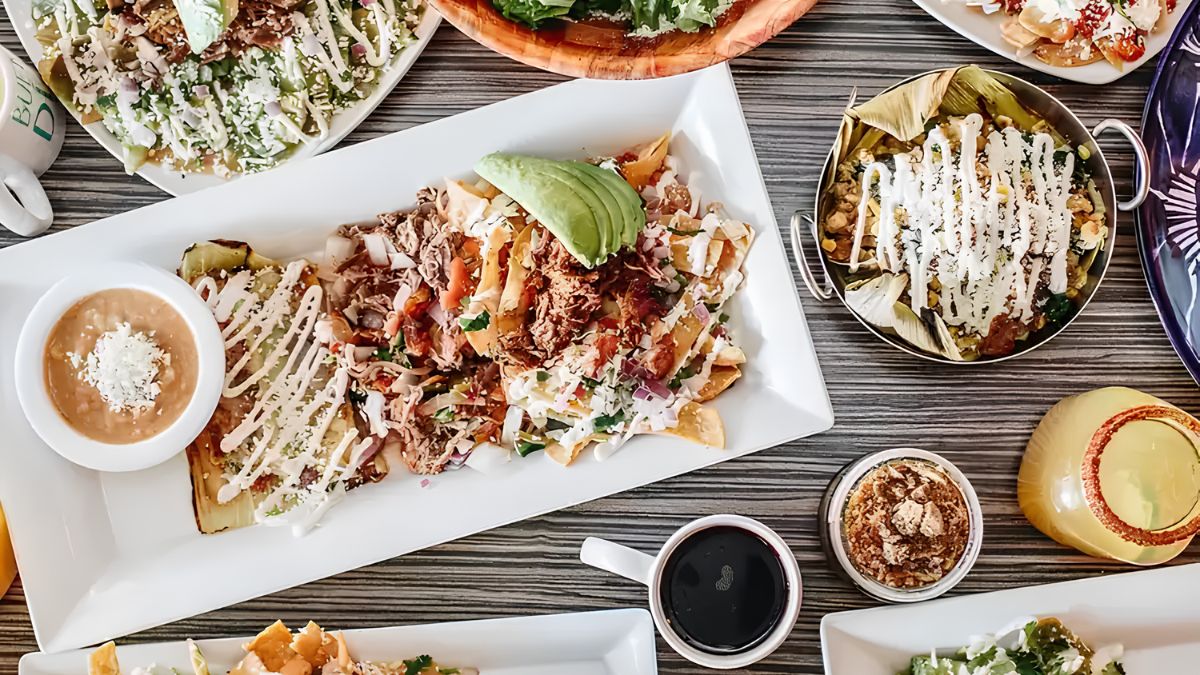
Tacos are usually made with small tortillas filled with meat, seafood, vegetables or other ingredients. They may arrive with onions, cilantro, salsa and lime, although toppings vary by restaurant. Burritos generally use larger flour tortillas wrapped around fillings such as rice, beans, meat and vegetables. Enchiladas feature tortillas filled or rolled around ingredients and covered with sauce, while quesadillas combine tortillas with melted cheese and sometimes meat, mushrooms or other fillings.
Visitors may also see tortas, which are Mexican sandwiches commonly served on a soft roll, and tostadas, which use a crisp tortilla as a base for toppings. Tamales are made from masa, a dough traditionally prepared from corn, wrapped in a corn husk or banana leaf and cooked until firm.
Pay attention to the menu description rather than assuming every restaurant prepares a dish in the same way. A taco can be simple and traditional, while another version may include elaborate toppings or a house-made sauce. If a description is unfamiliar, asking the staff is a practical way to learn what makes the dish special.
Specialties
San Ysidro’s location makes Baja California food traditions particularly relevant to visitors. The broader region is known for seafood, grilled meats and casual dishes that work well for quick meals.
Fish tacos are among the best-known Baja-style specialties. They often feature battered or grilled fish, shredded cabbage, creamy sauce and lime served in a tortilla. Recipes differ, so the texture and toppings may vary from one restaurant to another. Seafood lovers may also find shrimp tacos, ceviche or other preparations featuring fresh seafood.
Carne asada is another popular choice. The dish typically features beef grilled over high heat, then chopped or sliced and served in tacos, burritos or plates with rice, beans and other accompaniments. Its appeal comes from the combination of smoky grilled flavor, seasoning and fresh toppings.
Birria, a slow-cooked meat dish associated particularly with Jalisco, has also become widely popular in many Mexican food communities. It is often served as a stew or used as a taco filling. Some restaurants offer tacos dipped or cooked in the flavorful broth, but preparations can differ.
Other dishes worth recognizing include pozole, a hearty soup made with hominy and meat; menudo, a traditional soup commonly prepared with beef tripe; and tamales, which may be filled with meat, cheese, chiles or other ingredients. Availability depends on the restaurant and sometimes the day, so it is worth checking whether a dish is part of the regular menu or a daily special.
Ingredients
Learning a few staple ingredients can help you understand why Mexican dishes taste the way they do. Corn is central to many traditional foods, including tortillas, tamales and masa-based snacks. Flour tortillas are also widely used, particularly in northern Mexican and border-region cooking.
Chiles contribute different levels of heat, but they also provide flavor, color and depth. Some are mild and earthy, while others deliver a sharper burn. Salsa may be made with tomatoes, tomatillos, onions, cilantro, lime and different types of chile. A green salsa is not necessarily milder than a red one, so ask about the heat level if you prefer less spice.
Beans, rice, avocado, lime, fresh herbs and grilled vegetables frequently accompany main dishes. Slow-cooked meats may be seasoned with dried chiles, spices and aromatics, while seafood dishes often use citrus and fresh garnishes to balance their flavors.
If you have dietary restrictions, ask about ingredients before ordering. Cheese, crema, cooking oils, marinades and sauces can affect whether a dish suits a vegetarian, vegan or dairy-free diet. Corn tortillas are common, but cross-contact and preparation practices vary, so anyone managing a serious allergy or gluten-related condition should confirm details directly with the restaurant.
Ordering
A relaxed approach usually works best when trying Mexican food for the first time. Start by deciding whether you want a quick bite, a filling plate or a meal you can share. Tacos can be a useful introduction because they let you sample different fillings without committing to a large portion of one dish.
If you are dining with others, consider ordering several dishes to share when the restaurant permits it. This makes it easier to compare different preparations and discover which flavors you enjoy. For example, a group might try carne asada tacos, a seafood option and a traditional soup rather than ordering the same meal for everyone.
Do not hesitate to ask questions. You can ask whether a dish is spicy, how it is traditionally served or which salsa pairs well with a particular filling. If you are unsure about portion sizes, ask whether an order includes one taco, several tacos or side dishes.
Menus may use Spanish names without full English descriptions. A translation app can help with unfamiliar words, but a brief conversation with the staff often provides more useful context. Being open about your preferences is better than ordering something you may not enjoy simply because you do not want to ask.
Traditions
Mexican dining traditions often emphasize fresh preparation, shared food and a balance of textures and flavors. A meal may bring together warm tortillas, grilled or stewed fillings, fresh salsa, lime and a selection of sides. Rather than treating every element as separate, diners combine them according to personal taste.
Street-food traditions are particularly important across many Mexican communities. Tacos, tamales and other portable foods offer convenient meals while showcasing techniques that can be refined over generations. In a border community such as San Ysidro, casual dining can be part of everyday life, whether someone is grabbing lunch, meeting friends or picking up food for the family.
Meal timing and restaurant routines vary. Some places focus on breakfast and lunch, while others are better suited to dinner. Certain soups, stews or specialty dishes may be more common on particular days, and some restaurants may sell out of popular items. Checking current opening hours and asking about daily specials can help avoid disappointment.
Visitors should also be mindful that food traditions are diverse. Not every Mexican restaurant serves the same regional dishes, and not every family follows identical customs. Approaching each meal with curiosity allows you to appreciate the variety without assuming that one restaurant represents the entire cuisine.
Etiquette
Most casual restaurants in San Ysidro are accustomed to serving a broad mix of local residents and visitors. A friendly greeting, patience during busy periods and clear communication about your order go a long way.
If a restaurant offers complimentary salsa, chips or other accompaniments, check whether they are included with the meal or charged separately. Portion sizes can vary, so ordering a little at first may be sensible if you plan to sample several dishes.
Tipping practices in the United States differ from those in Mexico. At a traditional sit-down restaurant in San Ysidro, a tip is generally expected for table service, with the amount depending on service quality and local norms. Counter-service expectations may differ. Review the bill to see whether a gratuity or service charge has already been added.
If you want to photograph a dish or the dining space, be considerate of other customers and staff. A quick question is especially appropriate when photographing people or a family gathering. Respectful curiosity helps make the experience pleasant for everyone.
Planning
A little planning can help you get more out of a food-focused visit. Decide how much time you have, whether you prefer a sit-down meal or a quick stop, and whether anyone in your group has dietary needs. If you are visiting during a busy period, check opening hours before traveling and allow extra time for parking or getting around the neighborhood.
You can also use official tourism resources to learn more about the surrounding area. The San Diego Tourism Authority provides general visitor information, while Visit California offers broader travel guidance. For information about San Diego’s public transportation network, including services that can help you plan local journeys, consult the San Diego Metropolitan Transit System.
Avoid assuming that a restaurant is open simply because an older online listing says so. Check the restaurant’s current information when possible, especially if you are traveling specifically to try a particular dish. If a specialty is the main reason for your visit, call ahead to ask whether it is available that day.
Most importantly, leave room for discovery. A restaurant recommendation, a daily special or an unfamiliar item on the menu may turn out to be the most memorable part of your visit. You do not need to know every culinary term in advance; a willingness to ask questions and try something new is often enough.
Exploring Mexican food in San Ysidro is a chance to experience the relationship between regional ingredients, family cooking, border culture and everyday dining. Begin with a dish you recognize, add something unfamiliar, and take time to notice the differences in seasoning, texture and preparation. With a little curiosity and respect for local traditions, even a short meal can offer a meaningful introduction to the area’s food culture.
FAQs
What Mexican foods should first-time visitors try in San Ysidro?
Tacos, carne asada, fish tacos, tamales and birria are good options to explore.
Is San Ysidro known for Baja-style food?
Its border location makes Baja California specialties, including seafood dishes, relevant to local food culture.
How can I tell whether a dish is spicy?
Ask the restaurant staff about the chile, salsa and seasoning used in the dish.
Are vegetarian options available at Mexican restaurants?
Many menus include beans, vegetables, rice and cheese-based dishes, but ingredients vary by restaurant.
Should I check restaurant hours before visiting?
Yes. Check current hours and ask ahead if you want to try a particular specialty.