
Moving to San Ysidro can offer access to a distinctive border community in southern San Diego, with connections to nearby neighbourhoods, local businesses and the wider San Diego region. However, finding the right place to live involves more than comparing rental listings or checking the distance to work. Housing costs, transportation options, nearby services and everyday convenience all influence how comfortable and affordable life may be after the move.
San Ysidro’s location near the United States-Mexico border can be an advantage for people who travel between communities, work locally or need access to regional transportation. At the same time, travel times, parking, household expenses and access to essential services can vary depending on the specific street and property.
Before signing a lease or making a home purchase, research the neighbourhood carefully and compare your likely monthly expenses with your daily needs. A little preparation can help you avoid unexpected costs and choose a home that fits your routine, budget and long-term plans.
Housing
Housing should be one of the first factors you investigate because it will probably account for a substantial share of your monthly spending. San Ysidro offers different types of housing, and the cost of a property can depend on its size, condition, location, parking arrangements and included amenities.
Begin by comparing current listings for apartments, condominiums, townhomes and houses that match your needs. Look beyond the advertised rent or purchase price. A lower-cost property may require more spending on utilities, transportation, repairs or parking, while a slightly more expensive home may include amenities that reduce other expenses.
For renters, check the security deposit, application charges, lease length, pet policies and rules about additional occupants. Ask which utilities are included in the rent and which must be paid separately. Confirm the process for reporting maintenance problems and find out who is responsible for appliances, plumbing issues and other repairs.
Homebuyers should research property taxes, homeowners insurance, potential homeowners association fees and maintenance expenses. If a property is part of a condominium or planned development, review the association’s rules and recurring charges before making a decision.
It is also useful to compare the total monthly cost of different properties rather than focusing only on rent or mortgage payments. Include utilities, internet service, parking, insurance and estimated transportation expenses. This approach provides a more realistic picture of affordability.
Budget
A household budget helps you understand whether a property will remain affordable after moving costs and everyday expenses are included. Housing is important, but groceries, healthcare, transportation, utilities and childcare can also influence your financial position.
Create a list of expected monthly expenses before choosing a property. If you are moving from another city, check whether your current spending habits will change. For example, a home close to public transportation might reduce fuel and parking costs, while a property farther from work could increase commuting expenses.
The following example illustrates how two hypothetical housing options might compare for a renter. These figures are for planning purposes only and are not current market quotes for San Ysidro.
| Monthly expense | Home A | Home B |
|---|---|---|
| Rent | $1,900 | $2,150 |
| Utilities | $180 | $130 |
| Internet | $60 | $60 |
| Transportation | $250 | $150 |
| Parking | $100 | $0 |
| Estimated monthly total | $2,490 | $2,490 |
In this example, Home B has higher rent but lower utility, transportation and parking expenses. The estimated monthly totals are equal, showing why comparing rent alone can be misleading.
Your actual costs will depend on the property, household size, travel habits and service providers. Use current listings and realistic estimates to build your own comparison. You should also set aside money for moving expenses, deposits, furniture, emergency repairs and other one-time costs.
Transport
Transportation can significantly affect everyday convenience in San Ysidro. Before moving, determine how you will travel to work, school, medical appointments, shopping areas and other places you visit regularly.
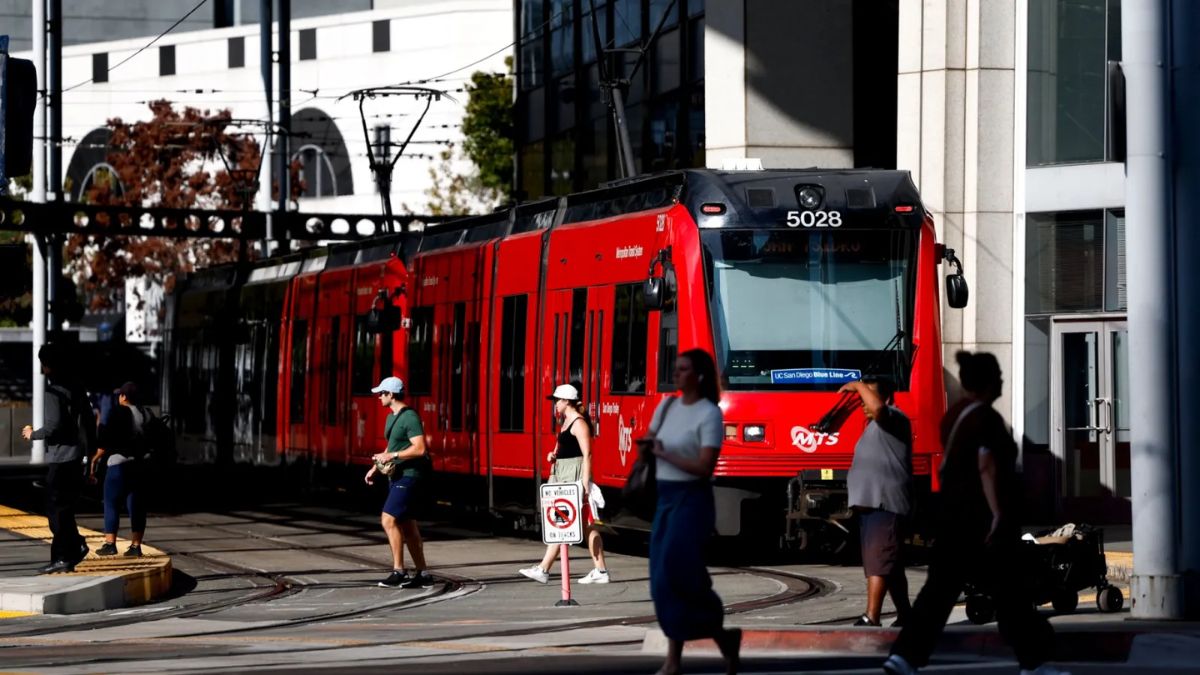
The San Diego Metropolitan Transit System operates public transportation services in the region, including trolley and bus connections. Check current routes, schedules, fares and service notices to understand whether public transit will meet your needs.
Do not rely solely on a map showing the nearest station or bus stop. Walk the route if possible, consider how long it takes to reach the stop and check whether the schedule matches your working hours. If you expect to travel late at night or early in the morning, verify service availability at those times.
Drivers should assess commute times during the hours they will normally travel. Traffic conditions can change substantially between morning, afternoon and evening periods. Test the journey to work or school at a realistic time rather than assuming a short distance will always mean a quick trip.
Parking also deserves attention. Ask whether your home includes a dedicated space, whether street parking has restrictions and whether overnight parking rules apply. If you own more than one vehicle, confirm that the available arrangements are suitable for your household.
For people who regularly cross the international border, investigate the specific route and travel requirements relevant to their circumstances. Border crossing times can fluctuate, so avoid treating a single journey as a reliable estimate of every future trip. Official resources such as U.S. Customs and Border Protection’s Border Wait Times can help travellers review current information.
Services
Access to everyday services is another important consideration. A convenient home should make it reasonably easy to reach groceries, pharmacies, healthcare providers, schools and other facilities your household uses regularly.
Start by identifying the services you need most. Families with children may prioritise schools, childcare and parks, while older residents may value nearby medical facilities, pharmacies and accessible transportation. People who work from home may focus more on internet availability, quiet surroundings and convenient access to groceries.
Use maps and official service directories to identify nearby options, then verify their details directly. A location marker does not necessarily tell you whether a facility accepts new patients, offers the services you need or operates at convenient hours.
Healthcare deserves particular attention. Check the locations of primary care providers, urgent care facilities and pharmacies, and confirm whether they accept your health insurance where applicable. If someone in your household has ongoing medical needs, consider the distance to appropriate specialist services as well.
Families should investigate school assignment information and enrolment requirements through the relevant school district rather than assuming that the nearest school is automatically the assigned school. Check childcare availability early, as some programmes may have waiting lists or specific eligibility rules.
For official local information, the City of San Diego website can help you locate municipal services, departments and community resources. Confirm service boundaries and eligibility requirements when researching a particular address.
Convenience
Everyday convenience often depends on small details that are easy to overlook during a property search. A home may appear ideal online but feel less suitable once you consider noise, walking routes, shopping trips and access to essential facilities.
Think about how you normally spend a weekday. Can you reach a grocery store without a long drive? Is there a practical route to work? Are parks, recreation facilities or places to exercise available nearby? If you regularly pick up children or care for relatives, consider how these responsibilities will fit into your travel schedule.
Visit the area at different times of day if possible. Morning traffic may reveal commuting challenges, while an evening visit can help you assess noise, lighting and general activity. Weekends may present different parking and shopping conditions from weekdays.
Walk around the immediate area and look at sidewalks, crossings, street lighting and access for people with mobility needs. If you rely on walking or cycling, check whether routes feel practical for your everyday journeys rather than just occasional trips.
Also consider the location of essential shops and services in relation to your actual routine. A supermarket a short drive away may be convenient for someone with a car but less useful for a household that relies on public transit. The best location is the one that works for the way you live.
Safety
Safety research should be based on several sources rather than a single online rating or isolated report. Conditions can differ from one street to another, and statistics may not capture every factor that influences how comfortable residents feel in an area.
Review available public safety information from official sources, and consider visiting the neighbourhood at different times. Pay attention to street lighting, pedestrian access, traffic conditions and the general upkeep of shared spaces. If possible, speak with current residents about practical concerns such as parking, noise and building maintenance.
For rental properties, inspect doors, windows, locks, smoke alarms and exterior access points. Ask how the building handles maintenance requests and whether common areas are routinely maintained. For a house, consider outdoor lighting, secure storage and any repairs that could affect safety or insurance.
It is important to distinguish between general neighbourhood information and the specific conditions of a property. An area-wide statistic cannot guarantee what an individual resident will experience, just as one person’s account cannot describe an entire community.
Research
A structured research process can help you compare several properties without overlooking important details. Create a shortlist based on your budget, preferred housing type and travel requirements, then investigate each option using the same criteria.
| Research area | What to verify | Why it matters |
|---|---|---|
| Housing | Rent or price, deposits, fees and maintenance | Helps establish the true housing cost |
| Transportation | Transit routes, commute times and parking | Reveals how practical daily travel will be |
| Services | Healthcare, groceries, schools and childcare | Shows how easily you can meet household needs |
| Convenience | Walking routes, shopping and recreation | Helps assess daily comfort |
| Safety | Official information, lighting and property security | Supports a more informed assessment |
| Connectivity | Internet providers and mobile coverage | Matters for work, study and communication |
| Lease or purchase terms | Contract conditions and obligations | Helps avoid costly misunderstandings |
For renters, read the full lease before signing and make sure verbal promises are documented where appropriate. Record the property’s condition during move-in and understand the process for requesting repairs.
Homebuyers should consider a professional inspection and review relevant property disclosures. Depending on the property, it may also be appropriate to investigate insurance availability, drainage, noise, parking restrictions or other location-specific concerns.
If you are relocating from outside California, allow time to understand local rental practices, utility arrangements and any relevant registration or administrative requirements. Confirm current requirements with the responsible agencies rather than relying on outdated advice.
Decisions
After gathering the information, compare your shortlisted properties against your most important needs. You might score each one for affordability, transportation, access to services, convenience and suitability for your household.
Assign greater importance to the factors that affect your life most directly. For someone commuting by trolley, access to a suitable transit route may outweigh having a larger living room. For a family with young children, school access, childcare and safe walking routes may be more important than proximity to nightlife or major shopping areas.
Avoid making a decision based on photographs or advertised features alone. Visit the property, ask questions and check the surrounding area. If you cannot visit in person, request a live video tour and ask someone you trust to inspect the location where possible.
Moving to San Ysidro can be a practical choice for households that value its location and regional connections, but the right fit depends on individual circumstances. Research housing costs carefully, test your likely commute, confirm access to essential services and assess the area in person whenever possible. By comparing the full cost of living and the realities of everyday travel, you can make a more confident decision about where to settle and how to plan your new life.
FAQs
What should I research before moving to San Ysidro?
Compare housing costs, transportation, local services, safety and everyday convenience.
How can I check public transportation in San Ysidro?
Review current routes, schedules and fares through the San Diego MTS website.
Should I compare more than the monthly rent?
Yes. Include utilities, parking, transportation, insurance and other recurring costs.
How can I research nearby schools and healthcare?
Use official school district and healthcare provider resources to verify locations and eligibility.
Is it worth visiting a property before moving?
Yes. Visiting helps you assess the property, commute, noise, parking and nearby services.