San Ysidro occupies a distinctive position at the southern edge of San Diego, directly beside the international border with Mexico. Its location has influenced how residents travel, work, shop, access services and maintain relationships across national boundaries. For generations, the community has developed within a setting where international movement is not simply a feature of geography but part of everyday life.
The border has helped shape San Ysidro’s economy, transportation infrastructure, cultural identity and connections with neighbouring Tijuana. At the same time, changes in border security, traffic management and regional development have affected how people move through the area and organise their daily routines. Understanding this relationship offers a clearer picture of why San Ysidro differs from many other communities in Southern California.
History
San Ysidro’s development is closely connected to the history of the United States-Mexico border. Before modern border controls and transportation systems took their current form, the wider region was shaped by Indigenous communities, Spanish colonial rule, Mexican governance and the eventual establishment of the international boundary between the United States and Mexico.
The boundary itself changed political geography, but it did not eliminate the connections between people living on either side. Families, businesses and communities continued to develop relationships across the region. Over time, San Ysidro became an important point of contact between San Diego County and Tijuana, which grew into a major urban centre in northern Baja California.
As population and commercial activity expanded, the border crossing became increasingly significant for daily travel and regional commerce. San Ysidro developed around this movement, with transportation infrastructure, retail businesses and public services responding to the needs of residents and visitors.
The community’s history therefore cannot be understood through geography alone. It also reflects changing immigration policies, economic opportunities, public infrastructure and the experiences of people whose lives connect the two sides of the border.
Geography
San Ysidro’s location gives it a role that is both local and international. It is part of the City of San Diego, yet it sits immediately beside Tijuana, making cross-border movement a visible feature of the surrounding landscape.
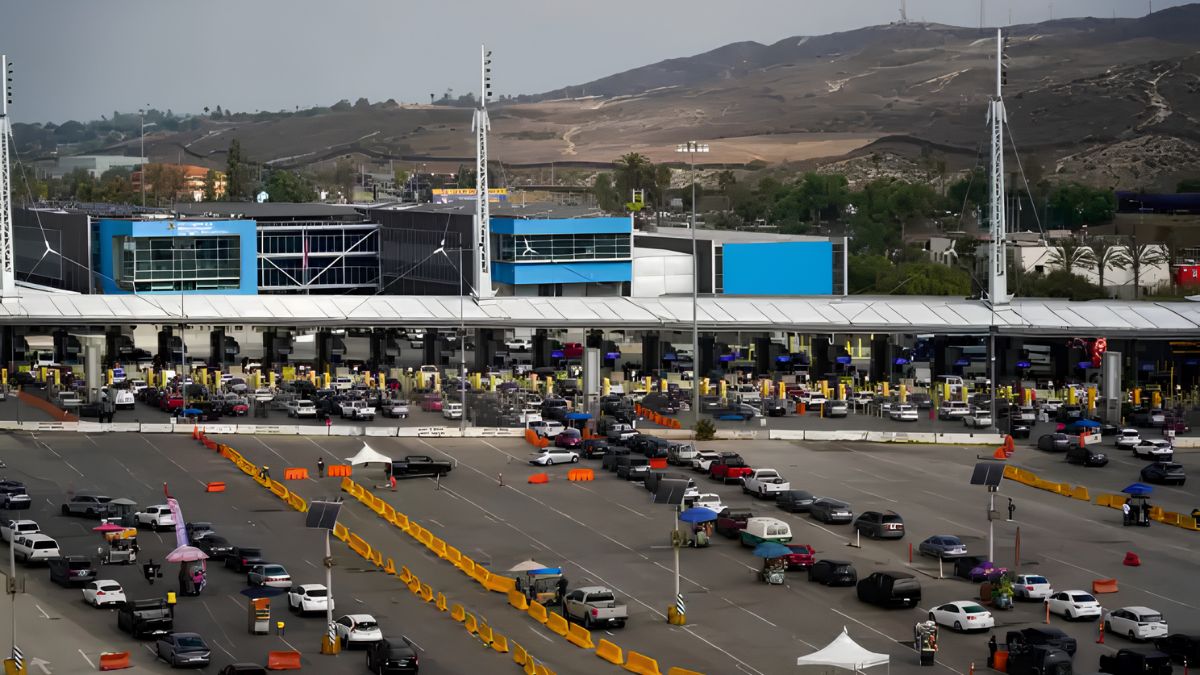
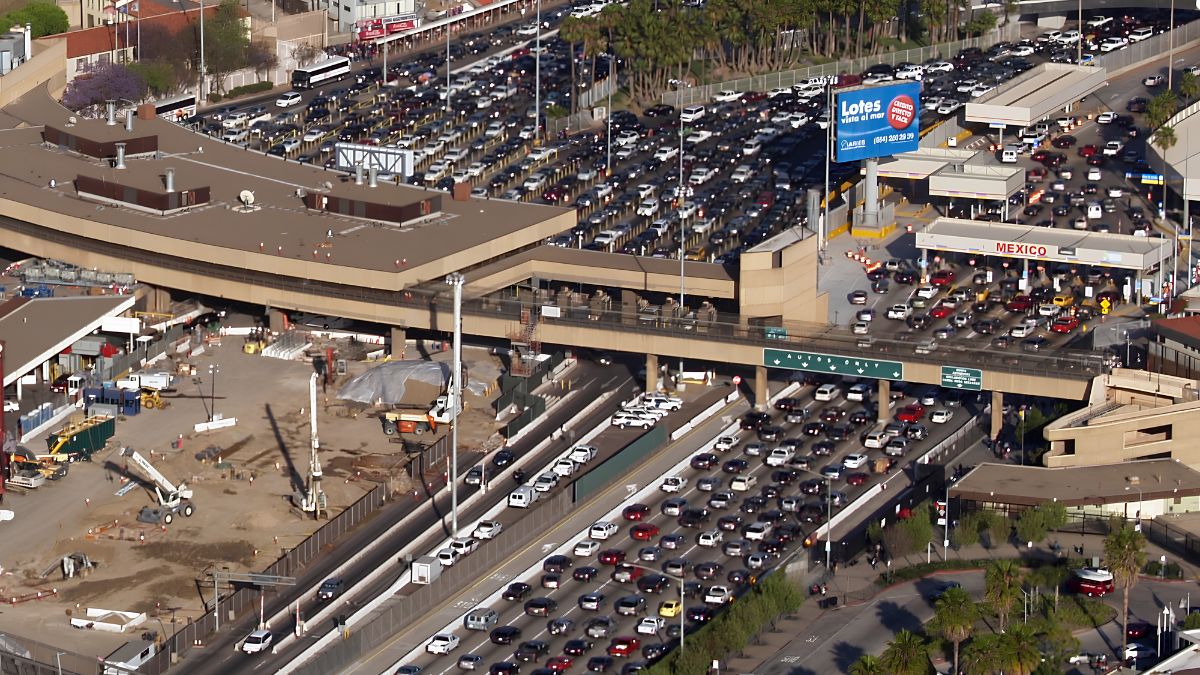
The San Ysidro Port of Entry is one of the most prominent border crossings between the United States and Mexico. It accommodates substantial passenger movement, including people travelling by vehicle and on foot, as well as other authorised forms of crossing. Its scale has influenced the surrounding road network, commercial activity and public planning.
This geography creates practical advantages for some residents. People with appropriate travel documents may be able to reach workplaces, relatives, shops or services across the border. Businesses can also benefit from customers and visitors who travel between the two countries.
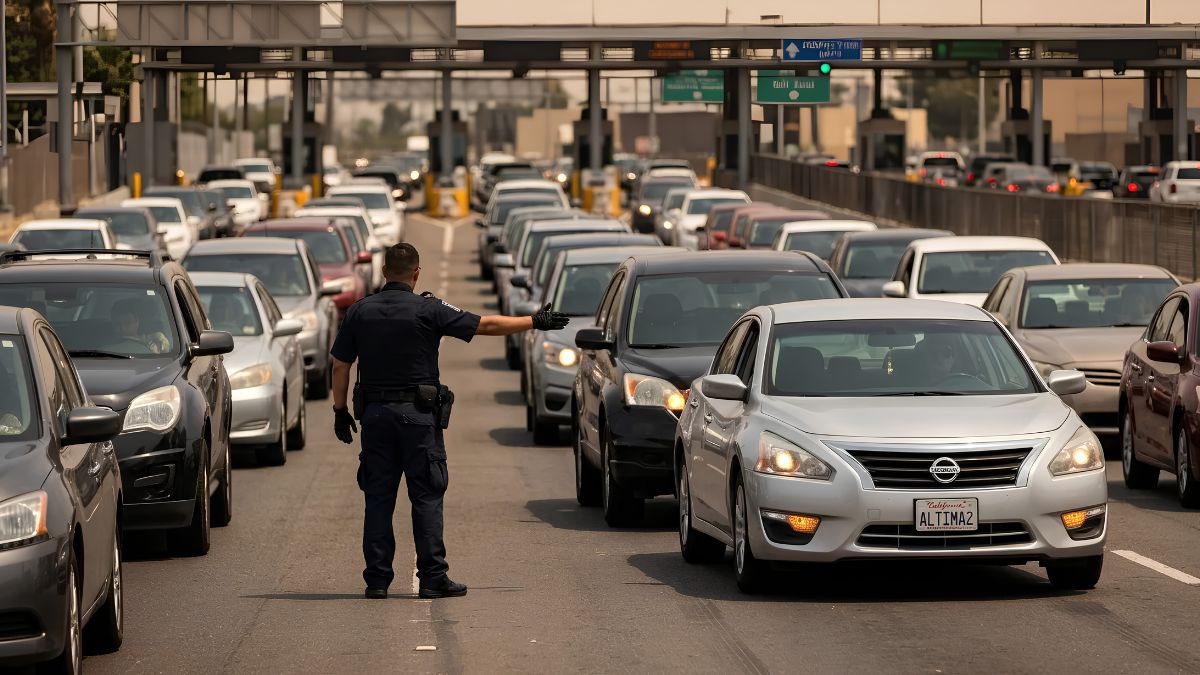
However, proximity does not necessarily mean that journeys are quick or simple. Border inspections, traffic conditions, documentation requirements and changing operating procedures can affect travel times. A destination that appears close on a map may require substantial additional time when crossing procedures are involved.
San Ysidro’s position illustrates how an international boundary can function simultaneously as a connection and a barrier. It brings communities into close contact while introducing procedures that influence when, how and why people travel.
Transportation
Transportation is one of the clearest ways the border has shaped everyday life in San Ysidro. The area accommodates local trips within San Diego, regional journeys and international travel to and from Tijuana. These different types of movement share roads, public transportation connections and pedestrian routes.
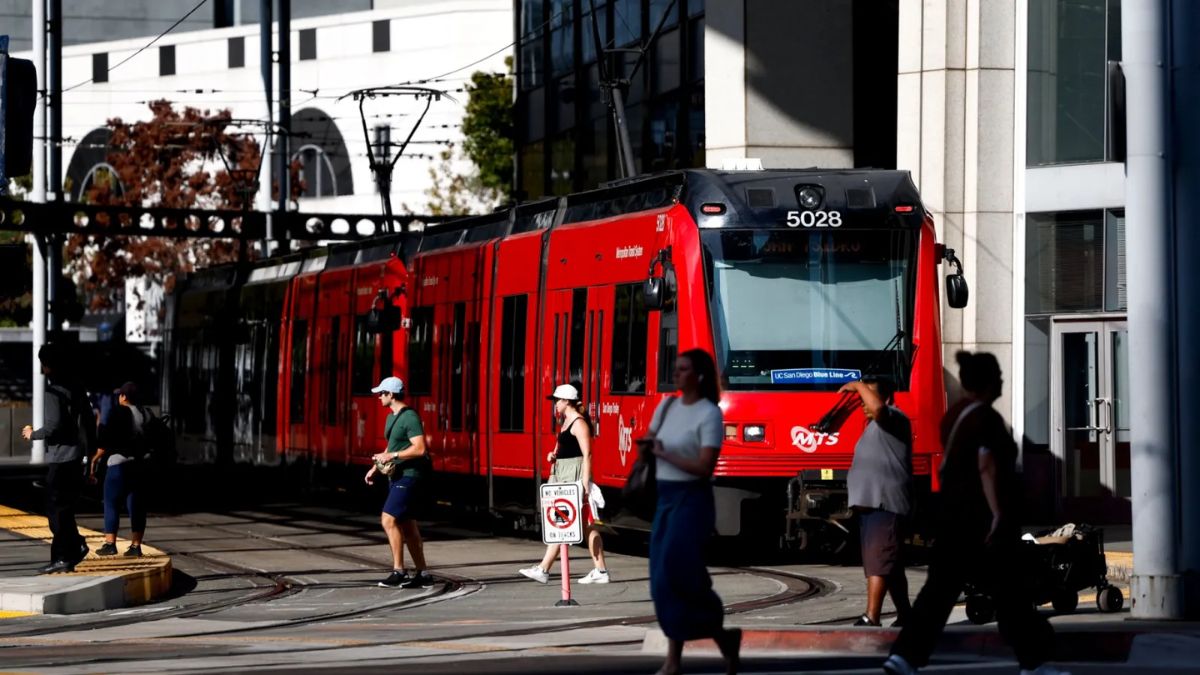
The San Diego Metropolitan Transit System operates the Trolley network, with the Blue Line serving San Ysidro and connecting the area with other parts of the region. The line provides an alternative to driving for many local and regional journeys. For some passengers, it also offers a practical way to reach the border area without searching for parking near the crossing.
Bus services contribute to local connections, linking neighbourhoods with shopping areas, employment destinations and transit hubs. Drivers use regional roads and highways, while pedestrians navigate routes associated with the border crossing and nearby businesses.
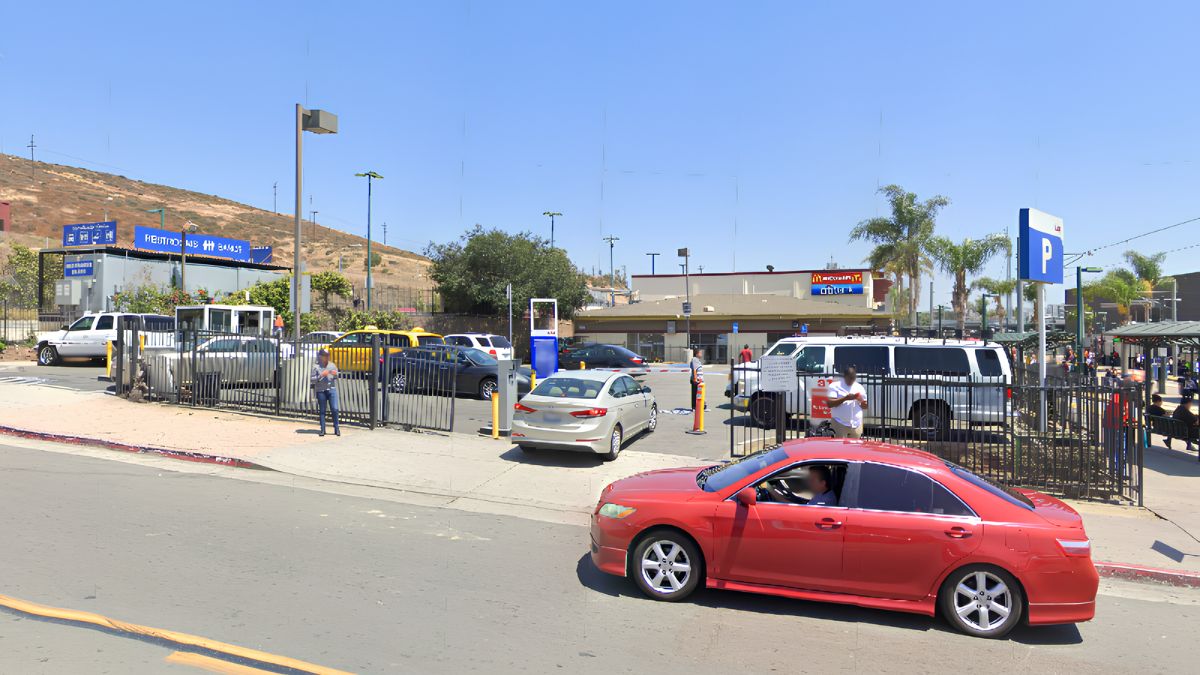
The presence of these different travel options means that transportation planning must consider more than the movement of private cars. Pedestrian access, transit transfers, passenger pickup areas, parking demand and connections between services all affect how efficiently people move through the community.
For current route information and service updates, residents can consult the San Diego Metropolitan Transit System. Transit schedules and fares can change, so checking official information is useful when planning a journey.
Commerce
Cross-border movement has contributed to the commercial character of San Ysidro. The presence of the international crossing brings travellers, shoppers and other visitors into the area, creating demand for retail stores, restaurants, parking facilities and services.
Local businesses may serve several types of customers: nearby residents, people travelling to or from Mexico, regional visitors and workers passing through the area. This mix can create opportunities for businesses that offer convenient shopping, food, personal services and other everyday needs.
Retail activity near the border is also influenced by wider economic conditions. Exchange rates, consumer spending, transportation costs and border processing times can affect where people choose to shop. Changes in traffic patterns or crossing procedures may influence how long visitors remain in the area and which businesses they use.
Not every business benefits equally from international movement. Some rely heavily on passing traffic, while others depend mainly on local residents and regular customers. The commercial experience of San Ysidro is therefore varied, reflecting both the border economy and the needs of a residential community.
The border also connects the area to wider supply chains and business relationships. However, commercial activity should not be confused with the experiences of individual residents, whose employment and shopping patterns may be shaped by many factors beyond international travel.
Culture
San Ysidro’s cultural identity reflects its place within a region where Mexican and American influences meet through family relationships, language, food, traditions and everyday social interaction. These connections are not simply a result of tourism or commerce. For many people, they are part of ordinary life.
Families may have relatives on both sides of the border, while residents may maintain friendships, attend events or participate in cultural activities connected to communities in both countries. Spanish and English are widely relevant in the broader border region, and bilingual communication can be useful in workplaces, schools, shops and public services.
Food is another visible expression of these cultural connections. Restaurants, bakeries, markets and casual eateries may reflect regional Mexican traditions alongside broader Southern California dining influences. These establishments can serve as places where residents meet, families gather and visitors experience the area’s food culture.
Cultural connections should not be treated as uniform across the community. Residents have different backgrounds, histories, languages and relationships with the border. Some cross frequently, while others rarely travel internationally. Some have lived in the area for generations, while others have arrived more recently.
The border contributes to San Ysidro’s identity, but it does not define every resident’s experience. Community life also includes schools, neighbourhood organisations, recreation, religious institutions and local activities that are not directly tied to crossing the international boundary.
Families
For households with relatives in both San Diego and Tijuana, the border can shape family routines in significant ways. Birthdays, holidays, caregiving responsibilities and other family events may involve international travel. The ability to maintain these relationships depends partly on documentation, transportation options and the time required to cross.
Border delays can complicate everyday planning. A journey intended to take a short time may become longer because of inspection queues, traffic or changes in operating conditions. Families may need to allow additional time for appointments, school-related activities, work schedules or important gatherings.
Documentation requirements also matter. The documents needed to cross legally depend on citizenship, immigration status, age and the purpose of travel. Families should consult official government guidance rather than assume that everyone can use the same process.
The border’s influence extends beyond international journeys. It can affect where households shop, which healthcare providers they use, where relatives work and how they coordinate transportation. For some families, these choices reflect convenience and cost; for others, they involve longstanding cultural or personal connections.
Despite these practical challenges, family relationships remain an important part of the broader border region. The infrastructure and procedures of an international crossing may regulate movement, but they do not remove the social ties that connect people across it.
Challenges
The same border location that creates connections can also introduce pressures for residents. Traffic congestion, waiting times, noise and demand for parking can affect nearby streets and businesses. The concentration of vehicles around major crossings may influence local road use and require ongoing investment in transportation management.
Border procedures can also create uncertainty. Travellers may need to allow extra time for inspections, and changes in staffing, security requirements or traffic volume can affect journey planning. These conditions can be particularly challenging for people whose work or family responsibilities require predictable travel.
Environmental concerns may arise where heavy traffic contributes to vehicle emissions, noise and local congestion. Managing these impacts requires coordination among transportation agencies, local government and border authorities. Improvements may involve traffic management, public transportation, pedestrian access and the design of nearby public spaces.
Another challenge is balancing the needs of residents with the demands of an internationally significant crossing. Infrastructure designed to move large numbers of travellers must also function within a living community where people need safe streets, accessible services and usable public spaces.
These issues do not have one simple solution. Effective planning depends on understanding how international travel interacts with local transportation, land use, business activity and residents’ everyday needs.
Development
San Ysidro’s future development will continue to be influenced by the relationship between local priorities and international movement. Improvements to border infrastructure, public transportation and pedestrian connections can affect how efficiently people travel and how businesses operate.
Planning decisions also need to consider the residential character of the community. Better transportation connections may improve access to jobs and services, but projects should also consider pedestrian safety, parking, noise and the quality of nearby public spaces.
Community participation can help residents communicate concerns and understand proposed changes. Public meetings, planning processes and local organisations provide ways to discuss issues such as street improvements, transit access, land use and neighbourhood services. Residents can begin by reviewing information published by the City of San Diego and identifying the departments or community planning groups responsible for relevant topics.
The broader regional relationship between San Diego and Tijuana also matters. Transportation, commerce, environmental conditions and public health concerns can extend across the international boundary, making coordination between agencies important. Decisions made in one jurisdiction may influence travel patterns and economic activity in the other.
Future development is therefore likely to involve several connected priorities: maintaining efficient border movement, improving access to public transportation, supporting local businesses and protecting the needs of residents who live near major travel routes.
Connections
San Ysidro demonstrates how an international border can shape a community far beyond the physical boundary itself. Its location influences transportation systems, retail activity, family routines, cultural connections and local planning. For some residents, the border provides access to work, services and relationships; for others, it introduces delays and practical challenges that must be managed as part of daily life.
The community’s experience reflects a continuing balance between connection and control. Roads, transit services and border facilities support movement, while inspection procedures and travel requirements determine how that movement takes place. Local businesses and families adapt to these conditions in different ways, contributing to a community with a distinctive regional identity.
Knowing San Ysidro means looking beyond the crossing itself and considering the people, neighbourhoods and institutions that surround it. As transportation systems and border policies evolve, the central challenge will remain finding ways to support regional connections while maintaining a safe, accessible and liveable community for the people who call San Ysidro home.
FAQs
How has the border influenced life in San Ysidro?
It has shaped transportation, commerce, family routines and cultural connections.
What public transportation serves San Ysidro?
The San Diego Trolley Blue Line and regional bus services serve the area.
Why is San Ysidro important for cross-border travel?
It is home to a major port of entry connecting San Diego and Tijuana.
How can border delays affect residents?
Delays can influence commutes, family visits, appointments and shopping trips.
Where can residents find local planning information?
The City of San Diego website provides information about services and planning.