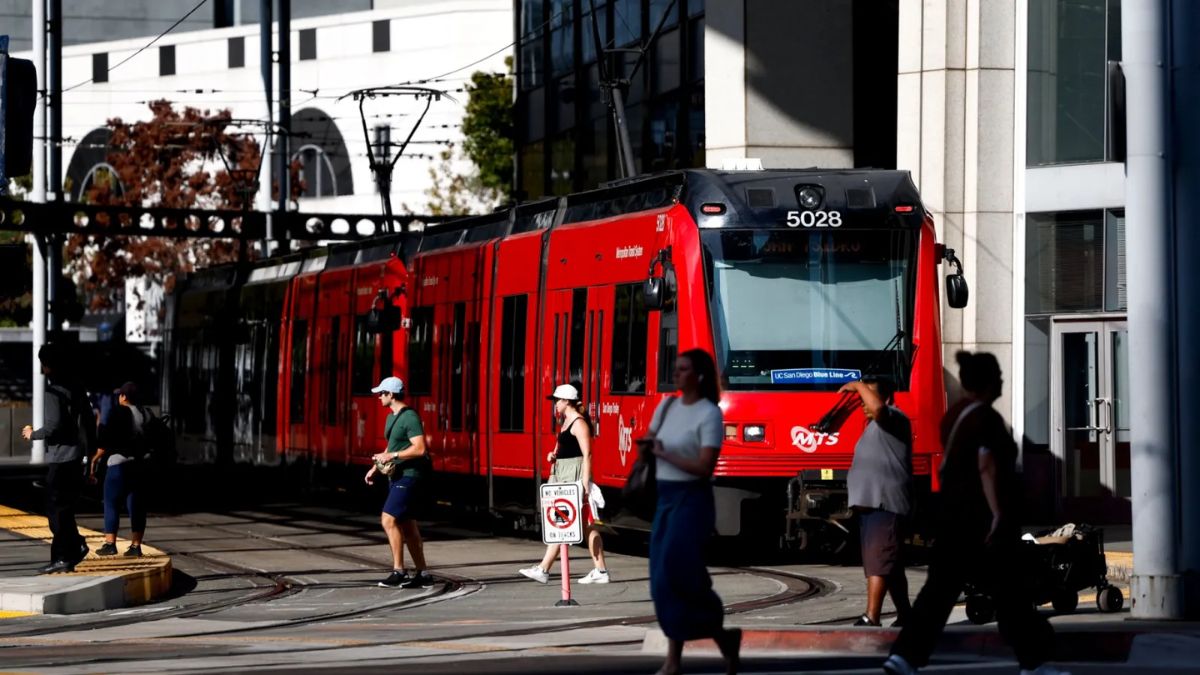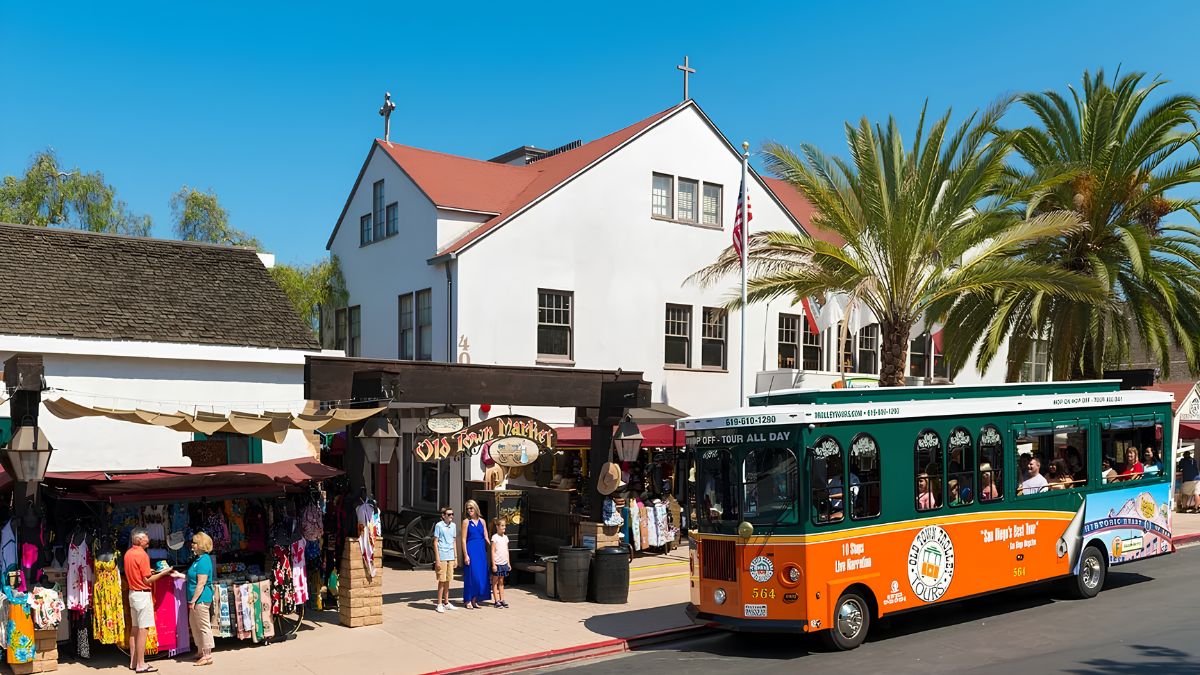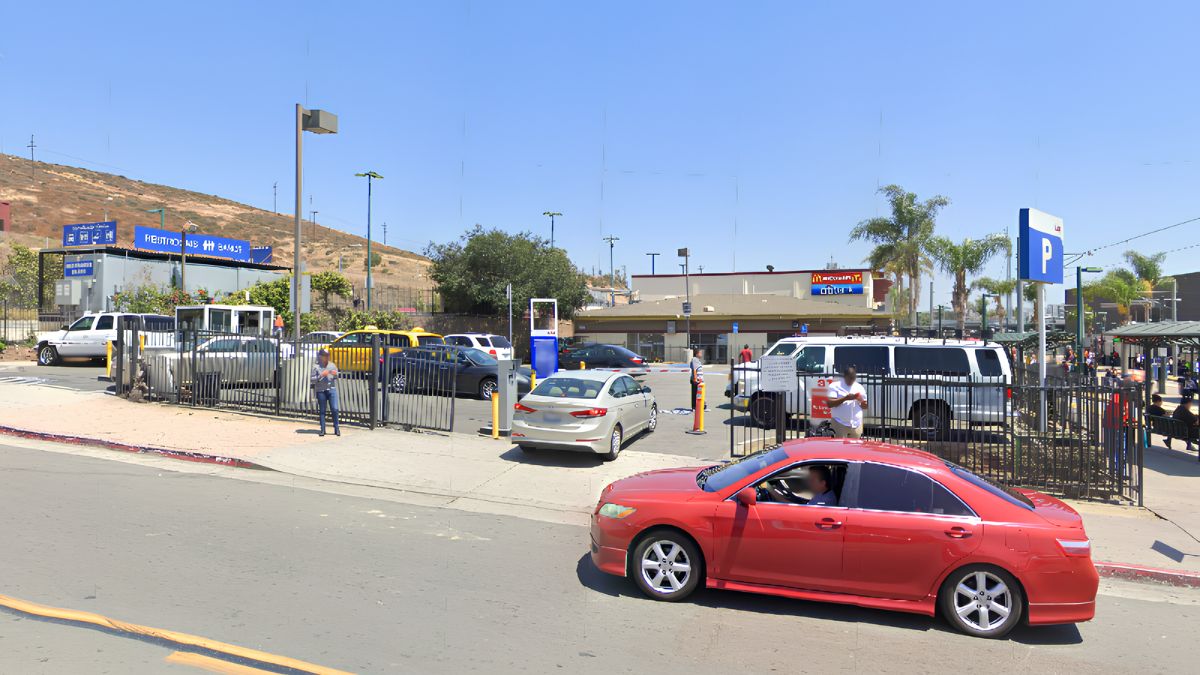
Improving a neighbourhood often begins with small, practical actions. A cleaner street, a safer pedestrian crossing, a well-maintained park or a community event can make everyday life better for residents. In San Ysidro, a community in southern San Diego near the United States-Mexico border, residents can look into several ways to contribute to local improvements, from attending public meetings to volunteering with community organisations.
For newcomers, getting involved may seem complicated at first. You might not know which public agency handles a particular concern, where community meetings take place or how to find volunteer opportunities. Fortunately, participation does not always require extensive experience or a major time commitment. By identifying a local priority, connecting with the right organisation and following up consistently, residents can help shape projects that respond to neighbourhood needs.
Priorities
Before joining a project, consider which aspects of the neighbourhood you would most like to improve. Choosing a clear focus helps you find the relevant organisations and use your time effectively.
Common priorities include litter removal, park maintenance, street safety, pedestrian access, tree planting, community gardens, youth activities and support for older residents. Some projects focus on social connections, while others involve infrastructure, public services or environmental improvements.
Start by observing the area around your home, school, workplace or local shopping district. Are there recurring litter problems? Do pedestrians struggle to cross a busy road? Are public spaces difficult to access? Would residents benefit from more community activities or better communication about local services?
It can help to speak with neighbours before deciding on a project. A concern that appears to affect only one street may be part of a wider issue shared by several households. Listening to different perspectives also helps prevent misunderstandings and ensures that improvement ideas reflect the needs of more than one group.
Once you have identified a priority, describe it clearly. For example, instead of saying that a park needs improvement, identify whether the concern involves litter, damaged equipment, insufficient shade or accessibility. Specific observations make it easier for community groups and public agencies to understand the problem and consider possible responses.
Meetings
Public meetings provide a formal way to learn about proposed changes, raise concerns and understand how local decisions are made. They can cover topics such as transportation, land use, public safety, parks, community services and neighbourhood development.
A useful starting point is the City of San Diego’s official website at sandiego.gov. It provides information about city departments, public meetings, community services and opportunities to participate in local government processes.
Residents interested in local planning can also explore information from the city’s Planning Department and the relevant community planning group. Community planning groups offer a forum for discussing land use and development matters within their designated areas. Their responsibilities and authority differ from those of city departments, so check their current role and meeting procedures before attending.
Before a meeting, review the published agenda if one is available. Identify the item that relates to your concern and prepare one or two clear questions. If you want to discuss a recurring problem, bring the location, approximate dates and any relevant photographs or observations. Avoid including private information about other residents without their permission.
You do not need to be an experienced public speaker to participate. Listening to discussions can be useful even if you are not ready to comment. When public comment is available, follow the stated rules and time limits. Some meetings require advance registration or provide remote participation options, while others may be held in person.
Public meetings do not guarantee that a proposed improvement will be approved or completed. They do, however, help residents understand the decision-making process, identify responsible agencies and learn what information is needed to move an idea forward.
Volunteering
Volunteering is one of the most direct ways to contribute to neighbourhood improvement. Unlike projects that require formal government approval, many volunteer activities can begin with a local organisation or an organised community event.
Possible opportunities include neighbourhood cleanups, park stewardship, tree planting, food distribution, community gardening, youth programmes and assistance at local events. The right choice depends on your interests, availability and physical abilities.
Residents can check the City of San Diego’s official website for information about volunteer opportunities and park-related programmes. For outdoor projects, confirm whether the activity is organised by an authorised group and whether participants need to register, bring equipment or complete a safety briefing.
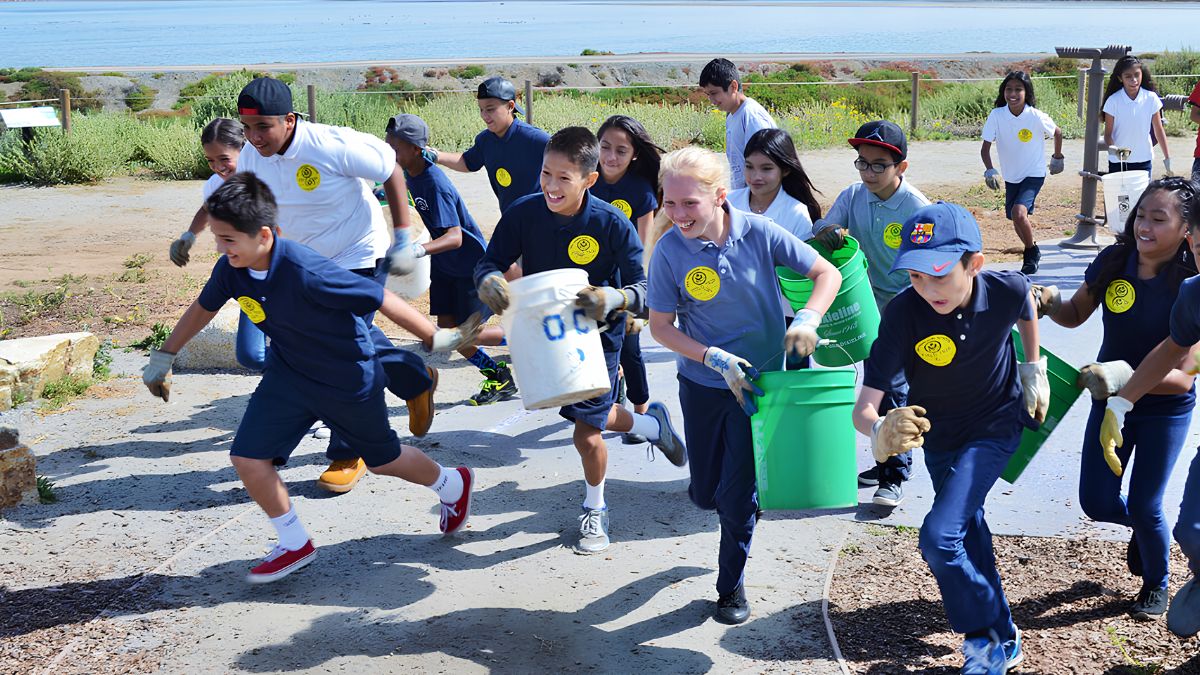
Community cleanups are often a straightforward starting point. Participants may collect litter, sort recyclable materials where facilities are available or help maintain shared outdoor spaces. Always follow the organiser’s instructions, particularly when handling sharp objects, hazardous waste or items that could pose a health risk. Do not attempt to remove dangerous materials yourself; report them to the appropriate service.
If you prefer working with people, consider volunteering at a community event, food assistance programme or youth activity. These roles can strengthen neighbourhood connections while supporting residents who may need additional resources.
Before committing, ask how frequently volunteers are needed, how long each shift lasts and whether training is provided. A manageable commitment that you can maintain is often more valuable than signing up for several projects and struggling to attend.
Organisations
Community organisations can help residents connect with existing initiatives, understand local needs and coordinate activities. They may also provide information about services, organise events or work with public agencies on neighbourhood concerns.
One place to begin is the San Diego Community Development Corporation, which works on community development and related initiatives. Review its current programmes to determine whether any are relevant to your interests or location.
Residents can also explore the San Diego Foundation for information about community initiatives, philanthropy and local nonprofit activity. Its work is broader than neighbourhood volunteering alone, but its resources may help people understand the wider network of organisations supporting communities across the region.
For park projects, recreation activities and public-space improvements, consult official city resources and ask whether a recognised friends group, volunteer team or local nonprofit is already involved. Joining an established group can make it easier to access guidance, equipment and the necessary permissions.
When evaluating an organisation, check its current activities, service area, contact information and volunteer requirements. A group may serve all of San Diego rather than San Ysidro specifically, so confirm whether it operates locally or accepts participants from your neighbourhood.
It is also worth asking how an organisation works with residents. Good community engagement should make room for different viewpoints, explain how decisions are made and provide clear information about the use of donated money or volunteer time.
Reporting
Not every neighbourhood concern requires a volunteer project or public meeting. Some issues are better handled through the responsible public agency.
For example, residents may need to report damaged street signs, blocked sidewalks, abandoned items, graffiti, overflowing public waste bins or maintenance problems. The correct reporting route depends on the issue, its location and which agency manages the property or infrastructure.
The City of San Diego website provides access to city services and reporting information. Use official channels to identify the appropriate department and provide a precise location, a clear description and photographs when helpful. Keep a note of any reference number or confirmation you receive so you can follow up if necessary.
San Ysidro’s proximity to the international border means that some locations and facilities may involve different agencies or jurisdictions. A concern affecting a city street may be handled differently from one involving private property, state transportation infrastructure or federal border facilities. If you are unsure who is responsible, begin with the relevant official service directory and ask for guidance.
For urgent threats to life or safety, use emergency services rather than waiting for a routine service request to be reviewed. For non-emergency matters, follow the agency’s stated reporting process.
After submitting a report, allow reasonable time for a response. If the problem remains unresolved, follow up with the reference number and any new information. Clear, factual communication is usually more effective than submitting repeated reports without additional details.
Collaboration
Neighbourhood projects tend to work better when residents coordinate rather than acting separately. Collaboration helps people share skills, avoid duplicating efforts and develop solutions that more residents can support.
Begin with a small conversation among neighbours or a local community group. Explain the issue, ask who else has noticed it and find out whether anyone is already working on a solution. A simple shared list of tasks can help organise volunteers and make responsibilities clear.
For a park cleanup, for example, one person might contact the relevant agency, another could coordinate volunteer registrations, and someone else could share event information with nearby residents. The organiser should confirm permissions, waste disposal arrangements, equipment needs and safety requirements before announcing the activity.
Communication is especially important when a proposed change could affect different groups in different ways. A traffic-calming measure may improve pedestrian safety but alter parking or vehicle access. A community garden may create a useful shared space but require decisions about maintenance, water and access. Listening to concerns early can help organisers adapt a project before disagreements become difficult to resolve.
Use communication channels that residents can access easily. These may include community meetings, printed notices, local organisation newsletters or online groups. Avoid assuming that every resident uses the same social media platform or has equal access to digital information.
Successful collaboration is not always about securing immediate agreement. Sometimes progress begins by clarifying the problem, identifying the right decision-maker and agreeing on a realistic next step.
Planning
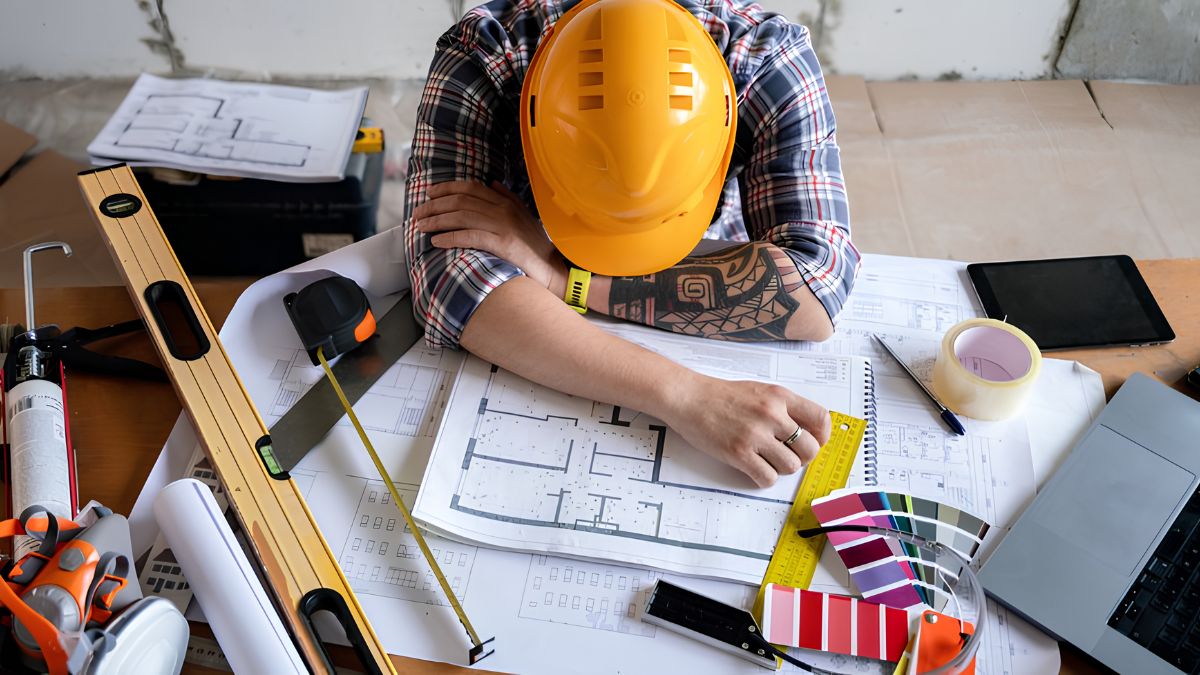
A practical plan makes it easier to turn a general idea into a manageable neighbourhood project. Start by defining the goal, the people who may benefit and the steps required to make progress.
For a small litter-reduction initiative, the plan might involve identifying a suitable location, contacting the responsible agency, finding an established volunteer group, confirming permissions and arranging a cleanup date. A larger project, such as improving a public space, may require consultations, funding, professional assessments or formal approvals.
Set a realistic timeline and identify the resources needed. These could include volunteers, tools, transportation, printed information, funding or support from a public department. Do not assume that volunteers can carry out construction, landscaping or other work on public property without approval.
It is helpful to define how you will measure progress. Depending on the project, useful indicators might include the number of volunteers involved, the amount of litter collected, the number of residents consulted or whether a maintenance issue has been resolved. For longer-term improvements, record what has been completed and what still requires attention.
Residents can use official city information to identify the relevant service, meeting or department. For community-level projects, consult established local organisations and ask whether similar efforts already exist. Building on an existing initiative can save time and help maintain momentum.
Most importantly, begin with an achievable action. Attending one meeting, reporting a maintenance issue, joining a cleanup or contacting a community organisation can be a useful first step. You can expand your involvement as you learn more about the process and develop relationships with other residents.
Participation
Getting involved in San Ysidro’s neighbourhood improvement efforts does not require a formal title or extensive experience. Residents can contribute by sharing accurate information, listening to neighbours, volunteering their time and working through the appropriate public or community channels.
The most effective approach is to identify a clear local need, find out who is already addressing it and choose a realistic way to help. Public meetings can explain how decisions are made, volunteer groups can turn ideas into practical activities, and community organisations can connect residents with resources and support.
Progress may take time, especially when projects involve funding, permissions or multiple agencies. Consistent participation, respectful communication and realistic expectations can help build trust and make improvements more sustainable. Even a small contribution can support a cleaner, safer and more connected neighbourhood when it becomes part of a wider community effort.
FAQs
How can I find public meetings in San Ysidro?
Check the City of San Diego website and relevant community planning group notices.
What neighbourhood projects can volunteers join?
Common options include cleanups, park activities, community events and food assistance.
Do I need experience to volunteer?
No. Many activities welcome beginners and provide instructions or basic training.
How should I report a local maintenance problem?
Use the responsible agency’s official reporting channel and provide the exact location.
How can I start a neighbourhood improvement project?
Identify a clear need, consult neighbours and contact the relevant organisation or agency.