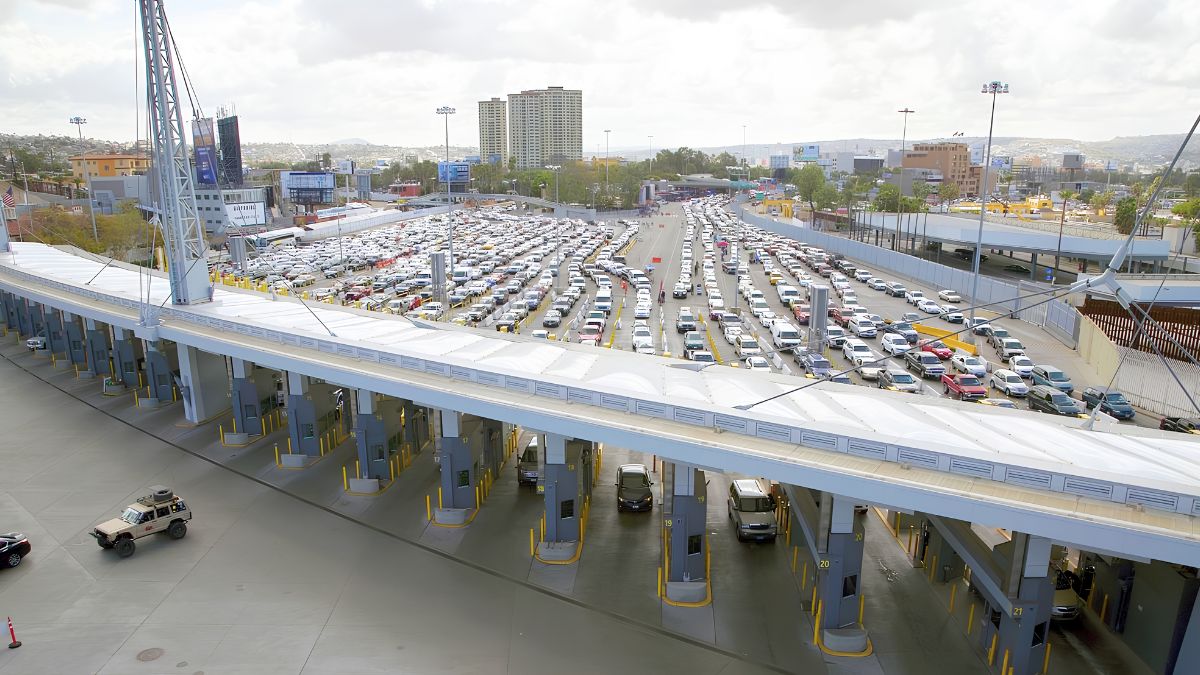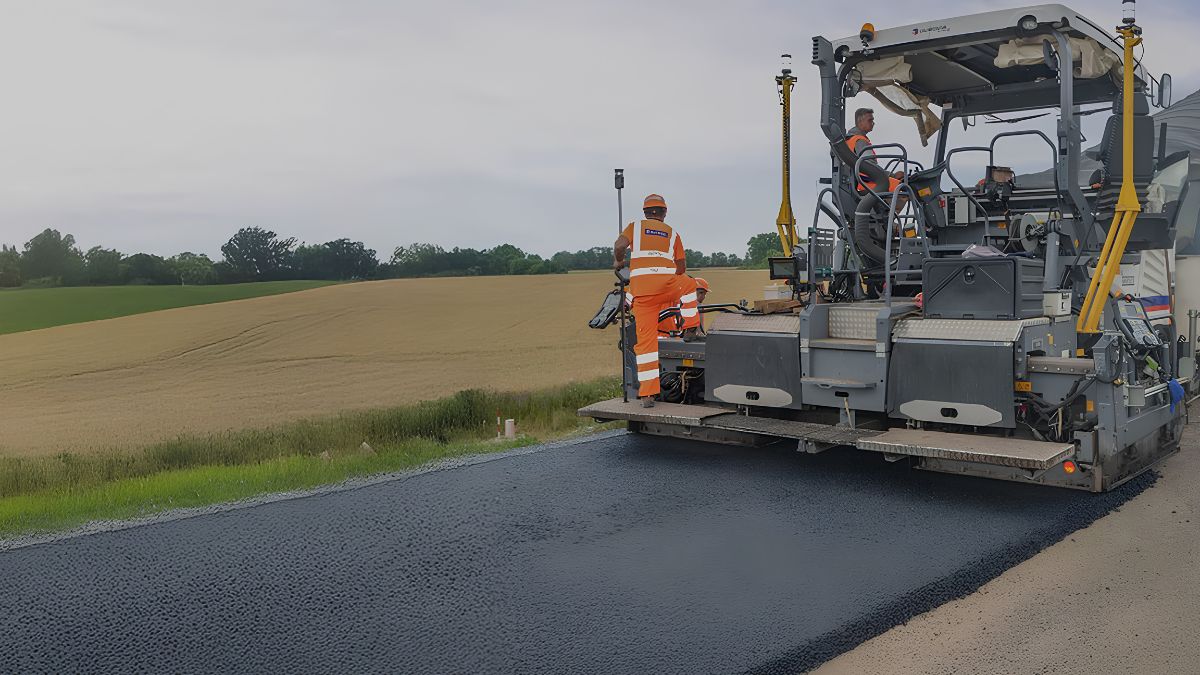
Roadworks, parking restrictions, temporary road closures, and changes to pedestrian access can affect how customers interact with local businesses. A shop that has served the same neighbourhood for years may suddenly become harder to reach, while a restaurant could experience fewer walk-in visits because customers are unsure where to park. Even when a business remains open as usual, changes around its premises can influence customer decisions, delivery schedules, and daily revenue.
For small businesses, the challenge is not simply dealing with construction. It is maintaining communication, making access information easy to find, and helping customers continue their usual routines despite temporary inconvenience.
The impact will vary depending on the type of business, the duration of the works, the location, and the availability of alternative routes. However, preparation can help business owners respond more effectively. By planning ahead, updating customer information, coordinating with local authorities, and reviewing daily operations, businesses can reduce avoidable disruption and protect customer relationships.
Planning
Preparation begins with understanding the proposed works before they affect normal business activity. Local authorities, transport departments, property managers, and construction contractors may publish information about road closures, pedestrian diversions, parking restrictions, and project timelines.
Business owners should review these notices and contact the relevant authority if important details are unclear. Useful questions include when the work will begin, how long each phase is expected to last, whether access to business entrances will remain available, and how delivery vehicles will reach the premises.
The next step is to identify the activities most likely to be affected. A retail store may depend on passing pedestrians, while a dental clinic or beauty salon may rely on customers arriving at scheduled times. A restaurant could face difficulties with food deliveries, waste collection, or customer parking.
A written disruption plan can help organise the response. It should identify alternative access routes, communication responsibilities, supplier arrangements, and procedures for updating customers when conditions change.
Businesses should also distinguish between confirmed information and estimates. Construction schedules can change because of weather, engineering requirements, or unexpected site conditions. Clear planning allows owners to adapt without making promises they cannot guarantee.
Communication
Customers need accurate information before they decide whether to visit. If a road closure appears to block the usual route, some people may assume that nearby businesses are inaccessible, even when pedestrian access remains open.
Businesses can address this problem by communicating early through their existing channels. These may include websites, email newsletters, social media accounts, customer messaging services, and online business listings.
Each update should explain what is changing, when the change takes effect, whether the business remains open, and how customers can reach the premises. Where relevant, include verified parking information and details about accessible entrances.
For example, a shop might explain that vehicle access from the main road is restricted but that pedestrians can enter from a nearby side street. A restaurant could provide directions to an alternative collection point if its usual entrance becomes difficult to reach.
Consistency is important. If the information on a website differs from a social media update, customers may become uncertain about which directions to follow.
Google’s official guidance for business owners is available through its Business Profile Help Centre. Businesses can use their profiles to maintain accurate contact details, opening hours, and other information customers may need before visiting.
Updates should be reviewed throughout the project. Information that was correct at the beginning of construction may no longer reflect the current arrangements.
Visibility
Construction barriers, temporary fencing, and diversion signs can make familiar business entrances less noticeable. Maintaining visibility helps customers recognise that a business remains open and understand how to enter.
Where local rules permit, businesses can use clear signs near their premises and along appropriate approach routes. Messages such as “Open as Usual” or “Customer Entrance via Side Street” communicate useful information without requiring lengthy explanations.
Before installing signs on public land, owners should check the relevant permissions and safety requirements. Signs must not obstruct pavements, interfere with traffic, or create problems for people with disabilities.
Online visibility is equally important. A temporary access notice on the homepage can help visitors understand the situation before travelling. Social media posts can provide photographs of entrances, short explanations of diversions, and updates when arrangements change.
Businesses should also check that their online opening hours, telephone numbers, and website links remain correct. Customers who cannot easily reach a premises may be more likely to contact the business first, making reliable contact information particularly valuable.
The objective is to reduce uncertainty. Customers should be able to identify the business, confirm that it is operating, and find practical directions without searching through multiple sources.
Parking
Changes to parking arrangements can influence whether customers choose to visit. This may be particularly relevant for businesses serving older customers, families, people with mobility requirements, or visitors carrying larger purchases.
Business owners should identify nearby parking facilities and check whether they remain available during the works. They should also confirm parking charges, restrictions, operating hours, and any changes to accessible parking spaces before sharing recommendations.
Where possible, businesses can provide alternative arrangements, such as approved short-stay parking, designated collection points, or delivery services. Retailers may also encourage customers to reserve items online and collect them at a convenient time.
Not every business will be able to offer new services immediately. In some cases, simply providing accurate information about the nearest available parking and the safest pedestrian route may be sufficient.
Accessible travel deserves particular attention. A route that works for a person walking without assistance may not be suitable for someone using a wheelchair, mobility aid, or pushchair. Businesses should verify step-free access and explain any temporary limitations clearly.
If access arrangements change during construction, customers should receive updated information as soon as possible. Reliable guidance helps people make informed decisions and reduces the risk of unnecessary journeys.
Operations
Temporary road restrictions can affect business operations beyond the customer entrance. Suppliers may face longer routes, courier collections may be delayed, and employees may need to change their commuting arrangements.
Businesses should review their most important operational activities before work begins. This includes deliveries, stock replenishment, waste collection, equipment servicing, and any scheduled visits from contractors.
Early communication with suppliers can help identify suitable delivery windows or alternative loading points. If large vehicles cannot use their usual route, businesses should confirm the approved alternative arrangements rather than relying on assumptions.
Stock management may also require attention. Where delays are likely, maintaining a reasonable supply of essential products can reduce the risk of running out of frequently purchased items. The appropriate level will depend on storage capacity, product shelf life, and expected demand.
Employees should understand any revised procedures and know whom to contact if access problems arise. Businesses that operate by appointment can send updated directions with booking confirmations and reminders.
These measures do not remove every operational challenge, but they can make disruptions easier to manage and reduce avoidable delays.
Retention
Maintaining customer relationships during roadworks requires a practical approach. Customers may change their routines temporarily, but businesses can make continued visits easier by offering suitable alternatives.
Depending on the type of business, these alternatives could include online ordering, telephone reservations, click-and-collect services, home delivery, remote consultations, or flexible appointment times.
A local retailer might allow customers to reserve products before travelling. A café could promote takeaway ordering, while a service provider might offer appointment reminders that include revised directions.
Any new service should be realistic in terms of staffing, cost, and demand. Introducing an expensive delivery operation for a short construction project may not be appropriate for every business.
Promotions can also support customer engagement, although discounts should be considered alongside other options. Regular customers may respond just as positively to convenient collection arrangements, dependable communication, or flexible booking.
Businesses should continue communicating through channels customers have agreed to use. Email updates and customer messaging can explain changes and provide useful information without creating unnecessary contact.
The main objective is to maintain a dependable relationship. Customers should know that the business recognises the inconvenience and is making reasonable efforts to help.
Collaboration
Neighbouring businesses often experience similar difficulties during roadworks. Working together can help them share information, identify common concerns, and maintain the visibility of the wider commercial area.
Business owners can coordinate with local traders’ associations, shopping district groups, property managers, and community organisations. Shared updates can explain which streets remain accessible, where pedestrian routes have changed, and which businesses continue to operate.
Collective communication may also help when construction information is incomplete or difficult to understand. Several businesses raising the same practical concern can provide local authorities with a clearer picture of how the works affect customers and commercial activity.
In the United Kingdom, businesses can consult GOV.UK guidance on road works and road closures. The relevant local authority is also an important source for location-specific restrictions, permits, diversion arrangements, and project updates.
Businesses should avoid circulating unverified claims about construction delays or access restrictions. Sharing confirmed information helps maintain trust and prevents customers from receiving conflicting directions.
Where appropriate, nearby businesses can organise joint promotions or encourage customers to continue visiting the area. Such efforts are most effective when they provide practical value and reflect the needs of the local community.
Monitoring
A disruption plan should be reviewed as conditions develop. Businesses need to understand which problems are affecting customers and whether the measures already introduced are working.
Simple indicators can provide useful information. These may include daily sales, customer enquiries, missed appointments, website visits, delivery delays, and repeat purchases.
Comparing current figures with previous periods can help identify changes, although seasonal demand, weather, holidays, and wider economic conditions should also be considered. A reduction in sales does not automatically mean roadworks are the only cause.
Customer feedback can provide additional context. If several people report difficulty locating the entrance, the business may need clearer directions. If customers frequently ask about parking, the relevant information may need greater prominence on its website.
The business should review these findings regularly and make adjustments where necessary. Small changes, such as improving a sign or updating an online notice, may be more useful than introducing a costly new service.
The following table summarises common issues and practical responses.
| Challenge | Practical response | What to monitor |
|---|---|---|
| Reduced foot traffic | Publish clear access directions | Daily visits and sales |
| Parking restrictions | Share verified alternatives | Parking-related enquiries |
| Delivery delays | Review delivery schedules | Late or missed deliveries |
| Customer confusion | Update signs and online notices | Repeated questions |
| Fewer repeat visits | Improve convenience and communication | Returning customers |
| Staff travel difficulties | Share route updates and adjust schedules | Absences and lateness |
Monitoring also helps businesses decide when temporary measures can be withdrawn. Once normal access returns, outdated notices should be removed and customers should be informed that usual arrangements have resumed.
Recovery
The end of construction does not always mean customer behaviour returns to normal immediately. Some people may have developed new shopping routines, while others may still believe the area is difficult to access.
Businesses should therefore communicate when restrictions are lifted and confirm that normal entrances, parking arrangements, or delivery routes are available again.
This is also a suitable time to review what worked. Owners can record which communication channels generated the most enquiries, which operational changes reduced delays, and which customer concerns remained unresolved.
The experience can inform future planning, particularly for businesses located near major roads, public transport routes, or areas undergoing regular infrastructure improvements.
Official information about local transport projects may also be available through the relevant council or transport authority. For England, the Department for Transport’s official website provides transport policies, publications, and guidance that may help businesses know wider transport developments. Local project details should still be confirmed with the authority responsible for the specific works.
Roadworks, parking changes, and temporary access restrictions can create practical difficulties for local businesses, but their effects can often be managed through early preparation and consistent communication.
Businesses that understand the changes, provide reliable directions, coordinate with suppliers, and respond to customer feedback are better placed to maintain day-to-day operations. The priority is to make access as clear and convenient as possible while keeping customers informed. Even when familiar routes change, dependable service and accurate information can help preserve the relationships that support a local business over time.
FAQs
How can businesses prepare for roadworks?
Contact local authorities, review access changes, and prepare a practical disruption plan.
How should businesses inform customers about closures?
Update your website, business listings, social media, and customer communications.
How can businesses manage parking restrictions?
Share verified parking alternatives and clear directions before customers travel.
Can roadworks affect business revenue?
Yes. Reduced foot traffic, delivery delays, and access difficulties may affect sales.
How can businesses retain customers during disruptions?
Provide reliable updates, convenient services, and consistent customer support.