A shopping trip to San Ysidro can look affordable when you focus only on the prices displayed in stores. However, the actual cost of a day out often includes several other expenses, such as transportation, meals, parking, border crossing arrangements, and purchases you may not have planned in advance. Adding these costs together gives shoppers a clearer picture of how much they are likely to spend.
San Ysidro, located in southern San Diego near the US-Mexico border, attracts visitors looking for clothing, footwear, household goods, personal care products, and other everyday items. For some shoppers, the area is a convenient destination for a planned buying trip. For others, it is part of a wider visit that includes dining, errands, or time with family.
The best way to compare the real cost of a shopping day is to look beyond individual price tags. By estimating transportation, food, parking, and shopping expenses before leaving home, you can build a practical budget, compare different travel options, and decide whether your planned purchases offer good value.
Budget
Start by setting a total budget for the day. This amount should cover everything connected to the trip, not just the items you intend to buy.
For example, someone planning to spend $150 on clothing might assume that $150 is enough. But after adding fuel or transit fares, lunch, parking, and a few unexpected purchases, the final amount could be considerably higher.
A useful starting point is to divide your budget into four main categories:
- Transportation and travel-related expenses
- Meals, drinks, and snacks
- Parking fees, where applicable
- Planned purchases and additional shopping
You may also want a small reserve for unexpected expenses. This can help you handle a change in travel plans or an essential purchase without exceeding your budget too quickly.
The amounts will depend on where you start, how long you stay, how many people travel with you, and which stores you visit. Therefore, use estimates based on your own circumstances rather than relying on a single average shopping-day cost.
Travel
Transportation can have a significant effect on the total cost of a shopping trip. A destination that offers attractive prices may be less economical if reaching it requires a long drive, several transit connections, or expensive rideshare services.
If you drive, consider fuel, tolls along your route, and any additional vehicle expenses that apply. Fuel costs depend on the distance traveled, your vehicle’s fuel efficiency, and current local prices. If you are traveling with other people, sharing these costs may make driving more affordable per person.
Public transportation offers a different calculation. Add the fares for every traveler and include the cost of any connecting services. Check schedules and return options before leaving, particularly if you plan to carry several shopping bags.
Rideshare services can be convenient when traveling with bulky purchases, but prices may change with demand, traffic, and pickup location. If you intend to use a rideshare service both ways, estimate the round-trip cost rather than considering only the initial journey.
For current transit information, consult the official San Diego Metropolitan Transit System website. Check the route, fare, and service information that applies to your planned trip.
The goal is to compare the full journey cost, not simply the cheapest way to reach San Ysidro.
Parking
Drivers should include parking in their budget before choosing where to shop. Even a relatively small parking charge can affect the value of a trip when the shopping budget is limited.
First, determine whether your intended destination has a suitable parking option. Check the applicable rate, payment method, time restrictions, and any other conditions before arriving. Do not assume that parking is free simply because a shopping area is accessible by car.
Next, estimate how long you expect to stay. A quick visit to one retailer may require less parking time than a full day spent visiting several stores and stopping for lunch.
For example, imagine parking costs $12 for the day. If you buy $100 worth of goods, parking represents an additional 12% of the merchandise total. If you spend $250, the same parking fee has a smaller proportional effect.
This does not mean you should buy more simply to make parking feel worthwhile. Instead, it shows why parking should be included when comparing the overall cost of different shopping plans.
If you are traveling with friends or family, shared parking expenses may reduce the cost per person. However, make sure the parking arrangement is convenient and suitable for your intended destination.
Meals
Food and drinks are easy to overlook when planning a shopping budget. A morning coffee, lunch, bottled water, and an afternoon snack may seem inexpensive individually, but the total can add up over several hours.
Before leaving home, decide whether you will eat before arriving, bring snacks, purchase a meal, or combine these options. A simple plan can help prevent hunger-driven spending while you shop.
For a realistic estimate, calculate food costs for everyone in your group. A solo shopper buying one meal has a different budget from a family purchasing lunch and drinks for four people.
You should also account for convenience. Bringing food from home may lower expenses, but it might not suit every schedule or travel arrangement. Eating at a restaurant may cost more, yet it can provide a useful break during a longer visit.
The important point is to include meals as a normal part of the shopping-day budget. Treating food as an afterthought can make an otherwise affordable trip more expensive than expected.
Purchases
Planned purchases are usually the largest part of a shopping budget, so prepare a list before arriving. Identify the items you need, estimate their prices, and set a maximum amount for each category.
For example, your list might include:
- Clothing and footwear
- Household essentials
- Personal care products
- Gifts or seasonal items
- Other necessary purchases
Research prices when practical, and compare similar products rather than relying only on advertised discounts. A reduced price does not necessarily mean a better deal if the item is lower quality, unnecessary, or available for less elsewhere.
It also helps to separate essential purchases from optional ones. Essentials are items you already planned to buy. Optional purchases are products that attract your attention while browsing.
You do not need to avoid every unplanned purchase. Instead, set a modest limit for extras and stop when you reach it. This allows some flexibility without letting small decisions gradually take over your budget.
If you are buying from multiple retailers, compare the combined cost of the items on your list. One store may offer a better price on clothing, while another may be more competitive for household goods. Remember to include any additional travel or parking costs created by visiting another location.
Comparison
A simple table makes it easier to see how the separate expenses contribute to the final amount. The figures below are illustrative examples, not current prices or typical costs for San Ysidro.
| Expense | Budget example |
|---|---|
| Round-trip transportation | $20 |
| Parking | $12 |
| Meals and drinks | $25 |
| Planned purchases | $120 |
| Extra purchases | $15 |
| Total shopping-day cost | $192 |
In this example, the shopper spends $135 on merchandise but pays another $57 for transportation, parking, and food.
That difference matters when deciding whether the trip is worthwhile. If the shopper only considers the products, the day appears to cost $135. Once the other expenses are included, the actual total is $192.
For a more complete comparison, calculate the cost of at least two travel plans. One might involve driving and paying for parking, while another might involve public transportation. Keep the planned purchases and meals consistent so you can identify the difference caused by travel.
You can also compare a single-store visit with a multi-store trip. Visiting several retailers may provide more opportunities to find lower prices, but additional travel, parking, or time costs can reduce those savings.
Savings
Once you know the full cost, look for savings that do not compromise the purpose of the trip.
Start with your shopping list. Prioritize essential items and remove products that are unlikely to be used. Check prices before traveling, and avoid assuming that every promotion offers better value than a regular-priced alternative.
Travel planning can also help. If you are using public transportation, check the latest schedules and fares. If you are driving, organize your stops to avoid unnecessary backtracking. Combining nearby errands into one trip may reduce total travel expenses.
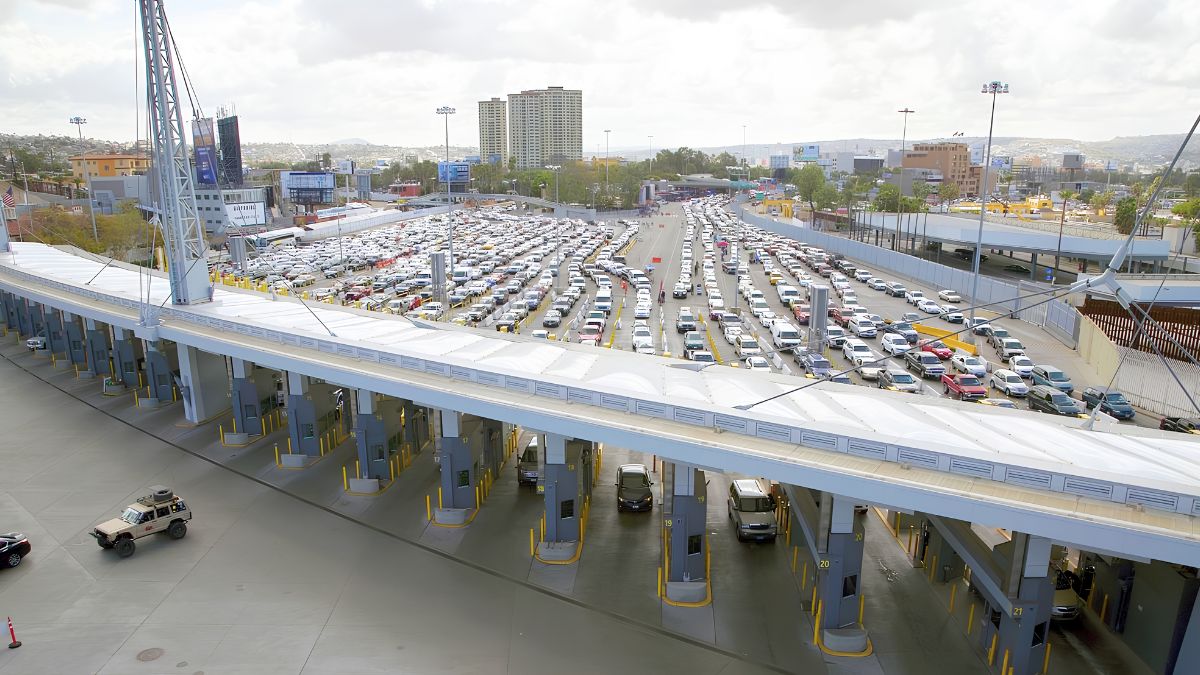
For drivers considering a border-area visit, confirm parking arrangements before setting out. For visitors whose plans involve crossing the US-Mexico border, check current official requirements and wait-time information before traveling. Border conditions can affect the amount of time you spend on the journey.
The U.S. Customs and Border Protection website provides official information on border procedures and related travel resources. For current border wait-time information, use the agency’s Border Wait Times resource.
Finally, set a clear limit for optional spending. Small purchases can be easy to justify in isolation, but several extras can add up to the cost of another planned item.
Value
The cheapest shopping day is not always the one with the lowest transportation cost. Value depends on the total amount spent, the usefulness of the products purchased, and the convenience of the experience.
For example, driving may be economical for a group sharing fuel and parking expenses. For a solo visitor, public transportation may cost less, depending on the starting point and the route. Meanwhile, a shopper who needs to transport bulky goods may prefer a vehicle even if the trip costs more.
Time is another consideration. A lower-cost route that involves several connections might take significantly longer than a direct journey. Although time is not always included in a cash budget, it can still affect whether a shopping plan is practical.
You can compare the cost per useful purchase by dividing the total shopping-day expense by the number of items you genuinely needed. This is not a perfect measure, especially when items vary in price, but it can help you compare similar trips over time.
Avoid treating the total merchandise value as savings. Spending $200 on discounted goods does not automatically mean you saved $200. The real benefit depends on what you would otherwise have paid for items you actually needed.
Planning
A short checklist can help you prepare for a shopping day in San Ysidro.
- Make a list of planned purchases and estimate their prices.
- Compare travel options using your actual starting point.
- Confirm parking costs and restrictions if you plan to drive.
- Set a food and drink budget for everyone in your group.
- Add a limit for optional purchases and unexpected expenses.
- Check relevant transit schedules or border information before departure.
- Review the total and decide whether the trip fits your budget.
After the trip, compare your estimates with your actual spending. Record what you spent on travel, meals, parking, and merchandise. This information will make your next budget more accurate, especially if you visit the area regularly.
A realistic shopping budget is not about eliminating every extra expense. It is about knowing where your money is going and making decisions before small costs become surprises.
When you include transportation, meals, parking, and planned purchases, you get a more useful picture of what a shopping day in San Ysidro really costs. That broader view helps you compare options fairly, prioritize the items you need, and decide how much to spend with greater confidence.
FAQs
What costs should a shopping-day budget include?
Include transportation, parking, meals, planned purchases, and extras.
How can I reduce transportation costs?
Compare driving, public transit, and rideshare costs before leaving.
Should I include meals in my budget?
Yes. Food and drinks can noticeably increase your total spending.
How do I avoid unplanned shopping expenses?
Use a shopping list and set a limit for optional purchases.
Where can I check official border information?
Visit the U.S. Customs and Border Protection website for updates.