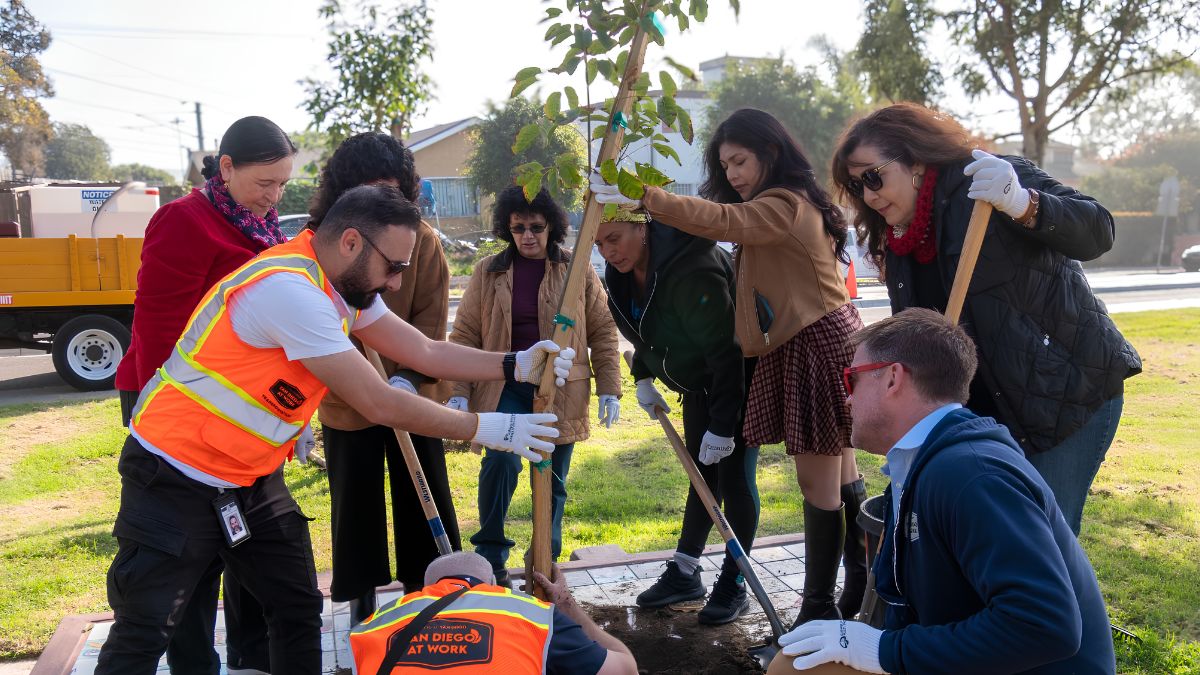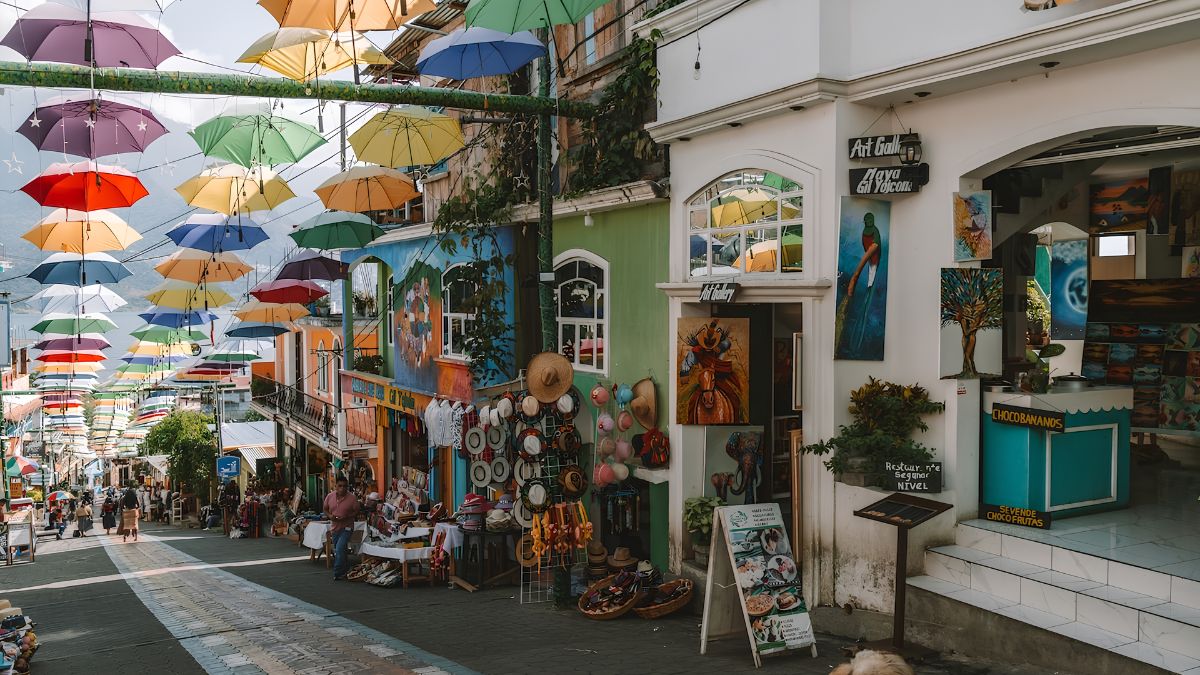
Public libraries, recreation facilities, parks, and other shared community spaces play an important role in everyday life in San Ysidro. They give residents places to study, access information, exercise, spend time with family, attend community activities, and connect with local services. For people who are new to the neighborhood, these facilities can also provide a useful starting point for learning about the area.
Finding the right space depends on what you need. A student may be looking for a quiet place to read or use a computer, while a parent may want a nearby park or a recreation program for children. Older adults might prefer accessible walking paths, community activities, or indoor spaces where they can socialize.
San Ysidro is part of the City of San Diego, so residents can use several city and regional resources to identify public facilities, check operating hours, and learn about available programs. The key is to confirm details through official sources before making a visit, since schedules, registration rules, and services can vary by location.
Libraries
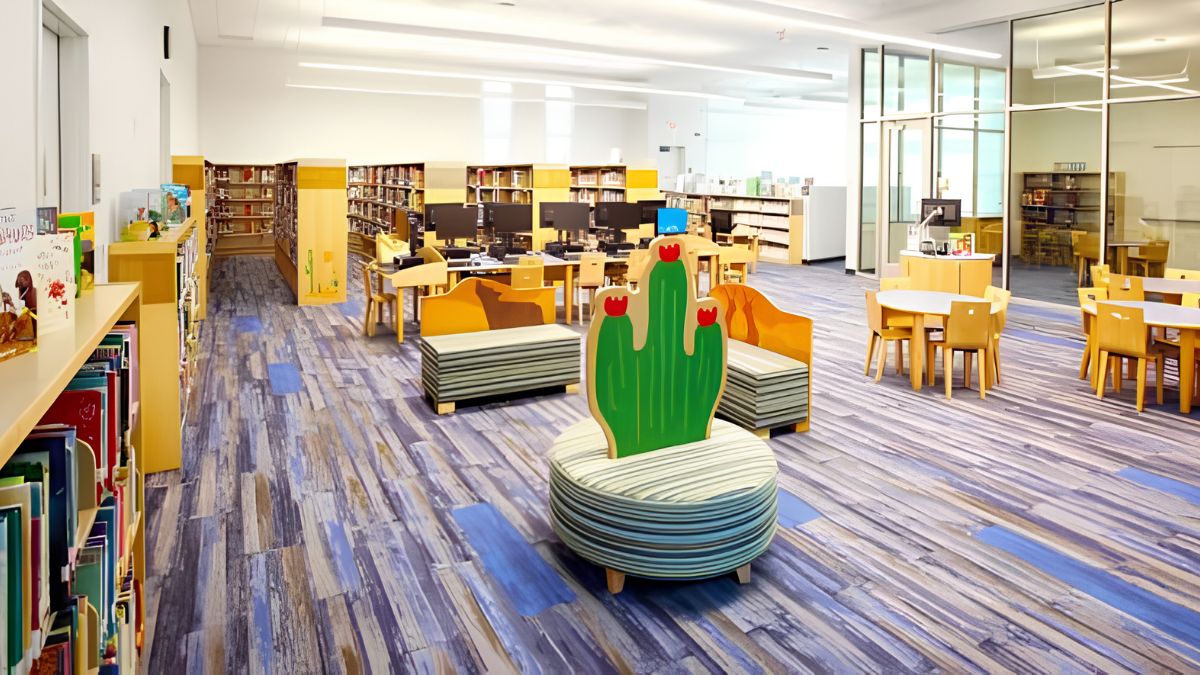
Libraries remain among the most useful public resources for residents of all ages. They offer more than shelves of books: depending on the branch, visitors may find computers, internet access, study areas, children’s activities, educational programs, and assistance with finding reliable information.
The San Ysidro Branch Library is a useful starting point for residents looking for library services close to home. Before visiting, check the official branch page for current opening hours, available services, event listings, and any changes to the schedule.
Visit the San Ysidro Branch Library through the City of San Diego’s official website.
A library can serve different needs throughout the week. Students may use it for reading, homework, or research. Adults can explore educational materials, access online resources, or attend public programs when available. Families may also find children’s reading activities and other learning opportunities listed on the library calendar.
If you plan to use a computer, print documents, attend an event, or borrow materials, check the relevant service details first. Some activities may require registration, and certain services can have different availability from general library access.
Libraries are also helpful for residents who want a quiet, shared indoor environment without needing to purchase food or pay for a private workspace. However, individual facilities may have rules about computer use, meeting rooms, noise, and time limits, so it is worth checking local policies.
Recreation
Recreation facilities give residents opportunities to stay active, develop skills, and take part in organized activities. Depending on the facility, offerings may include sports, fitness activities, youth programs, classes, meetings, or seasonal community events.
San Ysidro residents can look into city-operated recreation facilities through the City of San Diego Parks and Recreation Department. Its official website provides information about parks, recreation centers, programs, and facility-related services.
When comparing recreation facilities, look beyond distance. Consider the activities available, the age groups served, accessibility, operating hours, and whether advance registration is required. A nearby center may be convenient for a quick visit, while another facility may be a better fit for a particular sport or class.
Families should check age requirements, program dates, registration deadlines, and any equipment participants need to bring. Some activities may have fees even when the surrounding public facility is free to enter. Costs and eligibility can vary by program, so confirm the details before making plans.
Adults who want to meet neighbors or develop a regular exercise routine may benefit from checking community calendars. Scheduled classes and group activities can make it easier to participate consistently and discover services that might otherwise go unnoticed.
It is also useful to ask whether a program operates year-round or only during a particular season. Youth activities, sports leagues, and special events may follow different schedules from the facility’s general opening hours.
Parks
Parks offer shared outdoor space for walking, relaxing, playing, and spending time with friends and family. For residents who want a low-cost way to enjoy their neighborhood, they can be an important part of daily life.
San Ysidro’s parks and outdoor recreation areas may serve different purposes. Some are better suited to casual visits and children’s play, while others may offer sports facilities, open areas, walking opportunities, or space for organized activities. Available features vary, so check the details of a specific location before traveling.
The City of San Diego Parks and Recreation website is a practical starting point for locating city-managed parks and checking information about facilities and recreation opportunities.
Before visiting, consider the weather, shade, seating, restroom availability, parking, and the needs of everyone in your group. If you are planning a longer visit with children or older adults, these details can make the outing more comfortable.
Visitors should also check whether particular amenities are temporarily closed or require reservations. Sports fields, picnic areas, and other reservable facilities may have separate rules from the general park grounds.
A public park can be useful even when you are not planning a major outing. A short walk, outdoor reading break, or informal family gathering may be enough to make use of a nearby shared space. As with any public facility, visitors should follow posted rules, dispose of rubbish properly, and respect other park users.
Community
Not every shared community space is designed primarily for reading or recreation. Community centers, public meeting rooms, cultural facilities, and spaces used for neighborhood events can also help residents access information and connect with one another.
These locations may host meetings, workshops, educational sessions, celebrations, or activities organized by local groups. The schedule depends on the facility and the organizations using it, so residents should check event announcements rather than assume a program is available every week.
The City of San Diego’s official website can help residents find city departments, public notices, neighborhood information, and links to services. For community-specific activities, local library calendars and recreation program listings are also useful places to look.
When considering a community venue, check whether it is open for general public use or only for scheduled activities. Some spaces are accessible throughout designated hours, while others require registration, an invitation, or a reservation.
Residents who want to organize a meeting or group activity should confirm room availability, capacity limits, costs, and booking requirements in advance. A space described as public is not necessarily available for unrestricted or unscheduled use.
Community facilities can be particularly valuable for people who want to become more involved in local life. Attending a public event or class can provide an opportunity to learn about neighborhood initiatives, meet other residents, and discover additional resources.
Services
Shared spaces are often connected to wider public services. A library may provide information about educational resources, while a recreation facility may list programs for children, adults, and older residents. Parks departments can also provide information about amenities, maintenance, reservations, and permitted activities.
To find the most suitable service, begin with the purpose of your visit. If you need a computer or a quiet study environment, look at library facilities. If you want to join a class or participate in sports, start with recreation programs. If you want outdoor space for walking or family activities, explore park information.
It can also help to consider whether a facility meets practical access needs. Look for information about entrances, accessible routes, restrooms, public transit connections, parking, and any accommodations offered. If a detail is not listed online, contact the facility or relevant department before visiting.
Residents should distinguish between free access to a building or park and the cost of specific services. A public location may be free to enter while some classes, equipment rentals, special events, or reserved spaces carry fees.
For anyone using public transportation, check the route and return schedule before setting out. This is particularly important for evening programs or weekend visits, when service frequency may differ. Allow extra time if you need to connect between buses or other services.
Planning
A little preparation can make it easier to choose the right community space and avoid unnecessary trips. Start by identifying what you want to do, how long you expect to stay, and who will be visiting with you.
Use this simple comparison to narrow your options:
| Your main need | Where to start | What to confirm |
|---|---|---|
| Reading or studying | Public library | Hours, seating, computer access |
| Children’s activities | Library or recreation facility | Age limits, schedule, registration |
| Sports or exercise | Recreation facility or park | Available amenities, fees, reservations |
| Outdoor family time | Public park | Facilities, accessibility, park rules |
| Community meetings | Community venue or meeting room | Booking requirements, capacity, costs |
| Local programs and events | Official city calendars | Dates, eligibility, registration |
Next, verify the information through an official source. Search results, old directory listings, and social media posts can be helpful for discovering a location, but they may not reflect the latest schedule or service changes.
If you intend to attend a particular class or event, check whether registration is still open. If you are visiting with a group, confirm that the space can accommodate everyone. For a first visit, save the address, note the opening time, and check your travel arrangements.
It is also sensible to have an alternative in mind. A library event may be full, a recreation program may be seasonal, or an outdoor activity may not be suitable because of the weather. Knowing another nearby option can help you make the most of your day.
Access
Public spaces are most useful when residents can reach them and understand how to use them. Accessibility involves more than physical distance: it also includes transportation, opening hours, cost, language access where offered, and clear information about available services.
If you have mobility requirements, check for accessible entrances, paths, seating, and restrooms. Contact the facility if you need specific information that is not provided online. Do not assume that every feature is available at every location.
Families with young children may want to check restroom access, shaded areas, and whether activities are appropriate for the children’s ages. Older adults may prioritize seating, convenient transportation, and programs scheduled at suitable times.
Budget is another factor. Walking to a nearby park or using library services may involve little or no direct cost, while classes and special activities may have fees. Reviewing these details beforehand helps residents choose options that fit their circumstances.
Shared spaces also depend on respectful use. Following posted rules, keeping noise at an appropriate level, and leaving facilities clean helps maintain them for everyone. If you notice a maintenance or safety concern, use the relevant city department’s official reporting channels where available.
Resources
The most reliable way to find current information is to start with official sources and then confirm details for the specific facility.
- Library services: San Diego Public Library for branch information, opening hours, programs, and library services.
- Parks and recreation: City of San Diego Parks and Recreation for parks, recreation facilities, activities, and related information.
- City services: City of San Diego for municipal departments, public information, and links to local services.
These resources can help residents identify possible destinations, but availability and schedules can change. Check the individual facility’s listing or contact the relevant department before making a special trip.
For residents who are unfamiliar with the area, it may be helpful to save a short list of frequently used locations, such as a library, a park, and a recreation facility. Keeping the relevant pages bookmarked makes it easier to check hours, discover new activities, and plan future visits.
San Ysidro’s public libraries, parks, recreation facilities, and community venues offer different ways for residents to learn, stay active, and connect with others. The best starting point is to match the facility to your needs, verify the latest information through official sources, and consider practical details such as transportation, accessibility, and cost.
With a little planning, shared community spaces can become useful parts of everyday life, whether you are looking for a quiet place to study, an outdoor break, a family activity, or an opportunity to participate in the neighborhood.
FAQs
Where can San Ysidro residents find library information?
Check the official San Diego Public Library website for branch details.
How can I find local recreation programs?
Visit the City of San Diego Parks and Recreation website.
Are public parks always free to use?
General access may be free, but some facilities or reservations can cost extra.
Should I check opening hours before visiting?
Yes. Hours, programs, and services can change by location.
Where can I find official city service information?
Visit the official City of San Diego website.