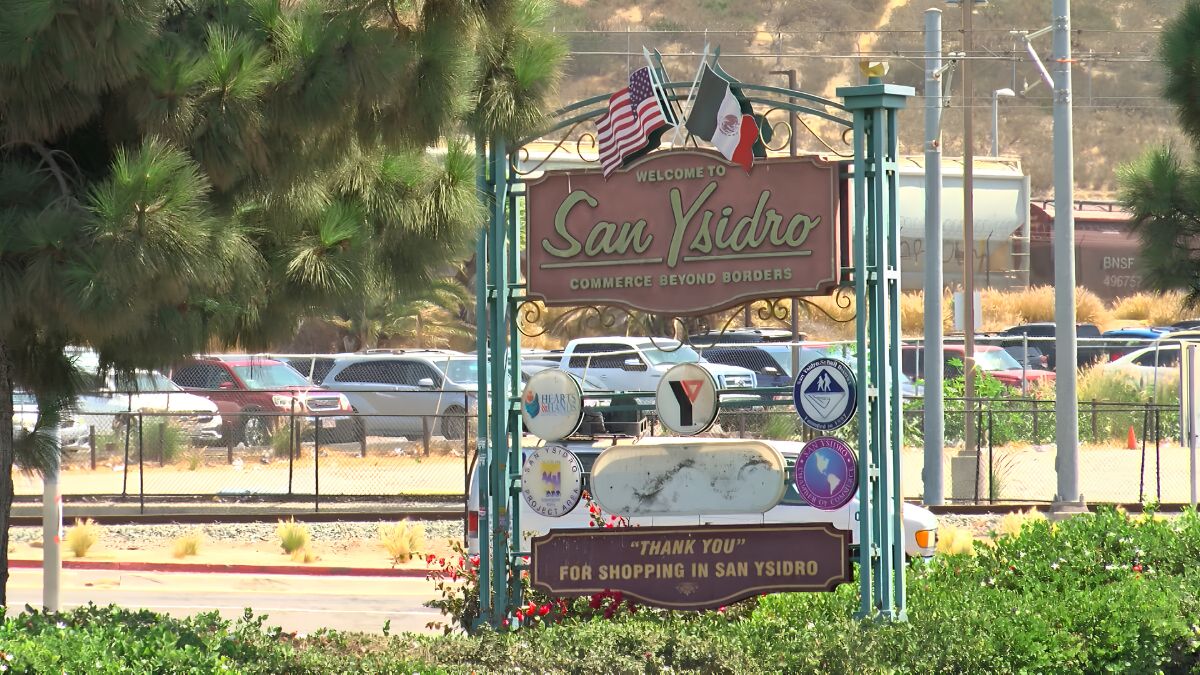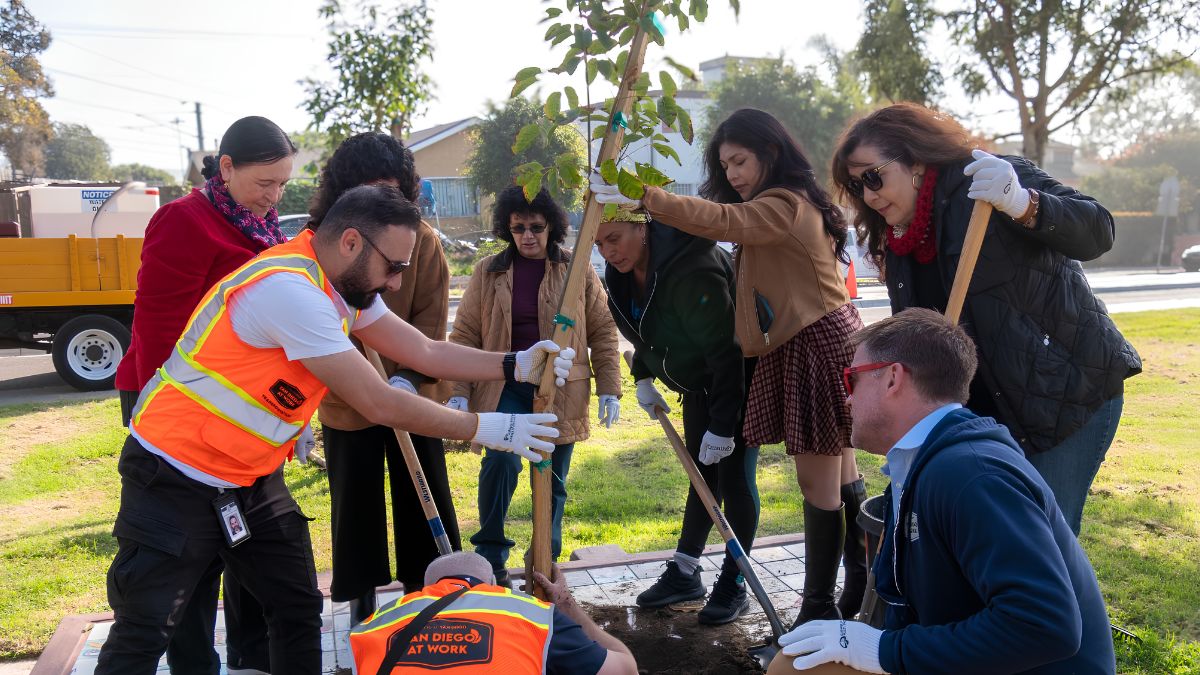
Changes to community services can affect everyday routines in San Ysidro, from library opening hours and recreation programs to road access, public meetings, and neighborhood services. When schedules change or facilities temporarily close, residents need reliable information to adjust their plans and avoid unnecessary trips.
Official notices and public announcements provide an important way to stay informed. City departments, public libraries, transportation agencies, and other public service providers use their websites and communication channels to share updates about programs, operating hours, service interruptions, and community events.
However, finding the right information can sometimes take time. Updates may appear on different websites, and an older announcement may remain visible after circumstances have changed. Knowing where to look, how to verify a notice, and which alerts are relevant to your household can make it easier to keep up with developments across San Ysidro.
Sources
The first step is to identify the official organizations responsible for the services you use. San Ysidro is part of the City of San Diego, so many local services and municipal announcements can be found through city departments.
The City of San Diego’s official website is a useful starting point. It connects residents with information about city departments, public services, community programs, public notices, and local government activities.
Depending on the announcement, residents may need to visit a specific department’s website rather than relying on the city’s homepage. For example, library updates are usually more relevant on the public library website, while park programs and recreation facility information are handled through the parks and recreation department.
It helps to keep a short list of official sources for services you use regularly. These might include your local library branch, recreation facility, transportation provider, and relevant city department.
When an announcement concerns a service operated by another public agency, check that agency’s website directly. A transportation update, for instance, may come from a transit provider rather than the city department responsible for neighborhood facilities.
Notices
Official notices can cover a wide range of changes. Some are routine, such as revised opening hours for a holiday. Others may involve temporary closures, construction, maintenance, registration deadlines, or changes to a scheduled public meeting.
Residents should pay attention to the publication date, the service or location affected, and the period during which the change applies. A notice published several months ago may describe a situation that has already been resolved.
Look for details such as:
- The name of the department or organization issuing the notice.
- The date the announcement was published or updated.
- The exact facility, route, program, or service affected.
- The start and expected end dates of the change, if provided.
- Instructions for residents, including alternative services or contact details.
Not every announcement will include all these details. If important information is missing, check the department’s main website or contact the organization directly.
It is also useful to distinguish between a planned change and an unexpected disruption. A scheduled facility closure may be announced in advance, while an urgent service interruption may require residents to check for updates throughout the day.
Websites
Official websites are among the most reliable places to confirm public service information. Unlike an informal post shared online, a department website can provide context, contact details, related policies, and links to other relevant resources.
San Ysidro residents can begin with the following official sources.
- City services: The City of San Diego website provides access to municipal departments, public information, and service-related announcements.
- Library updates: The San Diego Public Library website offers branch information, library services, programs, and announcements relevant to visitors.
- Parks and recreation: The Parks and Recreation Department provides information about parks, recreation facilities, activities, and related services.
- Public transportation: The San Diego Metropolitan Transit System shares transit information, service notices, routes, and rider resources.
These sources cover different areas, so the most appropriate website depends on the type of change. A library schedule update should be checked with the library, while a transit disruption should be verified through the relevant transit provider.
Residents should also remember that a website’s general information page may not display every temporary change prominently. If you are planning a specific visit, check the individual facility or service page before leaving home.
Alerts
Checking websites manually can be useful, but it may not be practical to visit several pages every day. Where available, email newsletters, text alerts, and official notification services can help residents receive relevant information more directly.
Some agencies offer updates for specific topics, such as transportation, emergency conditions, public meetings, or community programs. Availability and subscription options vary by organization, so residents should review the official website to see which notifications are offered.
When signing up, choose alerts that match your actual needs. Someone who relies on public transit may want service notifications, while a parent may be more interested in recreation schedules, youth activities, or library events.
Before entering personal information, confirm that the subscription page belongs to the relevant agency. Avoid providing sensitive information through links in unexpected messages unless you have independently verified the source.
It is also important to know what an alert does and does not cover. A notification service may provide information about major disruptions without announcing every minor schedule adjustment. For time-sensitive plans, check the official service page even if you have not received an alert.
Social
Social media can help residents discover announcements quickly, especially when agencies share reminders about public meetings, events, closures, and urgent service changes. However, a social media post should not always be treated as the final source of information.
Start by identifying the verified or officially linked account of the relevant agency. You can usually confirm the account by following a link from the organization’s official website.
When you see an update shared by another resident or community group, look for the original announcement. Check whether the information includes a publication date, a specific location, and a link to an official source.
Be especially careful with posts that circulate without a date or use old photographs and notices. A real announcement can become misleading when it is shared again after the situation has changed.
If an update affects an immediate decision, such as whether a facility is open or a bus route is operating normally, confirm it through the responsible agency’s website or official service channel. Social media can be a useful starting point, but verification helps prevent confusion.
Meetings
Public meetings offer another way for residents to learn about proposed changes and decisions that may affect community services. Depending on the topic, meetings may address neighborhood planning, public facilities, transportation, recreation, or other local issues.
The City of San Diego’s website provides access to information about city government and public meetings. Residents can begin at the official city website and navigate to the relevant department or meeting information.
When reviewing a meeting announcement, check the date, start time, location, and participation instructions. Some meetings may be held online, in person, or through a combination of formats. The agenda can help residents identify whether a particular topic is likely to affect their neighborhood.
Meeting notices can also include information about public comment opportunities. If you want to raise a concern or ask a question, review the participation rules and deadlines in advance.
Not every proposal discussed at a public meeting results in an immediate change. Some matters require further review, funding decisions, or additional approvals. Residents should look for later announcements before assuming that a proposed action has been finalized.
Following this process can help community members understand not only what has changed, but also why a change is being considered and what steps may come next.
Verification
One of the biggest challenges in following public announcements is separating current information from outdated or incomplete details. A message can appear credible while referring to a previous schedule, an earlier construction phase, or a service that has since resumed.
A simple verification process can reduce this risk.
First, identify the organization responsible for the service. Second, locate the announcement on its official website or confirmed communication channel. Third, check the publication date and the time period covered. Finally, compare the notice with the specific information you need.
For example, if a library announcement says that operating hours are changing temporarily, check whether the new hours apply to the branch you plan to visit and whether the notice is still current.
If two official sources appear to conflict, look for a more recent update or contact the responsible department. The newest notice is not necessarily the most relevant if it concerns a different facility or service.
Residents should also be cautious about messages requesting payments or personal information in connection with a public service announcement. Use contact information published on the official website instead of relying solely on the details included in an unexpected message.
Neighborhoods
Community service changes can affect residents differently depending on where they live, how they travel, and which facilities they use. A temporary road closure may affect one route more than another, while a change in library hours may matter most to residents who visit during the evening.
For this reason, it is helpful to focus on announcements that relate directly to your daily routines. If you regularly use a particular park, library, bus route, or recreation program, check the official source for that service rather than trying to follow every city announcement.
Residents can also share verified information with family members, neighbors, and community groups. When passing on an update, include the original official link and publication date. This gives others a way to check the details themselves.
Avoid presenting an unconfirmed report as a definite change. If an announcement is unclear, explain that the information needs verification instead of repeating it as established fact.
Sharing accurate information can help neighbors prepare for disruptions while reducing the spread of rumors and outdated notices.
Routine
A simple information-checking routine can make public announcements easier to manage. You do not need to monitor every department constantly. Instead, build a habit around the services that matter most to you.
A practical weekly routine might include checking library hours before a planned visit, reviewing recreation program announcements before registration deadlines, and checking transit updates before a regular commute. If an urgent disruption occurs, consult the relevant official channel for the latest information.
You can also bookmark important pages on your phone or computer. Organizing them into a folder for local services makes it easier to find the correct source when you need it.
For events and programs, record dates and registration deadlines in your calendar. For temporary closures, note the period stated in the announcement and check again if the change could affect a future visit.
The aim is to make reliable information easy to access without turning it into a daily burden. A few targeted checks can be more useful than repeatedly scrolling through general social media feeds.
Staying informed about community services in San Ysidro begins with knowing which organizations manage the services you use. Official websites, public notices, department alerts, and meeting announcements can help residents understand changes and plan ahead.
By checking dates, confirming information with the responsible agency, and sharing original official links, residents can reduce confusion and make better decisions about their daily routines. A consistent, simple approach to public announcements helps households stay prepared while supporting a community that is better informed and connected.
FAQs
Where can residents find official city updates?
Start with the official City of San Diego website.
How can I check library service changes?
Visit the San Diego Public Library website for branch updates.
Are social media announcements always current?
No. Confirm important updates through the responsible agency.
How can I receive service alerts?
Check official agency websites for available email or text alerts.
What should I check in a public notice?
Review the source, publication date, location, and dates of the change.