
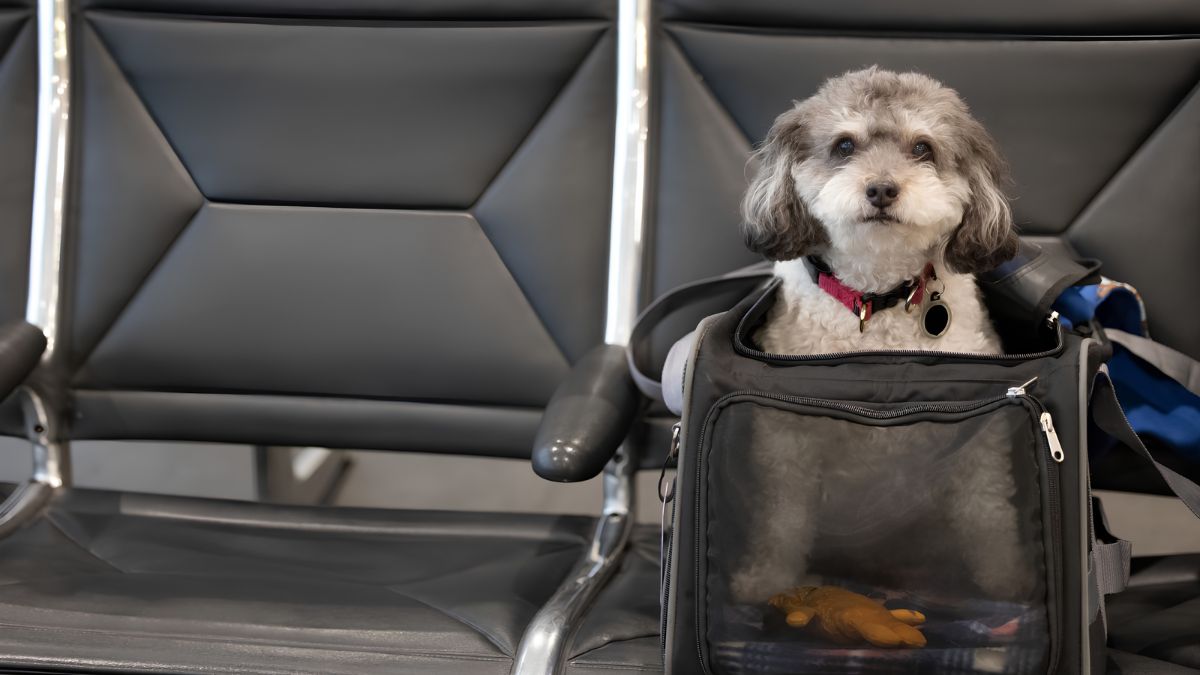
Planning a cross-border journey with a pet requires more preparation than arranging transportation and packing food for the trip. Travelers crossing between Mexico and the United States through San Ysidro need to consider the destination country’s animal entry rules, vaccination records, identification requirements, and any additional conditions that apply to their pet.
San Ysidro is a major land border crossing between Tijuana, Baja California, and San Diego, California. People travel through the area for family visits, holidays, veterinary appointments, and other personal reasons. However, requirements for bringing a pet into the United States are not necessarily the same as those for taking an animal into Mexico.
The rules can also differ depending on whether the animal is a dog, cat, or another species. Requirements may change according to the animal’s vaccination history, country of origin, health status, and travel circumstances.
The safest approach is to consult official government guidance before departure, organize the necessary records, and allow enough time to resolve questions before reaching the inspection point. A little preparation can help reduce avoidable delays and make the journey more manageable for both pets and their owners.
Direction
The first step is to establish which country you are entering and which country you are leaving. A person traveling from Tijuana into San Diego must follow U.S. entry requirements. Someone traveling from San Diego into Tijuana must check Mexico’s animal import rules.
This distinction matters because the two countries administer their own inspection procedures. Meeting the requirements of one country does not automatically mean the pet will meet the requirements of the other.
Travelers should also determine whether they are making a short visit or relocating with an animal. The purpose of travel may affect the documents requested by authorities, particularly when commercial transportation, animal sales, or multiple animals are involved.
Before leaving home, confirm the exact species and circumstances covered by the applicable rules. Dogs and cats may follow different procedures from birds, reptiles, rabbits, and other animals. Some species may be subject to additional restrictions or specialized permits.
Avoid relying exclusively on old travel blogs, social media posts, or advice from other pet owners. These sources may describe requirements that have changed or circumstances that do not match your journey.
Dogs
Dogs entering the United States are subject to specific federal requirements administered by the Centers for Disease Control and Prevention (CDC). The applicable rules depend on factors such as where the dog has been during the previous six months, its age, and whether it appears healthy when it arrives.
Travelers should begin with the CDC’s official dog importation requirements. This guidance explains the current federal conditions for bringing dogs into the United States, including the CDC Dog Import Form and additional requirements that may apply in certain circumstances.
A dog entering from Mexico should not be assumed to qualify under the same conditions as a dog arriving from every other country. Rabies-related requirements depend on the dog’s recent travel history and the applicable country classifications. Owners should review the current rules rather than relying on vaccination status alone.
For example, a rabies vaccination certificate may be important for veterinary care and for meeting other applicable requirements, but it does not replace every document or condition required for entry. Similarly, an animal that looks healthy may still need to satisfy specific documentation requirements.
Age is another consideration. Federal rules establish minimum age requirements for dogs entering the United States, and younger puppies may not qualify for entry. Travelers should check the current CDC guidance before making arrangements for a puppy.
If the dog has recently traveled to a country classified as high risk for dog rabies, additional conditions may apply even if the journey begins in Mexico. A travel itinerary that includes several countries should therefore be reviewed carefully.
Cats
Cats entering the United States generally follow a different federal process from dogs. The CDC does not require a general federal rabies vaccination certificate for cats entering the country, but it does require cats to appear healthy upon arrival. State or local rules and airline requirements may impose additional conditions.
Travelers should check the CDC’s official information about bringing animals into the United States and confirm whether other federal, state, or local requirements apply to their specific circumstances.
A cat that appears sick may face additional examination requirements. Other agencies may also regulate certain species or situations, so owners should not assume that the absence of a general federal rabies certificate requirement means that no preparation is needed.
Before departure, keep veterinary records readily available, including vaccination information and details of recent treatment. These records can help answer questions about the animal’s health and travel history.
Cats may also be more sensitive to unfamiliar environments than some dogs. A secure carrier, suitable ventilation, and a plan for minimizing noise and handling can help reduce stress during the journey. These practical measures do not replace entry requirements, but they make travel easier to manage.
Mexico
Travelers taking a pet from the United States into Mexico should review Mexico’s current animal health requirements before reaching the border. The Servicio Nacional de Sanidad, Inocuidad y Calidad Agroalimentaria (SENASICA), Mexico’s national service responsible for agricultural and animal health matters, provides official information about animal inspections and import procedures.
Start with the Mexican government’s SENASICA website and locate the current requirements for bringing companion animals into Mexico. Check the instructions for the species you are traveling with and confirm which documents, vaccinations, and health conditions apply.
Mexico’s inspection procedures may involve a review of the animal’s condition and relevant veterinary documentation. Requirements can differ according to the animal and the circumstances of the journey, so travelers should consult the latest official instructions rather than assume that every pet follows the same process.
Keep any veterinary certificate, vaccination record, and treatment information that may be relevant to the trip. If a certificate is required for your particular circumstances, confirm its validity period and whether it must be issued by an authorized veterinarian or endorsed by a government authority.
Travelers should also consider what will happen when they return to the United States. Entry into Mexico does not guarantee automatic re-entry into the United States under the same documentation arrangements. Check both directions of travel before departure, particularly if the trip includes an extended stay or additional international travel.
Documents
Organizing paperwork before departure can help prevent confusion at the inspection point. Create a travel folder containing the documents relevant to your pet and keep digital copies as a backup.
Depending on the destination and applicable rules, useful records may include:
- The owner’s identification and travel documents.
- The pet’s veterinary and vaccination records.
- Required import forms or animal health certificates.
- Rabies-related documentation, where applicable.
- Microchip details or other identification records, when required.
- Contact information for the veterinarian and relevant authorities.
Not every traveler will need every document on this list. The actual requirements depend on the species, destination, travel history, and current regulations. Use the official government instructions as the definitive checklist.
Check names, dates, and identification details for consistency. If a certificate is required, make sure it remains valid on the date of travel. Ask the issuing veterinarian to clarify any missing information well before departure.
Do not assume that a photograph of a document will be accepted in every situation. Carry the original documents when required and keep accessible copies in case the originals are misplaced.
If you are traveling with multiple pets, prepare a separate record for each animal. This makes it easier to match vaccination records, identification details, and any required forms to the correct pet.
Inspection
The San Ysidro crossing is a busy port of entry, and travelers should be prepared to follow instructions from border officials. Having complete documents available can make it easier to respond to questions about an animal’s health, ownership, and travel history.
Keep your pet safely contained while approaching the inspection area. Dogs should be secured with an appropriate leash or carrier, while cats should generally remain in a secure carrier during transit and inspection unless officials instruct otherwise.
Answer questions accurately. Officials may ask about where the animal has been, its vaccination history, or the purpose of the journey. If you are unsure about a requirement, ask for clarification rather than guessing.
Allow extra time for possible inspection or additional review. Traffic, waiting times, and inspection procedures can vary, and there is no guarantee that a pet-related check will take a fixed amount of time.
Do not assume that passing through a border crossing on a previous trip guarantees the same outcome on the next journey. Regulations, documentation, and an animal’s circumstances can change. Check current instructions shortly before departure.
Transport
Preparing the pet for transportation is as important as preparing the documents. Consider the length of the journey, the weather, the animal’s age, and any medical conditions that could affect its comfort.
Use a secure carrier or suitable restraint appropriate for the animal and vehicle. Make sure your pet can maintain a comfortable position and that the carrier has adequate ventilation. Avoid leaving an animal unattended in a parked vehicle, particularly in hot weather.
Bring water, familiar bedding where practical, waste bags, and any necessary medication. For longer trips, plan appropriate opportunities for dogs to rest and relieve themselves before reaching the border. Cats should remain in secure carriers in unfamiliar or busy environments to reduce the risk of escape.
If your pet has a medical condition, consult your veterinarian before traveling. Ask whether the journey is suitable and whether medication, feeding schedules, or other precautions need to be adjusted.
Sedation should not be used casually to make a pet easier to transport. Discuss any proposed medication with a veterinarian, especially if the animal will experience heat, prolonged travel, or changes in altitude.
Travelers using public transportation or commercial carriers should separately confirm the provider’s animal policies. A pet may satisfy government entry requirements but still be subject to a carrier’s restrictions concerning size, carrier dimensions, health documentation, or advance reservations.
Timing
Begin planning well before the intended travel date. Some requirements can be checked quickly, while others may require veterinary appointments, laboratory testing, certificates, or additional administrative steps.
Start by identifying the rules for the destination country. Next, confirm that your pet’s vaccination history and identification meet the applicable conditions. If a health certificate or official endorsement is needed, ask the relevant veterinarian or authority how far in advance it must be arranged.
Review the requirements again a few days before travel. This final check is especially useful if your journey involves multiple countries or if the pet has recently traveled internationally.
Avoid making nonrefundable travel arrangements until you understand whether your pet can meet the entry conditions. If you are traveling with an animal that has recently received a vaccination, has an uncertain travel history, or has an unusual medical condition, obtain clarification from the relevant authority before departure.
Owners should also plan for the return journey. Save the official requirements for both directions and note any conditions that must be satisfied before leaving the destination country.
Problems
If a document is missing or an entry requirement has not been met, the consequences can vary according to the applicable rules and circumstances. Officials may request additional documentation, require further examination, or apply other measures permitted by law.
Do not assume that a missing certificate can be replaced immediately at the border. Some requirements must be satisfied before arrival, and a local veterinary clinic may not be able to resolve every documentation issue on short notice.
If your pet becomes ill shortly before travel, contact a veterinarian and reassess the journey. Traveling with a sick animal may increase its discomfort and could complicate inspection.
If an official questions your paperwork, ask which requirement remains outstanding and whether an approved way to address it is available. Follow the instructions provided by the relevant authority rather than relying on unofficial advice from other travelers.
Maintain a contingency plan in case the journey must be postponed. This might include identifying a suitable place to stay, arranging care for the pet, or knowing how to change transportation reservations.
Checklist
Before traveling through San Ysidro with a pet, complete a final review of the arrangements.
- Confirm whether you are entering the United States or Mexico.
- Check the current official requirements for your pet’s species.
- Review vaccination, health certificate, and identification requirements.
- Consider the pet’s recent travel history and age.
- Prepare the required paperwork and keep it accessible.
- Confirm any additional rules imposed by your transportation provider.
- Arrange safe transportation, water, and suitable rest breaks.
- Check requirements for the return journey.
- Revisit official guidance shortly before departure.
Planning a cross-border journey with a pet through San Ysidro is primarily a matter of confirming the correct requirements, preparing accurate documentation, and allowing enough time to address questions. The rules for dogs, cats, and other animals are not identical, and requirements can depend on the animal’s travel history and destination.
By consulting official U.S. and Mexican government resources, checking both directions of travel, and preparing your pet for the journey, you can make more informed decisions and reduce the risk of avoidable complications at the border.
FAQs
Can I cross San Ysidro with my pet?
Yes, if your pet meets the applicable entry requirements.
Do dogs need documents to enter the US?
Yes. Dogs must meet current CDC entry requirements and documentation rules.
Do cats have the same entry rules as dogs?
No. Requirements differ by species and destination.
Where can I check Mexico’s pet entry rules?
Consult the official SENASICA website for current animal entry requirements.
Should I check rules before returning home?
Yes. Confirm entry requirements for both directions before traveling.