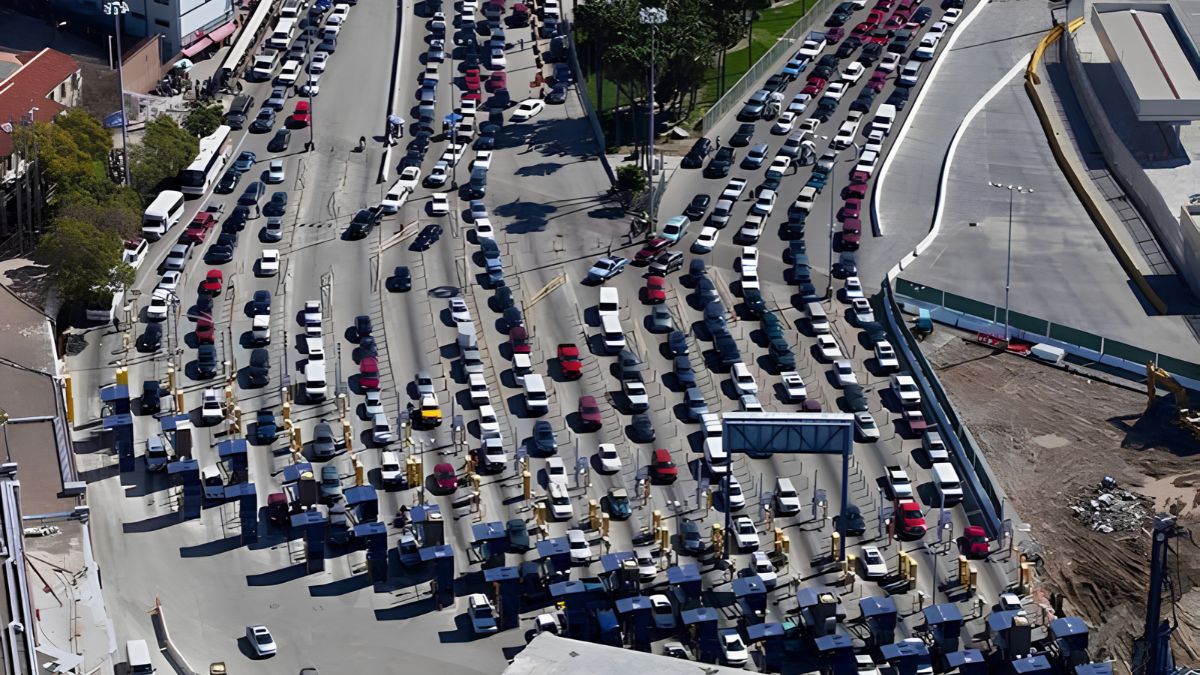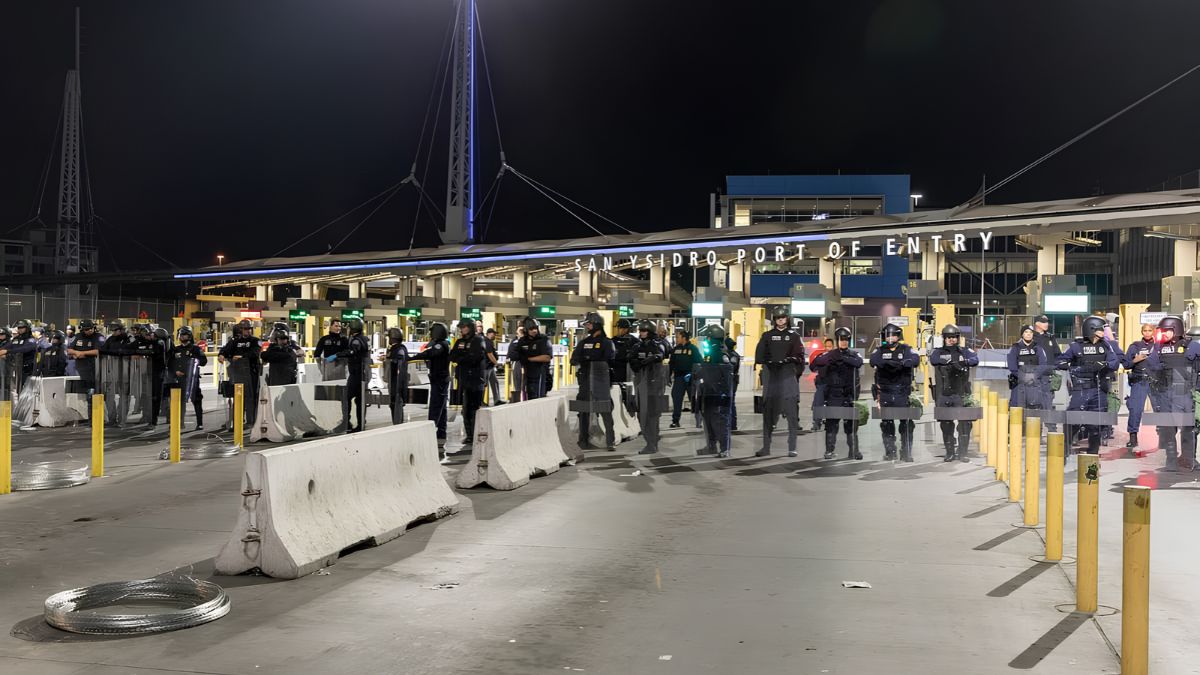
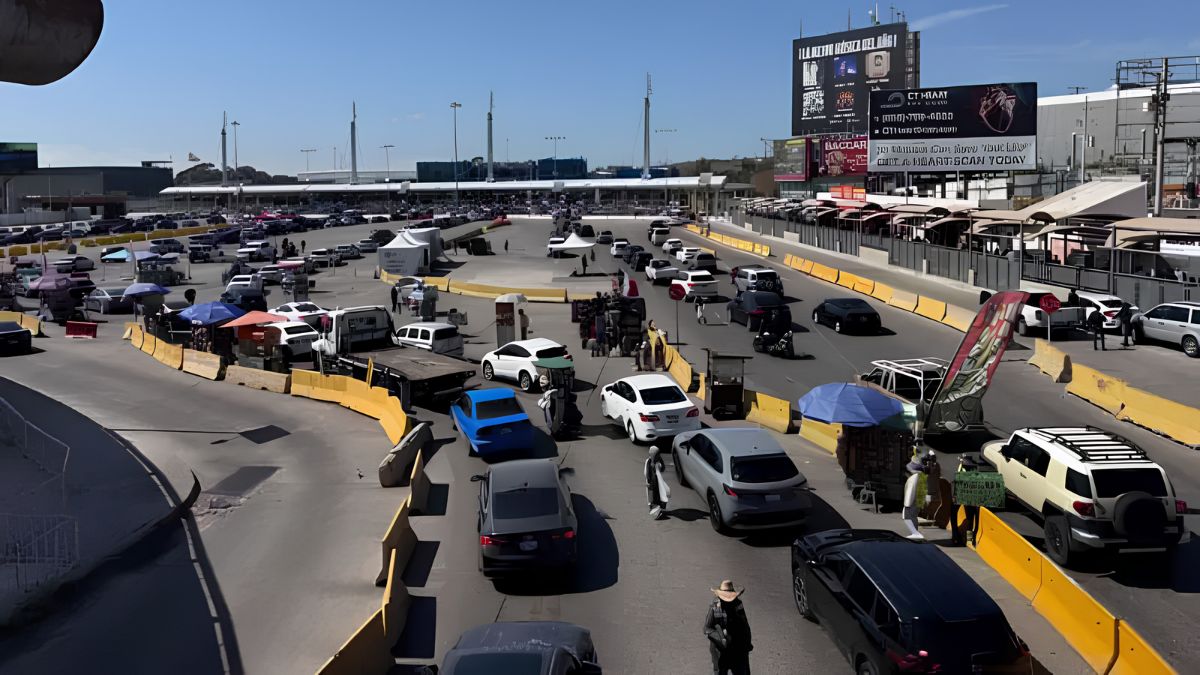
Long waits near the San Ysidro Port of Entry can affect drivers traveling between San Diego and Tijuana, particularly during busy travel periods, holidays, and peak commuting hours. Although crossing times vary, preparing for a delay can help drivers manage fuel, stay hydrated, keep passengers comfortable, and respond to unexpected vehicle problems.
A little preparation can make a difference when traffic moves slowly or vehicles remain in queues for extended periods. Drivers should check their fuel level before approaching the border, carry drinking water, keep essential emergency supplies in the vehicle, and make sure their car is in suitable condition for the journey.
Preparation is especially important for families traveling with children, people carrying essential medication, and drivers whose vehicles have limited fuel reserves. The aim is not to anticipate every possible problem but to reduce avoidable risks and make an unexpected delay easier to manage.
Fuel
Fuel should be one of the first things drivers check before heading toward San Ysidro. Stop-and-go traffic can increase fuel consumption compared with steady driving, particularly in vehicles that use more fuel during repeated acceleration.
Avoid approaching a long queue with the fuel warning light already illuminated. If traffic is backed up and nearby stations are difficult to reach, a low fuel level can create unnecessary pressure.
Refuel before entering the busiest part of your route when practical. The appropriate reserve depends on your vehicle, the expected journey, traffic conditions, and the availability of fuel stations.
Drivers should also pay attention to their vehicle’s fuel range rather than relying entirely on the distance-to-empty display. These estimates can change as driving conditions and fuel consumption change.
If your vehicle is electric, check the battery charge and available charging options before traveling. Heavy traffic may affect energy consumption, particularly when air conditioning or heating is used for long periods.
Never carry spare gasoline in an ordinary passenger compartment or use an improvised fuel container. Gasoline vapors are flammable, and fuel must be stored and transported only in approved containers and in accordance with applicable safety requirements.
Water
Drinking water is another essential item, particularly during warm weather. Waiting in traffic can become uncomfortable when passengers cannot easily reach shops or other facilities.
Carry enough water for everyone in the vehicle, including children and older passengers. The amount required depends on the weather, the length of the trip, the number of occupants, and individual health needs.
Keep water accessible rather than buried beneath luggage. Reusable bottles or securely closed containers can help reduce spills.
Heat can increase the risk of dehydration, especially for children, older adults, and people with certain medical conditions. Air conditioning may help maintain a comfortable cabin temperature, but drivers should not assume that it eliminates the need for drinking water.
Avoid leaving plastic bottles or other items where they could roll under the pedals or interfere with vehicle controls. Store supplies securely so that sudden braking does not turn loose objects into hazards.
Supplies
A compact emergency kit can help drivers manage common problems without filling the vehicle with unnecessary equipment. The best kit is one that suits the vehicle, the passengers, and the route.
Useful items include a first-aid kit, flashlight, spare batteries or a charged rechargeable light, phone charging cables, a power bank, and basic nonperishable snacks. A reflective warning triangle or other appropriate roadside warning equipment may also be useful where legally permitted and safe to deploy.
Drivers should keep a vehicle manual, registration information, and relevant roadside assistance details accessible. A small notepad and pen can help record information if a breakdown or incident occurs.
Consider including wet wipes, tissues, hand sanitizer, and waste bags to maintain basic hygiene during a prolonged wait.
Avoid packing loose equipment where it could obstruct the driver or become dangerous in a collision. Heavy objects should be secured, and emergency supplies should remain accessible without requiring passengers to unload the vehicle.
The Federal Emergency Management Agency provides guidance on preparing emergency supplies through its official emergency supply kit recommendations.
Vehicle
Before setting out, check the condition of your car. A vehicle that is reliable during an ordinary commute may still develop problems during a longer journey involving heavy traffic and frequent stops.
Check tire pressure according to the manufacturer’s recommendations, inspect tires for visible damage, and confirm that the spare tire or tire repair equipment is available if your vehicle uses it. Make sure headlights, brake lights, turn signals, and windshield wipers are working properly.
Check engine oil and coolant levels according to the owner’s manual. If the vehicle has a history of overheating, battery problems, or other mechanical faults, arrange an inspection before making the trip.
Drivers should also confirm that the battery is in good condition and that any warning lights are addressed. Routine maintenance can reduce the likelihood of a breakdown when access to a repair facility is limited.
Never open a hot radiator or coolant reservoir. Pressurized coolant can cause serious burns. If the engine overheats, pull over somewhere safe when possible, turn off the engine, and follow the vehicle manufacturer’s instructions.
For additional guidance, the National Highway Traffic Safety Administration provides official information on vehicle safety and maintenance.
Comfort
Long waits can be tiring, particularly for families or people traveling after a full day of work. Basic comfort items can help passengers manage a delay without distracting the driver.
Pack light snacks that are easy to store and eat, along with any necessary medication. If someone in the vehicle has a medical condition, follow their clinician’s advice about medication timing, hydration, and heat exposure.
Sunglasses, sunscreen, and a hat can be useful if passengers need to leave the vehicle in a permitted area. A light blanket may be helpful during cooler weather, especially for children.
Plan for restroom breaks before approaching a known bottleneck. Once a vehicle is in a controlled border queue, drivers may have limited options for leaving the line or accessing facilities.
Avoid consuming food or drinks in ways that distract the driver. When traffic starts moving, attention should return to the road and the instructions given by traffic or border officials.
Communication
A charged phone is an important part of any travel emergency plan. Before departure, charge your phone, bring a suitable charging cable, and consider a power bank that can provide additional battery capacity.
Save important contact details, including roadside assistance, insurance information, and emergency contacts. If you are traveling internationally, check whether your mobile plan covers calls and data in Mexico as well as the United States.
Navigation apps can help identify traffic conditions and alternative routes before reaching the queue. However, drivers should not make sudden lane changes or attempt unauthorized detours based on an app’s suggestions.
Tell someone your intended route and estimated arrival time if the journey is likely to be long. If delays change your plans significantly, update them when it is safe to do so.
For official border crossing information, consult U.S. Customs and Border Protection’s Border Wait Times. Check conditions before leaving and, where practical, before approaching the crossing. Posted estimates can change, so they should be treated as guidance rather than a guarantee.
Heat
Heat management deserves particular attention in Southern California, where temperatures can rise considerably during warmer months. A stationary vehicle can become dangerously hot, even when the outside temperature initially feels manageable.
Keep drinking water available and use the vehicle’s climate control when appropriate. If you need to run the engine for air conditioning, do so only when it is safe and lawful, and make sure the exhaust system is not obstructed.
Never leave children, vulnerable adults, or pets unattended in a parked vehicle. Interior temperatures can rise quickly, and cracked windows do not provide reliable protection against heat-related illness.
Watch for signs of heat exhaustion, including dizziness, weakness, heavy sweating, nausea, and headache. If someone becomes confused, collapses, or shows signs of severe heat illness, seek emergency medical help immediately.
If conditions inside the vehicle become unsafe, follow instructions from officials and move to a safe location when possible. Do not leave a controlled traffic queue or enter a roadway on foot without considering traffic and security risks.
Safety
A long queue can create frustration, but drivers should maintain safe distances and follow traffic instructions. Avoid blocking intersections, emergency access routes, driveways, or designated lanes.
Keep seat belts fastened whenever the vehicle is moving. If traffic stops, remain alert because vehicles may begin moving unexpectedly.
Do not use a phone while driving unless the activity is legally permitted and can be performed safely. Set navigation and music before entering heavy traffic, and avoid handling loose items while behind the wheel.
If the vehicle develops a mechanical problem, move out of active traffic if it is safe to do so. Activate hazard lights when appropriate and contact roadside assistance or emergency services depending on the circumstances. On a busy road, do not attempt repairs in a location where passing traffic puts you at risk.
Drivers should also know that border inspection procedures may limit where they can stop, exit, or move their vehicles. Follow instructions from border officers and traffic personnel rather than attempting to leave the queue without permission.
Planning
Preparing for a long wait near San Ysidro begins before the journey. Check current crossing conditions, refuel when practical, inspect the vehicle, and pack enough water and basic supplies for everyone traveling.
Keep the most important items within reach, secure all equipment, and make sure passengers can access medication and drinking water without distracting the driver. If you are traveling with children or people who need additional assistance, allow extra time and plan around their needs.
No emergency kit can eliminate every risk, and border waiting times remain unpredictable. However, sensible preparation can reduce the likelihood that a routine delay becomes a more difficult situation. A maintained vehicle, adequate fuel, accessible water, reliable communication, and a few essential supplies provide a practical foundation for safer travel through the San Ysidro area.
FAQs
How much water should I carry for a long border wait?
Carry enough for everyone, adjusting for weather, trip length, and health needs.
Should I refuel before reaching San Ysidro?
Yes. Refueling beforehand reduces the risk of running low during heavy traffic.
What should a car emergency kit include?
Include first aid supplies, a flashlight, phone charger, snacks, and essential documents.
Can I leave my car running while waiting?
Only when safe and lawful. Never run a vehicle in an enclosed or poorly ventilated space.
Where can I check San Ysidro border wait times?
Check the official U.S. Customs and Border Protection Border Wait Times website.