
Traveling through San Ysidro with prescription medicines requires more preparation than simply placing medication in a bag and carrying it across the border. Travelers entering the United States from Mexico, or crossing into Mexico from California, may face different rules depending on the medicine, its ingredients, the quantity carried, and whether it is intended for personal use.
For people who depend on daily medication, these details are important. A prescription issued in one country does not automatically establish that a medicine can be imported into another. Products containing controlled substances, including certain painkillers, sedatives, and stimulant medications, may face additional restrictions.
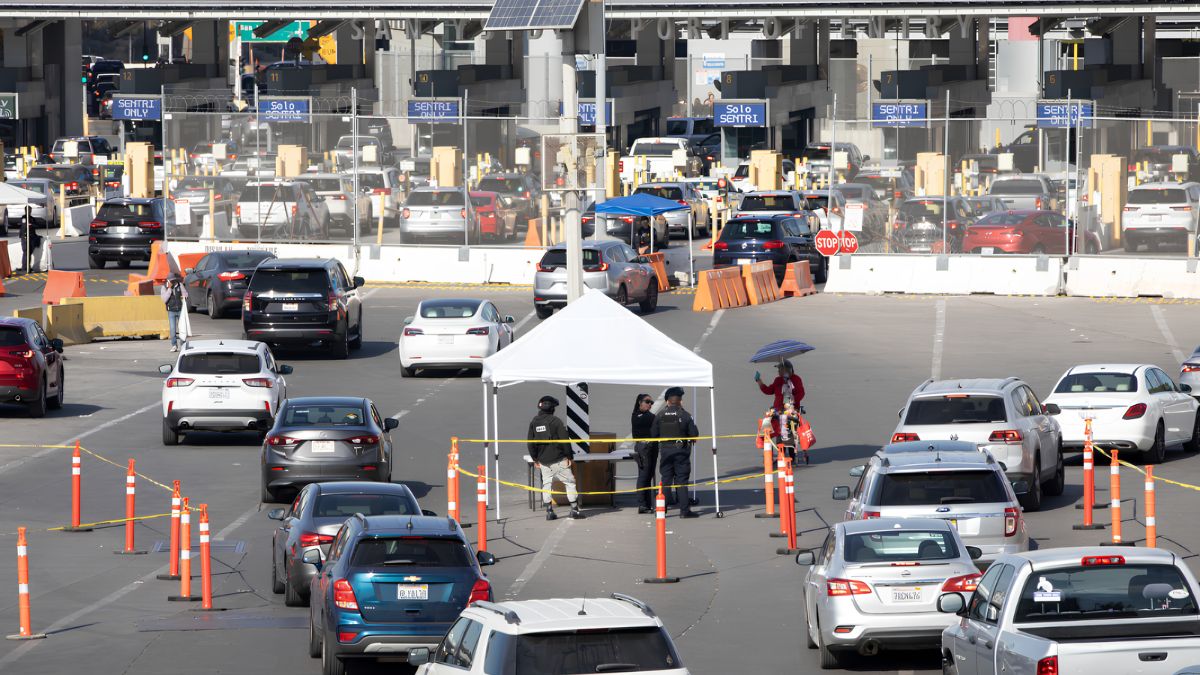
San Ysidro is a major land crossing between San Diego County and Tijuana, making it a common route for residents, visitors, and people traveling for medical care or other personal reasons. However, the rules applicable to a traveler depend on the direction of travel and the laws of the country being entered.
The safest approach is to check official U.S. and Mexican guidance before departure, carry appropriate documentation, and confirm any special requirements for controlled medications. The following questions provide a practical starting point for that review.
Direction
The first question is simple: are you entering the United States from Mexico, or entering Mexico from the United States?
These are separate legal situations. U.S. rules govern the importation of medicines into the United States, while Mexican rules govern medicines brought into Mexico. Permission to carry a particular medicine in one direction should not be treated as permission to carry it in the other.
Travelers should also distinguish between crossing with medication for personal use and transporting products for another person or for commercial purposes. Different requirements may apply.
Before traveling, consult the relevant official authorities for the country you are entering. For U.S. entry, the U.S. Food and Drug Administration provides information on personal importation of prescription drugs.
For entry into Mexico, travelers should consult current Mexican government guidance and confirm requirements with the relevant health authority or Mexican consular office. Rules may depend on the medicine’s active ingredient and classification, rather than only its brand name.
Ingredients
Do you know the active ingredients in your prescription medicine?
This is an important question because the same or similar medicines may be regulated differently across national borders. A medication prescribed routinely in the United States may contain an ingredient subject to additional controls in Mexico, or the reverse may be true.
Pay particular attention to medicines containing opioids, benzodiazepines, amphetamine-based stimulants, or other substances that may be controlled. Some medicines used to treat anxiety, attention disorders, pain, and sleep conditions can fall into these categories.
Do not rely only on a brand name, the color of a pill, or the fact that a pharmacy supplied it legally. Check the generic name and active ingredients on the packaging or prescription label.
If the medicine contains a controlled substance, contact the appropriate authority before traveling. Ask whether importation is permitted, whether a specific quantity limit applies, and whether advance authorization, a permit, or additional documentation is required.
When the legal status is unclear, a pharmacist or prescribing clinician can help identify the medicine’s ingredients. However, confirmation of the ingredients is not the same as legal authorization to import the product.
Quantity
How much medication are you planning to carry?
The quantity may affect how authorities assess a shipment, particularly when the medicine is controlled or subject to special import conditions. A supply intended for a short trip may be treated differently from a large quantity, but travelers should not assume that a particular number of days’ medication is automatically permitted.
Check the rules for the specific medicine and destination before deciding how much to pack. Do not assume that carrying a 30-day or 90-day supply is lawful simply because the prescription covers that period.
For ordinary prescription medicines, carrying a reasonable amount consistent with your treatment and travel dates may help explain that the medication is for personal use. Nevertheless, this does not replace any applicable import requirements.
Controlled medicines may have specific quantity limits, documentation requirements, or restrictions that differ from those for other prescriptions. If your trip includes a longer stay, multiple border crossings, or a change in medication supply, verify that your planned quantity is permitted for each crossing.
Keep a record of the medicine’s name, prescribed dosage, and quantity. This information can help you explain what you are carrying if an official asks about it.
Packaging
Are your medicines in their original packaging?
Keeping medication in its original pharmacy-labeled container is a useful precaution. The label can help identify the patient, medicine, dosage instructions, and dispensing pharmacy. It may also help officials distinguish prescribed treatment from unidentified tablets or loose capsules.
Where practical, carry the medicine in its original packaging and keep it with the relevant prescription or medical documentation. Avoid transferring multiple medicines into unlabeled containers before crossing the border.
For medicines supplied in blister packs, inhalers, injection devices, or other specialized packaging, retain the product information where possible. If you use a pill organizer for daily treatment, consider carrying the original labeled containers as well.
Packaging alone does not establish that a medicine is permitted for import. A properly labeled prescription can still contain an ingredient subject to restrictions, and some medicines may require additional authorization.
Travelers should also avoid carrying medication belonging to someone else unless they have verified the applicable rules and are legally permitted to do so. A prescription in another person’s name may not adequately establish that the medicine is intended for your personal treatment.
Documentation
What documents can you show if an officer asks about your medicine?
For many travelers, useful documents include a current prescription, the pharmacy label, and a letter from the prescribing clinician explaining the medical need for the treatment. The letter may identify the generic name of the medicine, prescribed dosage, and quantity required during the trip.
For medicines with additional import restrictions, these documents may not be enough. A permit, advance authorization, or other formal documentation may be required, depending on the destination and the substance involved.
Travelers should check whether documents must be issued in a particular language or format. If entering Mexico with a medicine subject to special controls, confirm the current requirements with the appropriate Mexican authority before departure. Likewise, anyone bringing medication into the United States should check the applicable U.S. requirements.
The U.S. Customs and Border Protection website provides official information about entering the country and restricted items. Travelers can begin with the agency’s travel guidance and seek clarification about the requirements relevant to their circumstances.
Documentation should be consistent. The name on the prescription, the medicine’s label, and the traveler’s identification should not create avoidable confusion. If a medicine was dispensed under a different legal name or a prescription has recently changed, ask the prescribing clinician or pharmacist what supporting records may be appropriate.
Controlled
Does the medication contain a controlled substance?
This question deserves separate attention because controlled medicines may be subject to requirements beyond those applying to ordinary prescriptions. Some substances have restrictions on importation, quantity, packaging, or documentation. Others may require prior authorization or may not be permitted under the intended travel circumstances.
The U.S. Drug Enforcement Administration provides information about controlled substances and applicable federal requirements. Its official website is available at DEA Diversion Control.
Travelers should verify the specific active ingredient and intended direction of travel rather than relying on a general description such as “pain medication” or “anxiety medicine.” Medicines within the same therapeutic category can have different legal classifications.
Do not assume that a doctor’s prescription automatically overrides import restrictions. Similarly, do not assume that a medicine sold legally in a pharmacy in Mexico can be brought into the United States without additional checks.
If an official source does not clearly address your medicine, seek guidance from the relevant regulator before crossing. For a controlled substance, it is particularly important to obtain a clear answer about whether importation is allowed and what steps must be completed beforehand.
Mexican
What rules apply when bringing prescription medication into Mexico?
Travelers entering Mexico should confirm whether their medicine is permitted for personal use and whether its active ingredient falls under special controls. Requirements can vary significantly between ordinary prescription medicines and products containing controlled substances.
Mexico’s Federal Commission for the Protection against Sanitary Risks, known as COFEPRIS, is an important official source for health-related regulatory information. Travelers can begin with the COFEPRIS website and verify the current requirements for their specific medicine.
If the medicine is controlled, do not rely solely on advice from an online discussion, a pharmacy employee, or another traveler who crossed the border with a similar product. Their circumstances, medication, and travel dates may be different.
Contact the relevant Mexican authority or a Mexican consular office to confirm whether a permit or other authorization is required. Ask about the permitted quantity, supporting documents, and any restrictions on carrying the medicine into the country.
This is especially important for travelers using medicines for attention-deficit/hyperactivity disorder, severe pain, anxiety, or sleep disorders, because some products in these categories contain controlled substances. The category of treatment alone does not determine whether a medicine is allowed.
U.S. Entry
What should you check when returning to the United States with medicine purchased or prescribed in Mexico?
The fact that a medicine was legally obtained in Mexico does not automatically mean it can be imported into the United States. U.S. law places restrictions on importing prescription drugs from abroad, and the FDA generally advises consumers that importing drugs from other countries is prohibited except in limited circumstances.
The FDA’s personal importation guidance explains the general framework and the limited circumstances in which an importation may be considered. Travelers should review the current guidance rather than assume that a prescription or pharmacy receipt guarantees entry.
You should also distinguish between carrying medication that was originally prescribed in the United States and bringing a product purchased abroad. The applicable requirements may differ depending on the product, its approval status, and the circumstances of the importation.
For controlled substances, additional federal requirements may apply. Before purchasing medication in Mexico with the intention of taking it back across the border, verify that importation is lawful and that any required authorizations have been obtained.
Do not assume that a medicine is permitted simply because it is available without a prescription in the country where it was purchased. Prescription classifications, approved formulations, and import restrictions can differ between countries.
Declaration
Should you tell border officials about the medication you are carrying?
Travelers should answer officers’ questions truthfully and follow the applicable declaration and inspection procedures. If asked about medicines, explain what you are carrying and provide relevant documentation when requested.
Do not conceal medicines, remove labels to avoid questions, or provide inaccurate information about their purpose. Attempting to disguise a product can complicate an inspection and create additional concerns.
If you are uncertain whether a medicine must be declared or whether a specific document is required, check the official guidance for the country you are entering before traveling. Requirements can depend on the product and the circumstances, so a general rule may not cover every situation.
Keep your prescription and supporting documents accessible rather than packed in a separate bag that is difficult to reach. This can make it easier to answer questions during an inspection.
Remember that declaring a medicine does not make an otherwise prohibited import lawful. Travelers must still meet any applicable authorization requirements and comply with restrictions on controlled substances.
Travel
A few practical steps can make medication planning easier before a San Ysidro border crossing.
- Check the active ingredient and legal classification of every prescription medicine you plan to carry.
- Confirm the rules for the country you are entering, especially if the medicine contains a controlled substance.
- Keep medication in its original labeled packaging whenever practical.
- Carry your prescription and relevant medical documentation.
- Verify quantity limits and whether advance authorization is required.
- Check the official guidance again before travel, particularly if your medication or destination has changed.
- Keep enough time in your travel plans to resolve questions with the appropriate authority.
Travelers who use refrigerated medicines, injectable treatments, or medical devices should also plan for safe storage and transportation. Follow the manufacturer’s storage instructions and ask a pharmacist or clinician how to maintain the medicine’s required conditions while traveling.
For people crossing the border regularly, it is worth reviewing the requirements each time there is a change in medication, dosage, packaging, or travel arrangements.
Preparation
Traveling through San Ysidro with prescription medicines can be straightforward when the medication is permitted and the traveler has the necessary documentation. However, the rules are not identical in the United States and Mexico, and controlled substances may require additional checks.
The most important step is to identify the exact medicine and confirm the requirements with official authorities in the country you intend to enter. A prescription, pharmacy label, and clinician’s letter can help explain legitimate medical use, but they do not replace a required permit or guarantee that importation is allowed.
By checking the relevant rules before departure, keeping records accessible, and answering border officials’ questions accurately, travelers can prepare for the crossing with a clearer knowing of their responsibilities.
FAQs
Can I cross San Ysidro with prescription medicines?
It depends on the medicine, quantity, destination, and applicable import rules.
Should medicines remain in original packaging?
Yes, original labeled packaging is a useful precaution when traveling.
Can I bring controlled medicines across the border?
Some are restricted and may require authorization. Check official rules first.
Is a prescription enough to import medicine?
Not always. Additional permits or restrictions may apply.
Where can I check official medication import rules?
Consult the FDA, CBP, DEA, and relevant Mexican health authorities.