For businesses in San Ysidro, California, a professional brand identity can influence how customers discover a store, evaluate its products, and decide whether to return. A recognizable storefront, consistent packaging, and clear messaging help customers understand what a business offers and what distinguishes it from competitors. These elements also make a business easier to identify across physical locations, websites, and social media platforms.
Building a brand does not necessarily require a complete redesign or a large marketing budget. Small businesses can make meaningful improvements by aligning their visual presentation with their products, services, and customer expectations. In a community shaped by local commerce and cross-border activity, businesses may also need to consider language preferences, cultural awareness, accessibility, and the needs of different customer groups.
A coordinated approach to storefront design, packaging, and messaging gives business owners a practical way to strengthen recognition, communicate value, and establish a more consistent customer experience.
Identity
Brand identity refers to the visual and verbal elements that help people recognize a business. It includes the logo, colors, typography, signage, packaging, written communication, and overall presentation of products and services.
For a San Ysidro business, these elements should reflect the company’s purpose and the customers it serves. A neighborhood restaurant, a clothing retailer, a beauty salon, and a specialty grocery store have different audiences and operating requirements. Their branding should reflect those differences rather than rely on a generic design that could represent almost any business.
A useful starting point is to define three things: what the business offers, who it serves, and what customers should remember about it. These answers can guide decisions about colors, imagery, messaging, and storefront presentation.
For example, a family-owned restaurant might emphasize hospitality, familiar flavors, and dependable service. A specialty retailer could focus on product selection, quality, and convenience. In both cases, the brand should communicate these qualities clearly without making claims the business cannot support.
Consistency is equally important. When the same logo, color palette, and tone appear across signs, shopping bags, menus, receipts, and online profiles, customers have more opportunities to associate those elements with the business.
Business owners can begin by documenting their core brand elements in a short guide. This document should identify approved logo versions, colors, fonts, image styles, and preferred language. It gives employees and external designers a common reference and helps prevent inconsistent materials from appearing over time.
Storefront
A storefront often serves as a business’s first point of contact with potential customers. Its appearance can help people identify the type of business, understand what it sells, and determine whether the location meets their needs.
In San Ysidro’s commercial areas, where customers may encounter several businesses during a single shopping trip, clear exterior presentation can support visibility and recognition. Storefront design should therefore prioritize readability, organization, and a clear connection between the business name and its offerings.
Signage is one of the most important considerations. Business names should be easy to read from an appropriate distance, with lettering and contrast suited to the location. Decorative elements can add personality, but they should not make essential information difficult to understand.
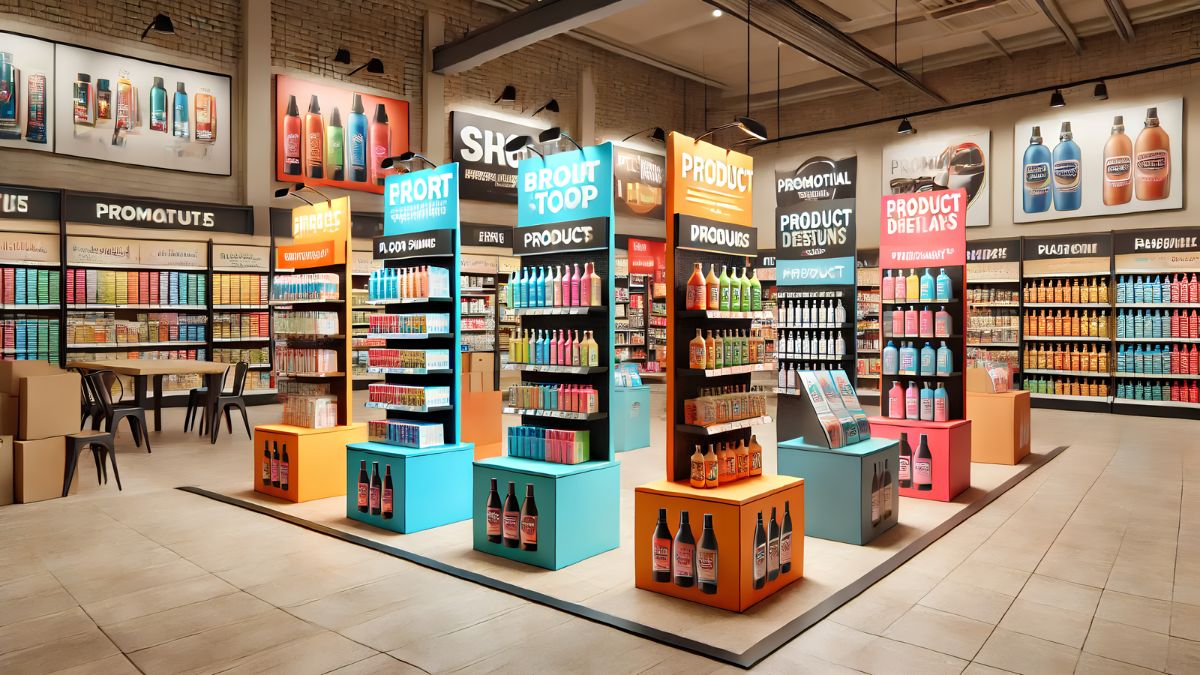
Lighting also deserves attention. Adequate illumination can improve visibility around entrances and displays, while well-maintained windows and exterior surfaces help create an organized appearance. Window displays can highlight seasonal products, popular items, or services without overcrowding the available space.
Accessibility should be considered during the design process. Entrances and pathways should remain clear, and important information should be easy to locate. Businesses should also review applicable local requirements for signs, permits, accessibility, and building improvements before making physical changes.
Official guidance from the City of San Diego provides information about development services, permits, and applicable requirements within the city’s jurisdiction. Because San Ysidro is a community within the City of San Diego, business owners should confirm which rules apply to their specific property and proposed project.
A storefront does not need elaborate architecture to communicate professionalism. Clean signage, coordinated colors, maintained windows, and a clear entrance can establish a recognizable presentation without requiring a complete renovation.
Packaging
Packaging extends a brand beyond the storefront and into the customer’s daily life. Shopping bags, takeaway containers, product labels, boxes, and printed inserts can all reinforce recognition when they follow a consistent design.
For small businesses, packaging decisions should balance appearance, functionality, cost, and product requirements. A restaurant needs packaging that protects food during transport, while a clothing retailer may prioritize reusable bags and clear product identification. A specialty shop selling locally made goods may benefit from packaging that communicates the product’s origin and intended use.
The first step is to establish a recognizable visual system. The business logo, color palette, and typography should match the storefront and other marketing materials. This consistency helps customers connect different parts of the business experience.
Packaging should also provide useful information. Depending on the product, this may include ingredients, care instructions, product specifications, contact details, or legally required disclosures. Text should be legible, accurate, and positioned where customers can find it easily.
For businesses serving customers with different language preferences, bilingual packaging may improve understanding. English and Spanish information can be particularly useful when both languages are relevant to the intended audience. However, translations should be reviewed for accuracy, and essential information should not be crowded into a small label simply to accommodate additional text.
Material selection is another consideration. Business owners can compare durability, printing costs, storage requirements, and waste when choosing packaging. Recyclable or reusable options may support a company’s environmental goals, but any environmental claims should accurately reflect the materials and local disposal options.
The U.S. Federal Trade Commission’s Green Guides provide official guidance on environmental marketing claims. Businesses promoting packaging as recyclable, compostable, or environmentally preferable should review relevant guidance and ensure their statements are supported.
Cost management is important, particularly for businesses ordering packaging in large quantities. Before committing to a custom design, owners can test a small batch, check print quality, and confirm that labels remain readable under normal use. Standard packaging with professionally applied branding may also be a practical starting point for businesses that are not ready to invest in fully customized materials.
The goal is to make packaging recognizable and useful while ensuring that its cost remains appropriate for the product’s price and profit margin.
Messaging
Visual branding helps customers recognize a business, but messaging explains what the business does and why its products or services may be relevant to them. Clear communication can reduce uncertainty and make it easier for customers to make informed decisions.
A brand message should begin with a straightforward description of the business. Customers should be able to understand its primary offering without having to interpret vague slogans or overly technical language.
Business owners can develop their messaging by answering three questions:
- What products or services does the business provide?
- Which customer needs does it address?
- What verifiable qualities distinguish it from similar businesses?
The answers can inform storefront descriptions, website content, advertisements, product labels, and social media profiles.
For example, a local grocery store might emphasize product variety, convenient shopping, and helpful service. A salon could explain its available treatments, appointment process, and pricing. These messages provide practical information while communicating the business’s approach to customer service.
The tone should remain consistent across channels. A business that presents itself as approachable in person should use similarly clear and welcoming language in its online communications. A professional service provider may choose a more formal tone, but its messages should still be understandable.
Language choices matter in San Ysidro, where some businesses may serve customers who prefer English, Spanish, or both. Offering information in relevant languages can make services easier to understand and help customers navigate purchases, appointments, and policies.
Messaging should also avoid unsupported promises. Claims about product quality, savings, delivery times, or business credentials should be accurate and capable of being substantiated. Clear descriptions are generally more useful to customers than broad statements that cannot be verified.
Business owners can review their existing communication by examining their website, signage, packaging, and customer service materials together. If the business name, services, contact details, or central message differ across platforms, correcting those inconsistencies should be a priority.
Consistency
Brand consistency means presenting the same core identity across customer interactions while adapting the format to each channel. A storefront sign, product label, website, and social media post do not need to look identical, but they should feel connected.
A written brand guide helps maintain that connection. It can include logo files, approved colors, font choices, photography guidelines, messaging principles, and examples of correct usage. The guide does not need to be lengthy. A concise document can provide enough direction for employees, printing companies, freelance designers, and marketing agencies.
Consistency also applies to practical business information. Opening hours, addresses, phone numbers, product names, and service descriptions should remain accurate across online listings and printed materials. Conflicting information can inconvenience customers and undermine confidence in the business.
The U.S. Small Business Administration offers official guidance on marketing and sales that business owners can use when reviewing their marketing approach. Its resources can help companies consider how marketing activities relate to customer needs, business objectives, and available resources.
Regular reviews are useful because branding changes as businesses introduce new products, update services, or reach different customer groups. However, every update does not require a new identity. Keeping recognizable elements while making necessary improvements can preserve customer familiarity.
Investment
Brand development should be approached as a business investment with defined priorities rather than a collection of unrelated design purchases.
A practical first step is to conduct a simple brand audit. Review the storefront, packaging, printed materials, website, and social media accounts. Identify which elements appear outdated, inconsistent, difficult to read, or disconnected from the business’s current offerings.
Next, rank improvements according to their likely impact and cost. A business with an unreadable sign may benefit more from correcting it than from ordering premium packaging. A company with inconsistent contact information should address that problem before spending heavily on a new advertising campaign.
A phased plan can make the process easier to manage.
| Phase | Priority | Practical action |
|---|---|---|
| First | Recognition | Standardize the logo, colors, and business name |
| Second | Visibility | Improve storefront signage and window presentation |
| Third | Customer experience | Update packaging and essential product information |
| Fourth | Communication | Align website, social media, and printed messaging |
| Fifth | Evaluation | Review results and identify further improvements |
Costs will vary according to the size of the business, the materials required, and whether professional design or installation services are needed. Owners should obtain quotes, review sample designs, and confirm what deliverables are included before approving a project.
It is also useful to establish a few measurable indicators. These might include customer inquiries, repeat purchases, website visits, engagement with promotional posts, or sales of products featured in updated displays. Where possible, businesses should compare results before and after changes while accounting for other factors, such as seasonal demand and pricing.
Branding does not produce guaranteed sales increases, and not every design change will have an immediate effect. Tracking results helps business owners distinguish between improvements that customers respond to and changes that primarily reflect personal preferences.
Implementation
Turning a branding plan into a practical project requires coordination. Business owners should decide who is responsible for approving designs, updating online information, ordering materials, and checking the quality of completed work.
Before finalizing a new visual identity, review it across different sizes and formats. A logo that looks clear on a large storefront sign may be difficult to read on a small product label or mobile screen. Colors may also appear different when printed on various materials.
Testing designs in their intended settings can identify problems before a large order is placed. For example, a printed label should be checked on the actual packaging, and a proposed storefront sign should be assessed for visibility from the relevant viewing distance.
Owners should retain high-quality copies of approved brand assets and confirm that they have permission to use the fonts, images, and other design elements included in their materials. Keeping organized files can reduce costs when future signs, packaging, or promotional materials need to be produced.
Finally, branding should remain connected to the actual customer experience. A polished storefront may attract attention, but service quality, product reliability, transparent pricing, and accurate information influence whether customers return. Design and messaging can communicate a promise, while daily business operations determine whether customers experience that promise in practice.
For San Ysidro businesses, the most practical approach is to build a recognizable identity gradually and maintain it across every customer touchpoint. Storefront design establishes visibility, packaging reinforces recognition, and messaging explains the business’s value.
When these elements work together, they provide a clearer and more dependable experience for customers. A thoughtful, consistent approach allows business owners to strengthen their presentation while keeping design decisions aligned with operational needs, customer expectations, and available resources.
FAQs
What is brand identity for a San Ysidro business?
It includes the visual design, packaging, messaging, and customer experience that identify a business.
How can storefront design attract customers?
Clear signage, suitable lighting, and organized displays help customers recognize a business.
Why is consistent packaging important?
Consistent packaging helps customers recognize products and connect them with the business.
Should local businesses use bilingual branding?
English and Spanish materials may help businesses communicate with customers who prefer either language.
How can small businesses manage branding costs?
Prioritize essential improvements, compare quotes, test designs, and expand in manageable stages.