Traveling through San Ysidro with luggage requires some advance planning, particularly for people crossing between Tijuana, Mexico, and San Diego, California. Whether the journey involves an international border crossing, a connection to public transportation, a hotel transfer, or a longer road trip, the amount of luggage and the route chosen can affect how smoothly the trip proceeds.
San Ysidro is an important transportation hub in the San Diego region. The area connects the U.S.-Mexico border with local trolley services, buses, road networks, parking facilities, and commercial destinations. Travelers may arrive on foot, by private vehicle, by rideshare, or through cross-border transportation services. Each option presents different considerations for carrying bags and arranging onward travel.
Knowing walking distances, transfer points, vehicle access, and luggage storage options can help travelers avoid unnecessary delays. It is also important to distinguish between facilities on the U.S. side and those in Tijuana, as border procedures and transportation arrangements differ.
Routes
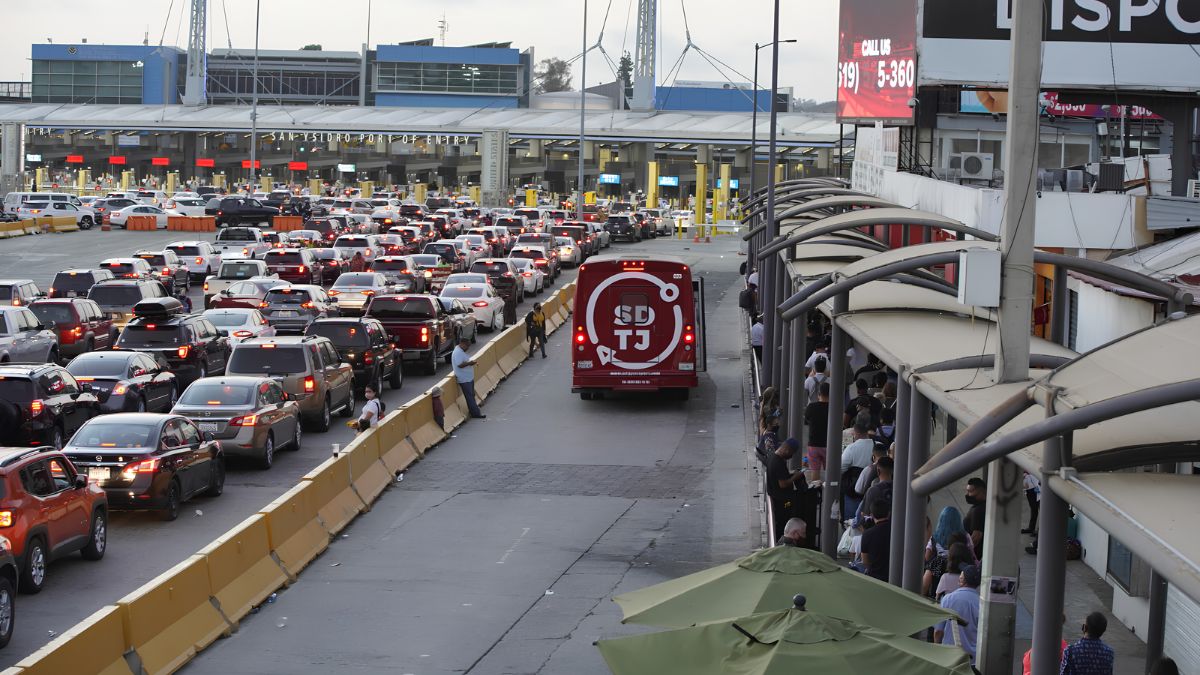
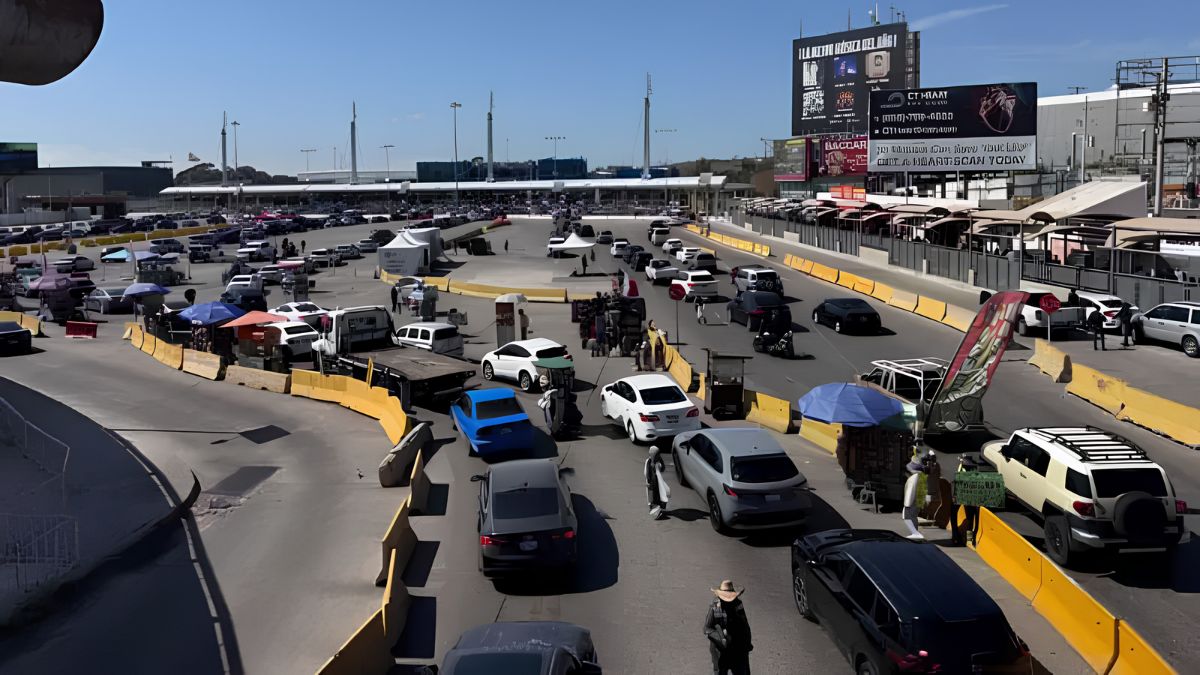
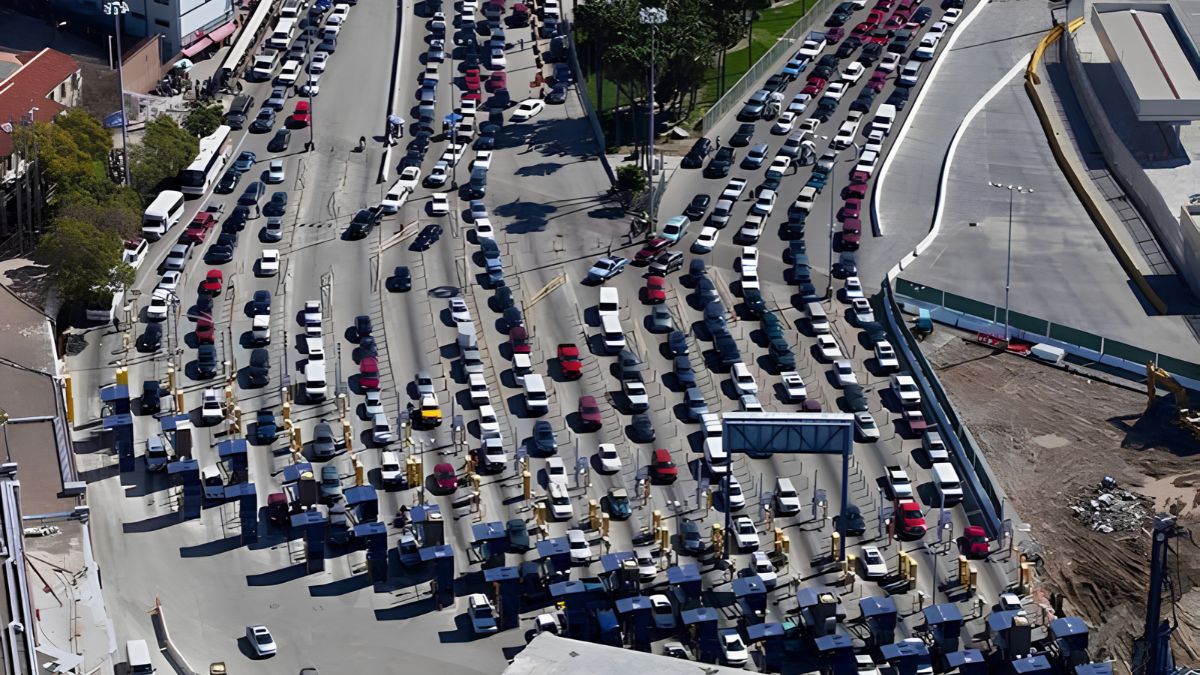
Choosing the right walking route is an important first step when traveling with suitcases or large bags. The pedestrian border crossing at San Ysidro connects Tijuana with the United States through designated inspection facilities. Travelers should follow official signs and use authorized pedestrian routes rather than attempting shortcuts through vehicle lanes or restricted areas.
The amount of walking required depends on the direction of travel, the inspection facility in use, and the onward transportation arrangement. Travelers may need to walk between the border inspection area, nearby transit stops, pickup locations, and parking facilities.
Before departure, check the route using a current map and confirm that the destination entrance is accessible to pedestrians. A route that looks short on a map may include stairs, uneven pavement, crowded sidewalks, or crossings that are inconvenient when carrying several bags.
Travelers with rolling suitcases should consider pavement conditions and the availability of ramps. People carrying heavy luggage may find it easier to use one larger wheeled bag and a smaller backpack rather than several separate bags.
Allow extra time for border processing. Walking speed is only one part of the journey, and queues, inspections, and changing access arrangements can affect the total travel time.
Transfers
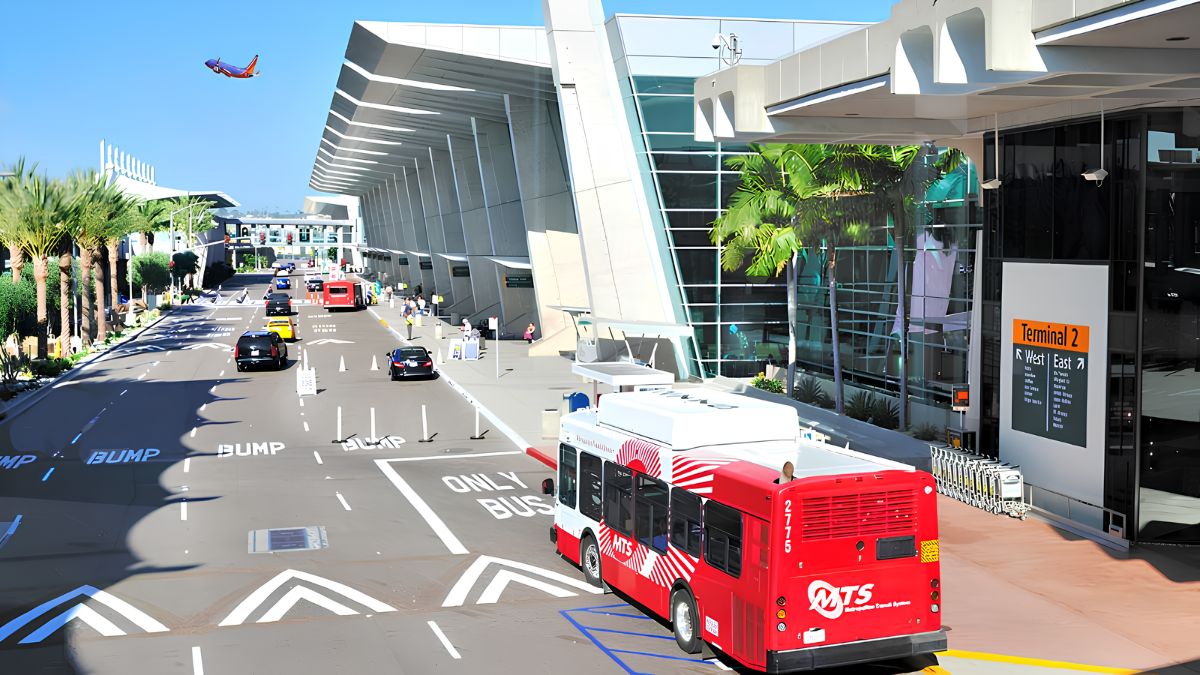
San Ysidro offers access to public transportation, including the San Diego Metropolitan Transit System’s Blue Line trolley service. The San Ysidro Transit Center serves as an important connection point for travelers continuing toward downtown San Diego and other destinations along the trolley route.
The official San Diego Metropolitan Transit System website provides information about trolley services, schedules, fares, and route changes. Check the latest service information before traveling, particularly if you have a train, bus, or other reservation to meet.
When planning a transfer, consider the distance between the border exit and the departure platform. Do not assume that every pickup point or transportation terminal is directly beside the pedestrian inspection exit.
If you are taking a bus or rideshare, verify the exact pickup location and whether the vehicle can legally stop there. Some areas near the border have designated loading zones or restrictions on stopping. Following the driver’s instructions and posted signs can prevent unnecessary walking or missed connections.
Travelers with several suitcases should also consider the luggage policies of their onward transportation provider. Some buses and shuttle services have limits on the number, size, or weight of bags, while rideshare vehicles vary in cargo capacity.
For tight connections, allow a buffer for border processing, walking, and locating the correct departure point. A transfer that appears manageable without luggage may take longer when moving through crowded areas with multiple bags.
Parking
Travelers arriving by car should decide in advance whether the vehicle will remain in San Ysidro, be used for the entire journey, or be left at a separate parking facility while the traveler crosses on foot.
Parking availability, fees, operating hours, vehicle access, and overnight rules vary by location. Before leaving a car, confirm that the facility permits the intended length of stay and that its operating arrangements match the planned return time.
Official information from the U.S. General Services Administration can help travelers locate federal facility information, while local transportation and parking operators provide details about individual lots. For parking near the border, check the specific operator’s current terms rather than relying on an old online listing.
Avoid leaving luggage, passports, electronics, or other valuables visible inside a parked vehicle. A locked car does not eliminate the risk of theft, and unattended luggage may attract unwanted attention.
If luggage must remain in the vehicle during a border crossing, place it out of sight before reaching the parking area whenever possible. Keep essential documents, medications, and items needed during the crossing with you.
Drivers should also consider the return journey. If a parking facility closes before the expected arrival time, retrieving the vehicle may become difficult. Check opening hours and retain the parking receipt or confirmation.
Storage
Luggage storage can be useful when arriving before hotel check-in, spending several hours in the area, or making a short stop before continuing elsewhere. However, travelers should not assume that secure storage lockers are available directly at the border crossing.
Before relying on a storage option, confirm its exact address, opening hours, bag-size limits, pricing, security arrangements, and collection procedures. Ask whether the provider accepts suitcases, backpacks, or oversized items.
Hotels may offer luggage storage to registered guests, but policies vary. Some properties accept bags before check-in or after checkout, while others restrict storage to guests with confirmed reservations. Contact the hotel in advance to verify the arrangement.
Private luggage-storage services may also operate in nearby commercial areas. Check the provider’s current terms and reviews, and confirm that the location is convenient for both arrival and collection. A low storage fee may not be worthwhile if collecting the bags requires a long detour.
Keep identification, travel documents, cash, medication, and essential electronics with you rather than placing them in storage. If a bag contains items needed for border inspection, it should remain accessible throughout the crossing.
For international travel, also consider which items may be subject to customs restrictions. Storing a bag does not change the rules governing goods brought across a border.
Vehicles
Vehicle storage requires additional planning because parking a car and leaving luggage in it are separate considerations. A traveler may need a secure location for the vehicle while carrying essential belongings across the border.
If you are meeting a driver, agree on the pickup point before the trip begins. Confirm whether the driver can access the designated area and whether the meeting point is on the U.S. or Mexican side.
For longer stays, compare the total parking cost with alternative transportation arrangements. A daily parking rate may be reasonable for a short visit but expensive over several days. Depending on the destination, using the trolley and arranging local transportation may be more practical than keeping a vehicle near the border.
Do not leave a vehicle in a commercial lot without confirming that overnight or extended parking is permitted. Some facilities serve customers only and may tow vehicles that remain beyond the permitted period.
Travelers who use rental cars should check their rental agreement before crossing an international border. Permission to drive a vehicle into another country, insurance coverage, and roadside assistance provisions depend on the rental company and contract. Never assume that a rental vehicle can cross simply because the border is nearby.
Security
Luggage security is especially important in busy transportation areas. Crowded sidewalks, transit platforms, pickup zones, and parking lots can make it easier to lose track of bags.
Keep bags close to you while waiting and avoid leaving luggage unattended in public spaces. Use luggage tags that provide a contact method without displaying unnecessary personal information to everyone who passes.
Keep passports, identification, boarding passes, and other essential documents in a secure, easily accessible location. A small crossbody bag or travel pouch may help separate important items from checked or stored luggage.
If traveling with a companion, agree on who is responsible for each bag during transfers. This is particularly useful when boarding a vehicle or navigating a crowded platform.
Travelers should also keep a record of any luggage placed with a storage provider, including the receipt, collection instructions, and customer service contact details. Photographing the bag before storage may help identify it if a problem occurs.
Accessibility
Travelers with mobility limitations, older passengers, families with young children, and people carrying unusually heavy luggage may need additional time and support.
Before departure, check whether the intended route includes stairs, long ramps, uneven surfaces, or lengthy walks between transportation connections. Contact the relevant transit operator if you need information about elevators, accessible entrances, or assistance services.
A route that is accessible in one direction may not provide the same facilities on the return journey, particularly when different entrances or inspection areas are involved. Verify both directions where possible.
If carrying multiple suitcases, consider using a luggage cart where permitted or arranging transportation that minimizes transfers. Confirm that the vehicle has enough space and that any assistance requested is available at the planned time.
Families traveling with children should also account for rest breaks, food, water, and the possibility of waiting in line. A realistic schedule is generally more useful than attempting to minimize every minute of the journey.
Planning
A simple itinerary can reduce confusion and help keep luggage manageable. Start by identifying the border crossing you will use, the destination on the other side, and the transportation method for the next part of the trip.
Then confirm the following details:
- The authorized pedestrian route and relevant border procedures.
- The distance between the inspection exit and the next transport connection.
- The latest trolley, bus, shuttle, or train schedule.
- The exact location and operating hours of any parking or luggage-storage facility.
- Luggage restrictions imposed by the transportation provider.
- The arrangements for collecting your vehicle or bags on the return journey.
Save important addresses and reservation confirmations offline in case mobile connectivity is unreliable. Carry a payment method accepted by the relevant transportation and storage providers, and keep enough time in the itinerary for unexpected delays.
Travelers should also check official border information before departure. The U.S. Customs and Border Protection website provides guidance for people entering the United States, including information about border procedures and traveler requirements.
Traveling through San Ysidro with luggage is easier when walking routes, transportation connections, parking, and storage arrangements are considered together. The most suitable option depends on the amount of luggage, the destination, the length of the stay, and whether a vehicle is involved.
Checking official transit information, confirming facility policies, protecting valuables, and allowing extra time can help travelers make practical decisions and avoid preventable problems during a cross-border journey.
FAQs
Can I walk across the San Ysidro border with luggage?
Yes, use designated pedestrian routes and follow border officials’ instructions.
Is public transportation available near San Ysidro?
Yes, the San Ysidro Transit Center connects with the San Diego trolley and buses.
Can I store luggage near the border?
Options vary, so confirm availability, hours, prices, and security arrangements first.
Can I leave luggage in a parked car?
You can, but avoid leaving valuables visible and check parking rules carefully.
How much time should I allow for transfers?
Allow extra time for border queues, walking, and transportation connections.