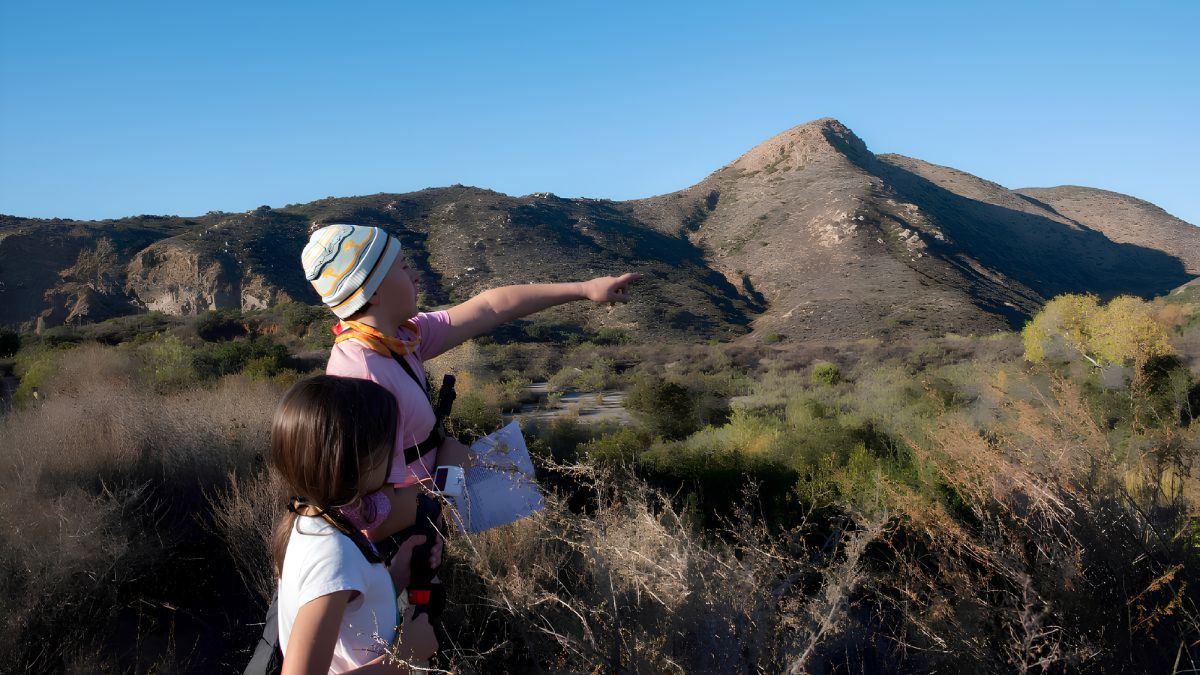
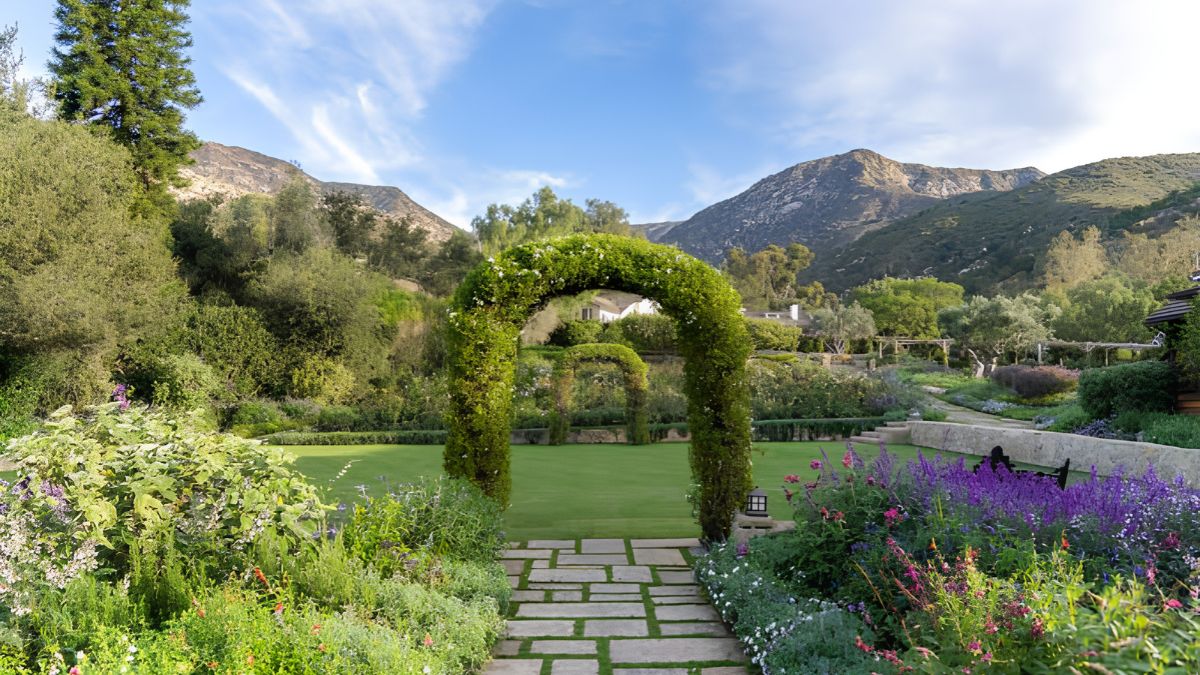
San Ysidro, a community in southern San Diego near the United States-Mexico border, has a landscape shaped by its Mediterranean climate, regional ecology, urban development, and residential gardening practices. From drought-tolerant native plants to mature street trees and carefully maintained front yards, the area’s vegetation offers a useful way to understand how residents adapt outdoor spaces to local environmental conditions.
Looking into San Ysidro’s landscape involves more than identifying individual plants. It also means examining how gardens change as homes are renovated, trees mature, water conservation becomes a priority, and public spaces are redesigned. Some residential gardens retain traditional lawns and ornamental shrubs, while others incorporate native plants, gravel, succulents, and water-efficient landscaping.
The surrounding region supports a range of plant communities, including coastal sage scrub, chaparral, and other habitats associated with Southern California’s Mediterranean climate. Although developed neighborhoods differ substantially from these natural environments, native vegetation can still provide valuable clues about local soil conditions, seasonal rainfall, wildlife, and the challenges of maintaining greenery in a relatively dry climate.
By observing native plants, urban trees, and residential gardens together, residents and visitors can develop a better understanding of San Ysidro’s environmental character and the choices shaping its outdoor spaces.
Climate
San Ysidro experiences a Mediterranean-type climate characterized by relatively mild winters, warm to hot periods during summer, and most rainfall occurring during the cooler months. Coastal influences can moderate temperatures, although conditions vary with distance from the coast, elevation, and local exposure.
These conditions influence which plants grow successfully and how much maintenance gardens require. Plants adapted to seasonal drought often perform better with less supplemental irrigation once established than species that need consistently moist soil.
Summer dryness also affects the appearance of the landscape. Some native plants grow actively during cooler, wetter months and become less visibly active during summer. Others maintain foliage throughout the year, providing structure and greenery even when rainfall is limited.
Knowing seasonal conditions is important when assessing a garden. A brown lawn in late summer, for example, may reflect reduced irrigation rather than a permanent decline in plant health. Similarly, a native shrub that appears relatively sparse during a dry period may be following its normal seasonal growth pattern.
Residents planning new gardens should consider sunlight, soil drainage, exposure to wind, and the amount of water available. These factors can be as important as the plant species selected.
Natives
Native plants are species that occur naturally in a region and have developed alongside its climate, soils, and ecological communities. In San Ysidro and the wider San Diego region, several native species are suitable for residential landscapes when matched to the conditions of a particular site.
California sagebrush (Artemisia californica) is a characteristic shrub of coastal sage scrub. Its narrow, aromatic leaves and relatively low water requirements make it an important example of vegetation adapted to Southern California’s dry summers.
California buckwheat (Eriogonum fasciculatum) is another regional native. It produces clusters of small flowers that can provide resources for pollinators, and its growth habit makes it useful in naturalistic gardens and habitat-oriented planting schemes.
Toyon (Heteromeles arbutifolia) is an evergreen shrub or small tree with leathery leaves and clusters of red berries. It can provide year-round structure and seasonal food for wildlife, although its mature size should be considered before planting it close to buildings or narrow walkways.
Other possibilities include white sage (Salvia apiana), black sage (Salvia mellifera), and several locally appropriate native grasses and flowering plants. However, not every native species is suitable for every residential garden. Some require more space, specific drainage conditions, or careful management.
For information about regional native plants, the California Native Plant Society provides educational resources, plant information, and guidance on native plant gardening.
Trees
Urban trees play an important role in residential neighborhoods. They provide shade, contribute to the appearance of streets, intercept some rainfall, and create habitat for birds and other wildlife. Their benefits depend on the species, maturity, location, and condition of each tree.
In San Ysidro, street trees and trees in private gardens may include native species as well as ornamental trees introduced from other regions. The resulting landscape reflects both ecological conditions and choices made by homeowners, developers, and public agencies.
Coast live oak (Quercus agrifolia) is a native evergreen tree found in parts of Southern California. Where suitable conditions and sufficient space are available, it can provide substantial shade and habitat value. However, it becomes large and needs adequate room for its canopy and roots.
Western sycamore (Platanus racemosa) is another regional native associated with waterways and suitable urban planting sites. Its branching structure and distinctive bark can make it a prominent landscape feature, but it requires consideration of mature size, root space, and local water conditions.
Trees from other regions may also be present in residential streets and gardens. Their suitability depends on factors such as heat tolerance, water demand, root behavior, maintenance needs, and potential pest problems.
When exploring the neighborhood, look at how trees interact with buildings, sidewalks, parking spaces, and overhead utilities. A well-placed tree may shade a house or pedestrian route, while a poorly matched species can create conflicts as it grows.
Residents should also distinguish between trees on private property and trees managed by the city. Pruning, removal, replacement, and planting rules can differ according to ownership and location.
Gardens
Residential gardens provide a visible record of changing preferences, household needs, and approaches to water use. Some properties retain lawns, clipped hedges, and flowering ornamental plants. Others use a more informal arrangement of native shrubs, drought-tolerant perennials, and gravel or mulch.
Traditional lawns remain useful for some households, especially where children play or residents need an open outdoor area. However, turf can require regular irrigation, mowing, and maintenance, depending on the grass species and local conditions.
Water-wise gardens offer another approach. These landscapes may combine regionally appropriate plants with efficient irrigation, soil preparation, and mulch to reduce evaporation. A carefully designed garden can retain color and structure without relying on a large area of frequently watered grass.
Succulents and other drought-tolerant ornamentals are also common options in dry-climate gardening. Their water requirements vary, however, and not every succulent is adapted to direct afternoon sun, cold conditions, or heavy soil.
The appearance of a garden does not necessarily reveal how much water it uses. A dense planting of well-adapted native shrubs may require less irrigation after establishment than a sparse garden containing plants with higher water needs.
To look into local garden changes, compare properties with different planting styles and note the types of plants, shade, exposed soil, and irrigation systems. These observations can illustrate how residents balance appearance, maintenance, and environmental considerations.
Water
Water availability is a central factor in landscape design throughout Southern California. Seasonal rainfall means that gardens must often withstand extended dry periods, while local water conservation programs encourage efficient irrigation and suitable plant selection.
The San Diego region has experienced long-term pressure to manage water resources carefully. For residential gardens, practical measures include repairing leaks, adjusting irrigation schedules, selecting suitable plants, and using mulch to reduce moisture loss from the soil.
Drip irrigation can deliver water close to plant roots, potentially reducing losses from evaporation and runoff when designed and maintained properly. However, it is not automatically the best solution for every planting area. Trees, lawns, containers, and established native gardens may require different irrigation methods.
Newly planted native species usually need supplemental water while their roots establish. A plant described as drought-tolerant should not be assumed to survive without any watering immediately after planting.
Residents can consult the San Diego County Water Authority for regional water information, conservation guidance, and resources related to efficient landscaping.
Water conservation also involves choosing plants that match the site. A sunny slope with rapidly draining soil may support a different planting plan from a shaded garden with compacted soil. Matching plants to these conditions can reduce the need for frequent watering and replacement.
Wildlife
Plants help determine which animals can use a residential garden. Flowers provide nectar and pollen, shrubs offer shelter, and trees create nesting or resting opportunities for birds.
Native plants can support local wildlife because they developed within regional ecological systems. California buckwheat, for example, can attract a range of insects, while suitable native trees and shrubs may provide cover and seasonal food for birds.
A garden intended to support wildlife does not need to be large. Several compatible plants, a variety of flowering periods, and reduced use of broad-spectrum pesticides can improve its value as a small habitat.
Plant diversity is also important. A garden containing only one ornamental species may provide limited resources at certain times of the year. A mix of trees, shrubs, flowering plants, and groundcover can create more varied habitat.
Residents should avoid assuming that every plant labeled native will support all local wildlife equally. The value of a species depends on the animals present, the site’s conditions, and the plant’s role in the wider landscape.
When observing gardens, look for flowering periods, fruiting shrubs, bird activity, and the presence of pollinating insects. These details can help explain how residential landscaping contributes to urban biodiversity.
Changes
Residential landscapes change for many reasons. Homeowners may replace lawns to reduce irrigation, redesign gardens after renovations, remove trees that have become unsafe, or plant shade trees to improve outdoor comfort.
Property maintenance also influences the landscape. New paving, fencing, driveways, and building extensions can reduce the space available for vegetation. Conversely, planting trees and restoring garden beds can increase shade and greenery.
Water restrictions, changing utility costs, landscaping trends, and access to gardening information may influence decisions. However, it is important not to assume that every change in San Ysidro follows the same pattern. Individual properties differ in age, size, ownership, and maintenance priorities.
Residents interested in tracking changes can use dated photographs, personal observations, public landscaping plans, and available aerial imagery. Comparing images over time may reveal whether lawns have been replaced, trees have matured, or previously landscaped areas have been redeveloped.
These comparisons should be interpreted carefully. Seasonal differences, recent pruning, drought conditions, and image quality can make the same property appear substantially different from one year to another.
Exploration
A practical way to study San Ysidro’s landscape is to take a short walk through several residential streets and observe the relationship between vegetation and the built environment.
Begin with street trees. Notice their size, canopy coverage, spacing, and proximity to sidewalks. Look for differences between streets with continuous shade and those with little tree cover.
Next, examine front gardens and planting strips. Identify broad categories such as native shrubs, ornamental flowering plants, succulents, lawns, and gravel-based landscaping. If you are uncertain about a plant’s identity, take a photograph and compare it with a reputable botanical reference.
Observe how gardens handle water. Look for mulch, drip irrigation, rainwater management features, and plants grouped according to their water requirements. Do not assume that a particular garden uses a specific amount of water based on appearance alone.
Finally, consider how the landscape changes between public and private spaces. A street tree may be managed differently from a tree in a front yard, while a landscaped commercial property may follow different maintenance arrangements from a residential garden.
Keep notes about the date, weather, and general location of your observations. Avoid entering private property or photographing identifiable residents without permission.
Planning
Residents considering a garden renovation can begin with a simple assessment of sunlight, soil, drainage, available space, and expected maintenance. These factors help determine whether native shrubs, shade trees, ornamental plants, or a combination will be suitable.
Choose plants according to their mature size rather than their appearance in a nursery container. Allow room for roots and branches, and check whether the planting location conflicts with utilities, sidewalks, driveways, or building foundations.
Where appropriate, use a range of native plants rather than relying on a single species. This can create more varied structure and provide different flowering periods. However, plant selection should be based on local suitability rather than the assumption that all native plants have identical water needs.
Mulch can help conserve soil moisture, but it should be applied correctly and kept away from direct contact with tree trunks. Irrigation should be adjusted as plants mature, since established drought-tolerant species often require less frequent watering than newly planted specimens.
Residents should also check local requirements before planting, removing, or substantially altering trees in public areas. The relevant city department or property manager can explain applicable rules.
San Ysidro’s landscape reflects the interaction of regional ecology, urban development, household choices, and water management. Native plants offer insight into the area’s natural heritage, urban trees influence shade and neighborhood character, and residential gardens reveal how residents adapt outdoor spaces to changing needs. Observing these features together provides a practical way to know the community’s environment and the decisions that will shape its future.
FAQs
Which native plants grow in the San Ysidro region?
California sagebrush, California buckwheat, and toyon are regional native examples.
Why are urban trees important?
They provide shade, support wildlife, and contribute to neighborhood greenery.
How can gardens use less water?
Choose suitable plants, improve irrigation efficiency, and use mulch appropriately.
Where can I research California native plants?
The California Native Plant Society offers native plant information and gardening resources.
How can residents observe garden changes?
Compare dated photographs and record changes in trees, planting styles, and ground cover.