Knowing where to recycle household items, dispose of hazardous materials and find reliable waste collection information can make everyday life easier for San Ysidro residents. Whether you are clearing out a garage, replacing old electronics, disposing of leftover paint or trying to recycle cardboard, the right disposal method depends on the material, local collection rules and the services available at your address.
Online searches can produce plenty of answers, but not every result is current or official. A private recycling directory may list a location that no longer accepts certain items, while a general waste guide may describe rules that do not apply to your neighborhood. Checking official government and service-provider resources helps residents avoid unnecessary trips, improper disposal and missed collection requirements.
For households in San Ysidro, the most useful starting points are the City of San Diego, San Diego County and California state agencies. By learning which agency handles each type of waste, residents can find relevant schedules, drop-off instructions, eligibility requirements and safety guidance more efficiently.
Sources
Before searching for a disposal location, identify the official organization responsible for the service. Different types of waste may be handled by different agencies, and a single city department may not manage every collection program.
San Ysidro is a community within the City of San Diego. Residents should therefore begin with the city’s official waste and recycling information, then consult county or state resources when a specific material requires a specialized program.
These official resources are useful starting points:
- City of San Diego Environmental Services Department – City information about waste services, recycling and environmental programs.
- San Diego County – County information and links to environmental health and household hazardous waste resources.
- CalRecycle – California’s statewide recycling and waste management information.
- California Department of Toxic Substances Control – Guidance on hazardous waste and safe handling.
Use these websites to verify current instructions rather than relying solely on search snippets, old social media posts or third-party listings. Program details, accepted materials and operating arrangements can change.
Recycling
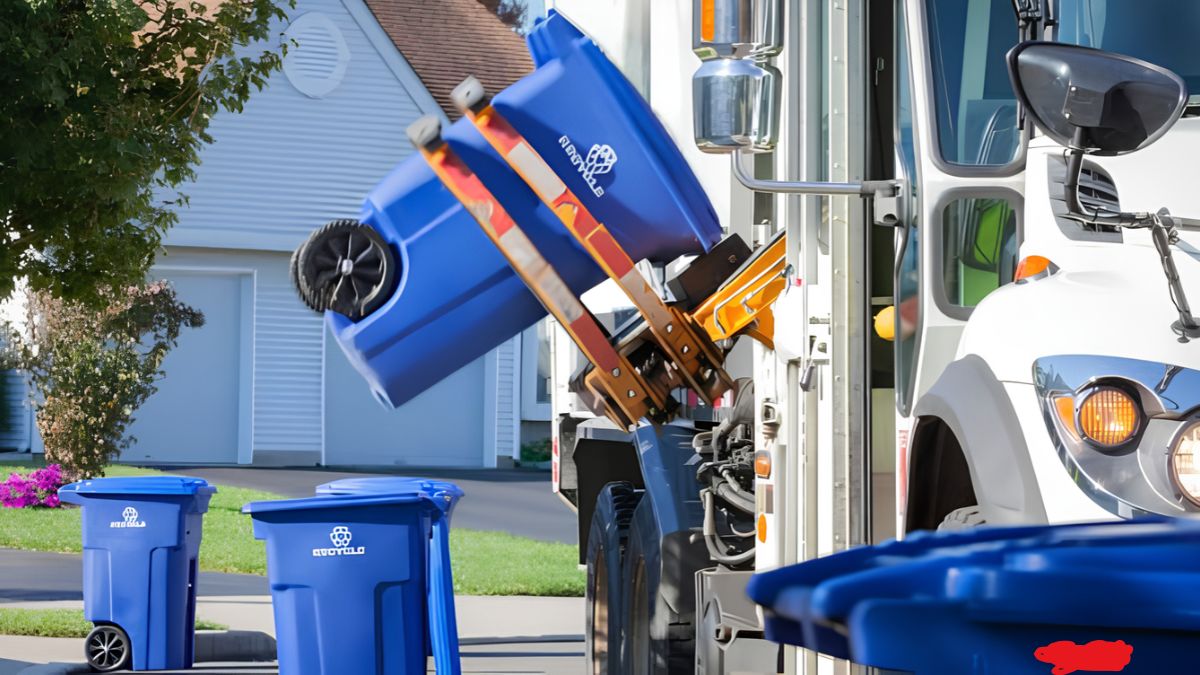
Recycling rules depend on the collection program serving your address. Items that are recyclable in one area may not be accepted in another, and materials sometimes need to be prepared differently before collection.
Start with the city’s official recycling information and confirm which rules apply to your home. Check whether your service includes curbside collection, a shared collection area or a separate drop-off program.
Common household materials worth checking include:
- Cardboard boxes and paper packaging.
- Glass bottles and jars.
- Metal food and beverage cans.
- Plastic bottles, jugs and other specifically accepted containers.
- Certain additional materials covered by local recycling programs.
Do not assume that a plastic item is recyclable just because it has a recycling symbol. The symbol and resin identification number describe the material, but they do not guarantee that the local program accepts it.
Preparation also matters. Empty containers, follow local instructions for rinsing or flattening materials, and keep food waste out of recycling where required. If cardboard is wet or contaminated with grease, check the local rules before placing it in the recycling bin.
Residents should also verify the correct way to handle bulky cardboard, large quantities of packaging and materials generated during a move or home renovation. These items may need a different service from ordinary household recycling.
Collection
Collection schedules and service rules are often address-specific. Even within the same community, properties may have different arrangements depending on housing type, service provider and collection setup.
For that reason, use the official city service pages or the appropriate service contact to confirm your collection schedule. If a property is served by a homeowners’ association, apartment manager or private waste contractor, ask which instructions apply to that location.
Before placing items outside, check:
- The scheduled collection day.
- The correct bin or container.
- Rules for setting out bulky items.
- Requirements for cardboard and large packaging.
- Procedures for missed collections.
- Whether advance appointments are necessary.
Avoid relying on an old calendar saved on your phone or a neighbor’s collection schedule. Service dates and arrangements can differ.
If you need to report a missed pickup or request clarification, use contact details published on the official city website. This reduces the risk of reaching an unrelated company or an outdated telephone number.
Hazardous
Household hazardous waste includes materials that can pose risks to people, animals or the environment when discarded improperly. These products may be flammable, corrosive, toxic or otherwise unsuitable for ordinary trash or drains.
Examples can include:
- Leftover paint and certain solvents.
- Pesticides and garden chemicals.
- Automotive fluids.
- Certain household cleaning chemicals.
- Batteries, depending on their chemistry and condition.
- Some fluorescent lamps and other specialized products.
Not every item in these categories follows the same disposal process. For example, a collection program may accept one type of paint but have separate rules for another product. Battery handling can also differ depending on whether the battery is alkaline, rechargeable, lithium-based or damaged.
Use San Diego County and city resources to find the current household hazardous waste instructions for your address. Confirm whether the program requires an appointment, proof of residency, limits on quantities or specific packaging.
Never pour unknown chemicals into a storm drain, street gutter or outdoor area. Do not mix leftover products together in an attempt to reduce waste. Mixing chemicals can create dangerous reactions, fumes or heat.
Keep products in their original containers when possible, with labels intact. If a container is leaking, damaged or unlabeled, contact the relevant official program for instructions before transporting it.
Electronics
Electronic waste requires special attention because discarded devices can contain materials that should not enter ordinary household trash. At the same time, some electronics may be suitable for reuse, repair or donation.
Examples include computers, monitors, televisions, printers, mobile phones and other electronic equipment. The rules and available collection options depend on the device and the program accepting it.
Check official recycling information before driving to a collection location. Ask whether the facility accepts your specific device, whether fees apply and whether the program has restrictions on quantity or condition.
Protect personal information before donating or recycling electronics. Back up important files, sign out of accounts and reset devices according to the manufacturer’s instructions. Remove SIM cards and removable storage where appropriate.
For phones, laptops and other products containing lithium batteries, follow the handling instructions carefully. Do not place swollen, leaking or visibly damaged batteries into ordinary recycling bins. Contact the relevant waste or battery program for safe next steps.
California also has special requirements and recycling arrangements for certain electronic products. CalRecycle’s official website can help residents find statewide information and understand the difference between general recycling and regulated electronic waste programs.
Batteries
Batteries are easy to overlook during household cleanouts, but they should not all be treated alike. Some can be accepted through specific retail collection programs, while others require specialized handling.
Check the battery’s label or packaging to identify its type. Common categories include alkaline, rechargeable nickel-based, lithium-ion and button-cell batteries. The correct disposal method may differ for each.
For household batteries, consult the official county or state recycling guidance and verify that a collection location currently accepts the battery type you have. Retail collection programs may have restrictions on size, condition or quantity.
Lithium batteries deserve particular caution because damaged or improperly handled batteries can cause fires. Follow the collection program’s instructions for protecting terminals and packaging batteries. Do not attempt to transport a swollen or leaking battery without first obtaining guidance from an appropriate official resource.
If you are unsure which category a battery belongs to, avoid guessing. Use the manufacturer’s information or contact the recycling program before dropping it off.
Bulky
Large household items can be difficult to dispose of through standard collection. Furniture, mattresses, large appliances and renovation debris may be covered by separate rules or require special arrangements.
Before moving a bulky item outdoors, check the official service information for your property. Some services require advance scheduling, while others have limits on the type, size or number of items accepted.
Do not assume that leaving an item beside a recycling bin guarantees collection. It may be missed, create a sidewalk obstruction or violate local requirements.
For appliances, check whether the item contains refrigerants or other components that need special handling. Refrigerators, freezers and air-conditioning equipment may require a qualified service provider or a designated collection program.
Construction and demolition waste can also fall outside ordinary residential collection rules. If you are replacing cabinets, removing flooring or undertaking a larger renovation, verify the disposal requirements before work begins. Planning ahead can help avoid excess waste and unexpected charges.
Drop-Offs
A recycling or hazardous waste facility is useful only if it accepts the material you need to dispose of. Online maps and business directories can help identify possible locations, but the facility’s official information should determine whether a visit is worthwhile.
Before leaving home, confirm the following details:
| Detail | What to verify |
|---|---|
| Accepted materials | Does the site accept your exact item? |
| Operating hours | Is it open on your planned day? |
| Eligibility | Must you live in a particular service area? |
| Fees | Is the service free or charged? |
| Appointments | Is advance booking required? |
| Quantity limits | Are there restrictions per visit? |
| Preparation | Must items be separated, packaged or labeled? |
Check the information close to your planned visit, especially for hazardous waste events and temporary collection programs. A location’s general business hours do not necessarily mean its specialized recycling service is available at that time.
If the website is unclear, use the contact method published by the responsible government agency or facility. Explain the exact item, its condition and the approximate quantity. A specific question is more likely to produce useful instructions than asking whether the site accepts recycling in general.
Verification
A reliable disposal search follows a simple sequence. First, identify the material. Second, find the government agency or authorized service responsible for it. Third, verify the current instructions and confirm the destination before traveling.
For example, a household cleaning product should not automatically be placed in ordinary trash simply because the container is nearly empty. Check the product label and official hazardous waste guidance. Similarly, a television should not automatically go into a curbside recycling bin just because it contains recyclable materials.
Pay attention to the date of online information. Old articles, outdated PDF calendars and archived announcements may remain visible in search results long after a program has changed. Look for current service pages, recently updated instructions and direct contact details.
Be cautious about websites that promise universal acceptance of every material without explaining restrictions. Official programs often distinguish between different product types, sizes, conditions and quantities.
Preparation
Once you have confirmed the correct disposal method, prepare materials according to the program’s instructions. Sorting items in advance can save time and reduce the chance of rejection at a collection point.
Separate ordinary recyclables from hazardous products, electronics and bulky waste. Keep chemicals away from food, children and pets while awaiting disposal. Avoid transferring products into unmarked containers.
For recyclable packaging, remove contents and follow local preparation rules. For electronics, secure personal data and handle batteries as directed. For bulky items, arrange collection before leaving them at the curb or in a shared area.
If a product is unidentified, leaking or potentially reactive, do not improvise a disposal method. Contact the relevant official agency and describe what you know about the product. If there is an immediate threat, such as a strong chemical release or a fire risk, keep away and contact emergency services as appropriate.
Planning
A little planning can prevent unnecessary trips and make household cleanouts more manageable. Instead of searching for a disposal option at the last minute, keep a short list of official resources and check it whenever you accumulate materials that cannot go into regular bins.
You might maintain a household note with links to city recycling information, county hazardous waste guidance and the state recycling directory. Add reminders to check service hours before visiting a drop-off location.
If several items need different disposal methods, group them by category and verify each destination separately. Do not assume that one facility accepts batteries, paint, electronics and bulky furniture simply because it handles some types of waste.
For residents in San Ysidro, the most dependable approach is to begin with official City of San Diego information, consult San Diego County for relevant specialized services and use California’s state resources for broader recycling guidance. Confirm current requirements before transporting any item.
Finding the right disposal service is not only about keeping a home tidy. It also helps protect sanitation workers, reduce environmental contamination and direct reusable materials toward appropriate recovery programs. With verified information and a little preparation, residents can make safer, more confident decisions about recycling and household waste.
FAQs
Where should San Ysidro residents start recycling searches?
Start with the City of San Diego’s official waste and recycling information.
Can household chemicals go in regular trash?
Check official guidance for the specific product before disposal.
Are all plastics accepted for recycling?
No. Acceptance depends on local program rules and material type.
Should I check drop-off hours before visiting?
Yes. Confirm hours, accepted materials and any appointment requirements.
How should old electronics be handled?
Use an approved program and protect personal data before recycling.