
Traveling by trolley through San Ysidro can be a practical way to reach destinations around San Diego without dealing with every aspect of driving, traffic, and parking. The San Diego Metropolitan Transit System (MTS) operates the San Diego Trolley, including the Blue Line, which connects the San Ysidro Transit Center with other communities and destinations in the region.
For first-time riders, however, a smooth journey depends on more than boarding the correct train. Checking service updates, understanding fare options, identifying transfer points, and allowing enough time for connections can help prevent avoidable delays.
Whether you are commuting, shopping, attending an appointment, or traveling toward the international border, a little preparation can make public transportation easier to navigate. The following guide explains how to organize your trip, where to find official information, and what to consider before setting off.
Routes
The first step is identifying the trolley route that serves your destination. San Ysidro is the southern terminus of the San Diego Trolley Blue Line, making it an important starting point for journeys toward central San Diego and other connected areas.
The Blue Line serves destinations along a corridor that includes the San Ysidro Transit Center, Chula Vista, National City, downtown San Diego, and areas farther north. The exact stops you need depend on your destination and whether you must transfer to another service.
Before leaving, check the official MTS website for current route maps and service information. Confirm the station where you intend to board, the direction of travel, and the stop closest to your destination.
Do not rely exclusively on a route map saved several months earlier. Transit routes, station access arrangements, and service schedules can change. An up-to-date map is especially useful if you are visiting San Diego for the first time or traveling to an unfamiliar neighborhood.
If your destination is not close to a trolley station, check whether a connecting bus or a short walk will be necessary. Planning the final part of the journey in advance can prevent confusion after you leave the train.
Updates
Service updates are important because maintenance, unexpected disruptions, special events, and other operating conditions can affect travel.
Before departing, check for planned service changes and alerts affecting your route. If you are traveling early in the morning, late in the evening, or during a weekend, verify the timetable for that specific day rather than assuming weekday service frequencies apply.
The MTS website provides official service information, including alerts and schedule resources. Review these details before leaving home and check again if your journey involves several connections.
Allow additional time when traveling to an appointment, catching a long-distance connection, or meeting someone at a specific time. Even when the trolley is operating normally, a missed transfer can increase the total journey time.
If an interruption occurs, follow instructions from transit staff and check official updates before changing your route. An alternative bus or trolley may be available, but its suitability depends on your destination and the nature of the disruption.
It is also helpful to keep your phone charged so you can check directions and receive updates while traveling.
Fares
Understanding the fare system before boarding helps you avoid unnecessary delays and choose a suitable payment method.
MTS offers fare options for trolley and bus travel, including one-way fares and passes. The best option depends on how often you expect to travel, how many trips you plan to make, and whether your journey involves other regional transit services.
For current fares, eligibility rules, and pass information, consult the official MTS fares and passes page. Prices and policies may change, so verify the details before purchasing a ticket or pass.
The PRONTO fare system is used for eligible MTS services. Depending on the available option and applicable rules, passengers may use the PRONTO mobile app, a PRONTO card, or another accepted payment method.
Before traveling, check whether your selected fare covers the complete journey, including any connecting services. Do not assume that a pass for one operator automatically covers every regional transportation provider.
Reduced fares may be available to eligible passengers, such as qualifying seniors, people with disabilities, and youth. Review the current eligibility and identification requirements before relying on a discounted fare.
Keep your payment method accessible when you arrive at the station. Having your fare ready helps make the boarding process more straightforward.
Transfers
Some journeys require more than one transit service. You may need to change trolley lines or transfer to a bus to reach a destination that is not directly served by the Blue Line.
When planning a transfer, check the connecting station or stop, the expected departure time, and the amount of time available between services. A connection that looks simple on a map may require additional walking or time to locate the correct platform.
Downtown San Diego is an important connection area for regional transit. Depending on your destination, you may be able to continue on another trolley line or use a bus service. However, the most practical route will depend on current service patterns and your final stop.
Use an up-to-date journey planner or the MTS route information to compare alternatives. If a transfer is essential, allow a reasonable buffer rather than planning around the shortest possible connection.
Travelers carrying luggage, using mobility aids, or traveling with children may need more time to move between platforms or stops. Consider accessibility information when choosing your route.
If you are unsure where to transfer, ask transit staff or check station signage before leaving the platform. Confirming the next stop in advance can be easier than trying to work out the route after boarding.
Stations
Knowing what to expect at the station can make the journey more manageable, particularly for first-time riders.
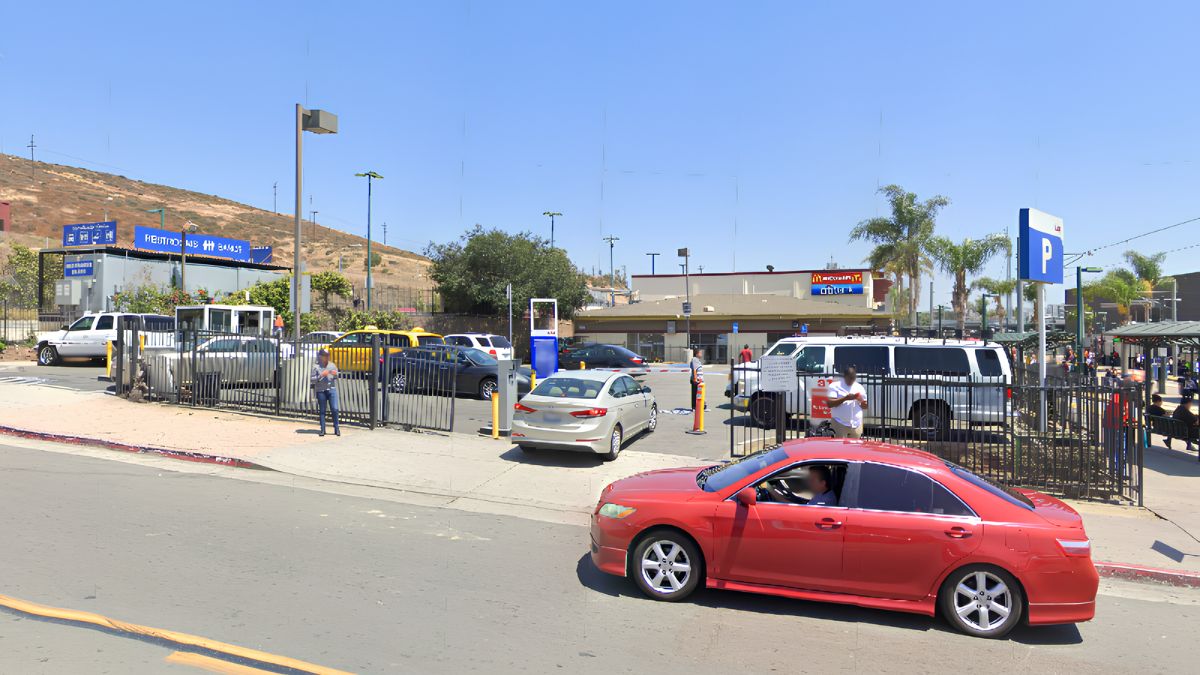
The San Ysidro Transit Center is a major transit facility near the U.S.-Mexico border. It serves as a starting point for trolley journeys and provides connections with regional bus services.
Before traveling, check the station’s location, access arrangements, and the time required to reach the platform from your parking area or drop-off point. If someone is taking you to the station, agree on a clear meeting location.
Arrive early enough to identify the correct platform and review any service notices. Follow station signs and announcements, and pay attention to the direction shown on the arriving train.
If you are unfamiliar with the system, save your destination station’s name on your phone. This can help you follow the journey and prepare to leave the train at the correct stop.
For passengers with accessibility requirements, review the current station accessibility information and contact MTS if you need clarification about a particular facility or journey.
Timing
The time you choose to travel can affect how convenient the journey feels. Weekday commuting periods, major events, and busy shopping periods may result in more crowded services or increased demand for parking near transit facilities.
Check the scheduled departure and arrival times for your intended trip. Remember that timetable estimates do not guarantee an exact arrival time, especially when service disruptions occur.
If you have an appointment, plan to arrive with a margin for unexpected delays. For journeys involving multiple services, consider the possibility of missing a connection and needing to wait for the next departure.
Weekend and holiday schedules may differ from weekday schedules. Check the timetable for your actual travel date, particularly if you intend to travel early or return late.
If you are combining trolley travel with walking, allow enough time to reach the final destination. A short distance on a map may take longer when pedestrian crossings, station exits, or unfamiliar streets are involved.
Preparation
A few simple preparations can reduce uncertainty during your journey.
Before leaving, confirm your route, fare, departure time, and destination station. Save the official route information and any connecting bus details on your phone. If you expect to be traveling for several hours, carry a charging cable or portable battery.
Keep your ticket, PRONTO card, or other accepted payment method ready according to the applicable fare rules. If you qualify for a reduced fare, make sure you understand any required proof of eligibility.
Pack only what you can comfortably manage during transfers and walking sections. If you are carrying shopping bags or luggage, check whether your route includes stairs, long platform walks, or other potential obstacles.
For travel toward the international border, distinguish between reaching the San Ysidro Transit Center and crossing into Mexico. Border crossing procedures and document requirements are separate from trolley fares and schedules. Travelers should consult official border guidance if crossing is part of their plans.
It is also sensible to identify an alternative route in case the service you planned to use becomes unavailable. Having a backup option can help you make decisions more quickly if conditions change.
Checklist
Use this checklist before setting off to confirm that the main parts of your journey are covered.
| Item | What to confirm |
|---|---|
| Route | Correct trolley line and destination station |
| Service | Current alerts, maintenance notices, and timetable |
| Fare | Suitable ticket, pass, or accepted payment method |
| Transfer | Connecting stop, route, and departure time |
| Timing | Enough time for walking and potential delays |
| Accessibility | Station access and any required assistance |
| Return trip | Last practical departure and alternative options |
This preparation does not need to take long. A quick review before departure can help you avoid missed connections, unexpected fare questions, and unnecessary waiting.
Planning a trolley journey through San Ysidro is mainly about confirming the details that determine how the trip will work in practice. By checking the Blue Line route, reviewing service updates, selecting an appropriate fare, and allowing time for transfers, you can travel with fewer uncertainties. Use official MTS information as your main reference, check the timetable for your actual travel date, and keep an alternative in mind if service conditions change. These steps can make trolley travel a practical option for commuting, shopping, appointments, and other trips around San Diego.
FAQs
Which trolley line serves San Ysidro?
The San Diego Trolley Blue Line serves the San Ysidro Transit Center.
Where can I check trolley service updates?
Check the official MTS website for service alerts and schedule information.
How can I check current trolley fares?
Visit the MTS fares and passes page for current prices and payment options.
Can I connect to buses from San Ysidro?
Yes. The San Ysidro Transit Center connects trolley services with regional buses.
Should I check weekend trolley schedules?
Yes. Verify the timetable for your travel date because schedules may vary.