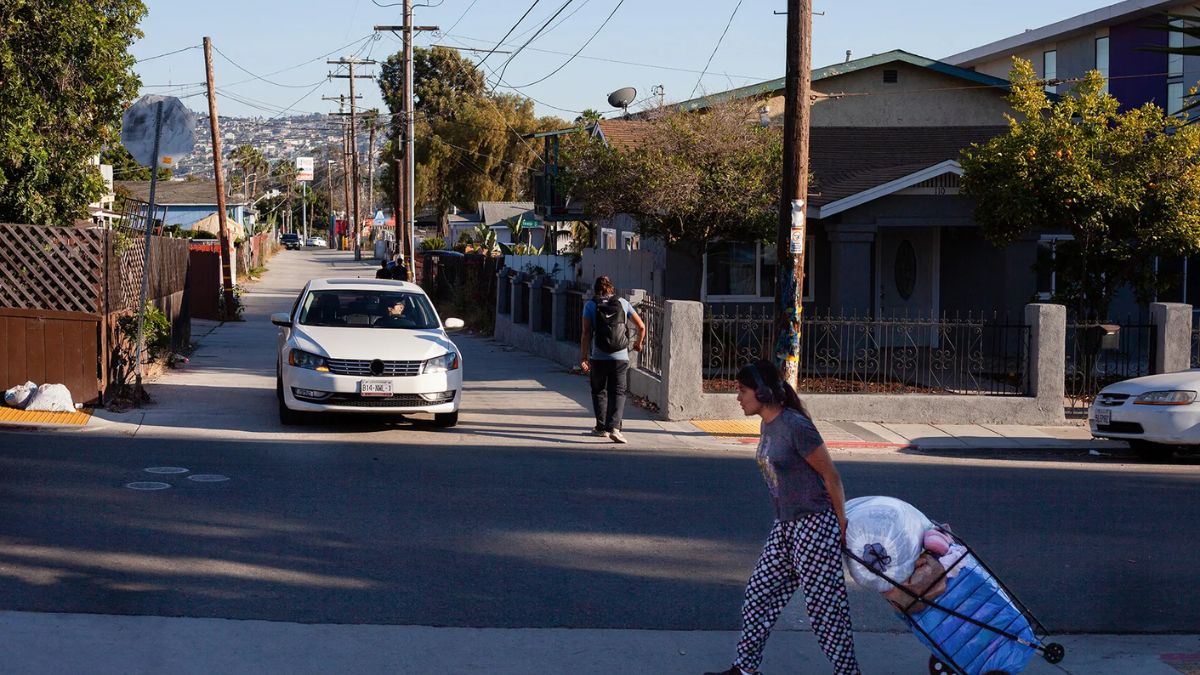
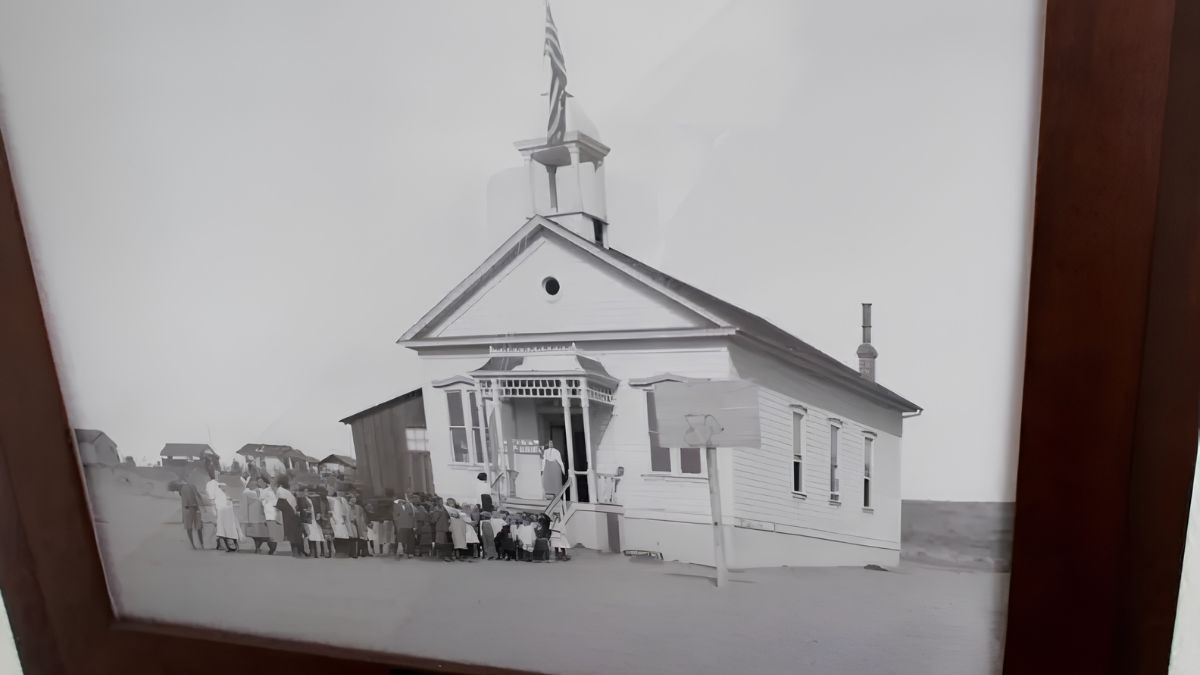
Exploring the history of San Ysidro, California, can reveal how a border community developed, how its streets and buildings changed, and how generations of residents shaped local life. From older maps and newspaper reports to family photographs and government records, historical sources offer different pieces of a much larger story.
San Ysidro’s location near the U.S.–Mexico border makes its history especially interesting. Transportation routes, international crossings, residential growth, local businesses, and changing community needs have all influenced how the area developed. By studying historical documents alongside photographs and first-hand accounts, you can begin to understand not only what changed but also why those changes mattered.
You don’t need to be a professional historian to get started. Public libraries, government archives, historical collections, and digitised newspaper databases can help you research the past from home. The key is to use trustworthy sources, compare evidence carefully, and record where each discovery came from.
Maps
Historical maps are an excellent starting point because they show how a place was represented at different moments in time. Comparing older maps with modern street maps can help you identify changes in roads, property boundaries, transportation routes, and developed areas around San Ysidro.
Begin by searching for historic maps of San Diego County and the communities near the international border. Depending on the collection, you may find topographic maps, road maps, land surveys, planning documents, or historical maps showing settlement patterns.
The Library of Congress provides access to a substantial collection of historical maps from the United States and other regions. Its online catalogue allows researchers to search by place, date, map type, and other descriptive details.
The US Geological Survey’s historical topographic map collection is another useful resource. Topographic maps can help you examine roads, terrain, waterways, and built-up areas across different periods.
When examining a map, pay attention to its publication date, scale, legend, and stated purpose. A road map designed for travellers may omit small residential streets, while a land survey may focus on property boundaries rather than community life.
Avoid assuming that a feature missing from an old map did not exist. It may simply have been outside the map’s scope or too small to appear at that scale. Comparing several maps from different years will usually give you a more reliable picture.
Newspapers
Newspaper archives can reveal the everyday events that maps cannot explain. Local reporting may document business openings, school activities, community celebrations, transportation changes, public meetings, development proposals, and events that affected San Ysidro residents.
Start with historical newspapers serving San Diego and the surrounding region. The San Diego Public Library is a practical starting point for finding library research services, local history resources, and information about available newspaper databases. Some digital newspaper collections require a library card or may only be accessible through library facilities.
You can also explore Chronicling America, a Library of Congress resource for researching historic American newspapers. Its coverage varies by newspaper and period, so not every publication or year relevant to San Ysidro will be available.
When searching, try different versions of place names and phrases. Useful searches might include “San Ysidro,” “southern San Diego,” “border crossing,” the name of a historic business, or a particular street. Older articles may refer to locations using terminology that differs from modern usage.
Newspaper research also benefits from searching by event rather than location alone. If you know that a road, school, or public facility changed during a certain period, search for reports about the project, its funding, or its opening.
Remember that newspapers reflect the perspectives and priorities of their publishers and the period in which they were produced. One article may provide an important lead, but it shouldn’t automatically be treated as a complete or impartial account. Whenever possible, compare reports from different publications and verify key details using other records.
Photographs
Historical photographs can make the past feel more immediate. A picture of a former shopfront, residential street, public building, or transportation facility may reveal architectural details and neighbourhood features that are difficult to reconstruct from written descriptions.
Start with public library collections, local history archives, university collections, and historical societies. Some institutions digitise photographs and make them available through searchable online catalogues. Others preserve physical photographs that researchers can view by appointment.
The San Diego History Center is particularly relevant to research into the region’s past. Its historical collections and research resources can help you investigate San Diego’s development, people, buildings, and community life.
When you find an interesting image, look for its caption, photographer, estimated date, location, and collection information. These details help establish what the photograph actually depicts.
For example, a photograph showing an older commercial street might reveal the appearance of buildings, signage, vehicles, and pavement layouts. However, the image alone may not tell you exactly when the photograph was taken or whether the buildings were located in San Ysidro rather than a nearby community.
Compare visible features with historic maps, newspaper articles, and modern street views. Storefront names, street signs, architectural features, and road alignments can help you establish a location more confidently.
Also check copyright and reproduction conditions before publishing archival images on a website, in a book, or on social media. Publicly viewable does not necessarily mean free to reproduce.
Records
Public records provide another way to reconstruct San Ysidro’s history. Depending on the period and the question you’re investigating, useful records may include property documents, planning files, building permits, government meeting minutes, census schedules, and maps created for administrative purposes.
The San Diego County Assessor/Recorder/County Clerk provides information about property assessment, recorded documents, and other official records within its responsibilities. Its resources may help researchers investigate property histories, recorded transactions, and related documentation.
For municipal development, zoning, or infrastructure questions, consult the City of San Diego’s official website at sandiego.gov. City planning documents, public meeting records, and historical reports may provide evidence of how particular areas changed over time.
Census records can also offer valuable historical context. The U.S. Census Bureau provides population data and historical census resources. These can help you examine broader demographic trends, although the geographic boundaries used in historical datasets may differ from today’s neighbourhood boundaries.
Not every record is available online, and access restrictions may apply to certain documents. Some older files may require an in-person visit, a formal records request, or assistance from an archivist.
Before requesting a document, write down what you already know: the approximate date, street address, property name, government department, or event involved. A specific request is often easier to process than a general request for everything relating to a neighbourhood.
Census
Census information can help place individual discoveries within a broader picture of population change. It may reveal how the number of residents, household characteristics, housing patterns, and other demographic measures changed across different periods.
Start by identifying the census years relevant to your research. Then determine which geographic area best matches the part of San Ysidro you’re studying. Historical census data may be organised by enumeration district, tract, county, or another boundary that doesn’t correspond directly to the modern community.
This distinction matters. Comparing figures from two differently defined areas can create a misleading impression of population growth or decline.
Use census statistics alongside other historical sources rather than treating them as a complete explanation of local change. Population data may show that an area grew, for example, but newspapers, planning documents, and photographs may help explain what housing, transportation, or economic developments accompanied that growth.
Where possible, record the census year, geographic unit, table or schedule, and source link for every figure you use. That makes your research easier to verify later.
Interviews
Historical research doesn’t have to rely exclusively on written documents. Longtime residents, former business owners, community volunteers, and family members may remember neighbourhood changes that were never fully documented in public archives.
Oral history can help researchers understand everyday experiences: where people shopped, how they travelled, which gathering places mattered, and how local institutions changed over time.
If you interview someone, begin with open-ended questions. Ask what they remember about a particular street, business, school, or community event. Let the person describe their experience before introducing information you’ve found in other sources.
With permission, record the interview or take detailed notes. Document the interview date, the person’s preferred name or attribution, and any restrictions on how their words or recordings may be used.
Memory is valuable, but it can be incomplete or affected by the passage of time. A person may accurately remember an event while misremembering its exact year. Compare recollections with newspaper reports, photographs, and official records whenever possible.
Be respectful when researching sensitive subjects, including family histories, migration experiences, property disputes, and border-related events. Ask permission before sharing personal photographs or identifying information, particularly when discussing people who are still living.
Verification
The strongest historical accounts draw on multiple sources. A map might establish where a road ran, a newspaper article might describe a proposed project, and a government record might confirm when the project received approval.
This process of cross-checking helps distinguish documented facts from assumptions.
Create a research log as you work. For each source, note the title, creator, publication or creation date, archive, catalogue reference, page number if applicable, and URL. Record what the source supports and what remains uncertain.
You can use a simple table to organise your findings:
| Source | Information to record | Research value |
|---|---|---|
| Historical maps | Date, scale, location, map type | Shows geographic changes |
| Newspapers | Publication, date, page, article title | Documents events and contemporary reporting |
| Photographs | Creator, date, caption, collection | Reveals visual and architectural details |
| Public records | Agency, document number, date | Supports official or administrative facts |
| Census data | Year, geographic unit, table | Provides demographic context |
| Oral histories | Interview date, consent, notes | Captures personal experiences |
If two sources disagree, don’t automatically choose the one that appears more detailed. Check when each was created, why it was produced, and whether it refers to the same place or event.
For instance, a newspaper may report that a development was proposed, while a later official record shows that the plans were revised. Those accounts may not actually conflict; they may document different stages of the same process.
Organisation
Once you’ve gathered several sources, arrange them in chronological order. A timeline can help you identify turning points and notice gaps in your research.
You might organise your project around themes such as transportation, housing, local businesses, public facilities, or the development of the border crossing. Another approach is to investigate a single street or building across several decades.
Save digital copies only when the archive permits downloading, and preserve the original source details with each file. Use descriptive filenames, such as a date followed by a location or document type, rather than generic names that become difficult to recognise later.
For physical documents, record the archive’s reference information and follow its rules for photography, copying, and handling. Never remove archival materials from their designated folders or alter original documents.
If you’re preparing a historical article, family project, or community presentation, distinguish clearly between verified facts, personal recollections, and your own interpretations. This makes the final account more credible and helps others continue the research.
Exploring San Ysidro’s history becomes much more rewarding when maps, newspapers, photographs, public records, and residents’ memories are examined together. Begin with one street, building, family, or historical event, then follow the evidence to other sources. By documenting your findings carefully and checking important details against reliable records, you can build a clearer picture of how San Ysidro developed and preserve useful discoveries for future researchers.
FAQs
Where can I find historical maps of San Ysidro?
Try the Library of Congress and USGS historical map collections.
How can I search old San Diego newspapers?
Check library databases and the Library of Congress newspaper archive.
Where can I find historic photographs?
Explore the San Diego History Center and public library collections.
Which public records can help with local history?
Property records, planning files, census data, and meeting minutes may help.
How can I verify a historical claim?
Compare independent sources and record each source’s details.