Planning a budget-friendly food tour in San Ysidro, California, can be a practical way to explore local dining options without spending more than necessary. Whether you prefer Mexican food, quick-service meals, casual restaurants, or inexpensive takeout, comparing menu prices, portion sizes, transportation costs, and dining arrangements can help you plan a satisfying day.
San Ysidro is located near the U.S.-Mexico border in southern San Diego. Its commercial areas serve local residents, commuters, shoppers, and travelers, creating opportunities to explore different types of food at a range of prices. However, the cheapest item on a menu does not always provide the best value. Portion size, additional charges, travel time, and the number of places you visit can all affect your overall spending.
A well-organized food tour does not require a large budget or a packed schedule. With some advance research and a flexible itinerary, you can compare dining options, try different dishes, and keep your expenses under control.
Research
Start by identifying the types of food you want to try and the areas you can realistically visit. San Ysidro has restaurants, takeout businesses, casual dining options, and food outlets serving different customer needs. Your choices will depend on your preferences, dietary requirements, available time, and budget.
Search for restaurants using current map listings, restaurant websites, and online menus. Look at several establishments rather than selecting the first one that appears in search results. Check whether the menus display current prices, portion descriptions, and additional charges.
Customer reviews can help you identify popular dishes, service quality, and potential concerns, but they should not be the only factor in your decision. A restaurant with slightly higher prices may offer larger portions or include side dishes that another establishment charges for separately.
Make a shortlist of three to five places you might visit. Include a mixture of affordable options, such as taco shops, casual eateries, bakeries, or takeout counters, depending on what is available and appealing to you.
Before finalizing your route, confirm operating hours and the restaurant’s location. Some businesses may have limited hours or different schedules on weekends and holidays.
Pricing
Menu prices provide the starting point for a food budget, but the total cost of a meal may be higher than the advertised price. Sales tax, optional tips, drinks, sides, and delivery fees can affect the final amount.
Compare similar items across different restaurants. For example, if you want tacos, compare the price of individual tacos, combination plates, and meals that include rice, beans, or a drink. This helps you understand what each price actually covers.
The following example illustrates how to compare hypothetical menu options. These figures are for planning purposes only and are not verified prices at San Ysidro restaurants.
| Dining option | Example price | What to compare |
|---|---|---|
| Individual taco | $3 | Price per item and filling |
| Two-taco meal | $8 | Number of tacos and included sides |
| Burrito | $11 | Size, filling, and additional ingredients |
| Casual lunch plate | $14 | Main dish, sides, and portion size |
| Bakery snack | $4 | Serving size and suitability as a small stop |
These examples show why it is useful to compare complete meals rather than prices alone. Two inexpensive items may cost more together than a combination meal, while a larger dish may be suitable for sharing if the restaurant permits it.
Also check whether menu prices differ between dine-in, takeout, and delivery orders. Delivery platforms can include additional fees that make an otherwise affordable meal more expensive.
Portions
Portion size is an important part of value. A low-priced meal may leave you hungry, while a larger serving may provide enough food for two people or reduce the need for another purchase.
Look for menu descriptions, photographs, and recent customer comments that offer clues about serving sizes. However, photographs can be misleading, and portion sizes may vary by dish or restaurant.
For a food tour, consider ordering smaller items at several locations rather than buying a full meal at every stop. This approach can help you try a wider variety of dishes without creating unnecessary food waste.
For example, two people might share a larger entrée at one stop and order individual snacks at another. Before doing so, check whether the restaurant permits sharing and whether any additional charge applies.
Dietary needs should also influence your choices. If you need vegetarian, vegan, gluten-free, or allergen-aware options, review the menu carefully and ask the restaurant about ingredients and preparation practices.
The goal is to choose portions that match your appetite and your itinerary. Eating too much at the first stop can limit your ability to enjoy the rest of the tour, while ordering too little may lead to extra spending later.
Transportation
Travel costs can make a food tour more expensive, particularly if restaurants are spread across different parts of San Ysidro. Plan your route around nearby locations to reduce unnecessary driving, rideshare expenses, and walking time.
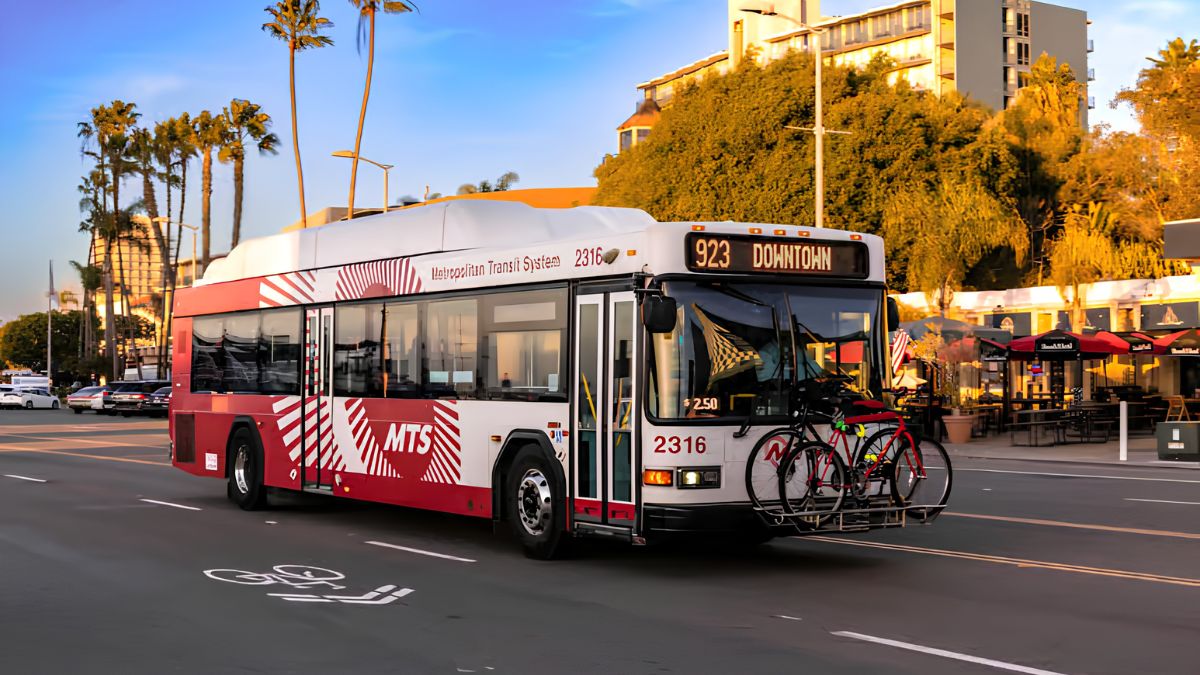
If you are arriving by trolley, check the San Diego Metropolitan Transit System’s route information and current fares before traveling. The official MTS website provides schedules, service alerts, and transportation information.
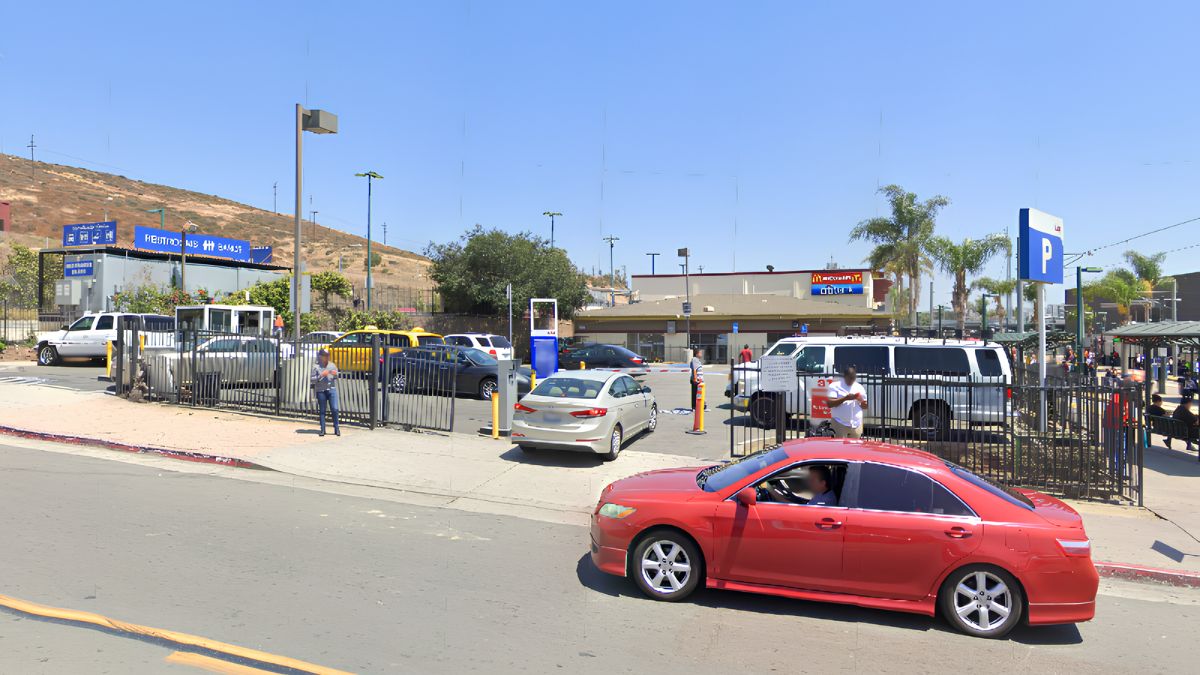
The San Ysidro Transit Center is a useful reference point for visitors using public transportation. Depending on the restaurants you choose, you may be able to walk between several stops or use a connecting bus for destinations farther away.
If you are driving, include parking costs and possible traffic delays in your calculations. Some shopping areas provide customer parking, but conditions and restrictions vary. Read posted signs and verify whether parking is free, time-limited, or paid.
Walking between nearby restaurants can reduce travel expenses, but check pedestrian routes and distances before setting out. A location that appears close on a map may require a longer route because of road layouts or crossing points.
For a budget-conscious tour, estimate transportation costs alongside food expenses rather than treating them as separate decisions.
Budget
Set a spending limit before deciding how many restaurants to visit. Your budget should include food, drinks, transportation, taxes, tips where applicable, and a small reserve for unexpected costs.
Consider this hypothetical budget for one person:
| Expense | Estimated amount |
|---|---|
| First food stop | $8 |
| Main meal | $14 |
| Snack or dessert | $5 |
| Drinks | $3 |
| Transportation | $5 |
| Extra allowance | $5 |
| Total planned budget | $40 |
These amounts are illustrative estimates, not current restaurant prices or transit fares. Adjust them using actual menus and current transportation information before your trip.
If your target is $30 rather than $40, you could reduce the number of stops, share a larger dish, bring a refillable water bottle where appropriate, or choose restaurants within walking distance of one another.
It can also help to decide which experience matters most. If you want to sample a particular specialty, allocate more of your budget to that meal and keep the remaining stops inexpensive.
Avoid committing to more restaurants than you can comfortably afford. A shorter route with a few well-chosen stops may provide better value than a long itinerary with repeated transportation costs.
Dining
San Ysidro offers different dining formats, and each can suit a different budget. Quick-service restaurants and takeout counters may be useful for inexpensive meals, while casual sit-down restaurants can offer a more relaxed experience.
Taco shops and Mexican restaurants may appeal to visitors interested in regional favorites, but menus and prices vary between businesses. Bakeries and small food outlets can also provide options for a lighter stop between meals.
When comparing establishments, consider the complete experience rather than focusing exclusively on food prices. Seating availability, waiting time, cleanliness, service, and dietary options can influence whether a restaurant is suitable for your tour.
Takeout can be convenient if you plan to eat in an appropriate public area, but check local rules and available seating before assuming you can eat anywhere nearby. If you prefer to dine indoors, confirm whether the restaurant offers seating and whether it becomes busy at lunchtime.
You should also check current menu details directly with the business. Online menus may be outdated, and some restaurants may charge different prices for certain items or ordering methods.
Itinerary
A practical food tour should allow enough time to travel between stops, enjoy each dish, and adjust the schedule if a restaurant is crowded.
For example, you could organize a half-day itinerary around three stops:
- First stop: Choose a small breakfast item or savory snack.
- Second stop: Have your main meal at a casual restaurant with a menu that fits your budget.
- Third stop: Finish with a bakery item, dessert, or another small specialty.
Arrange the stops geographically rather than traveling back and forth across the neighborhood. If you are arriving by trolley, consider starting near your transit connection and adding destinations that are accessible on foot.
Check opening hours before leaving and allow additional time for queues, especially during lunch periods or weekends. If a restaurant is closed or too busy, keep a nearby alternative in mind.
A flexible itinerary is often more practical than a strict schedule. You can spend more time at a place you enjoy and skip a stop if you have already reached your food budget.
Savings
Small decisions can make a noticeable difference to the final cost of your tour. Reviewing menus in advance, choosing nearby restaurants, and avoiding unnecessary extras are simple ways to manage spending.
Consider these practical measures:
- Compare combination meals with individually priced items.
- Check whether water is available without an additional charge.
- Share larger dishes when permitted and appropriate.
- Avoid ordering through delivery platforms when you can collect the food yourself.
- Look for published lunch specials or other legitimate promotions.
- Confirm prices before ordering if a menu is unclear.
- Keep a record of your spending after each stop.
It is also sensible to leave room in your budget for sales tax and an appropriate tip when dining at a full-service restaurant. Tipping practices and expectations vary by setting, so plan for the type of service you intend to use.
Food safety and personal comfort should remain priorities. Choose establishments that appear clean, handle food appropriately, and can answer questions about ingredients. Saving a small amount is not worthwhile if it means ignoring important dietary or safety concerns.
A budget-friendly food tour in San Ysidro is easiest to organize when you compare complete meal costs, consider portion sizes, and group restaurants into a practical route. Researching current menus, checking transportation options, and setting a realistic spending limit can help you explore different dining choices without unnecessary expense. By choosing a few suitable stops and allowing flexibility in your schedule, you can enjoy a varied food experience while keeping both your travel time and total budget under control.
FAQs
How can I save money on a San Ysidro food tour?
Compare menus, choose nearby restaurants, and set a spending limit before traveling.
Should I compare portion sizes before ordering?
Yes. Portion sizes help you evaluate meal value and avoid unnecessary food waste.
Can I explore San Ysidro using public transportation?
Yes. Check current MTS trolley and bus routes to plan your journey.
Are online restaurant prices always current?
No. Confirm prices and operating hours directly with the restaurant when possible.
How many stops should a food tour include?
Three or four well-planned stops can provide variety without overspending.