
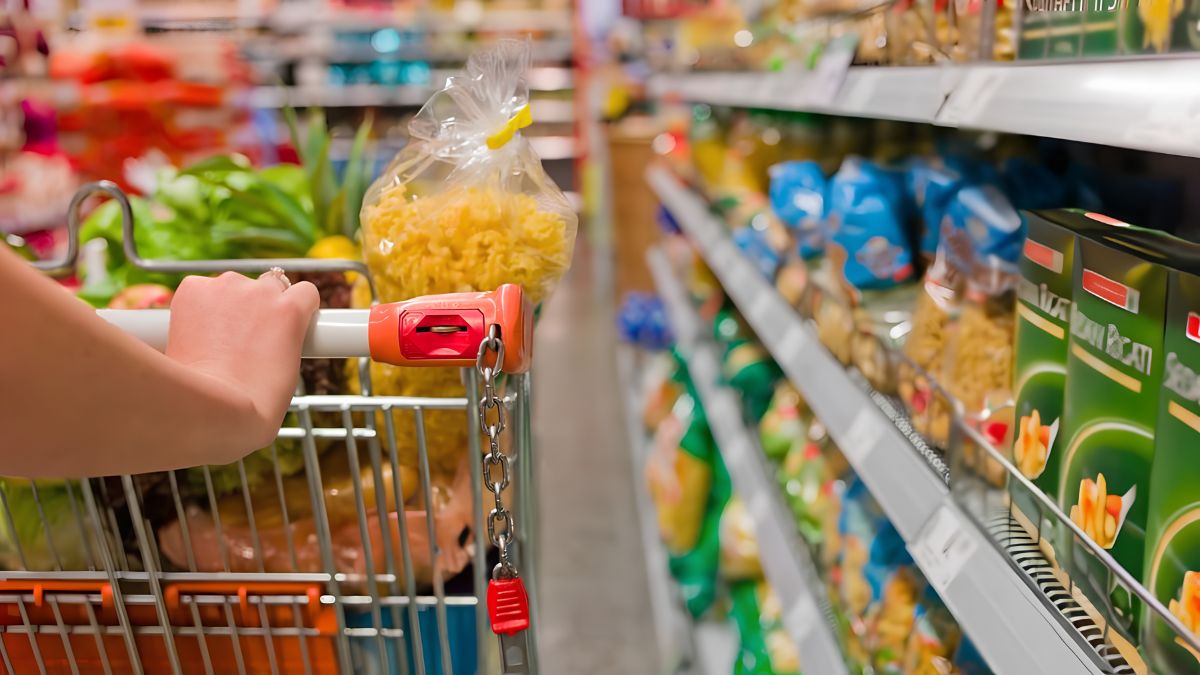
Shopping for everyday essentials may seem like a simple task, but the choices you make at the grocery store can have a noticeable impact on your monthly budget. From fresh produce and dairy products to cleaning supplies and personal care items, small price differences can add up over time. In San Ysidro, California, shoppers can make better purchasing decisions by comparing grocery prices, checking product quality, and choosing stores that fit their schedules and shopping habits.
The goal isn’t always to find the cheapest item on the shelf. You also need to consider freshness, package size, travel expenses, and how often you use a product. A low-priced item may not offer good value if it spoils quickly or requires an extra trip across town. With a little planning, you can build a practical shopping routine that saves money without sacrificing quality or convenience.
Planning
Before heading out, take a few minutes to review what you already have at home. Check your refrigerator, pantry, bathroom cabinets, and cleaning supplies. This simple habit helps prevent duplicate purchases and makes it easier to focus on what you actually need.
Create a shopping list based on essential categories, such as groceries, household products, personal care items, and frequently used kitchen supplies. Organize the list by priority so you know which items you must buy and which can wait until another shopping trip.
It also helps to set a spending limit before leaving home. For example, you might allocate separate amounts for fresh food, packaged groceries, and household essentials. Your budget will depend on your household size, dietary preferences, and income, but setting a limit gives you a clear starting point.
Consider planning meals for several days, too. When you know what you’re cooking, you can buy ingredients in useful quantities instead of filling your basket with items that may go unused. Planning is particularly helpful when buying fresh products with a short shelf life.
Prices
Comparing prices is one of the most effective ways to control everyday spending. However, looking only at the large price printed on a package can be misleading. Different brands often sell similar products in different sizes, making direct comparisons difficult.
The better approach is to check the unit price, which shows the cost per ounce, pound, liter, or another standard measurement. Unit pricing helps you compare products fairly, even when their package sizes differ.
For instance, imagine two packages of rice. One costs $4.00 for two pounds, while another costs $6.00 for four pounds. The larger package costs more upfront, but its unit price is lower.
| Product | Package size | Total price | Price per pound |
|---|---|---|---|
| Rice A | 2 lb | $4.00 | $2.00 |
| Rice B | 4 lb | $6.00 | $1.50 |
| Rice C | 5 lb | $8.50 | $1.70 |
These figures are illustrative examples, not current San Ysidro store prices.
Rice B offers the lowest price per pound. However, buying it only makes sense if you use the product regularly and have enough room to store it properly.
When comparing prices in San Ysidro, review weekly advertisements, store websites, digital coupons, and loyalty program offers. Some discounts require membership or minimum purchases, so check the conditions before assuming you’ll receive the advertised price.
You can also explore the Federal Trade Commission’s consumer advice for guidance on avoiding misleading offers and making informed purchasing decisions.
Quality
Low prices are useful, but product quality matters just as much. A bargain isn’t a bargain if the food is spoiled, the packaging is damaged, or the product fails to perform as expected.
For fresh produce, inspect appearance, texture, and signs of damage. Fruits and vegetables should generally be free of visible mold, excessive bruising, and unusual deterioration. Remember that appearance alone doesn’t determine freshness, and some natural variations in size or shape don’t affect quality.
For meat, seafood, and dairy products, pay attention to refrigeration, packaging integrity, and relevant date labels. Choose products that have been stored at appropriate temperatures, and transport refrigerated or frozen foods home promptly.
Packaged products deserve attention as well. Check ingredient lists, nutritional information, and expiration or best-by dates where relevant. A lower-priced cereal, for example, may contain more added sugar than another option. Comparing labels helps you decide whether the savings match your preferences.
Brand names can also influence how people shop. Some national brands offer consistent quality, but store brands may provide comparable performance at a lower price. The best way to evaluate them is to compare ingredients, quantities, specifications, and your own experience.
For additional food safety information, visit the official U.S. Food and Drug Administration website. Its resources explain food labeling, safe handling, and other considerations that can help shoppers make informed choices.
Stores
San Ysidro shoppers may consider supermarkets, discount retailers, smaller neighborhood markets, and specialty food stores, depending on what they need. Each type of store has potential advantages, and no single option is necessarily best for every purchase.
Supermarkets can be useful for one-stop shopping because they typically carry a broad range of groceries and household products. Discount retailers may offer competitive prices on selected staples, while neighborhood markets can be convenient for quick purchases or smaller quantities.
Specialty stores may be worth visiting when you need particular ingredients, cultural food products, or specific brands that aren’t readily available elsewhere. However, specialized selection doesn’t automatically mean lower prices.
When evaluating stores, compare the products you regularly buy rather than judging a retailer by one advertised deal. A store might offer inexpensive milk but charge more for cleaning products or fresh produce. Your overall basket matters more than an isolated discount.
You can check local store websites for current promotions, product availability, opening hours, and pickup options. Since prices and stock can change, verify details before making a special trip.
For information about consumer rights and shopping practices in California, the California Department of Consumer Affairs is another useful official resource.
Convenience
A store’s location can affect the real cost of your shopping trip. A supermarket with slightly higher prices might be the better choice if it is close to home, school, or work. On the other hand, traveling farther to save a few dollars may not be worthwhile once transportation costs and time are considered.
Think about how you usually travel around San Ysidro. If you drive, account for fuel and parking. If you use public transportation, consider fares, walking distance, waiting time, and how easily you can carry your purchases.
Suppose one store saves you $5 on groceries but requires an additional $4 in transportation expenses. Your actual saving is only $1, before considering the extra time spent traveling.
Store layout and checkout speed can also influence convenience. A nearby shop with reliable stock may be ideal for buying a few items after work, while a larger retailer may suit a planned weekly grocery trip.
Online ordering and curbside pickup are worth comparing, too. These services can save time, but delivery fees, service charges, minimum order requirements, and substitutions may affect the final cost. Review the complete checkout total before deciding whether the convenience is worth paying for.
Savings
A consistent shopping routine can help you reduce spending without making every trip feel like a search for the lowest price. Start by identifying the products you purchase most often. These might include eggs, bread, rice, pasta, milk, fruit, soap, laundry detergent, and toilet paper.
Track their prices over several shopping trips. You don’t need a complicated spreadsheet; a note on your phone can be enough. Recording package sizes and prices helps you recognize when a promotion is genuinely useful and when a discount is relatively small.
Use coupons strategically. A coupon only saves money if you were already planning to purchase the product or if the deal offers clear value compared with alternatives. Buying unnecessary items simply because they’re discounted can quickly undermine your budget.
Bulk buying is another option, particularly for shelf-stable products. Items such as rice, canned foods, and paper goods may be economical in larger packages. However, bulk purchases can tie up money and storage space, so consider how quickly your household will use them.
For perishable items, buy quantities that match your consumption. A large package of discounted strawberries isn’t cost-effective if half of it goes bad. Reducing food waste is one of the simplest ways to protect your grocery budget.
Comparisons
Making a quick comparison before purchasing can prevent common shopping mistakes. Rather than focusing exclusively on price, assess each item using several factors.
| Factor | What to check | Why it matters |
|---|---|---|
| Price | Shelf price and unit price | Reveals the actual cost |
| Quality | Freshness, ingredients, packaging | Helps avoid poor-value purchases |
| Quantity | Package size and expected usage | Prevents unnecessary waste |
| Convenience | Distance, hours, checkout options | Saves time and travel expenses |
| Discounts | Coupon conditions and final price | Helps identify genuine savings |
| Storage | Shelf life and available space | Makes bulk buying more practical |
You can also use a simple comparison method for larger shopping trips. Select two or three stores and compare the same list of essential products. Include any transportation costs and applicable fees, then calculate the total.
This approach is more reliable than comparing a few advertised items. It reflects what your household actually spends and makes it easier to choose a store that consistently offers good value.
Habits
Small changes in shopping behavior can produce meaningful results over time. Shopping with a list, avoiding unnecessary purchases, and checking receipts are useful starting points.
Try not to shop when you’re extremely hungry or rushed. Both situations can make impulse purchases more tempting. If possible, choose a regular shopping day and plan your trip around the products you need.
Keep an eye on receipts after checkout. Confirm that sale prices were applied correctly and that you weren’t charged for an item twice. If a price doesn’t match the shelf label or advertised offer, politely ask store staff to clarify the difference.
It’s also worth reviewing your shopping habits each month. Which products cost more than expected? Which items repeatedly go unused? Could another store provide better value for your regular purchases? A few minutes of reflection can help you adjust your routine.
The best strategy is one that you can maintain. Saving money shouldn’t require visiting five different stores every week if the extra travel makes shopping stressful or expensive.
Decisions
Choosing where to shop for everyday essentials in San Ysidro comes down to balancing price, quality, and convenience. The cheapest option isn’t always the smartest, and the closest store may not offer the best value for every item.
Build your decisions around your household’s needs. Compare unit prices, inspect product quality, review store promotions, and include transportation expenses when calculating the true cost of a purchase. Use larger packages when they genuinely save money, and buy fresh food in quantities you can comfortably consume.
Over time, these habits can make grocery shopping more predictable and help you spend with greater confidence. With a little preparation and consistent price checking, you can find a practical balance between affordability and quality while making everyday shopping in San Ysidro simpler.
FAQs
How can I save money on groceries in San Ysidro?
Compare unit prices, check weekly deals, and shop with a list.
What is unit pricing?
It shows the cost per standard measurement, such as an ounce or pound.
Are store brands worth buying?
Often, yes. Compare ingredients, quality, quantity, and price.
Should I buy groceries in bulk?
Buy in bulk when you can store and use the products before they expire.
How do I compare the real cost of stores?
Include product prices, travel expenses, fees, and the time required.