Moving to a new community means learning more than just your street address. You need to know where to buy groceries, how to get to work, which public services are available, and where to turn when you need help. For newcomers to San Ysidro, California, understanding the neighbourhood layout and its connections to the wider San Diego area can make settling in much easier.
Located in southern San Diego near the U.S.–Mexico border, San Ysidro has a distinctive position shaped by cross-border travel, local businesses, residential streets, public transportation, and community services. Some daily needs may be close to home, while others might require a short trip to another part of San Diego.
The best way to get comfortable is to explore gradually. Learn the main transportation connections, identify nearby essential services, and discover the local organisations that can help you navigate everyday life. With a little preparation, you can build a practical routine and start feeling at home in your new surroundings.
Layout
San Ysidro is part of the City of San Diego, but its location near the international border gives it a character and daily rhythm that differ from many other city neighbourhoods. Residential streets, commercial areas, transit facilities, and border-crossing infrastructure all influence how people move around the community.
For a new resident, it helps to think of the area in terms of everyday destinations rather than trying to memorise every street immediately. Identify the route between your home, grocery store, workplace, nearest transit stop, and healthcare provider. Once you understand these connections, exploring the wider neighbourhood becomes less intimidating.
San Ysidro also connects with surrounding communities and other parts of San Diego. Depending on where you live, a destination that looks close on a map may require a longer trip because of road layouts, major traffic routes, or pedestrian access.
Use an online map to familiarise yourself with nearby streets, public facilities, and commercial areas. If possible, walk around during daylight to learn which routes have pavements, crossings, lighting, and convenient access to shops.
Remember that neighbourhood conditions can vary from one block to another. Before choosing a rental home, consider the actual walking distance to essential services rather than relying only on a property’s advertised location.
Amenities
Knowing where to find everyday essentials is one of the first priorities after moving. Grocery stores, pharmacies, convenience shops, laundromats, banks, and places to buy household supplies can all influence how convenient your new home feels.
Start by identifying the nearest options for your regular shopping needs. A nearby supermarket may be useful for weekly groceries, while a smaller convenience store can help when you need just a few items. Compare opening hours, prices, product selection, and transportation options before deciding where to shop regularly.
Healthcare access deserves similar attention. Locate nearby pharmacies, medical clinics, dental offices, and urgent care facilities. If you have ongoing medical needs, check whether local providers accept your insurance and whether they are taking new patients.
For families, nearby schools, childcare services, playgrounds, and recreational facilities may be especially important. Parents should verify school attendance boundaries and enrolment requirements directly with the relevant school district rather than assuming that the closest school is automatically the assigned school.
Public libraries and community facilities can provide additional value. They may offer educational resources, public computers, children’s activities, workshops, and information about local programmes.
A practical first-week checklist can help you organise your search:
- Find a grocery store and pharmacy you can reach easily.
- Identify the nearest medical provider and emergency care options.
- Check the locations of schools, childcare services, and parks if needed.
- Locate a library or community facility for additional resources.
- Save the addresses and opening hours of essential destinations.
These small steps can make your first few weeks feel far more manageable.
Transit
Transportation is an important part of daily life in San Ysidro. Public transit provides connections to other parts of San Diego, while walking, cycling, driving, and rideshare services may be useful for shorter trips or destinations that are less convenient to reach by bus or trolley.
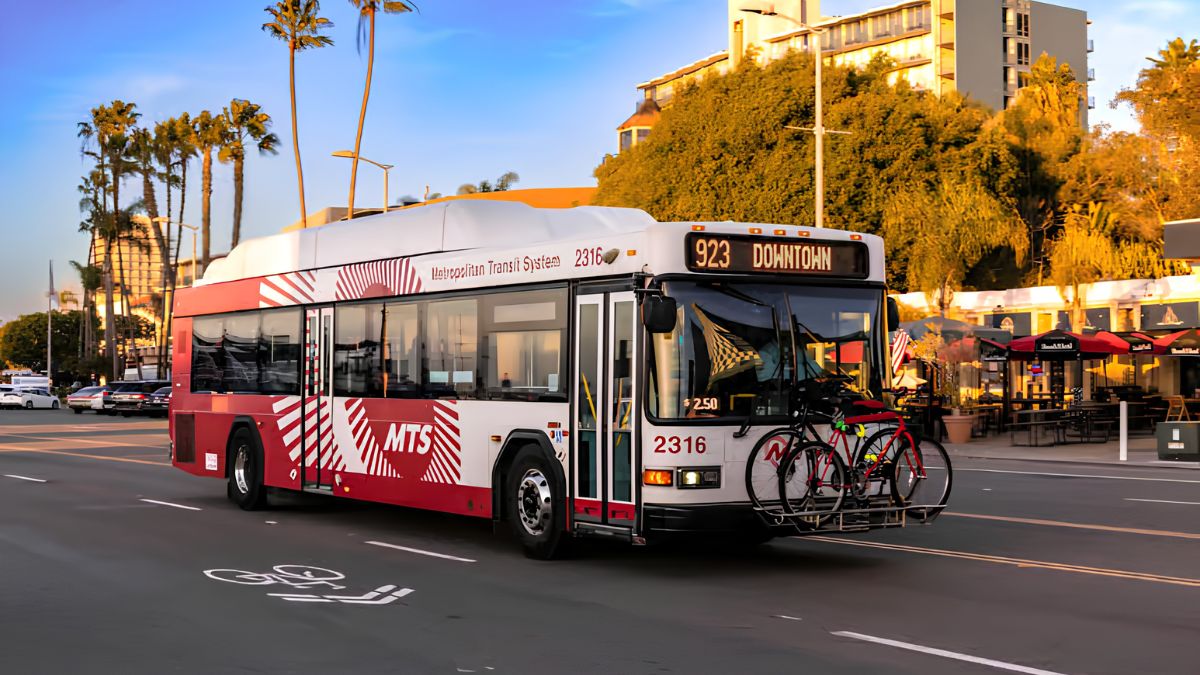
The San Diego Metropolitan Transit System (MTS) operates the San Diego Trolley and bus services. The Blue Line connects the San Ysidro area with destinations farther north, including central San Diego and connections to other transit routes.
New residents can use the official MTS website to review route maps, schedules, fares, service alerts, and ticketing information. Check the latest details before travelling because schedules and service arrangements can change.
If you plan to commute regularly, test your route before your first working day. Check how long it takes to reach the station, whether transfers are required, and how late services operate in the evening. A route that works well during the morning rush may be less convenient for late-night shifts or weekend travel.
For occasional journeys, compare the full cost of driving with public transportation. Driving may offer flexibility, but fuel, parking, insurance, and traffic can add to the expense. Transit can reduce some of those costs, although the best choice depends on your destination and schedule.
Walking is practical for some local errands, but don’t assume every destination is easily accessible on foot. Check crossings, pavement conditions, distances, and weather before relying on walking as your primary means of getting around.
Border
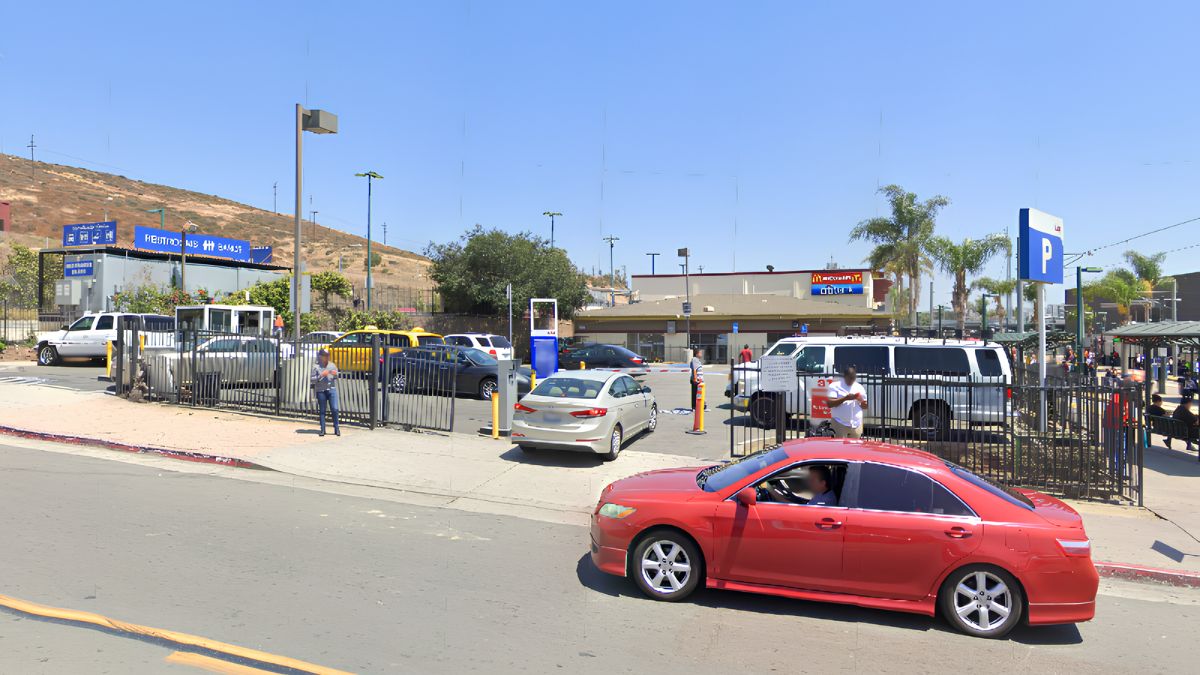
San Ysidro’s proximity to Mexico is an important part of its location and local activity. The San Ysidro Port of Entry serves as a major land border crossing, and cross-border travel can affect traffic patterns and the movement of people through the surrounding area.
If you intend to cross into Mexico, make sure you understand the applicable entry requirements and have the necessary travel documents. Requirements depend on your citizenship, immigration status, destination, and circumstances. Consult official government guidance rather than relying on informal advice.
Cross-border travel times can vary significantly depending on traffic, inspection procedures, and the time of day. If you commute or travel regularly, allow extra time and check relevant official updates before setting out.
Even if you don’t plan to cross the border, understanding how nearby roads and transportation routes connect to the port can help you plan journeys around busy periods.
Housing
Choosing where to live involves more than comparing rent. New residents should consider how easily they can reach work, schools, groceries, medical services, and public transportation from a potential home.
Before signing a lease, calculate your likely monthly expenses. Include utilities, internet, transportation, parking, renter’s insurance, and any additional charges specified in the rental agreement. A home with lower rent may be less affordable overall if it requires a long commute or frequent car journeys.
Visit the property and surrounding streets when possible. Pay attention to noise, lighting, building maintenance, parking arrangements, and access to public transport. If you rely on walking, test the route to nearby essentials rather than judging distance from a map alone.
Read the lease carefully and request written clarification about deposits, maintenance responsibilities, utility payments, and fees. Keep copies of your agreement, payment records, and communications with the landlord.
Newcomers should also be cautious about rental scams. Verify that the person offering a property is authorised to rent it, avoid sending money before confirming the listing’s legitimacy, and be particularly wary of pressure to pay immediately through an unusual method.
Resources
Finding reliable community information can help you settle in faster. Government departments, public libraries, community organisations, and nonprofit service providers can guide residents toward local assistance and practical resources.
The City of San Diego’s official website provides information about municipal services, recreation, neighbourhood resources, public facilities, and city departments. It’s a useful starting point for questions about city-managed services and local activities.
For programmes administered at county level, visit the County of San Diego. Depending on your needs and eligibility, county resources may cover health services, family support, public assistance, and other community programmes.
You can also explore library services, local community centres, and nonprofit organisations. These may provide information about educational activities, food assistance, employment resources, family programmes, or help navigating public services.
When looking for support, confirm the eligibility rules, required documents, application process, and current availability. Not every programme is open to all residents, and some services require appointments or proof of address.
Keep important contact information in one place. Saving official websites, phone numbers, and service addresses on your phone can make it easier to find help when you need it.
Safety
Getting familiar with local safety arrangements is another useful part of settling into San Ysidro. Start by learning your immediate surroundings, identifying well-lit routes, and understanding how to contact emergency services.
For emergencies requiring immediate police, fire, or medical assistance in the United States, call 911. For non-emergency concerns, use the relevant agency’s published contact information.
If you plan to walk or cycle regularly, familiarise yourself with traffic signals, crossings, and areas where pedestrian access may be limited. When travelling at night, consider lighting, visibility, transit availability, and the route you will take home.
Residents should also understand local rules about parking, rubbish collection, property maintenance, and public spaces. These details can differ by street or property type, so consult official city information when you’re unsure.
For community updates, rely on official announcements and verified public safety information. Social media can be useful for discovering local discussions, but confirm important notices through the responsible agency.
Community
Feeling at home is about more than knowing where to shop or how to commute. Becoming familiar with local activities can help you build relationships and discover resources you might otherwise overlook.
Look for library programmes, recreation classes, cultural events, volunteer opportunities, and community meetings. These activities can be a practical way to meet neighbours and learn more about the area’s needs and interests.
Families may benefit from children’s programmes and recreational activities, while working adults might prefer weekend events or community workshops. If you’re interested in local improvements, public meetings can offer insight into topics such as traffic, public spaces, and neighbourhood development.
Before attending an event, check its date, location, registration requirements, and any fees. Community activities may be free, but some have limited capacity or require advance booking.
You don’t need to participate in everything immediately. Start with one or two activities that match your interests and schedule, then explore further as you become more comfortable.
Checklist
During your first month, focus on learning the routes and services that matter most to your daily routine. You can use this checklist to keep track of your progress.
| Priority | What to do |
|---|---|
| First week | Locate groceries, pharmacies, and essential services |
| First week | Check nearby trolley stops and bus routes |
| First two weeks | Confirm healthcare options and school information if needed |
| First two weeks | Review housing costs and local parking arrangements |
| First month | Explore parks, libraries, and recreation facilities |
| First month | Save official city, county, and transit resources |
| Ongoing | Check service alerts and community announcements |
You can adjust this schedule to fit your circumstances. Someone who commutes daily may want to prioritise transportation, while a family with young children may need to focus on schools, childcare, and healthcare first.
Settling into San Ysidro becomes easier when you approach the process one step at a time. Learn the neighbourhood layout, identify essential amenities, understand your transportation choices, and keep reliable public service information close at hand. As you look into local facilities and meet people in the community, you’ll develop a better understanding of what the area offers and how to make everyday life work for you.
FAQs
Where is San Ysidro located?
San Ysidro is in southern San Diego, California, near the Mexico border.
How can I check trolley and bus schedules?
Use the official San Diego MTS website for routes and service updates.
Where can I find local public services?
Start with the City of San Diego and San Diego County websites.
What should I check before renting a home?
Review total costs, lease terms, transport links, and nearby amenities.
How can I discover local community activities?
Check library calendars, recreation listings, and community organisations.