An early-morning commute from San Ysidro, California, requires more than setting an alarm and leaving home on time. Whether you travel by trolley, bus, car, or a combination of transportation options, checking schedules and preparing for unexpected delays can help you reach work, school, or an appointment with fewer disruptions.
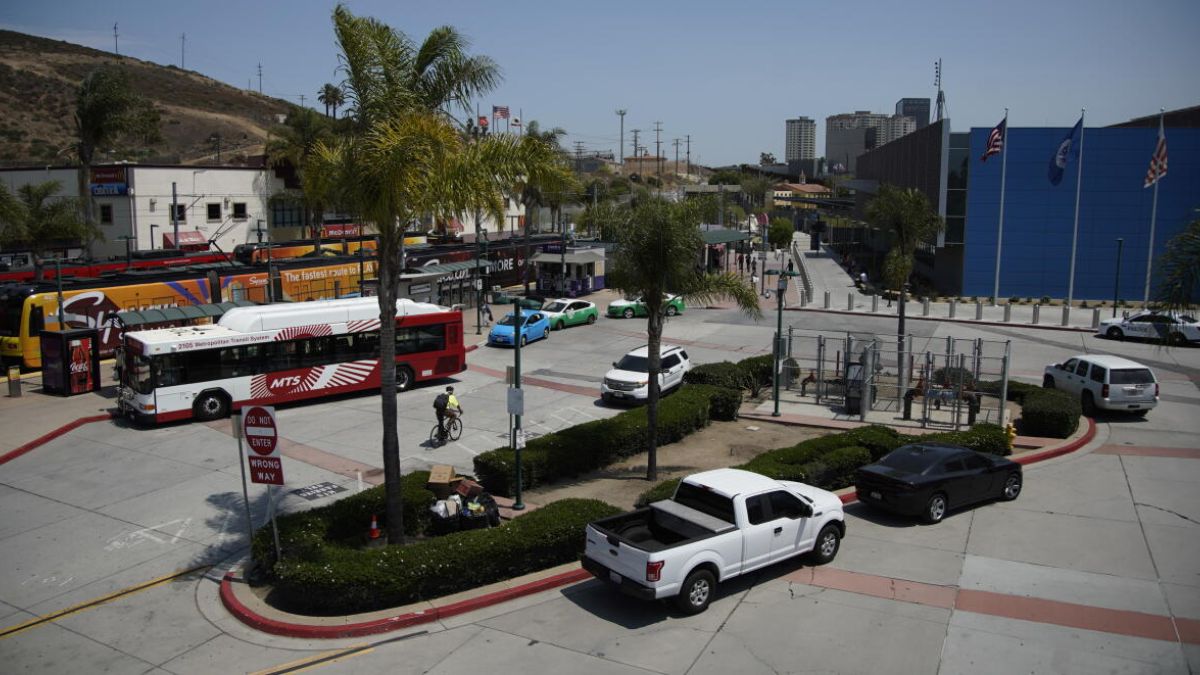
San Ysidro is connected to the wider San Diego region through major roads and public transportation services. The San Diego Trolley’s Blue Line serves the San Ysidro Transit Center, providing a connection to other parts of the region. Local buses offer additional options for reaching destinations that are not directly accessible by trolley.
However, early-morning travel can involve limited service frequencies, traffic congestion, missed connections, or unexpected service changes. A route that works well during the middle of the day may require a different approach before sunrise.
By reviewing transit schedules, allowing extra travel time, preparing alternative routes, and organizing essential items the night before, commuters can make their morning journeys more predictable.
Schedules
Checking the latest transportation schedules should be the first step in planning an early-morning commute. Departure times, service frequencies, and transfer arrangements can determine whether you arrive at your destination on time.
For public transportation users, the official San Diego Metropolitan Transit System (MTS) website provides information about trolley and bus services, routes, schedules, and service updates.
Start by identifying the nearest trolley station or bus stop and checking the first departures that fit your schedule. Do not assume that every route operates at the same frequency throughout the day. Some services may have longer intervals between departures during early hours, weekends, or holidays.
If your journey involves a transfer, check both services rather than looking only at the departure time of the first vehicle. A bus that arrives shortly before a trolley departure may leave little room for delays.
It is also useful to distinguish between scheduled travel time and the time you need to leave home. Your commute includes walking to the stop, waiting for the vehicle, transferring between services, and traveling from the final stop to your destination.
For example, if your work begins at 8:00 a.m., planning to arrive at a station at 7:55 a.m. may not provide enough time to complete the journey. Calculate the entire route and work backward from your required arrival time.
Check the schedule again before leaving, particularly if you rely on a route with limited early-morning service.
Timing
Allowing extra time is one of the simplest ways to reduce the impact of unexpected delays. Even when a service operates according to schedule, walking distances, boarding time, traffic, and transfers can make the journey longer than expected.
Begin by determining the latest reasonable arrival time at your destination. Then estimate the full commute, including the time needed to reach your departure point and travel the final distance after getting off the bus or trolley.
Add a practical buffer based on the reliability of your route. A direct journey with frequent service may require less flexibility than a trip involving several connections or a long walk.
For example, a commuter whose usual trip takes 40 minutes might choose to leave 50 to 60 minutes before the required arrival time when punctuality is particularly important. This is only an illustration; the appropriate buffer depends on actual route conditions and service frequency.
Your schedule should also account for the consequences of missing a departure. If another bus or trolley arrives shortly afterward, the delay may be manageable. If the next service is much later, missing one vehicle could significantly affect your arrival time.
During the first week of a new commute, record when you leave, when you arrive, and where delays occur. This information can help you develop a more accurate estimate than relying on a journey planner’s expected travel time alone.
Consistency matters, but flexibility is equally valuable. A realistic departure time gives you room to respond when the journey does not go exactly as planned.
Transit
The San Diego Trolley can be a practical option for commuters traveling from San Ysidro to other parts of the region. The Blue Line serves the San Ysidro Transit Center and connects with destinations along its route.
For commuters whose workplaces are near trolley stations, rail service may reduce the need to drive through traffic or find parking. It can also make travel times easier to estimate when road conditions are unpredictable.
However, the trolley may not take you directly to your workplace. You may need to walk from the station or transfer to a bus for the final part of the trip.
Before choosing this option, check the route and the time required for each connection. Pay attention to the first available departure, service frequency, planned maintenance, and any temporary service changes.
The official MTS transit services page is a useful starting point for checking route information and planning a journey.
Bus services can be particularly important when your home or workplace is farther from a trolley station. Confirm the correct route number, stop location, and direction of travel before boarding.
If you regularly transfer between a bus and trolley, consider whether the connection gives you enough time to move between platforms or stops. A tight connection may be possible under normal conditions but less reliable when the first service runs late.
Also check the return journey. Early-morning planning often focuses on reaching work, but your transportation options later in the day may differ because of changing schedules or service disruptions.
Traffic
Driving from San Ysidro may be the most practical option for some commuters, especially those traveling to destinations that are not well served by public transportation. However, early departures do not automatically eliminate traffic risks.
Road conditions can change because of collisions, construction, weather, or congestion on major routes. Travel times may also vary depending on the direction of travel and the time you leave.
Before starting your journey, review current traffic information and compare alternative routes when appropriate. Navigation apps can help identify reported delays, but estimated arrival times can change as conditions develop.
Avoid selecting a route based only on its distance. A slightly longer route may be more predictable if it avoids a known bottleneck, while an unfamiliar shortcut may introduce additional turns or delays.
Parking should also be included in your commute calculation. If your workplace requires you to park and walk to the building, allow time for both activities. A drive that takes 25 minutes can become a much longer door-to-door journey when parking is difficult.
Drivers should keep fuel levels, tire condition, lights, and other essential vehicle maintenance in mind. An early-morning breakdown may be especially disruptive if nearby repair services are not yet operating.
If you normally drive but are considering public transportation as an alternative, compare the complete journey rather than just the time spent on the road. Parking costs, fuel expenses, transfers, and walking distances all influence the decision.
Backups
A backup plan is particularly important when arriving late could affect your work responsibilities or an important appointment. Your alternative does not need to be complicated, but you should know what to do if your primary route becomes unavailable.
Start by identifying a second route to your destination. If you normally take the trolley, check whether a bus can cover part of the journey. If you drive, determine whether another major road offers a reasonable alternative when traffic builds up.
You may also consider a taxi or rideshare service for occasional disruptions. Before relying on this option, check whether service is available at your departure time and whether the cost is manageable.
For commuters who travel with coworkers or live near colleagues, an agreed carpool arrangement may provide another option. However, confirm availability in advance rather than assuming someone will be able to provide a ride at short notice.
Keep important information accessible on your phone, including your regular route, alternative stops, departure times, and workplace contact details. Downloading relevant maps or saving route information can help if mobile connectivity becomes unreliable.
It is also useful to establish a decision point. For example, if your usual bus has not arrived within a reasonable period and the next service would make you late, you can switch to your backup rather than waiting without a plan.
If your route crosses the international border, allow for separate border procedures and changing wait times. Check official information from U.S. Customs and Border Protection when relevant, because border crossings involve considerations beyond an ordinary commute within San Ysidro.
A backup plan is most effective when you have checked it before an emergency occurs.
Preparation
Preparing the night before can reduce the number of decisions you need to make early in the morning. Small organizational steps can save time when services operate less frequently and every connection matters.
Check your departure time, confirm the route, and review any planned service changes before going to bed. Set an alarm that allows enough time to get ready, walk to your stop, and reach your departure point without rushing.
Pack your work bag in advance and keep essential items together. These may include your identification, transit payment method, phone, charger, keys, lunch, and any documents required for work.
If you drive, check your fuel level and make sure your vehicle is ready for the journey. If you use public transportation, confirm that you have an accepted payment method and understand how to use it before arriving at the station.
Weather can affect both walking and driving conditions. Check the forecast and prepare suitable clothing, particularly if you will be waiting outdoors before sunrise.
Phone battery life also deserves attention. A charged phone makes it easier to review updated schedules, receive service notifications, and contact your workplace if a delay occurs. A portable charger may be useful for longer journeys.
Finally, make sure you know where to go when you arrive. A large workplace, campus, hospital, or office complex may require additional walking time from the transit stop or parking area.
Monitoring
Commute planning should improve as you learn more about your route. Reviewing actual travel times can help you identify recurring delays and decide whether your schedule needs to change.
For the first few weeks, keep a simple record of your departure time, arrival time, mode of transportation, and any problems encountered. Note whether delays occurred while waiting for a vehicle, during a transfer, on the road, or during the final walk.
If one connection repeatedly causes problems, consider an earlier departure or an alternative route. If driving times become unpredictable on certain days, compare public transportation options for those mornings.
Pay attention to service alerts, especially when a transit route is essential to your commute. An unexpected cancellation or temporary change may require you to leave earlier or use another service.
Review your plan whenever your work schedule, destination, or transportation needs change. A route that works well for a 9:00 a.m. start may not be suitable for a shift beginning at 6:00 a.m.
Planning also includes recognizing when a transportation option is no longer practical. If repeated transfers add substantial time or costs, another route or mode may offer a better balance.
An effective early-morning commute is built on reliable information, realistic timing, and preparation for ordinary disruptions. By checking official transit schedules, allowing extra time, monitoring road conditions, and keeping a backup route available, commuters traveling from San Ysidro can make more informed decisions about their daily journeys. Reviewing the results over time can help them develop a routine that supports punctuality without relying on every part of the trip going perfectly.
FAQs
Where can I check San Ysidro transit schedules?
Use the official San Diego MTS website for routes, schedules, and service updates.
How early should I leave for work?
Allow time for the full journey, transfers, walking, and possible delays.
What if my usual bus or trolley is delayed?
Check service alerts and use a previously reviewed alternative route.
Is driving always faster than taking transit?
No. Traffic, parking, transfers, and walking can change total travel time.
What should I prepare the night before?
Check schedules, charge your phone, pack essentials, and confirm your route.